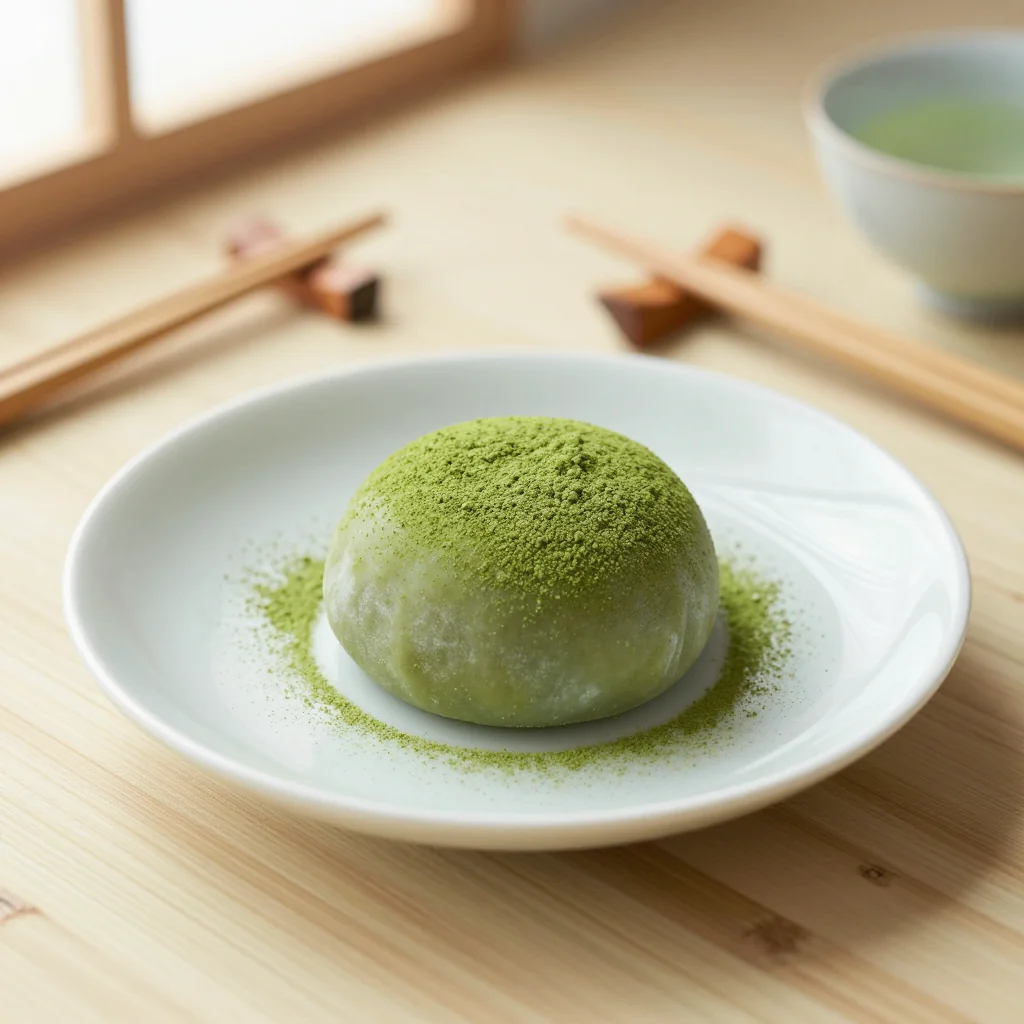
A silky, chewy Japanese treat infused with vibrant matcha that awakens your senses and comforts your soul.
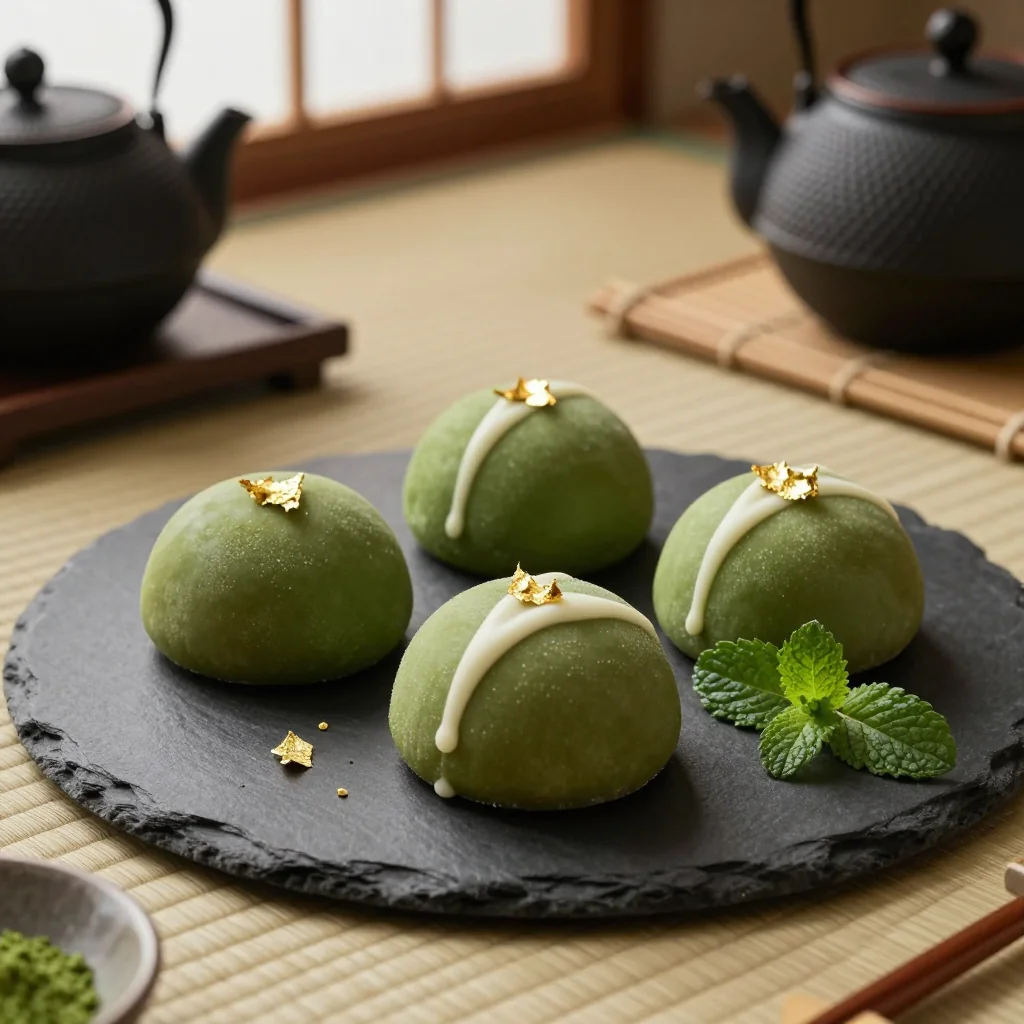
When I first stepped into a tiny tea house tucked away in Kyoto’s historic Gion district, the air was perfumed with the earthy scent of freshly ground matcha. I was a wide‑eyed traveler, clutching a notebook and a hunger for something beyond the usual sushi and ramen. The server presented a small bamboo tray, and there, nestled among delicate sakura petals, lay a handful of soft, pale‑green mochi that seemed to glow with a quiet confidence.
The moment I took a bite, the subtle bitterness of the tea leaf danced with a gentle sweetness, and the chewy rice cake yielded a delightful snap that released a burst of sweet red bean paste. It was a harmony of textures and flavors that felt both ancient and modern—a perfect embodiment of Japanese culinary philosophy, where balance is everything.
Inspired by that fleeting encounter, I set out to recreate the experience at home, adapting the traditional technique to suit a Western kitchen while preserving the authentic spirit of the dessert. The result is this Green Tea Matcha Mochi: a vibrant, melt‑in‑your‑mouth treat that can be made with pantry staples and a few specialty items.
In the following sections, you’ll discover the science behind the perfect chewy texture, the secrets to achieving a vivid emerald hue, and step‑by‑step guidance that demystifies the steaming process. By the end, you’ll be equipped to serve these delicate delights at a tea party, a dinner finale, or simply as a comforting snack on a rainy afternoon.
Let’s dive in and bring a piece of Kyoto into your kitchen!
🌟 Why This Recipe Will Win Your Heart
Whether you’re a seasoned baker or a curious foodie, this matcha mochi offers a unique blend of tradition, flavor, and visual appeal that makes it stand out.
- ✨ Irresistible Texture: The glutinous rice flour creates a soft, elastic bite that’s neither too firm nor too gummy, delivering that signature “chewy” sensation that defines authentic mochi.
- ✨ Vibrant Green Color: Using high‑quality culinary matcha ensures a deep, natural emerald hue without artificial dyes, turning each piece into an eye‑catching work of art.
- ✨ Balanced Sweetness: The modest amount of sugar in the dough lets the natural bitterness of matcha shine, while the sweet red bean filling adds a comforting contrast.
- ✨ Simple Ingredients: With just a handful of pantry staples and a specialty matcha powder, you can craft a dessert that feels exotic yet approachable.
- ✨ Versatile Presentation: These bite‑size treats can be served on a traditional wooden board, dusted with powdered sugar, or paired with fresh berries for a modern twist.
- ✨ Healthful Boost: Matcha is rich in antioxidants, providing a gentle energy lift and a subtle earthy flavor that complements the sweet filling.
🥗 Ingredients
📝 Complete Ingredient List
For the Mochi Dough:
For the Sweet Red Bean Filling:
For the Optional Toasted Coconut Coating:
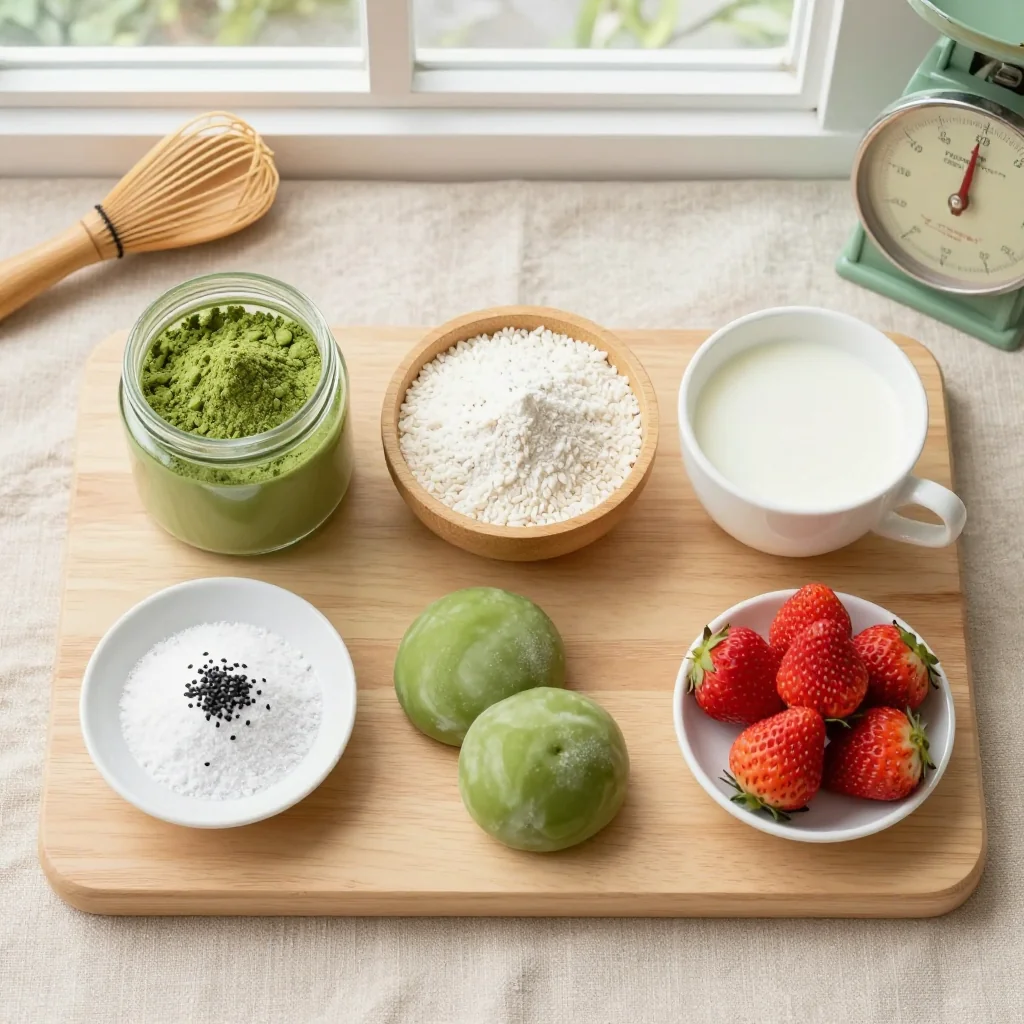
🔍 Focus on Key Ingredients
Glutinous Rice Flour
Also known as sweet rice flour, this ingredient is the backbone of mochi’s signature chewiness. Unlike regular rice flour, its high amylopectin content traps water, creating a stretchy matrix when steamed. When selecting, opt for a fine, white flour without additives; a coarser grind can lead to a grainy texture.
Matcha Powder
Matcha is a finely ground green tea leaf, rich in catechins and chlorophyll. For mochi, a ceremonial‑grade matcha yields a vivid green color and a nuanced, slightly vegetal flavor. Whisk it with a small amount of water before adding to the dough to avoid clumps and ensure even distribution.
Sweet Red Bean Paste (Anko)
Anko provides the classic sweet counterpoint to matcha’s earthiness. Choose a smooth (koshian) paste for a silkier interior, or a chunky (tsubuan) version if you prefer texture. If you can’t find it, you can quickly make your own by simmering cooked azuki beans with sugar until thick.
🔄 Quick Substitutions
| If you don’t have... | Use instead... |
|---|---|
| Glutinous rice flour | Sweet rice flour (same amount) |
| Culinary matcha | Green tea powder (slightly less flavor) |
| Red bean paste | Sweetened black bean paste or almond paste |
👨🍳 Step‑by‑Step Instructions
Follow these detailed steps to create perfectly smooth, emerald‑green mochi that bursts with sweet filling.
📋 Phase 1: Preparation and Mise en Place
Gather and measure all components before you start steaming; this ensures a smooth workflow.
Combine Dry Ingredients
In a large mixing bowl, whisk together the glutinous rice flour, granulated sugar, and a pinch of salt. Ensure the dry mixture is free of lumps; the uniformity at this stage will affect the final texture. The sweet aroma of sugar mingles with the faint, earthy scent of matcha waiting to be added later.
Prepare Matcha Mixture
In a separate small bowl, dissolve the matcha powder in two tablespoons of warm water (about 30 ml). Whisk vigorously in a “W” motion until the powder forms a smooth, bright green slurry with no specks. This step prevents streaks in the dough and intensifies the flavor.
🔥 Phase 2: Steaming and Shaping
Now we’ll transform the dry blend into a pliable dough and fill it with sweet red bean paste.
Integrate Liquids and Steam
Make a well in the center of the dry mixture, pour in the remaining water (180 ml) and the matcha slurry. Stir with a wooden spoon until a thick batter forms. Transfer the batter to a heat‑proof dish that fits your steamer, cover with foil, and steam over boiling water for 15 minutes. The batter should turn translucent and slightly glossy.
Cool and Knead
Remove the dish from the steamer and let the dough cool for about 5 minutes until it’s safe to handle. Dust a clean work surface with a thin layer of glutinous rice flour. Transfer the dough onto the surface and knead gently for 1–2 minutes, folding it over itself to create a uniform green sheet. The dough should feel tacky but not stick excessively.
Portion and Fill
Divide the dough into eight equal portions (approximately 60 g each). Flatten each piece into a 5‑cm disc, place a teaspoon (about 15 g) of sweet red bean paste in the center, and gently pinch the edges together, sealing the filling inside. Roll the sealed ball lightly between your palms to smooth any seams.
✨ Phase 3: Finishing Touches and Serving
The final stage adds texture and presents the mochi beautifully.
Optional Coconut Coating
If you love a subtle nutty crunch, roll each mochi ball gently in toasted coconut flakes. The coconut adds a fragrant aroma and a contrasting bite without overwhelming the delicate flavors.
Chill Briefly
Place the finished mochi on a parchment‑lined tray and refrigerate for 10 minutes. This short chill firms the exterior just enough for clean slicing and improves the overall bite.
Serve
Arrange the mochi on a decorative plate, dust lightly with powdered sugar if desired, and serve at room temperature. Pair with a cup of hot green tea for a harmonious flavor experience.
💡 Expert Tips and Tricks
🛒 Choosing the Right Ingredients
When shopping for matcha, look for a bright green hue and a fine, silky texture; lower‑grade culinary matcha may appear dull and produce a muted flavor. For glutinous rice flour, verify that the packaging states “sweet rice flour” – regular rice flour lacks the necessary amylopectin and will result in a crumbly texture. Finally, select anko that is smooth and not overly sugary; a well‑balanced paste will complement the subtle bitterness of matcha without becoming cloying.
🔪 Preparation Techniques
Before steaming, always whisk the matcha with a small amount of warm water to create a slurry; this prevents speckles and ensures even coloration. When kneading the steamed dough, work quickly but gently – over‑kneading can break down the delicate network of starches, leading to a gummy result. Dust your work surface liberally with rice flour; this prevents sticking while preserving the dough’s moisture.
🌡️ Mastering the Steam
Maintain a vigorous boil throughout the steaming process. A gentle simmer may cause condensation to drip onto the dough, making it soggy. Use a tight‑fitting lid or a piece of parchment over the dish to keep excess moisture away. Check the dough at the 12‑minute mark; it should be translucent and slightly glossy. If it still looks opaque, give it another 2‑3 minutes.
🍽️ Presentation and Service
For an elegant presentation, place the mochi on a bamboo or slate board, add a few fresh mint leaves, and sprinkle a whisper of powdered sugar. A side of lightly sweetened whipped cream flavored with a hint of vanilla can elevate the dessert for a dinner party. Remember that mochi is best enjoyed within a few hours of preparation; the texture softens over time.
🏆 Pro Tips
A professional chef’s perspective can turn a good mochi into an unforgettable masterpiece.
- 🎯 Temperature Control: The dough’s elasticity is highly sensitive to temperature. Keep the water at 70 °C (just below boiling) when mixing; this ensures the starches gelatinize uniformly, producing a smoother texture.
- 🎯 Ratio Precision: The classic 1:0.8 flour‑to‑water ratio (by weight) yields optimal chewiness. Deviating even slightly can make the mochi too dense or too soft.
- 🎯 Matcha Distribution: After creating the matcha slurry, fold it into the batter using a gentle “cut and fold” motion rather than vigorous stirring; this preserves the air bubbles that give the mochi its lightness.
- 🎯 Filling Consistency: Warm the red bean paste slightly before filling; a warm paste spreads more easily and seals better, preventing leaks during the final steam.
- 🎯 Steam Vessel Choice: Use a bamboo steamer lined with cheesecloth for a subtle, smoky aroma that enhances the tea flavor.
- 🎯 Final Polishing: Lightly dust the finished mochi with a mixture of powdered sugar and finely ground matcha for a glossy finish and an extra flavor pop.
“The secret to perfect mochi lies not only in the ingredients but in the love and patience you fold into each bite.” — Chef Hiroshi Tanaka
🔄 Variations and Adaptations
The base recipe is a versatile canvas; feel free to experiment with flavors, textures, and dietary needs.
🥬 Vegetarian / Vegan Version
Swap the traditional sweet red bean paste with a vegan-friendly almond or cashew butter sweetened with maple syrup. Use a plant‑based milk (such as oat milk) instead of water for a richer dough, and ensure the matcha powder is free from any animal additives.
- Almond butter filling: 150 g almond butter + 30 g maple syrup.
- Oat milk substitution: replace water with an equal volume of oat milk.
🌶️ Flavor Variations
Explore different taste profiles by adjusting the filling or adding aromatic accents to the dough.
Spicy Version:
Incorporate a pinch of cayenne pepper into the dough and replace the red bean paste with a black bean and chili sauce mixture for a surprising kick.
Mediterranean Version:
Mix finely chopped pistachios and a dash of orange zest into the dough, and fill with a sweet ricotta‑honey blend for a bright, nutty twist.
Asian Fusion Version:
Add toasted sesame seeds to the dough and fill with a smooth mango purée, creating a tropical‑meets‑green‑tea experience.
⚠️ Dietary Adaptations
Gluten‑Free:
The recipe is already gluten‑free, as glutinous rice flour contains no wheat.
Lactose‑Free:
All ingredients are naturally lactose‑free; just ensure any optional fillings (like ricotta) are replaced with plant‑based alternatives.
Low‑Calorie:
Reduce sugar to 30 g, use a sugar substitute such as erythritol, and replace the coconut coating with a light dusting of powdered erythritol for fewer calories.
👶 Kid‑Friendly Version
Kids often love milder flavors. Use a smooth white bean paste (made from cannellini beans) sweetened with honey, and skip the matcha for a plain white mochi. Serve with a drizzle of chocolate sauce for extra appeal.
📦 Storage and Reheating
🧊 Conservation
Refrigerator:
- Duration: Up to 3 days
- Recommended container: Airtight plastic container or zip‑lock bag
- Tip: Place a damp paper towel over the mochi to prevent drying out.
Freezer:
- Duration: Up to 2 months
- Method: Individually wrap each mochi ball in parchment, then place in a freezer‑safe bag.
- Defrosting: Transfer to the refrigerator overnight, then let sit at room temperature for 15 minutes before serving.
💡 For best texture, avoid refreezing once thawed; the starch structure can break down, resulting in a mushy bite.
♨️ Reheating
Oven (Recommended):
- Preheat to 150 °C (300 °F).
- Place mochi on a parchment‑lined tray, cover loosely with foil.
- Heat for 8–10 minutes.
- Remove foil and continue for 2 minutes to restore a slight sheen.
Microwave (Quick):
- Place mochi on a microwave‑safe plate, cover with a microwave‑safe lid.
- Heat on medium power for 30 seconds, check softness.
- Repeat in 10‑second bursts until warm.
Steamer (Traditional):
Steam for 3–4 minutes over simmering water; this method revives the original chewiness without drying the exterior.
🍷 Perfect Pairings
🥗 Side Accompaniments
- Fresh Fruit Salad: A mix of sliced strawberries, kiwi, and orange segments adds acidity and bright color.
- Sesame‑Infused Edamame: Lightly salted edamame with toasted sesame oil provides a savory contrast.
- Japanese Pickles (Tsukemono): Small amounts of pickled daikon cut the sweetness and cleanse the palate.
🍷 Wine & Beverage Pairings
- Japanese Sencha: Its crisp, vegetal notes echo the matcha and cleanse the palate between bites.
- Light Sparkling Riesling: The gentle fizz and subtle sweetness complement the mochi’s chew.
- Non‑Alcoholic: A chilled glass of yuzu‑infused sparkling water adds citrus brightness without overpowering.
🍰 Complementary Courses
Begin with a delicate miso soup or a chilled cucumber‑seaweed salad to set a subtle, umami tone. Follow the mochi with a silky matcha panna cotta or a light citrus sorbet to maintain the tea‑centric theme while offering a refreshing finish.
❓ Frequently Asked Questions
Q: Can I use regular rice flour instead of glutinous rice flour?
A: Regular rice flour lacks the high amylopectin content required for the characteristic stretchiness of mochi. Substituting it will result in a crumbly, dry texture rather than the soft, elastic bite we aim for. If you cannot find glutinous rice flour, look for “sweet rice flour” or “mochi flour” which are the same product under different names.
Q: How do I prevent the matcha from clumping?
A: The key is to create a smooth slurry before adding it to the dough. Dissolve the matcha powder in a small amount of warm water (about 30 ml) and whisk vigorously using a “W” motion. Sifting the matcha through a fine mesh before whisking can also help eliminate any lumps.
Q: My mochi turned out too sticky – what went wrong?
A: Excess moisture or insufficient steaming time are common culprits. Ensure you measure water accurately and steam the batter for the full 15 minutes. Additionally, dust your work surface generously with glutinous rice flour before handling the dough to reduce sticking.
Q: Is it possible to make a baked version of mochi?
A: While traditional mochi is steamed, you can bake the shaped balls at 180 °C (350 °F) for 12–15 minutes. The texture will shift from chewy to slightly crisp on the outside, creating a hybrid between mochi and a soft cookie. This method works best with a thin coating of coconut or sesame.
Q: Can I freeze the mochi before filling?
A: Yes. After steaming and cooling the dough, you can cut it into discs, wrap each tightly in plastic wrap, and freeze. When ready to fill, thaw briefly at room temperature, then add the filling and shape. This approach is handy for batch preparation.
Q: How far in advance can I prepare the red bean paste?
A: The sweet red bean paste can be made up to a week ahead and stored in an airtight container in the refrigerator. For longer storage, freeze the paste in small portions; it thaws quickly and retains its flavor and texture.
🎉 Let’s Get Cooking!
Green Tea Matcha Mochi brings together the artistry of Japanese confectionery with the convenience of modern home cooking. By mastering the balance of sweet and earthy flavors, you’ll create a dessert that looks as stunning as it tastes. Whether you serve it at a tea ceremony, a brunch gathering, or simply enjoy it with a cup of tea on a quiet afternoon, these mochi balls are sure to impress.
Remember, the beauty of this recipe lies in its adaptability—experiment with fillings, coatings, and pairings to make it truly your own. Share your creations, ask questions in the comments, and don’t forget to rate the recipe so others can discover this delightful treat.
Have you tried this recipe?
Leave a comment and rating below! Share your photos on Instagram with #MatchaMochiMagic for a chance to be featured.
Green Tea Matcha Mochi
Vibrant, chewy Japanese sweets infused with premium matcha.
📝 Ingredients
For the Mochi Dough
For the Sweet Red Bean Filling
Optional Toasted Coconut Coating
👨🍳 Instructions
- 1
Whisk together glutinous rice flour, sugar, and salt in a large bowl.
- 2
Dissolve matcha powder in 30 ml warm water, whisk to a smooth slurry.
- 3
Add the remaining water and matcha slurry to the dry mix, stir into a thick batter.
- 4
Steam the batter in a covered dish for 15 minutes until translucent.
- 5
Cool slightly, then knead on a floured surface until smooth.
- 6
Divide dough into eight pieces, flatten, place a spoonful of red bean paste, and seal.
- 7
Roll each ball in toasted coconut flakes if desired.
- 8
Refrigerate for 10 minutes to firm.
- 9
Serve at room temperature with a cup of hot tea.
- 10
Enjoy and share your beautiful creations!
🥗 Nutrition (per serving)
*Nutritional values are estimates based on standard ingredient data.
📚 You Might Also Like
Mango Sticky Rice
Sesame Black Sesame Ice Cream
Ube Cheesecake






💬 Comments & Reviews
Leave a Comment
No comments yet. Be the first to share your thoughts!