
Frittata
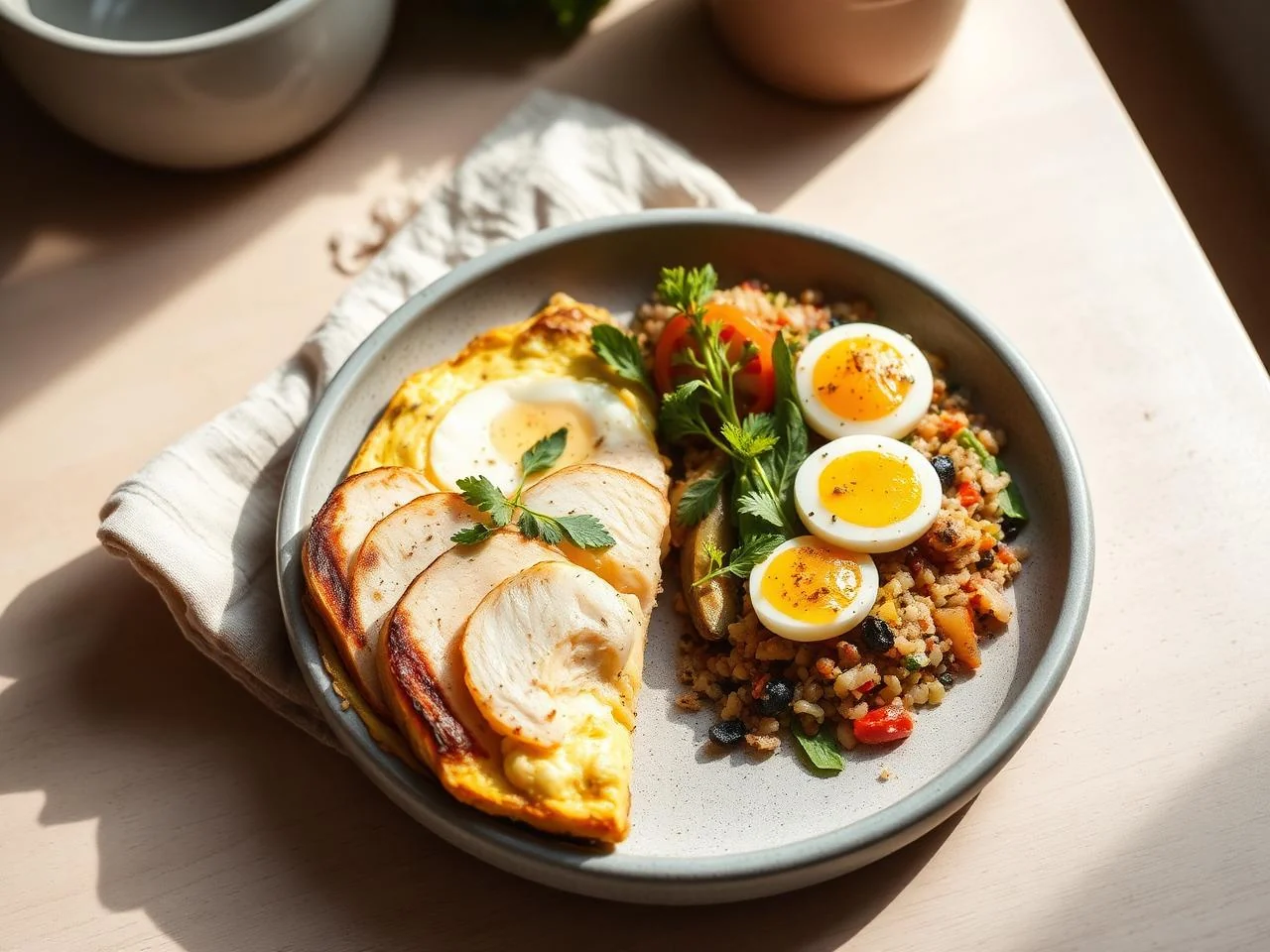
I still remember the first time I made a frittata. I was a competitive rower, and I needed a protein-packed breakfast that would fuel my early morning training sessions. A friend introduced me to this Italian dish, and I was hooked. Not only was it easy to make, but it was also incredibly versatile and delicious.
As I delved deeper into the world of cooking, I realized that a frittata was more than just a simple breakfast dish. It was a canvas waiting for creativity and experimentation. You could add any combination of vegetables, cheeses, and meats to create a unique flavor profile that suited your taste buds.
In this recipe, I'll share with you my take on the classic frittata. I'll guide you through the process of making a delicious and satisfying dish that's perfect for any meal of the day. Whether you're a busy professional looking for a quick breakfast or a parent seeking a healthy dinner option, this frittata recipe is sure to become a staple in your kitchen.
So, let's get started and explore the world of frittatas together! With its rich flavors and textures, I'm confident that you'll fall in love with this dish just like I did.
As we cook, I'll share some tips and tricks that I've learned along the way. From the importance of using fresh ingredients to the technique of achieving the perfect texture, I'll cover it all. By the end of this recipe, you'll be a frittata expert, ready to create your own unique variations and share them with friends and family.
Why You’ll Love This Recipe
- This frittata recipe is easy to make and requires minimal ingredients.
- It's a versatile dish that can be served for breakfast, lunch, or dinner.
- The combination of eggs, vegetables, and cheese provides a balanced and satisfying meal.
- You can customize the recipe to suit your taste preferences by adding your favorite ingredients.
- It's a great way to use up leftover vegetables and reduce food waste.
- The frittata is a perfect dish for meal prep, as it can be refrigerated or frozen for later use.
Why This Recipe Works
The key to a great frittata is in the layering of flavors and textures. By combining sautéed vegetables, rich cheeses, and savory meats, you create a dish that's both satisfying and delicious. The eggs, of course, are the foundation of the frittata, providing a creamy and moist base for the other ingredients.
The cooking technique is also crucial. By using a combination of high heat and gentle stirring, you can achieve a perfectly cooked frittata that's golden brown on the outside and tender on the inside. The result is a dish that's both visually appealing and mouth-watering.
Another important aspect of making a great frittata is the use of fresh and high-quality ingredients. Whether you're using farm-fresh eggs, crisp vegetables, or rich cheeses, the quality of your ingredients will directly impact the flavor and texture of your dish. So, be sure to choose the best ingredients you can find and handle them with care.
Finally, the resting time is essential for a frittata. By allowing the dish to rest for a few minutes before slicing and serving, you can ensure that the eggs are set, the cheese is melted, and the flavors are fully developed. This simple step can make all the difference in the world, so don't skip it!
Ingredients You’ll Need
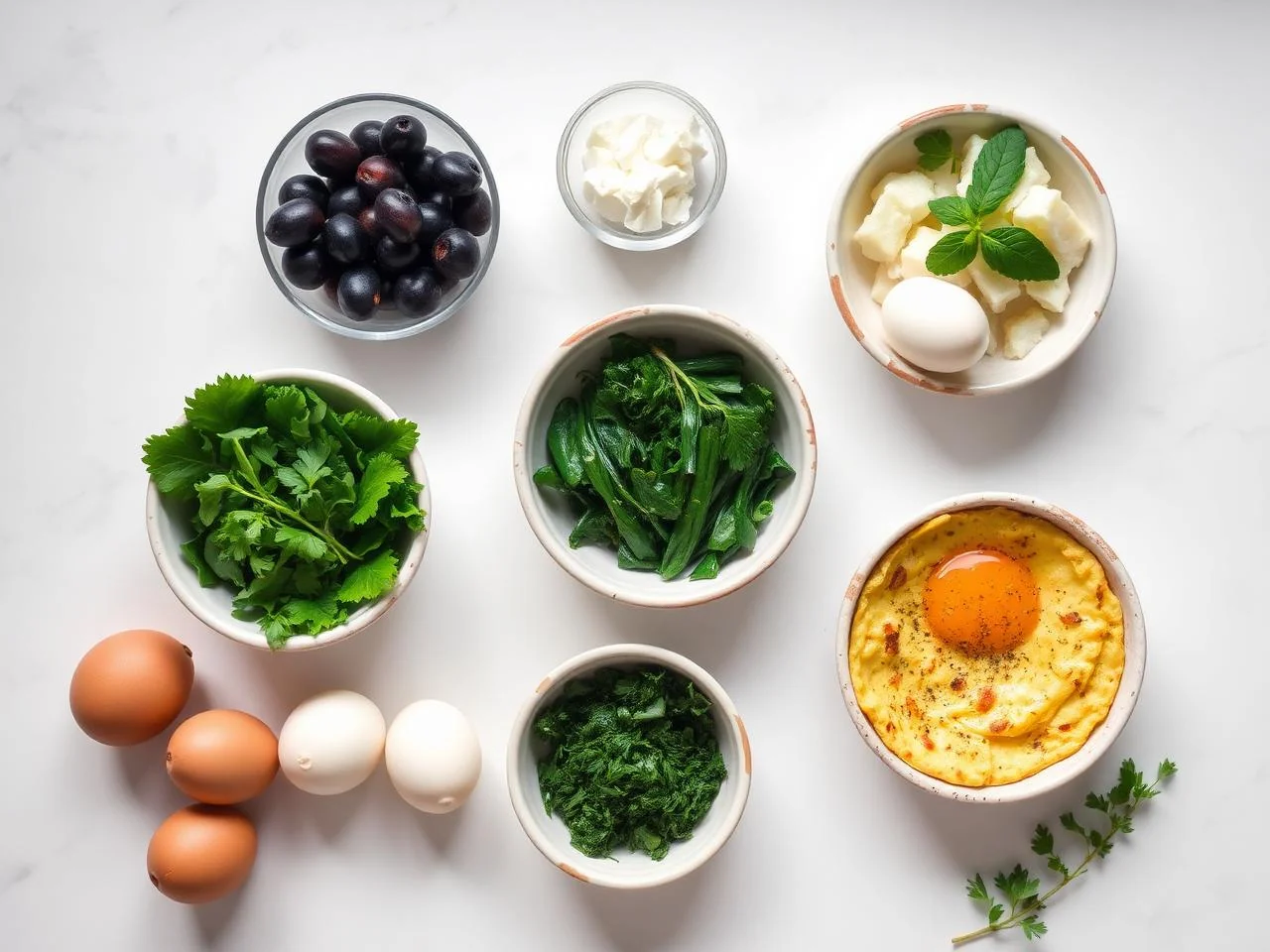
When it comes to making a frittata, the ingredients are just as important as the technique. You'll need a combination of eggs, vegetables, cheese, and seasonings to create a delicious and satisfying dish. In this recipe, we'll be using a mix of sautéed vegetables, rich cheese, and savory meats to create a flavor profile that's both hearty and comforting.
As you shop for ingredients, be sure to choose the freshest and highest-quality items you can find. This will ensure that your frittata is not only delicious but also visually appealing. From the vibrant colors of the vegetables to the creamy texture of the cheese, every ingredient plays a crucial role in the final dish.
- 6 large eggsFresh eggs are essential for a delicious frittata. Choose eggs that are rich in omega-3 fatty acids and have a high protein content for the best results.
- 1/2 cup diced onionOnions add a sweet and savory flavor to the frittata. You can use any type of onion you prefer, but yellow onions are a classic choice.
- 2 cloves garlic, mincedGarlic is a fundamental ingredient in many Italian dishes, including frittatas. Use fresh garlic for the best flavor and aroma.
- 1 cup diced bell peppersBell peppers add a pop of color and a crunchy texture to the frittata. You can use any color bell pepper you prefer, but red bell peppers are particularly sweet and flavorful.
- 1 cup diced zucchiniZucchini is a versatile summer squash that's perfect for frittatas. It adds moisture and flavor to the dish, and its mild taste won't overpower the other ingredients.
- 1 cup shredded cheddar cheeseCheddar cheese is a classic choice for frittatas, and for good reason. It melts beautifully and adds a rich, creamy flavor to the dish.
- 1/2 cup diced hamHam adds a salty, savory flavor to the frittata. You can use any type of ham you prefer, but Black Forest ham is a great choice for its rich, meaty flavor.
- 1/2 teaspoon saltSalt enhances the flavors of the other ingredients and helps to bring out the natural sweetness of the vegetables.
- 1/4 teaspoon black pepperPepper adds a subtle kick to the frittata and helps to balance out the flavors of the other ingredients.
- 2 tablespoons olive oilOlive oil is a healthy and flavorful choice for cooking the frittata. It adds a rich, fruity flavor to the dish and helps to bring out the natural flavors of the other ingredients.
Equipment You’ll Need
How to Make Frittata
- 1Preheat your oven to 375°F (190°C). This will ensure that the frittata cooks evenly and at the right temperature.
- 2In a large bowl, whisk together the eggs, salt, and pepper until well combined. This will help to break down the eggs and create a smooth, creamy texture.
- 3Heat the olive oil in a large heavy skillet or oven-safe sauté pan over medium-high heat. This will help to cook the vegetables and create a crispy, golden-brown crust on the frittata.
- 4Add the diced onion to the skillet and cook until it's translucent and starting to caramelize, about 5-7 minutes. This will bring out the natural sweetness of the onion and add depth to the frittata.
- 5Add the minced garlic to the skillet and cook for an additional 1-2 minutes, until fragrant. This will help to bring out the flavor of the garlic and add a punch to the frittata.
- 6Add the diced bell peppers and zucchini to the skillet and cook until they're tender, about 5-7 minutes. This will help to add moisture and flavor to the frittata, and create a delicious contrast in texture.
- 7Add the diced ham to the skillet and cook for an additional 1-2 minutes, until heated through. This will help to add a salty, savory flavor to the frittata and create a satisfying bite.
- 8Pour the whisked eggs over the vegetables and ham in the skillet. This will help to create a creamy, custard-like texture and bind the ingredients together.
- 9Sprinkle the shredded cheddar cheese over the top of the frittata. This will help to add a rich, creamy flavor and create a golden-brown crust.
- 10Transfer the skillet to the preheated oven and bake for 20-25 minutes, until the eggs are set and the cheese is melted and golden brown. This will help to cook the frittata evenly and create a delicious, satisfying crust.
- 11Remove the skillet from the oven and let the frittata rest for 5-10 minutes before slicing and serving. This will help the eggs to set and the cheese to cool, making it easier to slice and serve.
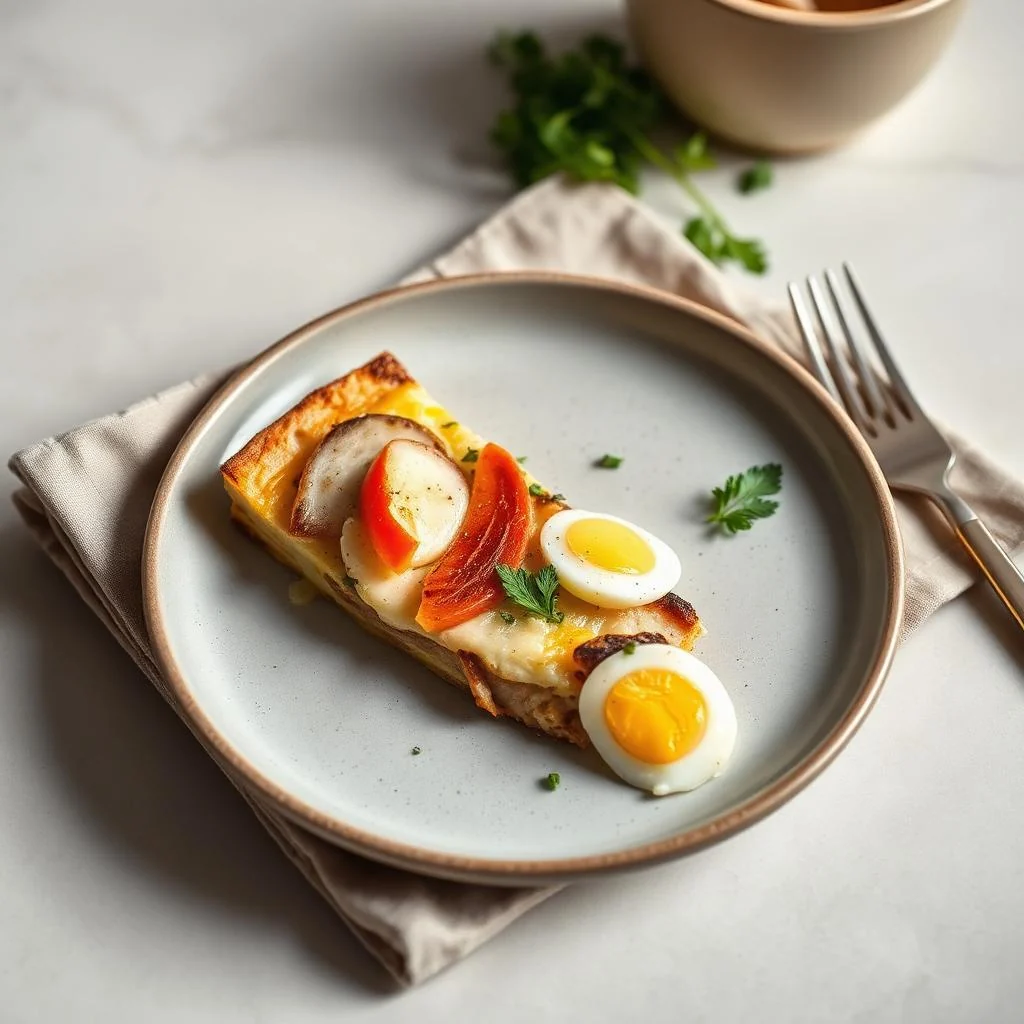
- 12Slice the frittata into wedges and serve hot, garnished with chopped fresh herbs or chives if desired. This will help to add a pop of color and freshness to the dish, and create a beautiful presentation.
Expert Tips
- Use fresh and high-quality ingredients to ensure the best flavor and texture.
- Don't overfill the skillet with vegetables and ham, as this can make the frittata difficult to cook and can result in a soggy texture.
- Use a combination of high heat and gentle stirring to achieve a perfectly cooked frittata.
- Let the frittata rest for a few minutes before slicing and serving to ensure that the eggs are set and the cheese is melted and golden brown.
- Experiment with different ingredients and flavor combinations to create a unique and delicious frittata.
- Use a thermometer to ensure that the frittata is cooked to a safe internal temperature of 160°F (71°C).
- Don't overcook the frittata, as this can result in a dry and rubbery texture.
- Let the frittata cool completely before refrigerating or freezing to ensure food safety.
Common Mistakes to Avoid
- Overfilling the skillet with vegetables and ham, resulting in a soggy texture.
- Not letting the frittata rest for a few minutes before slicing and serving, resulting in a runny or undercooked center.
- Not using fresh and high-quality ingredients, resulting in a lackluster flavor and texture.
- Overcooking the frittata, resulting in a dry and rubbery texture.
- Not using a thermometer to ensure that the frittata is cooked to a safe internal temperature.
- Not experimenting with different ingredients and flavor combinations to create a unique and delicious frittata.
Variations and Substitutions
- Add diced mushrooms or spinach to the frittata for added flavor and nutrition.
- Use different types of cheese, such as feta or goat cheese, for a unique flavor profile.
- Add cooked sausage or bacon to the frittata for a hearty and satisfying breakfast.
- Use leftover vegetables or meats to create a unique and delicious frittata.
- Add fresh herbs, such as parsley or basil, to the frittata for a bright and refreshing flavor.
- Use a combination of eggs and egg whites for a lighter and healthier frittata.
- Add diced tomatoes or bell peppers to the frittata for a burst of flavor and color.
What to Serve With Frittata
The frittata is a versatile dish that can be served at any time of day. It's perfect for breakfast, lunch, or dinner, and can be paired with a variety of sides and salads. Try serving it with a green salad, roasted vegetables, or a side of whole grain toast for a well-rounded and satisfying meal.
For a breakfast or brunch option, consider serving the frittata with a side of fresh fruit or yogurt. The sweetness of the fruit or yogurt will provide a nice contrast to the savory flavor of the frittata.
Make-Ahead, Storage, Freezing and Reheating
The frittata can be stored in the refrigerator for up to 3 days or frozen for up to 2 months. To refrigerate, let the frittata cool completely before wrapping it in plastic wrap or aluminum foil and storing it in the refrigerator.
To freeze, let the frittata cool completely before wrapping it in plastic wrap or aluminum foil and placing it in a freezer-safe bag. When you're ready to reheat, simply thaw the frittata overnight in the refrigerator or reheat it in the microwave or oven.
Reheating the frittata is easy and can be done in a variety of ways. Simply slice the frittata into wedges and reheat it in the microwave for 20-30 seconds, or reheat it in the oven at 350°F (180°C) for 5-10 minutes, until warmed through.
When reheating the frittata, be sure to check the internal temperature to ensure that it reaches a safe minimum of 160°F (71°C). This will help to prevent foodborne illness and ensure that the frittata is safe to eat.
Frequently Asked Questions
What is the best way to store a frittata?
The best way to store a frittata is to let it cool completely before wrapping it in plastic wrap or aluminum foil and storing it in the refrigerator or freezer.
Can I freeze a frittata?
Yes, you can freeze a frittata. Simply let it cool completely before wrapping it in plastic wrap or aluminum foil and placing it in a freezer-safe bag.
How do I reheat a frittata?
You can reheat a frittata in the microwave or oven. Simply slice the frittata into wedges and reheat it in the microwave for 20-30 seconds, or reheat it in the oven at 350°F (180°C) for 5-10 minutes, until warmed through.
What is the internal temperature of a cooked frittata?
The internal temperature of a cooked frittata should be at least 160°F (71°C) to ensure food safety.
Can I make a frittata ahead of time?
Yes, you can make a frittata ahead of time. Simply prepare the ingredients and cook the frittata as directed, then let it cool completely before refrigerating or freezing.
How long does a frittata last in the refrigerator?
A frittata can last for up to 3 days in the refrigerator when stored properly.
Can I use leftover vegetables in a frittata?
Yes, you can use leftover vegetables in a frittata. Simply chop the vegetables into small pieces and add them to the frittata along with the other ingredients.
What type of cheese is best for a frittata?
The best type of cheese for a frittata is a mild, melty cheese such as cheddar or mozzarella. You can also use other types of cheese, such as feta or goat cheese, for a unique flavor profile.
Ingredients
- 6 large eggs
- 1/2 cup diced onion
- 2 cloves garlic, minced
- 1 cup diced bell peppers
- 1 cup diced zucchini
- 1 cup shredded cheddar cheese
- 1/2 cup diced ham
- 1/2 teaspoon salt
- 1/4 teaspoon black pepper
- 2 tablespoons olive oil
Instructions
- Preheat your oven to 375°F (190°C). This will ensure that the frittata cooks evenly and at the right temperature.
- In a large bowl, whisk together the eggs, salt, and pepper until well combined. This will help to break down the eggs and create a smooth, creamy texture.
- Heat the olive oil in a large heavy skillet or oven-safe sauté pan over medium-high heat. This will help to cook the vegetables and create a crispy, golden-brown crust on the frittata.
- Add the diced onion to the skillet and cook until it's translucent and starting to caramelize, about 5-7 minutes. This will bring out the natural sweetness of the onion and add depth to the frittata.
- Add the minced garlic to the skillet and cook for an additional 1-2 minutes, until fragrant. This will help to bring out the flavor of the garlic and add a punch to the frittata.
- Add the diced bell peppers and zucchini to the skillet and cook until they're tender, about 5-7 minutes. This will help to add moisture and flavor to the frittata, and create a delicious contrast in texture.
- Add the diced ham to the skillet and cook for an additional 1-2 minutes, until heated through. This will help to add a salty, savory flavor to the frittata and create a satisfying bite.
- Pour the whisked eggs over the vegetables and ham in the skillet. This will help to create a creamy, custard-like texture and bind the ingredients together.
- Sprinkle the shredded cheddar cheese over the top of the frittata. This will help to add a rich, creamy flavor and create a golden-brown crust.
- Transfer the skillet to the preheated oven and bake for 20-25 minutes, until the eggs are set and the cheese is melted and golden brown. This will help to cook the frittata evenly and create a delicious, satisfying crust.
- Remove the skillet from the oven and let the frittata rest for 5-10 minutes before slicing and serving. This will help the eggs to set and the cheese to cool, making it easier to slice and serve.
- Slice the frittata into wedges and serve hot, garnished with chopped fresh herbs or chives if desired. This will help to add a pop of color and freshness to the dish, and create a beautiful presentation.