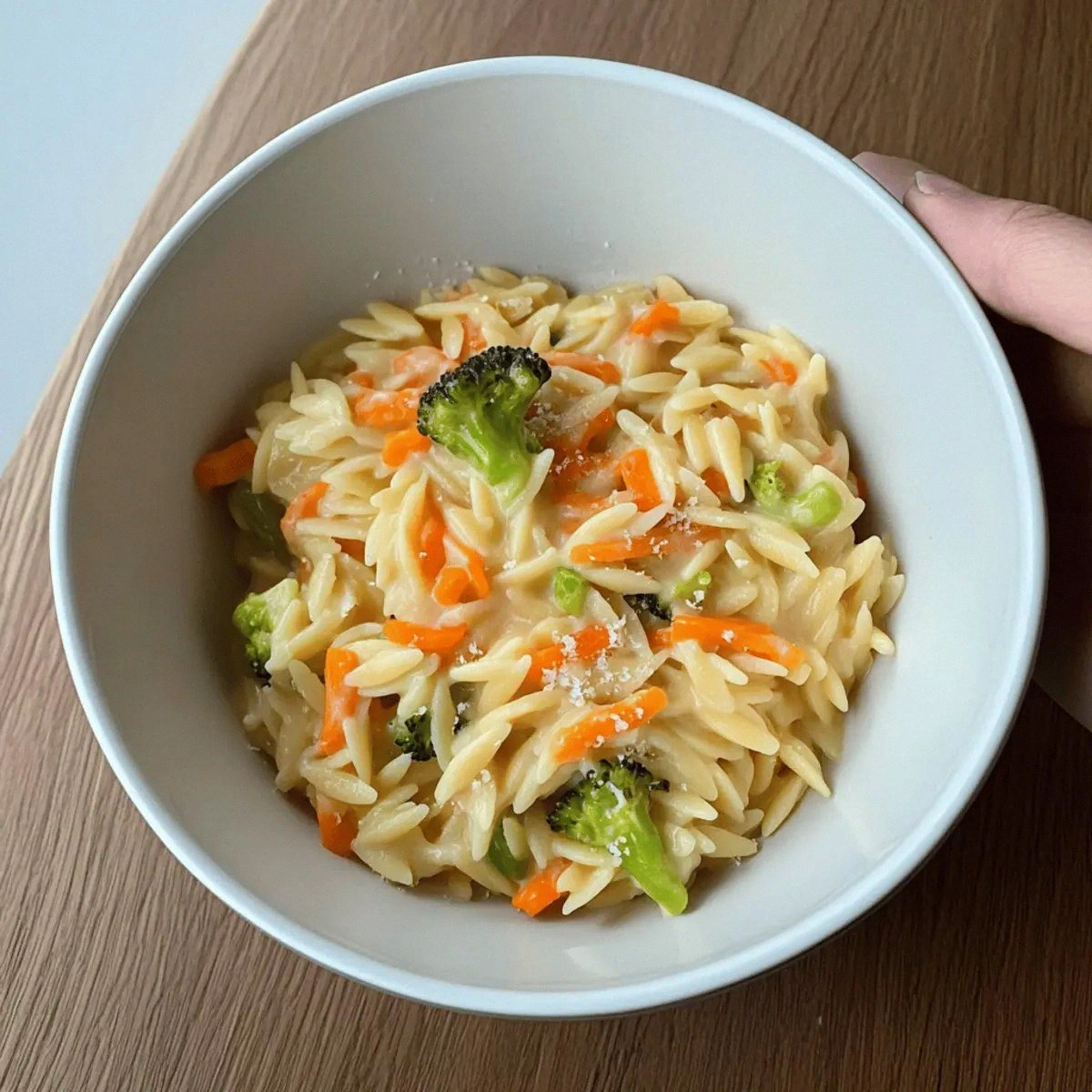
I’m about to drop a culinary bomb that will make your kitchen feel like a five‑star kid‑friendly bistro. Picture this: you’ve just survived a chaotic weekday, the kids are whining about “boring food,” and you’re staring at a pantry that looks like a desert of wilted veggies. I dared myself to turn that disaster into a masterpiece, and the result? Creamy Veggie Orzo: A Quick, Kid‑Approved Dinner Delight – a dish so comforting it practically tucks the little ones in at night. I’ll be honest — I ate half the batch before anyone else got a taste, and that’s a confession I’m willing to make because the flavor is that addictive.
The moment you open the pot, a buttery aroma of sautéed garlic and olive oil swoops in like a warm hug, and the Orzo swells up, soaking up the broth like a sponge at a spa. The veggies snap with a crispness that whispers “fresh,” while the cream cheese and Parmesan melt together into a sauce that coats every grain like velvet. You’ll hear the gentle simmer, feel the steam kiss your cheeks, and see the colors burst – bright green broccoli, orange‑carrot ribbons, and the occasional flash of zucchini or spinach. The whole kitchen becomes a theater of smells, sounds, and sights that make you want to shout, “I dare you to taste this and not go back for seconds!”
What makes this version stand out from the sea of Orzo recipes is the strategic layering of texture and flavor. Most recipes get this completely wrong by dumping everything in at once, resulting in a soggy, one‑note mess. Here, we start with a quick sear, then deglaze, then let the broth do the heavy lifting, and finally finish with a creamy finish that stays glossy without turning greasy. The secret weapon? A splash of chicken broth that’s been simmered with a bay leaf and a pinch of pepper, turning the liquid into a flavorful elixir that the Orzo drinks up eagerly.
And just when you think you’ve seen every twist, I’ll reveal a surprise ingredient that adds a pop of brightness and a nutritional punch – think of it as the plot twist in a thriller, only edible. So buckle up, because I’m about to walk you through every single step — by the end, you’ll wonder how you ever made it any other way. Okay, ready for the game‑changer?
What Makes This Version Stand Out
- Taste: The blend of cream cheese and Parmesan creates a sauce that’s rich without being cloying, and the chicken broth adds depth that sugar‑free sauces lack.
- Texture: Orzo stays al dente, veggies stay crisp, and the final creamy coat gives a luxurious mouthfeel that kids love.
- Simplicity: Only ten ingredients, one pot, and a 45‑minute window from start to finish – perfect for busy families.
- Uniqueness: The optional zucchini or spinach adds a green pop that most Orzo dishes skip, making the plate visually exciting.
- Crowd Reaction: Expect the “What’s in this? It’s amazing!” chorus from both kids and adults alike.
- Ingredient Quality: Using low‑sodium chicken broth and real Parmesan elevates the flavor profile dramatically.
- Cooking Method: The two‑stage simmer (first broth, then cream) locks in flavor while preventing over‑cooking.
- Make‑Ahead Potential: This dish reheats beautifully, and the sauce can be tweaked with a splash of milk for extra creaminess.
Alright, let's break down exactly what goes into this masterpiece...
Inside the Ingredient List
The Flavor Base
Olive oil is the silent hero here; its fruit‑forward notes carry the garlic into every nook of the pan. Two tablespoons is enough to coat the bottom without making the dish greasy, and the oil’s high smoke point means you can get a nice toasty aroma without burning. If you skip the oil, you’ll lose that initial “sizzle” that signals the start of something delicious. Swap tip: Use avocado oil for an even higher smoke point if you like a slightly buttery flavor.
Garlic, minced just before cooking, releases allicin – a compound that adds a punchy, aromatic backbone. Two cloves might sound modest, but they’re enough to perfume the broth without overwhelming the delicate veggies. If you’re sensitive, you can roast the garlic first for a sweeter, mellower note. Buying tip: Choose firm, unblemished heads; a fresh clove will snap cleanly when you press it.
The Texture Crew
Orzo is the star of the show. One cup of these rice‑shaped pasta pieces expands dramatically, soaking up the broth and delivering that perfect bite‑size chew. Overcooking Orzo turns it mushy, so keep an eye on the timer – 8‑9 minutes al dente is ideal. If you can’t find Orzo, try small shells or even couscous, but expect a different mouthfeel.
Broccoli and carrots bring color, crunch, and a subtle sweetness that balances the savory sauce. One cup each, cut into bite‑size florets and thin ribbons, ensures they cook through without losing their snap. Over‑steaming them would turn them limp, so add them halfway through the broth simmer. Swap tip: Use frozen peas for a pop of sweetness and a quick‑cook option.
The Unexpected Star
Zucchini or spinach adds a surprise green note and a boost of nutrients. I prefer spinach because it wilts quickly and blends seamlessly into the creamy sauce, but zucchini gives a pleasant bite if you like a firmer texture. Roughly one cup, chopped, is enough to distribute the green throughout the dish. If you’re avoiding greens, consider adding a handful of chopped fresh herbs like basil or parsley for a fresh finish.
Cooked chicken or beans provide protein, turning this from a side into a hearty main. One cup of diced chicken breast gives a lean, tender bite, while a cup of black beans adds a creamy, earthy depth for vegetarians. Both options soak up the sauce beautifully. Pro tip: Use a rotisserie chicken for convenience; just shred it and toss it in at the end.
The Final Flourish
Cream cheese, at four ounces, is the secret sauce builder that gives the dish its velvety texture. It melts into the hot broth, creating a luxurious mouthfeel that’s richer than plain milk but lighter than heavy cream. If you’re dairy‑free, substitute with a plant‑based cream cheese – the texture stays similar, though the tang will shift slightly.
Parmesan, half a cup, adds a salty, nutty finish that deepens the overall flavor. Grated fresh, it melts into the sauce and creates those little caramelized bits that cling to the Orzo. Skipping Parmesan is a crime; the dish loses its signature “cheesy kiss.” Buying tip: Look for Parmigiano‑Reggiano with a clear, granular texture – it indicates high quality and better melting.
Everything's prepped? Good. Let's get into the real action...
The Method — Step by Step
Heat a large, heavy‑bottomed saucepan over medium heat and drizzle in two tablespoons of olive oil. As soon as the oil shimmers, toss in the minced garlic and let it sizzle for about 30 seconds – you’ll hear a faint pop that signals the garlic is releasing its perfume. Watch this closely: If the garlic starts to brown too quickly, lower the heat; burnt garlic will give the entire dish a bitter edge.
Kitchen Hack: Use a silicone spatula to stir; it prevents the garlic from sticking and gives you better control over the heat.Next, add the Orzo directly into the pan, stirring constantly for two minutes. This toast‑and‑sauté step coats each grain with oil and garlic, creating a nutty foundation. You’ll notice the Orzo turning a light golden hue and emitting a faint toasted scent – that’s the flavor base locking in.
Deglaze the pan with a splash of chicken broth (about ¼ cup) to lift any caramelized bits stuck to the bottom. Those bits are flavor gold, and they’ll dissolve into the liquid, enriching the sauce. Let the broth bubble for a minute, then pour in the remaining 2¾ cups of broth, stirring to combine.
Watch Out: Adding cold broth too quickly can shock the pan, causing the Orzo to seize and become gummy. Warm the broth first.Bring the mixture to a gentle boil, then reduce to a simmer. Cover the pot and let it cook for eight minutes, stirring once halfway. You’ll see the Orzo absorbing the liquid, swelling like a sponge, while the broth reduces slightly, concentrating its flavor. At this point, the veggies are still raw, so we’ll introduce them soon.
While the Orzo simmers, prepare the vegetables. Cut one cup of broccoli into tiny florets and slice one cup of carrots into match‑stick pieces. If you’re using zucchini, dice it; if you prefer spinach, roughly chop it. Toss the veggies into a separate skillet with a drizzle of olive oil, sauté for three minutes until they’re just tender but still bright.
When the Orzo is almost done (about 7 minutes in), stir in the cooked chicken or beans. This is the moment of truth – the protein should be warmed through without overcooking. If you’re using pre‑cooked rotisserie chicken, it only needs a minute or two.
Now, reduce the heat to low and add the four ounces of cream cheese, breaking it into chunks. Stir continuously; the cheese will melt into a silky ribbon that coats every grain. Follow with the half‑cup of grated Parmesan, letting it melt and create those tiny, caramelized flecks that cling to the Orzo. The sauce should be glossy, not watery – if it looks thin, let it simmer uncovered for another minute.
Kitchen Hack: Add a splash of the warm broth you kept aside if the sauce looks too thick; it will loosen the texture without diluting flavor.Fold the sautéed vegetables (or spinach) into the pot, letting them mingle with the creamy Orzo. The green should wilt just enough to blend, while still showing its vibrant hue. Taste the dish; you’ll notice a perfect balance of salty Parmesan, buttery cream cheese, and the subtle earthiness of the broth.
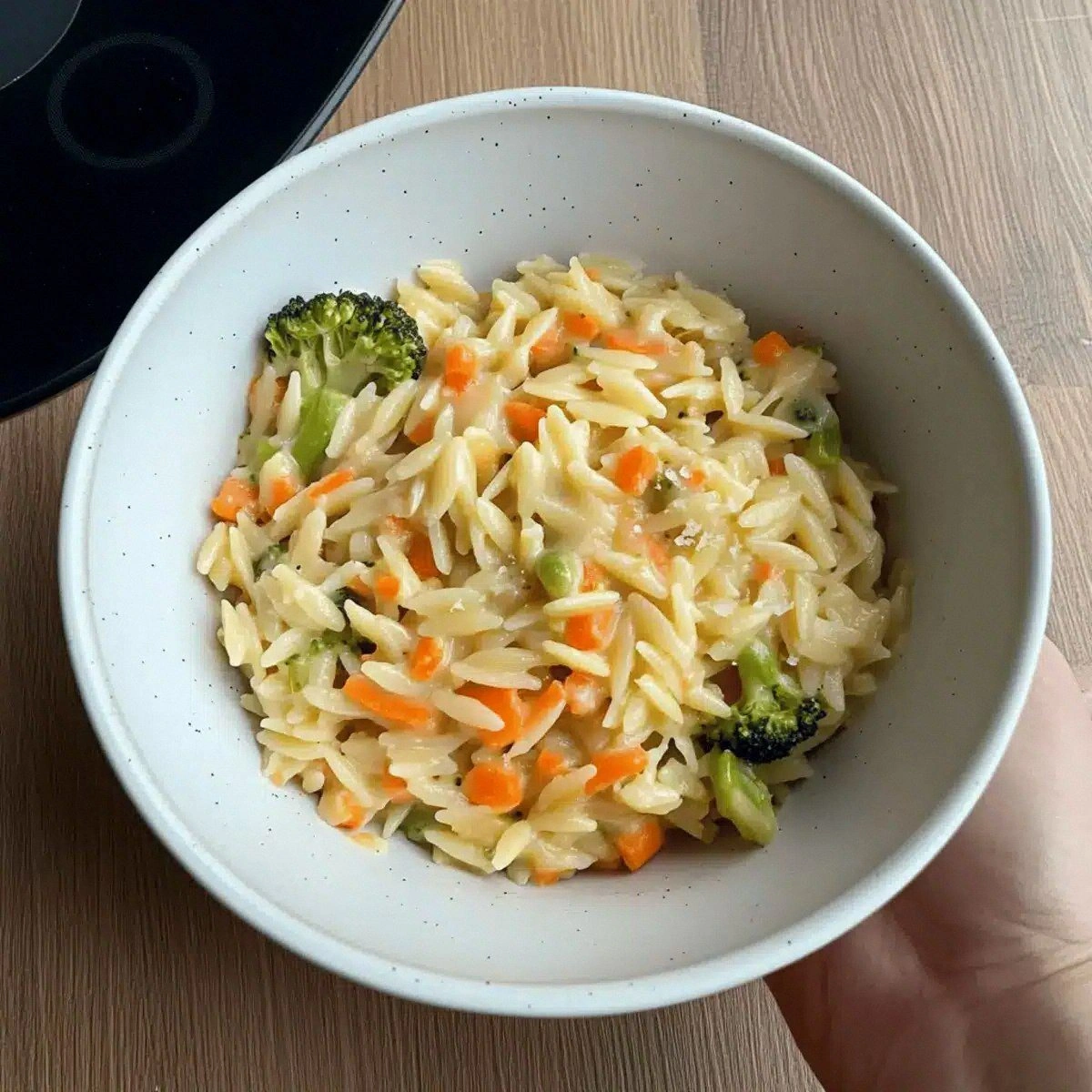
Finish with a generous pinch of freshly ground black pepper and, if you love a little zing, a squeeze of lemon juice. This brightens the dish and cuts through the richness, making it kid‑approved and adult‑approved alike. Serve immediately, and watch the kids dive in with forks that look like tiny swords. I dare you to taste this and not go back for seconds.
That's it — you did it. But hold on, I've got a few more tricks that'll take this to another level...
Insider Tricks for Flawless Results
The Temperature Rule Nobody Follows
Never start with a scorching pan; medium heat is the sweet spot for sautéing garlic without burning. I once cranked the heat to high, and the garlic turned black, sending the whole dish into bitter oblivion. Keep the temperature steady, and you’ll hear that gentle sizzle that tells you the aromatics are dancing, not screaming.
Why Your Nose Knows Best
Your sense of smell is a better indicator than a timer when it comes to the sauce’s readiness. When the cream cheese melts and you catch that nutty, toasty aroma, you know the Orzo is coated perfectly. If you’re unsure, lift the lid and inhale – if it smells like a cozy kitchen, you’re golden.
The 5‑Minute Rest That Changes Everything
After you turn off the heat, let the dish sit, covered, for five minutes. This rest lets the Orzo finish absorbing any remaining liquid, and the cheese settles into a silkier texture. Skipping this step is like serving a cake without letting it cool – the flavors won’t fully meld, and the sauce can look a little separated.
Seasoning in Layers
Add a pinch of salt at three different stages: with the broth, after the cheese melts, and right before serving. Layered seasoning builds depth, preventing the final dish from tasting flat. A friend tried skipping the middle seasoning and ended up with a bland plate; lesson learned.
The Secret Splash
If you’re reheating leftovers, add a splash of water or broth before microwaving. The steam revives the sauce, keeping it creamy instead of rubbery. It’s a tiny trick that makes leftovers taste like the original, fresh‑made version.
Creative Twists and Variations
This recipe is a playground. Here are some of my favorite ways to switch things up:
Mediterranean Breeze
Swap the chicken broth for vegetable broth, add sun‑dried tomatoes, and finish with crumbled feta and a drizzle of olive tapenade. The salty feta pairs beautifully with the creamy base, and the tomatoes bring a sweet‑tart contrast that kids love.
Spicy Southwest
Introduce a teaspoon of chipotle in adobo sauce, use black beans instead of chicken, and fold in corn kernels. Top with a dollop of Greek yogurt and a sprinkle of cilantro for a bright, smoky flavor that still feels comforting.
Cheesy Italian
Add a handful of shredded mozzarella and a spoonful of marinara sauce before the final cheese melt. The mozzarella stretches into gooey strings, while the marinara adds a tangy tomato backbone, turning the dish into a deconstructed baked ziti.
Herb‑Infused Green
Blend fresh basil, parsley, and a splash of pesto into the broth before adding the Orzo. The herbaceous notes infuse the pasta, and a garnish of pine nuts adds a pleasant crunch.
Lemon‑Garlic Delight
Add the zest of one lemon and a tablespoon of fresh lemon juice right before serving, and increase the garlic to three cloves. The citrus brightens the creaminess, making it a perfect spring or summer dinner.
Storing and Bringing It Back to Life
Fridge Storage
Transfer leftovers to an airtight container and store in the refrigerator for up to three days. The sauce may thicken as it cools; simply stir in a tablespoon of warm broth before reheating to restore its silky texture.
Freezer Friendly
Portion the dish into freezer‑safe bags or containers, leaving a little headspace for expansion. It freezes beautifully for up to two months. When ready to eat, thaw overnight in the fridge, then reheat gently on the stove, adding a splash of broth to bring back that fresh‑made creaminess.
Best Reheating Method
For the best texture, reheat on the stovetop over low heat, stirring constantly. Add a splash of water or broth and cover for two minutes; the steam will revive the Orzo and melt the cheese back into a glossy sauce. Microwaving works in a pinch, but be sure to stir halfway and add liquid to avoid a rubbery finish.