
Love this? Pin it for later! 📌
Why This Recipe Works
- One-pan wonder: The salmon and sauce cook in the same skillet, saving dishes and deepening flavor.
- Balanced glaze: Honey brings sweetness, soy adds umami depth, rice vinegar brightens, and a pinch of chili gives gentle heat.
- Flexible fish: Works with king, coho, or Atlantic; fresh or flash-frozen fillets.
- Fast flavor layering: Garlic and ginger sizzle for 30 seconds before the liquids hit, blooming aromatics instantly.
- Kid-approved sweetness: The honey tames soy’s saltiness, making it a gateway seafood for picky eaters.
- Meal-prep friendly: Glaze doubles, triples, keeps 5 days refrigerated; reheat gently and spoon over freshly seared salmon.
Ingredients You'll Need
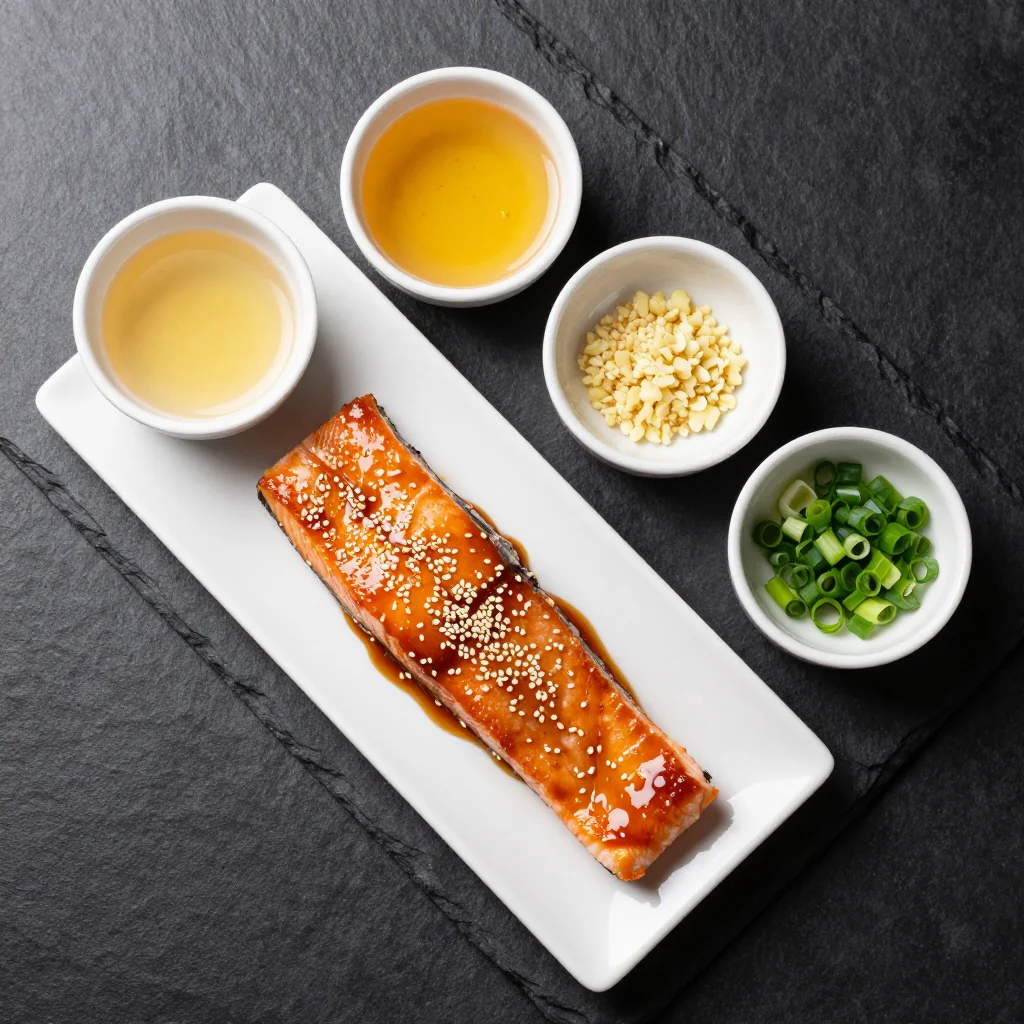
Great salmon starts at the seafood counter. Look for fillets that are moist, translucent coral, and never fishy-smelling—ocean breeze aroma is what you want. If you can press the flesh and it springs back, you’re golden. I aim for 1-inch thick center cuts; they cook evenly and stay buttery inside while the exterior caramelizes. Skin-on or skin-off is your call; I keep the skin because it crisps into a savory “salmon bacon” that my dog and I battle for.
Salmon: Four 6-oz portions feed my family of four with leftover rice. Wild-caught coho is my sustainable pick; it’s leaner, so watch the clock. Farm-raised Atlantic is richer and forgiving if you get distracted by homework questions.
Honey: A floral wildflower honey perfumes the glaze, but any liquid honey works. Avoid crystallized honey unless you warm it first; you need it pourable to coat the fish. Maple syrup is a cozy swap in winter.
Soy sauce: Low-sodium lets me reduce without over-salting. Tamari keeps it gluten-free; coconut aminos lower sodium even more and add subtle sweetness.
Rice vinegar: Adds the acid lift that balances sweet and salty. No rice vinegar? Apple-cider or fresh lime juice steps in.
Sesame oil: Just a teaspoon toasted in the pan whispers nutty aroma throughout the dish. A little goes far; store the bottle in the fridge so it stays fresh.
Garlic & Ginger: Micro-planed or finely minced so they dissolve into the glaze. Fresh is non-negotiable here; powdered versions muddy the finish.
Red-pepper flakes: Optional but recommended for adults. I hold them until the end so kids’ portions stay mild.
Cornstarch: A half-teaspoon slurry tightens the sauce so it lacquers the salmon rather than puddling. Arrowroot works for paleo friends.
Garnish: Toasted sesame seeds for crunch, scallions for color, and maybe a shower of cilantro if you’re feeding herb-lovers. Keep a zip-bag of pre-toasted seeds in the freezer; they last months.
How to Make Honey Soy Salmon for a Quick and Delicious Dinner
Pat and season the salmon
Remove fillets from the fridge 10 minutes early so they temper—cold fish seizes in a hot pan. Blot both sides with paper towels; moisture is the enemy of crust. Season flesh side only with ½ tsp kosher salt and ¼ tsp black pepper per fillet.
Whisk the glaze
In a 2-cup glass measure, combine ¼ cup honey, 3 Tbsp soy sauce, 1 Tbsp rice vinegar, and ¼ tsp cornstarch. Stir until cornstarch dissolves completely; this prevents lumps later. Keep the red-pepper flakes nearby but don’t add yet.
Heat the skillet
Choose a 12-inch stainless or cast-iron pan with a tight lid. Set over medium-high heat. Add 2 tsp neutral oil (avocado or grapeseed) and 1 tsp toasted sesame oil. When the surface shimmers but isn’t smoking, you’re ready. Drop a sesame seed—if it dances, the temp is right.
Sear skin-side up
Lay salmon in the pan presentation-side down. Do not crowd; if your skillet is small, work in batches. Press gently with a spatula for 10 seconds to ensure full contact. Sear 3 minutes for 1-inch fillets. The goal is deep amber edges and easy release—if it sticks, wait another 30 seconds and try again.
Flip and sear skin
Turn fillets with a thin fish spatula. Reduce heat to medium; cook 2 minutes. Skin will blister and crisp. If you’re using skinless, still flip and cook 2 minutes for even color.
Aromatics in
Push salmon to one side. Add 1 tsp more oil if the pan looks dry. Drop in 2 minced garlic cloves and 1 Tbsp grated ginger; stir 30 seconds until fragrant but not browned. Burnt garlic turns bitter and will hijack your sauce.
Add the glaze
Pour honey-soy mixture around the fillets. It will bubble and thicken within 60 seconds. Tilt the pan and spoon glaze over the top of each fillet to coat. If using chili, add a pinch now to the liquid, not the kids’ pieces.
Simmer to lacquer
Cover pan, reduce heat to low, and cook 2 final minutes. Internal temp should read 125 °F for medium-rare (translucent center) or 135 °F for medium. The glaze will turn syrupy and cling like candy. Remove from heat immediately; carry-over cooking happens fast.
Rest and garnish
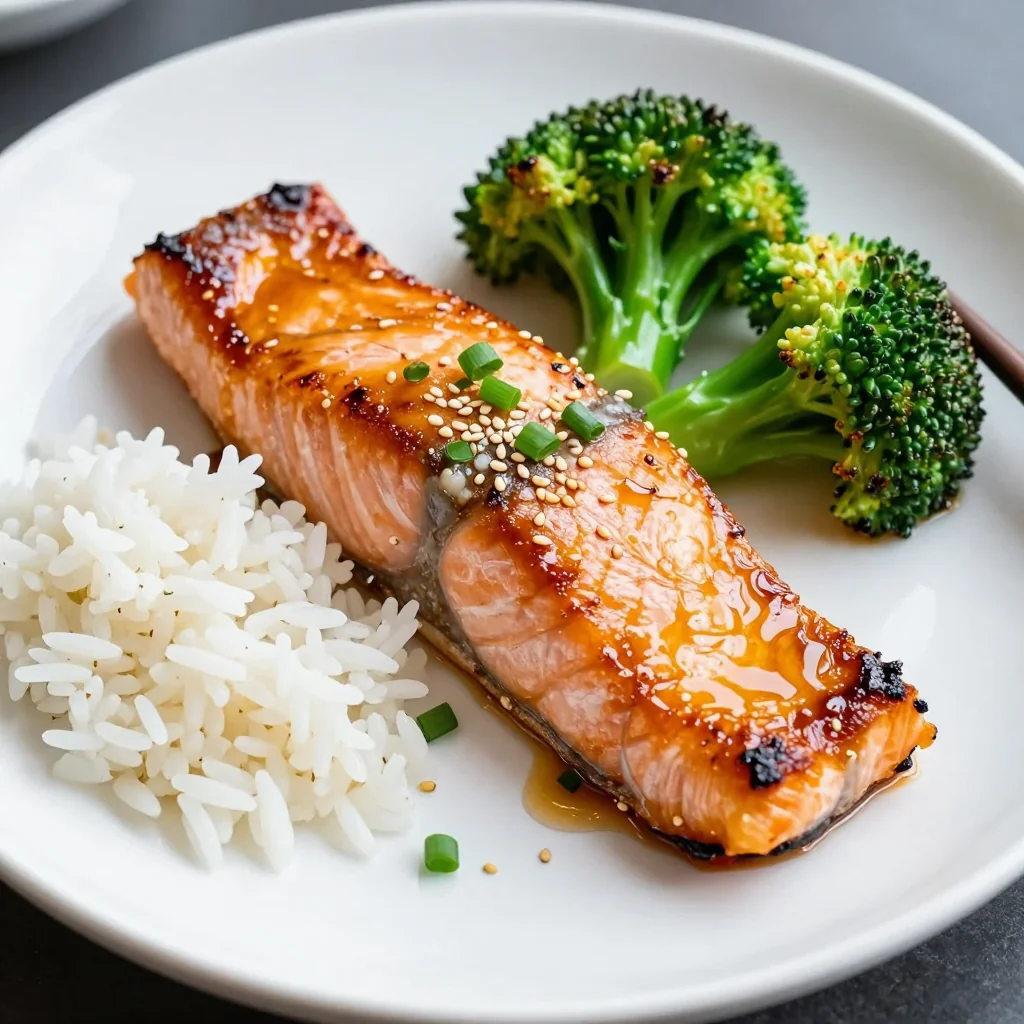
Transfer fillets to a warm plate loosely tented with foil; rest 3 minutes. Meanwhile return skillet to medium heat; reduce any remaining sauce to the consistency of warm maple syrup. Drizzle over salmon, then shower with sesame seeds and scallions. Serve immediately.
Expert Tips
Control the heat
Salmon loves medium-high, not nuclear. If the oil smokes wildly, your pan is too hot and the glaze will burn before it reduces. Slide the skillet off heat for 30 seconds to cool quickly.
Dry equals crispy
A 10-minute air-dry on a rack in the fridge after patting dry gives you next-level crust. Time permitting, do it; if not, extra-thorough paper-towel blotting still works.
Make-ahead glaze
Double the glaze and refrigerate up to 5 days. Bring to room temp before using so honey dissolves easily and doesn’t seize when it hits the hot pan.
Don’t overcook
Remember salmon continues cooking after you remove it. Pull at 125 °F for medium-rare; the center will be coral and creamy, not chalky.
Even thickness
If your fillet is thick at one end and thin at the other, fold the thin tail underneath to create a uniform slab; this prevents dry edges and raw centers.
Skin crisp bonus
Once salmon rests, peel off the skin, return it to the hot skillet skin-side down for 30 seconds, and you have a crunchy chip for topping salads—or snacking.
Variations to Try
-
Miso upgrade: Swap 1 Tbsp soy for white miso paste; it deepens savoriness and thickens the glaze naturally.
-
Citrus twist: Add 1 tsp yuzu or orange zest plus 1 Tbsp juice for a bright winter version.
-
Keto-friendly: Replace honey with allulose or brown-sugar monk-fruit; note the glaze will be slightly thinner.
-
Vegetarian swap: Use firm tofu slabs; press 30 minutes, sear the same way, and baste with the glaze.
-
Smoky finish: After stovetop lacquering, torch the top with a kitchen torch for campfire notes.
Storage Tips
Refrigerate: Cool salmon completely, transfer to airtight glass, and refrigerate up to 3 days. To reheat, place fillet in a covered skillet with a splash of water over low heat 4 minutes; glazing again with reserved sauce revives shine. Microwaving is fast but dulls the glaze—use 50 % power in 20-second bursts.
Freeze: Wrap each cooled fillet tightly in parchment, then foil, then a freezer bag; freeze up to 2 months. Thaw overnight in the fridge and reheat as above. Expect a slightly softer texture but flavor remains stellar.
Glaze alone: Store extra glaze in a small jar; it firms when cold. Microwave 10 seconds to liquefy, then drizzle over roasted veggies or grilled chicken all week.
Frequently Asked Questions

Honey Soy Salmon for a Quick and Delicious Dinner
Ingredients
Instructions
- Prep salmon: Pat fillets dry, season flesh with salt and pepper. Let stand 10 minutes.
- Make glaze: Whisk honey, soy sauce, rice vinegar, and cornstarch until smooth.
- Sear: Heat neutral oil and sesame oil in a 12-inch skillet over medium-high. Sear salmon 3 minutes skin-side up. Flip, cook 2 minutes.
- Aromatics: Push salmon aside; sauté garlic and ginger 30 seconds.
- Glaze: Pour honey mixture into pan; spoon over salmon. Add chili if using. Cover, reduce heat to low, cook 2 minutes until syrupy.
- Serve: Rest 3 minutes, garnish with sesame seeds and scallions.
Recipe Notes
For extra shine, brush fillets with a teaspoon of warm honey just before garnishing. Do not overcook; salmon continues cooking off heat.