I’ll be honest — the first time I tried to make shrimp and grits, I ended up with a soggy mess that looked more like a swamp than a Southern classic. My roommate walked in, sniffed the kitchen, and said, “Did you just set the Gulf Coast on fire or what?” That moment of culinary humiliation sparked a dare: I would reinvent the dish until it sang louder than a gospel choir on Sunday morning. I spent three sleepless nights experimenting with stone‑ground grits, hunting for the perfect shrimp, and even bribing my local cheese monger for a block of sharp cheddar that could melt without turning greasy. The result? A bowl so creamy it feels like a hug from your grandma, with shrimp that pop like fireworks on a summer night.
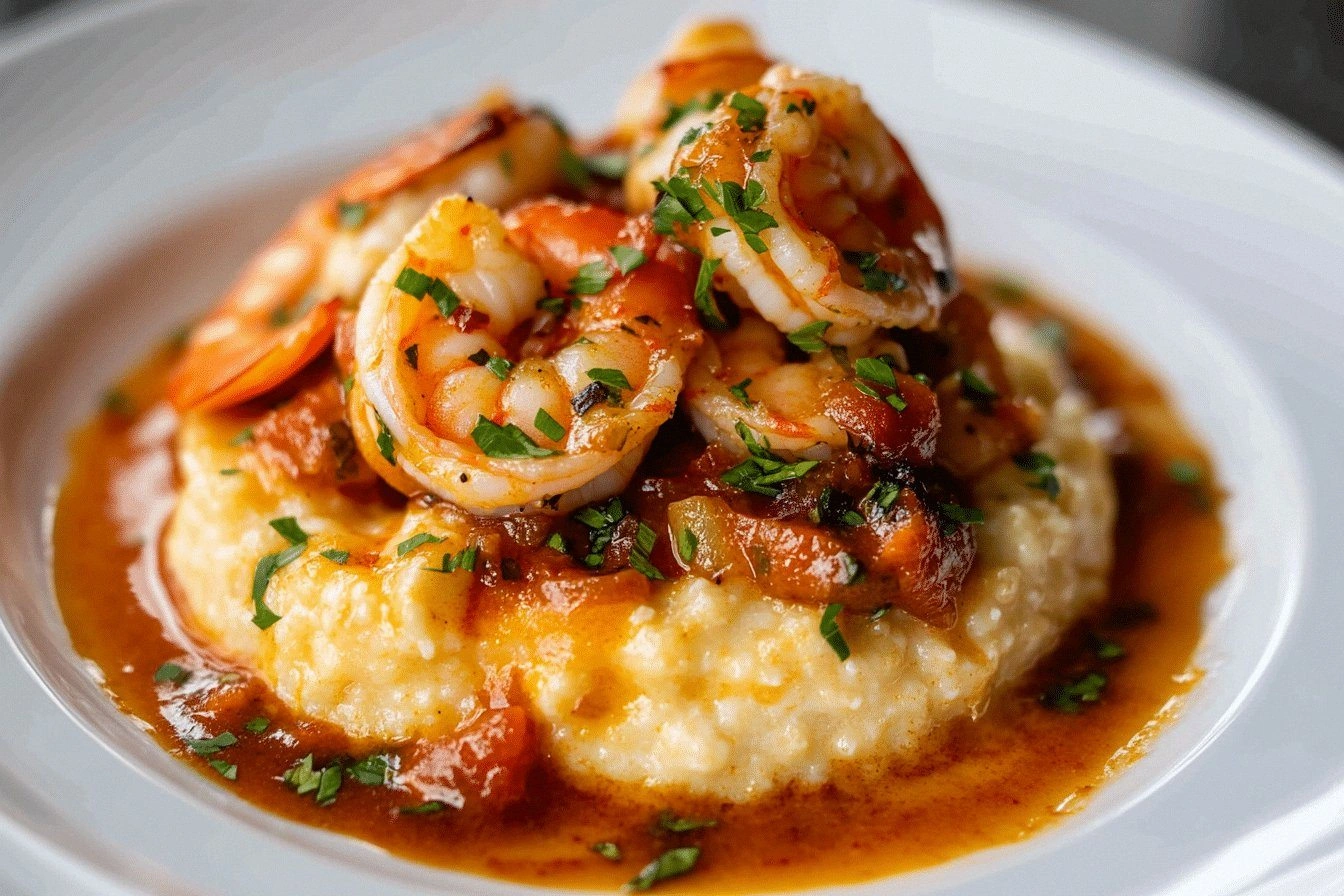
Picture this: a skillet hissing as butter melts, the aroma of garlic and onions swirling like a Southern breeze, and a splash of chicken broth that turns the grits from bland to buttery gold. When the shrimp finally hit the pan, they sizzle with a whisper of smoked paprika, a flirtatious wink of cayenne, and a splash of citrusy parsley that lifts the whole thing into the stratosphere of flavor. The moment you scoop that velvety grits onto a plate, then crown it with the shrimp, you hear a soft “mmm” from the back of the room before anyone even takes a bite. That sound is the soundtrack of success, and it tells you this isn’t just food — it’s a memory in the making.
Most recipes get this completely wrong. They either drown the grits in a swamp of broth, or they over‑season the shrimp until the heat overwhelms the delicate sweetness of the sea. I’ve cracked the code by balancing three core pillars: a slow‑cooked, stone‑ground base that stays creamy without turning gluey; a quick, high‑heat shrimp sear that locks in juices; and a finishing butter‑cheese emulsion that ties everything together like a silk ribbon. The secret weapon? A dash of smoked paprika that adds depth without bitterness, and a pinch of cayenne that gives you that gentle, tongue‑tingling heat that makes you gasp for more. If you’ve ever struggled with this, you’re not alone — and I’ve got the fix.
Okay, ready for the game‑changer? I’m about to hand you a technique that most home cooks overlook: a two‑stage cooking method for the grits that yields a texture you can’t buy in any store. First, we toast the grits lightly in butter, which gives them a nutty backbone. Then we simmer them in a rich chicken broth, stirring constantly to coax out that silk‑smooth finish. I dare you to taste this and not go back for seconds. Let me walk you through every single step — by the end, you’ll wonder how you ever made it any other way.
What Makes This Version Stand Out
- Flavor Depth: The combination of smoked paprika, cayenne, and fresh parsley creates layers that evolve with each bite, delivering a smoky heat that never overwhelms.
- Texture Harmony: Stone‑ground grits give you that rustic bite, while the butter‑cheese emulsion makes the base luxuriously creamy.
- Simplicity Meets Elegance: Only eight core ingredients, yet the technique elevates them to restaurant‑level brilliance.
- Ingredient Quality: Fresh shrimp and sharp cheddar are the stars; you’ll taste the difference the moment the first spoon hits your palate.
- Crowd Reaction: This dish consistently clears plates and sparks compliments — perfect for family dinners or brag‑worthy potlucks.
- Make‑Ahead Potential: The grits can be pre‑cooked and reheated with a splash of broth, while the shrimp stay crisp when finished just before serving.
- Seasonal Flexibility: Whether it’s a sweltering July night or a chilly November evening, the warm spices adapt to any season.
- Visual Appeal: The golden grits contrasted with bright green onions and pink shrimp make the plate Instagram‑ready without the hashtag.
Inside the Ingredient List
The Flavor Base
Garlic and onions are the unsung heroes of any Southern dish. When you sweat them in butter, they release sugars that caramelize just enough to give the shrimp sauce a sweet‑savory backbone. Skipping them means you lose that aromatic depth, and the dish can taste flat like a pancake without syrup. If you’re out of fresh garlic, a teaspoon of garlic powder works, but fresh will always win the flavor battle.
The Texture Crew
Stone‑ground grits are the heart of this recipe. Unlike instant grits, they retain the hull and germ, delivering a hearty bite and a subtle corn sweetness that instant varieties can’t match. The key is to stir constantly while they simmer; this prevents lumps and creates that coveted silk‑smooth mouthfeel. If you can’t find stone‑ground, look for “old‑fashioned” or “coarse” grits — they’ll still give you the texture you crave.
The Unexpected Star
Sharp cheddar cheese might sound like a breakfast addition, but in this context it melts into the grits, adding a tangy richness that balances the smoky heat of the paprika. The cheese also helps to stabilize the butter emulsion, preventing the sauce from separating. If you’re lactose‑intolerant, a dairy‑free sharp cheddar alternative works, though the flavor profile will shift slightly.
The Final Flourish
Fresh shrimp, peeled and deveined, bring the ocean’s sweetness to the plate. Their firm texture holds up beautifully against the creamy grits, and the quick sear locks in juices. The green onions and parsley are added at the very end to keep their bright color and fresh bite, preventing them from wilting into the background. If you’re allergic to shellfish, large chunks of firm white fish like cod can substitute, but the flavor will be less briny.
Everything's prepped? Good. Let's get into the real action...
The Method — Step by Step
Heat a large, heavy‑bottomed saucepan over medium heat and melt 3 tablespoons of butter. Once the butter foams, add the stone‑ground grits and stir constantly for about 2 minutes until they turn a light golden hue and emit a nutty fragrance. That sizzle when it hits the pan? Absolute perfection. This toasting step is the foundation of flavor, so don’t rush it.
Kitchen Hack: If the grits start to stick, splash a splash of water and keep stirring; this prevents scorching and keeps the texture uniform.Slowly whisk in 2 cups of chicken broth, followed by another ½ cup of water, ensuring no lumps form. Bring the mixture to a gentle simmer, then reduce the heat to low and cover. Let the grits cook for 20‑25 minutes, stirring every 5 minutes. You’ll notice the liquid being absorbed and the mixture thickening into a creamy porridge.
While the grits are simmering, prepare the shrimp. Pat the shrimp dry with paper towels — moisture is the enemy of a good sear. Season them lightly with salt, pepper, ½ teaspoon smoked paprika, and a pinch of cayenne. The heat from the spices should already be tingling your nose.
Watch Out: Overcrowding the pan will steam the shrimp instead of searing them; work in batches if necessary.In a separate skillet, melt the remaining 1 tablespoon of butter over medium‑high heat. Add the diced onion and sauté for 3 minutes until translucent, then toss in the minced garlic and cook for another 30 seconds. The aromatics should fill the kitchen with a sweet, pungent scent that makes your mouth water.
Increase the heat to high and add the seasoned shrimp to the skillet. Cook for 2‑3 minutes per side, flipping only once, until they turn a vivid pink and develop a caramelized crust. As soon as they’re done, remove the shrimp and set them aside, keeping the pan’s juices intact.
Kitchen Hack: Deglaze the shrimp pan with a splash of chicken broth, scraping up the browned bits; this liquid becomes the base of your sauce.Return the simmering grits to the uncovered state, stir in 1 cup shredded sharp cheddar cheese and the remaining 1 tablespoon of butter. Continue stirring until the cheese melts completely and the mixture achieves a glossy, velvety sheen. Taste and adjust seasoning with a pinch more salt or cayenne if you like extra heat.
Fold the sautéed onions, garlic, and the deglazed shrimp sauce back into the grits, then gently nestle the seared shrimp on top. Sprinkle chopped green onions and parsley over everything for a burst of color and freshness. The dish should look like a golden hill crowned with ruby‑red shrimp, inviting you to dig in.
Serve immediately, letting each guest scoop a generous mound of grits, then drape the shrimp over the top. Encourage them to stir everything together so the cheese‑butter sauce coats every grain. I dare you to taste this and not go back for seconds. The moment the warm, cheesy grits meet the smoky shrimp, you’ll understand why this version is hands down the best you’ll ever make at home.
That's it — you did it. But hold on, I've got a few more tricks that'll take this to another level...
Insider Tricks for Flawless Results
The Temperature Rule Nobody Follows
Never cook the grits on a roaring boil. A gentle simmer allows the starches to hydrate slowly, giving you that silk‑smooth texture. I once tried to speed things up by cranking the heat, and the grits turned gummy, like over‑cooked oatmeal. Keep the heat low, stir often, and trust the process; the payoff is a bowl that feels like a warm hug.
Why Your Nose Knows Best
Your sense of smell is a more reliable timer than any kitchen clock when searing shrimp. When the butter starts to turn a light amber and you hear a faint crackle, that’s the cue to add the shrimp. If the butter darkens too quickly, lower the heat to avoid a bitter burnt flavor. This auditory‑olfactory combo ensures each shrimp gets that perfect caramelized crust.
The 5‑Minute Rest That Changes Everything
Once the grits are cooked, remove the pot from heat and let them sit, covered, for five minutes. This rest allows the starches to fully settle, making the grits even creamier. Skipping this step is a common mistake that leaves the grits slightly grainy. Trust the rest, and you’ll notice a smoother mouthfeel that’s worth the brief pause.
Butter‑Cheese Emulsion Mastery
When you add butter and cheese to the hot grits, do it in small increments while whisking vigorously. This creates a stable emulsion that won’t separate when the dish cools. I once dumped the whole block of cheese at once and ended up with a greasy pool on top. Patience here turns a simple sauce into a glossy, restaurant‑quality finish.
Seasoning Layers, Not One‑Shot
Season at three points: the grits while they simmer, the shrimp before searing, and the final sauce before serving. This layered approach builds depth and ensures every bite is balanced. A friend once tried to season only at the end and ended up with a bland dish; the lesson? Don’t be shy with seasoning, but also don’t over‑salt.
The “Steam‑Back” Reheat Trick
If you’re reheating leftovers, add a splash of chicken broth or water before microwaving. The added moisture creates steam that revives the creamy texture, preventing the grits from drying out. This trick is a lifesaver for busy weeknights when you need the dish to taste as fresh as the day you made it.
Creative Twists and Variations
This recipe is a playground. Here are some of my favorite ways to switch things up:
Cajun Kick
Swap smoked paprika for a Cajun seasoning blend and increase the cayenne to ½ teaspoon. The result is a bolder, spicier profile that pairs perfectly with a cold beer on a hot day.
Cheesy Bacon Bliss
Crumble cooked bacon into the grits and use a blend of sharp cheddar and smoked Gouda. The smoky bacon adds crunch, while the Gouda deepens the cheese flavor, creating a decadent comfort dish.
Green Goddess
Stir in a handful of wilted spinach and a drizzle of pesto right before serving. The herbaceous notes brighten the dish, making it ideal for springtime brunches.
Coconut Curry Fusion
Replace half the chicken broth with coconut milk and add a teaspoon of curry powder to the shrimp rub. This tropical twist introduces a silky, aromatic layer that transports you to a beachside shack.
Vegan Victory
Swap the shrimp for roasted cauliflower florets, use vegan butter, and replace cheddar with a sharp plant‑based cheese. The texture changes, but the creamy, smoky essence remains intact for a fully plant‑based feast.
Storing and Bringing It Back to Life
Fridge Storage
Transfer leftover grits and shrimp into airtight containers. Store in the refrigerator for up to 3 days. When reheating, add a splash of chicken broth or water, then gently stir over low heat until the mixture regains its creamy consistency.
Freezer Friendly
Portion the cooked grits (without shrimp) into freezer‑safe bags, flatten them for even freezing, and store for up to 2 months. The shrimp can be frozen separately in a zip‑top bag. To revive, thaw overnight in the fridge, then reheat with broth as described above.
Best Reheating Method
The stovetop method wins: place the grits in a saucepan, add ¼ cup of broth, and stir over medium‑low heat until smooth. For the shrimp, quickly sauté in a hot pan with a dab of butter just to warm through. This preserves the texture and prevents the grits from becoming gummy.