I once tried to make a classic Christmas fruit cake for a holiday potluck, and the result was a dense, soggy slab that could barely hold a fork. The kitchen smelled like a damp attic, and my guests politely pretended to enjoy it while I stared at the clock, daring myself to finish the night without a second helping. That disaster sparked a mission: to reinvent the fruit cake loaf so that it becomes the star of any festive table, not the awkward side note.
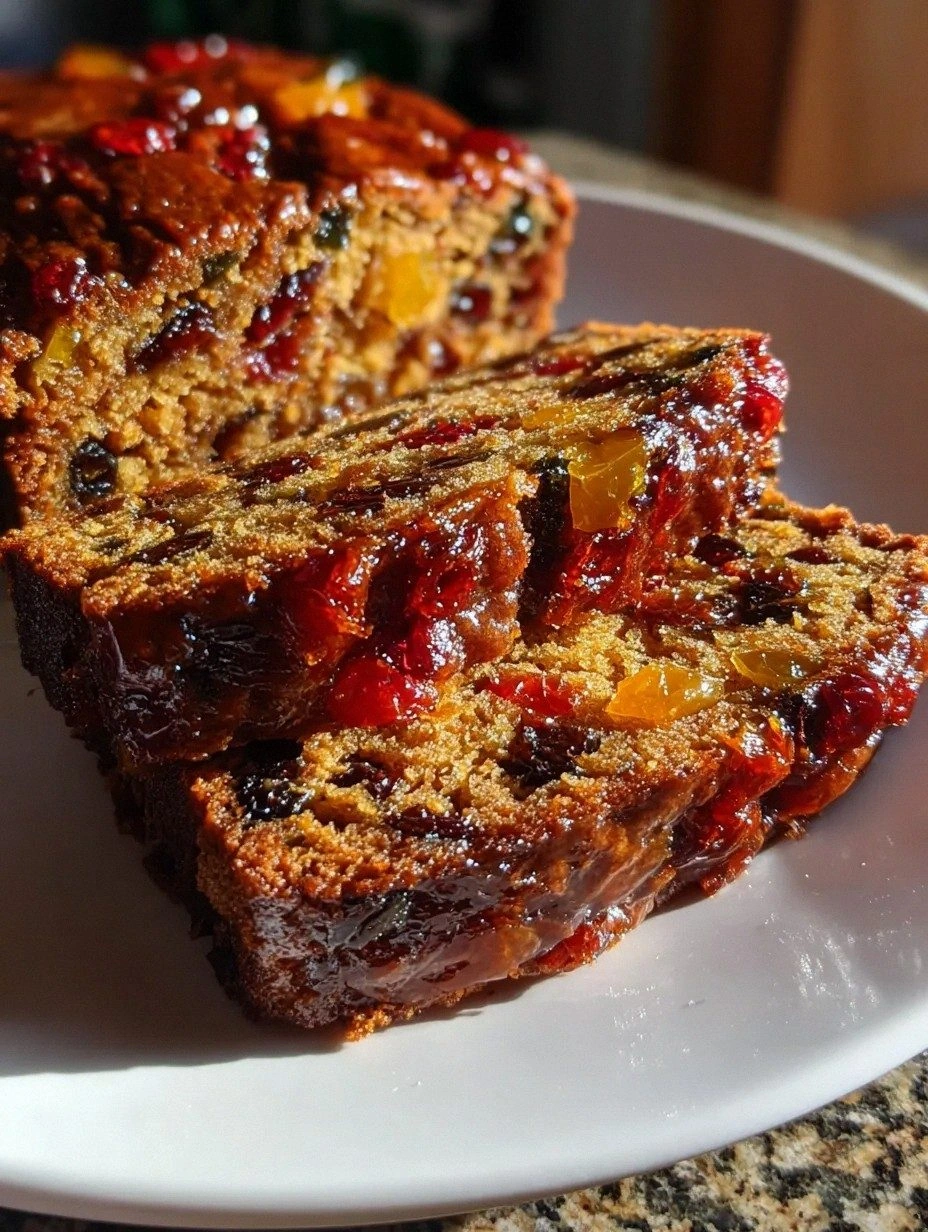
Picture this: a loaf that rises like a winter sunrise, its crust a deep mahogany that crackles under the knife, and the interior a symphony of caramelized dried fruit, toasted nuts, and a whisper of orange zest that dances on the tongue. As the loaf bakes, the kitchen fills with a perfume that blends the spice‑laden warmth of cinnamon and clove with the sweet, boozy perfume of brandy‑soaked raisins. You’ll hear the occasional pop from the oven as the batter expands, and you’ll feel the anticipation building with every minute that passes.
What sets this version apart is a handful of game‑changing tricks that most recipes completely overlook. First, we soak the dried fruit overnight in a blend of brandy, orange juice, and a splash of honey, creating a liquid gold that keeps the cake moist for weeks. Second, we fold in a light, airy batter made from beaten eggs and melted butter, giving the loaf a tender crumb that’s almost cake‑like, yet still rich enough to satisfy a true fruit‑cake aficionado. Finally, we finish the loaf with a thin glaze of brandy‑infused apricot jam that sets into a glossy, slightly tacky finish—pure holiday magic.
I’ll let you in on a secret ingredient that most bakers keep under lock and key: a pinch of finely ground almond flour. It adds a subtle nuttiness that amplifies the toasted walnut pieces and keeps the crumb from becoming too crumbly. Trust me, you’ll be the talk of the party when you slice into a loaf that looks like a work of art and tastes like a memory of Christmas mornings from decades past. Let me walk you through every single step — by the end, you’ll wonder how you ever made it any other way.
What Makes This Version Stand Out
- Depth of Flavor: The overnight soak in brandy and orange juice injects every morsel with a boozy brightness that cuts through the sweetness.
- Moisture Mastery: By beating the eggs and butter into a fluffy ribbon, we trap air that expands during baking, keeping the loaf from drying out.
- Texture Harmony: The combination of soft dried fruit, crunchy walnuts, and a delicate crumb creates a mouthfeel that’s both satisfying and elegant.
- Simplicity: Despite the impressive results, the recipe uses pantry staples and requires no fancy equipment—just a loaf pan and a little patience.
- Unique Finish: A glaze of apricot jam mixed with brandy gives the loaf a glossy, festive sheen that looks as good as it tastes.
- Make‑Ahead Power: This loaf actually improves after a day or two, as the flavors meld and the moisture redistributes.
- Universal Appeal: Even the most skeptical eaters admit that the sweet‑spicy balance hits just the right note for holiday gatherings.
- Ingredient Quality: Using high‑quality butter and real dried fruit (no syrups) makes a world of difference in the final bite.
Inside the Ingredient List
The Flavor Base
The heart of this loaf starts with the classic spice blend: cinnamon, nutmeg, and a whisper of cloves. These warm spices create a fragrant backdrop that reminds you of a cozy fireplace. If you skip the cloves, the flavor profile becomes flat, like a story missing its climax. For a deeper aroma, toast the whole spices in a dry pan for a minute before grinding—they’ll release essential oils that make the loaf sing.
The Texture Crew
Flour provides structure, while almond flour adds a subtle nuttiness and helps keep the crumb from crumbling apart. Butter, melted and cooled, coats the flour particles, creating a tender, short‑bread‑like texture. Eggs are the secret leavening agents that give the loaf its lift; beating them until they turn pale and fluffy traps air, which expands in the oven. Skipping the egg‑whip step will leave you with a dense, heavy loaf that feels more like a brick than a cake.
The Unexpected Star
Brandied fruit is the soul of any good fruit cake. By soaking raisins, currants, and candied peel overnight, you infuse each piece with a deep, boozy sweetness that never dries out. If you’re avoiding alcohol, replace the brandy with orange juice and a splash of rum‑flavored extract for a similar effect. The orange zest adds a bright citrus note that cuts through the richness, while a drizzle of honey during the soak adds a glossy sheen to the fruit.
The Final Flourish
A final glaze of apricot jam mixed with a splash of brandy gives the loaf a glossy, festive finish that looks like it belongs on a holiday platter. The glaze also adds a thin layer of sweetness that balances the spice. If you prefer a less sweet finish, swap the apricot jam for a light orange marmalade. Finally, a sprinkle of flaky sea salt on top just before the glaze sets can elevate the flavor, creating that perfect sweet‑salty contrast.
Everything's prepped? Good. Let's get into the real action...
The Method — Step by Step
Start by preparing your fruit soak. In a large bowl, combine 1 cup mixed dried fruit, ½ cup candied orange peel, and ½ cup brandy. Add 2 tbsp honey and the zest of one orange, then stir until everything is coated. Cover the bowl with plastic wrap and let it sit at room temperature for at least 8 hours, or overnight if you have the luxury of time. This step is the foundation of flavor; the longer the soak, the deeper the taste.
While the fruit is soaking, preheat your oven to 325°F (165°C). Grease a 9×5‑inch loaf pan with butter and line the bottom with parchment paper for easy release. This ensures the loaf doesn’t cling to the sides, and the parchment creates a beautiful, uniform crust.
In a medium bowl, whisk together 2 cups all‑purpose flour, 1 tsp baking powder, ½ tsp baking soda, ½ tsp salt, 1 tsp ground cinnamon, ½ tsp ground nutmeg, and ¼ tsp ground cloves. This dry mix ensures even distribution of leavening agents and spices, preventing pockets of flavor.
In a large mixing bowl, beat 1 cup softened butter with 1 cup dark brown sugar until the mixture is light, fluffy, and pale in color—about 3–4 minutes on medium speed. The sugar crystals will dissolve, creating a smooth base that traps air for lift.
Add 2 large eggs one at a time, beating well after each addition. Then stir in 1 tsp vanilla extract and the soaked fruit mixture, including any remaining liquid. The batter should look glossy and thick, with the fruit evenly dispersed.
Gradually fold the dry flour mixture into the wet batter using a rubber spatula. Use a gentle “cut‑and‑fold” motion to avoid over‑mixing; stop as soon as you no longer see streaks of flour. The batter should be thick but spreadable—think a batter that holds its shape when dropped from a spoon.
Pour the batter into the prepared loaf pan, smoothing the top with a spatula. Tap the pan gently on the counter three times to release any large air bubbles and settle the batter evenly.
Slide the pan into the preheated oven and bake for 30 minutes. Then, lower the temperature to 300°F (150°C) and continue baking for another 25–30 minutes, or until a skewer inserted into the center comes out clean and the loaf’s edges have pulled slightly away from the pan. You’ll know it’s done when the top has a deep, caramel‑brown hue and a faint crackle forms.
While the loaf bakes, prepare the glaze. In a small saucepan, gently heat ¼ cup apricot jam with 1 tbsp brandy until it becomes a thin, glossy sauce. Keep the heat low to avoid scorching; you want a smooth, liquid glaze that will soak into the warm loaf.
When the loaf is finished, remove it from the oven and let it rest in the pan for 10 minutes. Then, invert it onto a cooling rack, and while it’s still warm, brush the apricot‑brandy glaze over the top and sides. The glaze will set as the loaf cools, creating a shiny, festive finish.
Allow the loaf to cool completely before slicing. This cooling period lets the flavors meld and the crumb firm up, making each slice neat and tidy. Serve at room temperature, perhaps with a dollop of whipped cream or a scoop of vanilla ice cream for an extra indulgent touch.
That's it — you did it. But hold on, I've got a few more tricks that'll take this to another level...
Insider Tricks for Flawless Results
The Temperature Rule Nobody Follows
Most bakers crank the oven up to 350°F, assuming a higher heat will speed things up. In reality, a lower, slower bake allows the fruit to stay plump and the crumb to stay tender. By starting at 325°F and dropping to 300°F halfway through, you give the loaf time to rise gently without the crust forming too quickly. I once tried the high‑heat method and ended up with a burnt crust and a gummy interior—lesson learned.
Why Your Nose Knows Best
When the loaf is about 20 minutes into the second bake, open the oven door just a crack and take a deep sniff. If you smell a sweet, caramel‑spice aroma, you’re on track. If the scent is faint or overly alcoholic, the loaf may need a few more minutes. Trusting your nose saves you from over‑baking and ensures the crumb stays moist.
The 5‑Minute Rest That Changes Everything
After you brush on the glaze, let the loaf sit untouched for exactly five minutes. This short pause lets the glaze set without running off, creating that glossy finish we all love. Skipping this rest results in a sticky glaze that slides off the slice, making the presentation look sloppy.
The Secret of the Almond Flour
A modest 2 tbsp of almond flour, folded in with the dry ingredients, adds a buttery undertone that pairs beautifully with the walnuts. It also helps stabilize the crumb, preventing it from crumbling when you cut thick slices. If you’re allergic, you can substitute with an equal amount of oat flour, though the flavor will shift slightly.
Glaze Timing Is Everything
Apply the apricot‑brandy glaze while the loaf is still warm—ideally within two minutes of removing it from the oven. The heat opens the pores of the cake, allowing the glaze to seep in and form a thin, flavorful crust. If you wait until the loaf is completely cool, the glaze will just sit on top, looking pretty but not integrating.
Creative Twists and Variations
This recipe is a playground. Here are some of my favorite ways to switch things up:
Chocolate‑Cherry Delight
Swap the orange zest for ½ cup finely chopped dried cherries and add ¼ cup cocoa powder to the dry mix. The result is a richer, slightly bittersweet loaf that pairs wonderfully with a dollop of mascarpone.
Tropical Holiday
Replace the traditional raisins with dried pineapple and mango, and add ¼ cup shredded coconut. A splash of rum in the soak gives a Caribbean twist that brightens the winter palette.
Nut‑Free Celebration
Omit the walnuts and substitute with toasted pumpkin seeds. The seeds add a pleasant crunch without the allergen risk, and the loaf stays just as festive.
Spiced Ginger Zing
Add 1 tsp ground ginger and a tablespoon of crystallized ginger pieces to the fruit mix. This gives a zingy bite that cuts through the sweetness, perfect for those who love a little heat.
Vegan Velvet
Replace butter with coconut oil, use flax‑egg replacer (1 tbsp ground flaxseed + 3 tbsp water per egg), and swap brandy for a robust apple cider. The loaf remains moist and flavorful while being entirely plant‑based.
Storing and Bringing It Back to Life
Fridge Storage
Wrap the cooled loaf tightly in plastic wrap, then place it in an airtight container. It will stay fresh for up to 5 days in the refrigerator, and the flavors will continue to meld, making each slice even more aromatic.
Freezer Friendly
Slice the loaf before freezing, then wrap each slice in parchment and foil. Store in a zip‑top freezer bag for up to 3 months. When you’re ready to serve, let a slice thaw at room temperature, then give it a quick 5‑minute steam in the microwave with a splash of water to revive the moist crumb.
Best Reheating Method
To reheat a whole loaf, preheat your oven to 300°F (150°C), place the loaf on a baking sheet, and cover loosely with foil. Heat for 10‑12 minutes, then uncover for the final 2 minutes to refresh the glaze. Adding a tiny splash of water to the foil packet creates gentle steam that brings the crumb back to life without drying it out.