I remember the night my friends dared me to make the most unforgettable snack at a backyard barbecue. The air was thick with anticipation, the grill hissed, and a stack of green plantains sat like silent sentinels on the counter. I stared at them, feeling a mix of excitement and a hint of panic—had I ever fried plantains before? That moment of hesitation turned into a spark of curiosity that led me to discover a version of Tostones that would change my culinary perspective forever.
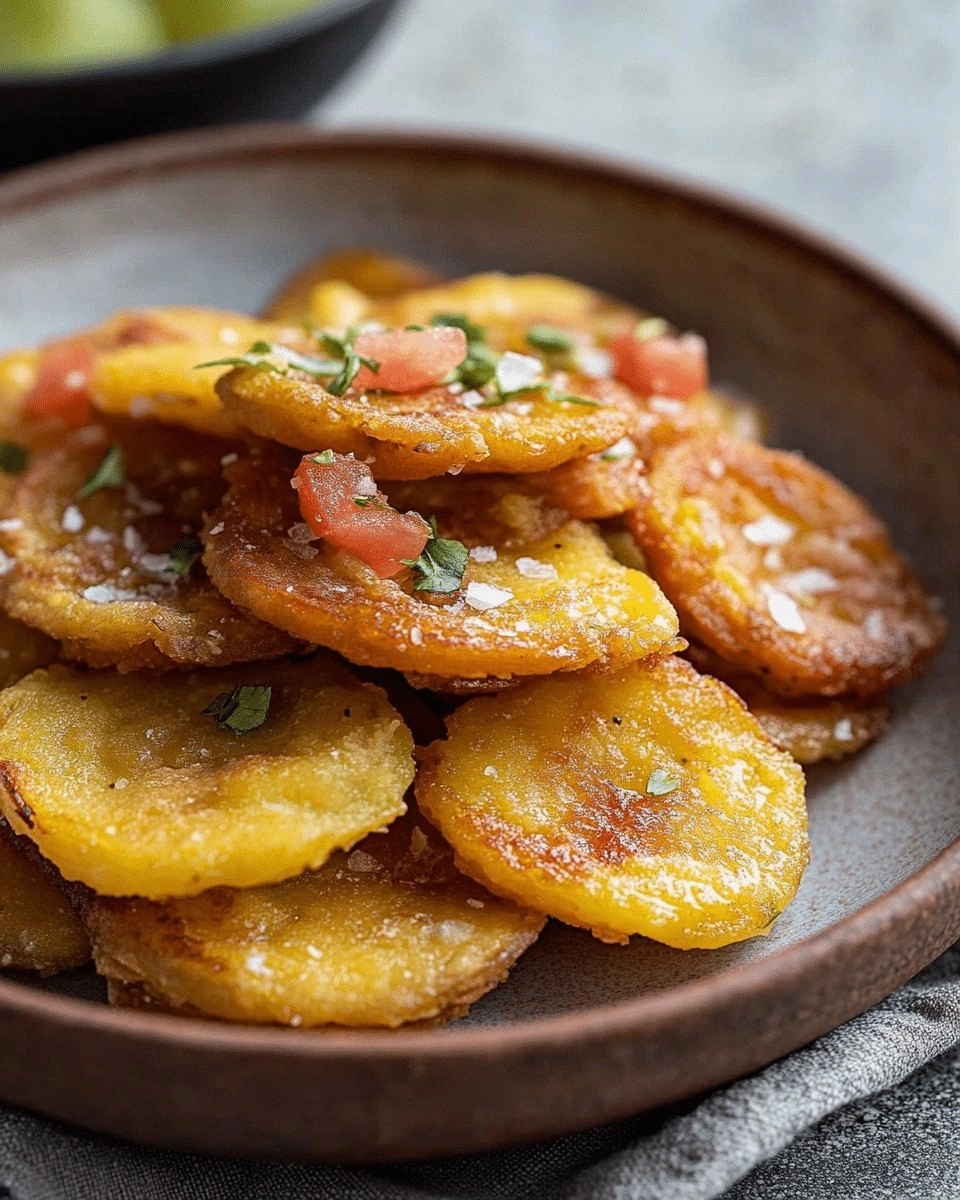
Picture the aroma: a sweet, almost caramelized scent rising from the sizzling oil, punctuated by a faint citrus tang that promises brightness. The sound is unmistakable—a gentle crackle that signals the plantain’s transformation. The texture feels buttery on the inside and crisp on the outside, like a crunchy shell that yields to a tender core. The taste? A harmonious blend of sweet, salty, and a hint of smoky undertones that linger long after the first bite. And the visual? Golden edges that glisten under the kitchen light, inviting you to dive in.
Why does this particular rendition stand out? Because it’s not just a recipe; it’s an experience that takes a humble plantain and elevates it to a party staple. I’ll be honest—I ate half the batch before anyone else got a chance. The secret lies in a simple yet deliberate technique that ensures each tostone is uniformly crisp, with a tender interior that melts in your mouth. I dare you to taste this and not go back for seconds; the crunch will have you craving more.
Let me walk you through every single step—by the end, you’ll wonder how you ever made it any other way. From selecting the perfect plantain to mastering the double-fry method, every detail matters. I’ll share micro‑challenges that push your skills, bold claims about flavor, and practical hacks that save time. And if you’ve ever struggled with achieving that golden crisp, you’re not alone—this recipe has the fix you’ve been searching for.
What Makes This Version Stand Out
- Flavor: The combination of sweet plantain flesh, a splash of lime, and a touch of garlic powder creates a balanced profile that’s both refreshing and savory. The lime’s acidity cuts through the richness of the fried oil, while the garlic adds depth without overpowering. This harmony elevates the snack from simple to sensational.
- Texture: A double‑fry technique ensures that the outer layer is rock‑hard and the interior remains soft, giving each bite a delightful contrast. The first fry develops a golden crust, and the second fry crisps it to perfection. The result is a tostone that shatters like thin ice when you bite into it.
- Speed: Despite its gourmet reputation, this version is quick to prepare. The plantains only need a few minutes to slice, and the frying process takes less than 15 minutes total. You’ll have a plate of warm, crispy tostones ready for your guests in under a half hour.
- Versatility: While the classic version is simple, this recipe offers room for creative twists—whether it’s a smoky chipotle seasoning or a cilantro‑lime drizzle. The base remains the same, but the flavor profile can shift to suit any palate or occasion.
- Crowd‑Pleaser: Whether you’re hosting a family gathering or a casual potluck, tostones are a crowd‑pleaser that pairs well with dips, meats, or even desserts. Their universal appeal makes them a safe bet for any event.
- Healthier Choice: By using a moderate amount of oil and adding fresh herbs, you can keep the dish lighter while still delivering on flavor. The plantains themselves are a good source of potassium and dietary fiber.
Inside the Ingredient List
The Flavor Base
The star of the show is the green plantain, chosen for its firm texture and subtle sweetness. Green plantains are slightly tart, which balances the oil’s richness and prevents the final product from becoming overly sweet. If you use a ripe plantain, the result will be sweeter and softer, which might be desirable for dessert versions but not for the classic crunchy snack.
The lime is the secret weapon that brightens the flavor profile. A good squeeze of fresh lime juice adds a zesty punch that cuts through the oil’s heaviness. If you can’t find lime, a splash of lemon will work, but the aroma will shift slightly towards a sharper citrus note.
Garlic powder is a subtle layer that adds depth without clashing with the plantain’s natural flavor. It’s easier to sprinkle evenly than minced garlic, which could leave uneven pockets of flavor. A pinch of smoked paprika can give a smoky undertone that pairs beautifully with the tostones.
The Texture Crew
Vegetable oil is the medium that brings everything together. Choose an oil with a high smoke point, such as canola or peanut, to avoid burning. The amount of oil matters; too little and the slices will stick together, too much and they’ll become greasy.
Salt is essential for seasoning, but the trick is to sprinkle it after the second fry. This timing ensures that the salt adheres to the crisp surface rather than soaking into the plantain’s interior. A small pinch of chili powder adds a gentle heat that balances the sweetness.
Fresh cilantro and red onion are optional, but they add a burst of color and a fresh herbal note that elevates the dish. The cilantro’s bright green hue contrasts with the golden tostones, making the plate visually appealing.
The Unexpected Star
A pinch of chili powder might seem like a minor addition, but it introduces a subtle heat that can transform the dish. The heat should be mild—think a whisper, not a roar—so it complements rather than overpowers the sweet plantain. If you prefer a spicier version, add a dash of cayenne pepper, but be cautious; it can quickly overwhelm the delicate balance.
The Final Flourish
The finishing drizzle of lime and a sprinkle of chopped cilantro give the tostones a fresh finish that brightens every bite. The citrus zing lifts the flavor, while the herbs add a touch of earthiness. This final touch is what turns a simple snack into a memorable culinary experience.
Everything's prepped? Good. Let's get into the real action...
The Method — Step by Step
- Start by peeling the green plantains. Use a sharp knife to cut off the ends, then slice the skin off with a small knife. The skin should come away cleanly, revealing the pale green flesh underneath. This step is crucial because any leftover skin can cause uneven cooking.
- Slice the plantains into 1/2‑inch thick rounds. A mandoline slicer gives you uniform thickness, ensuring even frying. If you don’t have a mandoline, a sharp chef’s knife will work—just be consistent with your cuts.
- Heat about 2 inches of oil in a deep skillet or pot to 350°F (175°C). Use a thermometer for accuracy; if you don’t have one, test the oil by dropping a small piece of plantain—if it sizzles immediately, the oil is ready.
- Add the plantain slices in batches, being careful not to overcrowd the pan. Overcrowding lowers the oil temperature, resulting in greasy tostones. Fry each batch for 2-3 minutes until the edges begin to turn golden. Flip the slices using a slotted spoon and fry the other side until crisp.
- This is the moment of truth: remove the tostones and let them drain on paper towels. The oil should still be hot, but not smoking. Watch out—hot oil can splatter if you’re not careful. A quick pat with a paper towel removes excess oil but keeps the crispness intact.
- Once the first fry is complete, reduce the heat to 375°F (190°C). This second fry will lock in the crispness. Fry the tostones again for 1-2 minutes per side, watching for a deep golden color. The second fry is where the crunch truly shines.
- After the second fry, immediately season each tostone with a pinch of salt and a light dusting of garlic powder. The seasoning sticks best when the tostones are still hot, so don’t wait for them to cool.
- Squeeze fresh lime juice over the hot tostones. The acidity will lift the flavor and add a bright finish. The lime should be squeezed directly onto the tostones, not in a bowl, to ensure maximum flavor absorption.
- Garnish with chopped cilantro and a sprinkle of smoked paprika or chili powder if desired. These final touches add color, aroma, and a subtle kick that rounds out the dish. Plate the tostones immediately while they’re still warm and crisp.
That’s it—you did it. But hold on, I’ve got a few more tricks that will take this to another level. These insider secrets will help you perfect the crunch, avoid common pitfalls, and elevate the flavor profile to professional standards.
Insider Tricks for Flawless Results
The Temperature Rule Nobody Follows
Maintaining the right oil temperature is the cornerstone of crisp tostones. If the oil is too hot, the exterior will burn before the interior cooks; too cold, and the tostones will absorb excess oil. A good rule of thumb is to keep the oil between 350°F and 375°F. Use a thermometer for precision, or test with a small slice of plantain. The first few seconds of frying should produce a steady sizzle without smoke.
Why Your Nose Knows Best
Your nose is a powerful tool for judging doneness. As the tostones fry, a sweet, caramelized scent will fill the kitchen. When you smell that aroma, it’s a sign that the exterior is golden and the interior is cooked through. Trust your senses; if the smell is faint, give them a bit more time.
The 5-Minute Rest That Changes Everything
After the first fry, let the tostones rest for exactly five minutes before the second fry. This brief pause allows the interior to firm up slightly, preventing the slices from becoming mushy during the second fry. It also helps the seasoning stick better to the surface. A friend once skipped this step and the tostones came out soggy—lesson learned.
The Quick Press Technique
If you’re in a hurry, use a clean kitchen towel to press the tostones between two sheets of paper after the first fry. This removes excess oil and gives a slightly crisp surface. The towel should be warm—just enough to keep the tostones from cooling too fast. This trick is perfect for a last‑minute snack.
The Finish with Fresh Herbs
Adding fresh herbs at the end of cooking adds a burst of color and flavor that contrasts with the deep golden crunch. Cilantro, parsley, or even mint can work, but cilantro is the classic choice. Chop the herbs finely to distribute them evenly across the tostones.
Creative Twists and Variations
This recipe is a playground. Here are some of my favorite ways to switch things up:
Smoky Chipotle Tostones
Replace the garlic powder with chipotle powder and add a dash of smoked paprika. The result is a smoky, slightly spicy flavor that pairs beautifully with grilled meats. The chipotle brings a subtle heat that lingers on the tongue.
Herb‑Infused Citrus Tostones
Swap the lime for a mix of orange and lemon juice, and sprinkle fresh thyme on top. The citrus blend adds a sweet brightness, while the thyme offers an earthy counterpoint. This version is perfect for a brunch or a light lunch.
Cheesy Crunch Tostones
After the second fry, sprinkle shredded cheddar or queso fresco over the hot tostones. Let them sit for a minute until the cheese melts slightly. The creamy cheese layer adds a decadent twist that makes the snack feel indulgent.
Spicy Jerk Tostones
Season the tostones with jerk seasoning and a splash of coconut milk before frying. The coconut milk adds a subtle sweetness that balances the heat of the jerk spice. This tropical variation is a hit during summer gatherings.
Sweet & Salty Coconut Tostones
Dust the tostones with toasted coconut flakes and a pinch of sea salt after frying. The coconut brings a sweet crunch, while the sea salt enhances the overall flavor profile. This version is a perfect snack for dessert lovers.
Mediterranean Tostones
Finish the tostones with a drizzle of olive oil, a squeeze of lemon, and a sprinkle of oregano. The Mediterranean herbs give a fresh, herbaceous finish that pairs well with Greek yogurt dips. This variation is a great alternative for health‑conscious cooks.
Storing and Bringing It Back to Life
Fridge Storage
Store leftover tostones in an airtight container in the refrigerator for up to 3 days. Keep them on a paper towel to absorb any excess moisture, which helps maintain crispness. When you’re ready to eat, reheat them in a skillet for a few minutes to restore the crunch.
Freezer Friendly
Place the tostones on a baking sheet and freeze them until solid. Then transfer them to a freezer bag or container. They’ll stay good for up to 2 months. When you’re ready, thaw them at room temperature for a few minutes before reheating.
Best Reheating Method
Reheat the tostones in a hot skillet or a preheated oven at 375°F (190°C) for about 5 minutes. Add a splash of water before reheating to create steam, which will bring back the original softness inside while keeping the exterior crisp. Avoid microwaving, as it will make the tostones soggy.