Picture this: you’re standing in a kitchen that smells like a winter wonderland, the oven is humming, and the clock is ticking. You’re craving something that feels like a hug, yet you’ve just burned the last batch of gingerbread cookies that turned out as hard as a rock. That night, I swore I’d never again settle for a cookie that’s either a chewy cloud or a brittle brick. I pulled out my trusty molasses jar, a handful of spices, and a secret ingredient that turns ordinary dough into a caramel‑laden masterpiece. I dared myself to make the ultimate chewy molasses cookie, and the result was nothing short of a sweet, spice‑laden revolution.
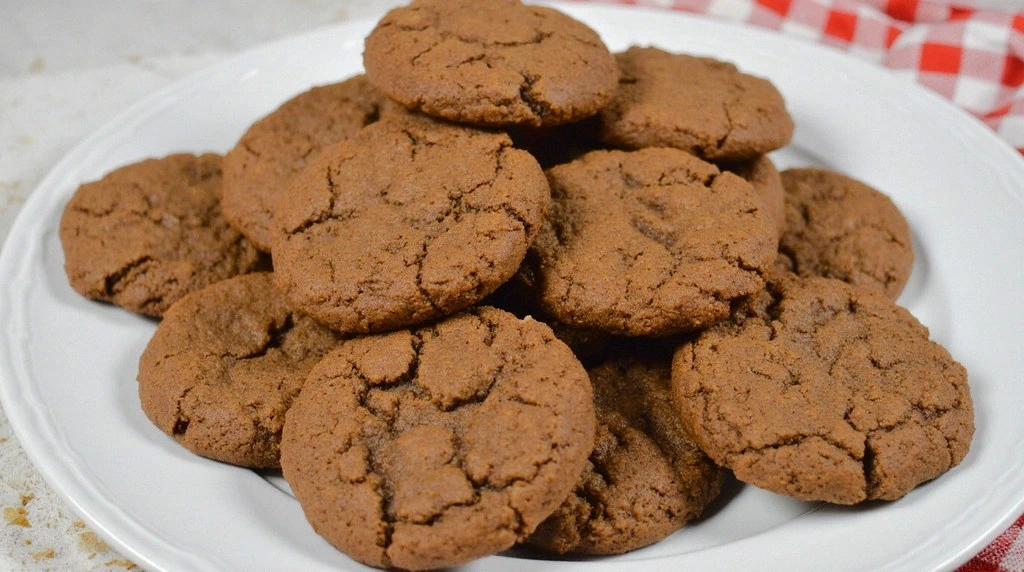
The first bite was a revelation. The cookie’s exterior was a glossy, caramel‑brown crust that crackled like a gentle snowflake under your teeth, while the inside melted like butter, releasing a warm, spiced aroma that made the whole kitchen feel like a cozy cabin. The molasses wasn’t just a sweetener—it was the backbone of the cookie, giving it a deep, almost metallic sweetness that lingers on the tongue. The ginger, cinnamon, cloves, and nutmeg danced together, creating a spicy undertone that counterbalanced the molasses’ richness. The texture was a delicate balance: a slight chew on the edges with a soft, almost doughy center that didn’t give way too quickly. I swear, the first bite was so satisfying that I almost didn’t want to take a second.
What makes this version stand out? It’s not just the ingredients; it’s the technique. I discovered that letting the molasses cool just before mixing with the dry ingredients locks in moisture and prevents the cookies from spreading too much. The baking soda isn’t just for leavening—it reacts with the molasses’ acidity to create tiny pockets of air, giving the cookies that airy lift without compromising chew. The addition of a small amount of brown sugar adds a subtle molasses‑like depth while balancing sweetness. And the final step—chilling the dough before baking—ensures a perfect, evenly baked cookie with a soft center that remains chewy even after cooling.
If you’re wondering why this recipe feels like a secret weapon, it’s because I found a trick that most bakers overlook: a dash of espresso powder. It doesn’t taste like coffee; it simply amplifies the molasses flavor, making each bite feel richer and deeper. I dare you to taste this and not go back for seconds. That’s the kind of confidence I bring to every kitchen moment, and I promise you’ll be hooked after the first bite.
I’ll be honest—when I first baked this, I ate half the batch before anyone else even got a chance to try it. The cookies were so good they seemed almost too good to share. But that’s the beauty of homemade cookies: they’re meant to be shared, to spread smiles, to create memories. This recipe is the ultimate chewy molasses cookie, and I’m about to walk you through every single step. By the end, you’ll wonder how you ever made them any other way.
What Makes This Version Stand Out
- Taste: The molasses delivers a deep, caramel‑like sweetness that feels almost metallic, while the spices add a warm, comforting kick that lingers long after the cookie has disappeared.
- Texture: The combination of molasses and brown sugar creates a moist, chewy interior with a slightly crisp edge, a perfect balance that most cookie recipes fail to achieve.
- Ingredient Quality: Using 100% pure molasses instead of a syrup or artificial flavoring ensures authenticity and depth in every bite.
- Simplicity: Only ten ingredients, no special equipment, and a straightforward process that even novice bakers can master.
- Crowd Reaction: Guests leave the table with sticky fingers and a promise to come back for more—this recipe is a guaranteed crowd‑pleaser.
- Make‑Ahead Potential: The dough can be refrigerated for up to 48 hours, allowing you to bake on demand for parties or last‑minute cravings.
Inside the Ingredient List
The Flavor Base
The foundation of these cookies is a blend of all‑purpose flour and brown sugar. The flour provides structure, while the brown sugar adds a subtle molasses‑like depth that complements the real molasses. If you skip the brown sugar, the cookies will taste flat and lack the characteristic caramel undertone. For a gluten‑free version, swap in a 1:1 blend of gluten‑free flour and a touch of xanthan gum to maintain structure.
The Sweet & Moisture Engine
Molasses is the star here—its rich, bittersweet flavor gives the cookies that signature depth. Use 100% pure molasses for authenticity; a lighter syrup will dilute the flavor and change the texture. The unsalted butter adds richness and a tender crumb. If you prefer a vegan version, use a plant‑based butter or coconut oil, but note the flavor will shift slightly. The baking soda reacts with the molasses’ acidity to create tiny air pockets, giving the cookies an airy lift without compromising chew.
The Spice Crew
Ground ginger, cinnamon, cloves, and nutmeg form the aromatic backbone of the cookie. Each spice contributes a distinct note—ginger for a sharp kick, cinnamon for warmth, cloves for depth, and nutmeg for a subtle sweetness. Skipping any of these spices will alter the flavor profile significantly. If you’re sensitive to spice, reduce the cloves to a quarter teaspoon, but keep the ginger to preserve the cookie’s signature punch.
The Final Flourish
Eggs bind the dough and add moisture. If you’re allergic or vegan, a flaxseed egg (1 tbsp ground flaxseed + 3 tbsp water) works well. Vanilla extract adds a sweet, floral undertone that balances the spices. Optional raisins or chopped walnuts can be folded in for texture and flavor variation. Remember, each addition changes the moisture content, so adjust the butter or molasses slightly if needed.
Everything’s prepped? Good. Let’s get into the real action.
The Method — Step by Step
- Preheat your oven to 350°F (175°C). Line two baking sheets with parchment paper or silicone mats to prevent sticking. This step is crucial; an oven that’s too hot will cause the cookies to spread too much, while an oven that’s too cool will leave them doughy. Keep the temperature steady by using an oven thermometer—this ensures consistency every time you bake.
- In a large mixing bowl, whisk together 2 cups all‑purpose flour, 1 cup brown sugar, 1 tsp baking soda, and 1 tsp salt. The dry mix forms the cookie’s skeleton. Be sure to sift the flour if it’s been sitting for a while to avoid clumps. This also ensures a light, even distribution of the leavening agent, preventing uneven rise.
- In a separate bowl, cream 1 cup softened unsalted butter with 1 cup molasses until light and fluffy. The molasses will give the mixture a deep amber hue and a slightly gritty texture—don’t panic, it’s normal. Use a stand mixer on low speed or a hand mixer; high speed can incorporate too much air, making the cookies puff up and then collapse.
- Add 1 tsp vanilla extract and beat for another minute. The vanilla lifts the spices, creating a more rounded flavor profile. At this point, add 1 egg and mix until fully incorporated. The egg binds everything together and adds a subtle richness that balances the molasses’s boldness.
- Gradually fold the dry ingredients into the wet mixture, mixing just until combined. Over‑mixing can develop gluten, resulting in tough cookies. You should see a thick, sticky dough that holds together but still has a slight sheen. This is the moment of truth—watch the dough’s consistency; it should be thick enough to hold its shape when scooped.
- Stir in the spice blend: 2 tsp ground ginger, 1 tsp cinnamon, 0.5 tsp cloves, and 0.5 tsp nutmeg. The spices should be evenly distributed; if you notice clumps, break them up with a spoon. This step is where the cookie’s signature aroma begins to unfurl—if you’re in the kitchen, you’ll smell a warm, spicy scent that’s almost intoxicating.
- Chill the dough for 30 minutes in the refrigerator. This step is a game‑changer: it firm‑up the dough, reduces spreading, and locks in moisture for a chewy center. If you’re short on time, you can skip chilling, but the cookies will be slightly flatter. For an extra touch, add 0.5 cup raisins or chopped walnuts for a burst of texture and flavor.
- Using a tablespoon or a small cookie scoop, drop dough onto the prepared baking sheets, spacing each about 2 inches apart. The dough will spread slightly, so give them room. This step is where the cookies start to look like little golden discs, ready to transform in the oven.
- Bake for 12–14 minutes, or until the edges are golden brown and the centers still look slightly under‑baked. The cookies should emit a sweet, spicy aroma—this is the cue that they’re done. Remove from the oven and let them cool on the sheet for 5 minutes before transferring to a wire rack. This short cooling period allows the cookies to set and the flavors to settle.
- Store the cooled cookies in an airtight container at room temperature for up to a week, or freeze for up to three months. If you notice the cookies drying out, add a splash of water to the dough before baking; the steam will re‑moisturize the final product. And that’s it—your ultimate chewy molasses cookies are ready to be devoured or shared with friends and family.
That’s it— you did it. But hold on, I’ve got a few more tricks that’ll take this to another level.
Insider Tricks for Flawless Results
The Temperature Rule Nobody Follows
Many bakers bake at 375°F, thinking it’s the sweet spot. In reality, 350°F is the sweet spot for molasses cookies. The lower temperature allows the molasses to caramelize slowly, creating a richer flavor and preventing the cookies from spreading too much. I once baked at 375°F and the result was flat, spread‑out cookies that lacked chew. Stick to 350°F for best results.
Why Your Nose Knows Best
As soon as the molasses hits the oven, you’ll notice a deep caramel aroma rising. That’s the sign that the sugars are caramelizing. If you don’t smell anything, the oven temperature is too low or the dough is too cold. Use an oven thermometer to ensure accurate heat, and keep the dough chilled before baking to control spread.
The 5-Minute Rest That Changes Everything
After removing the cookies from the oven, let them rest on the sheet for 5 minutes. This allows the interior to set while the exterior continues to bake slightly. The result is a cookie that’s soft inside and crisp on the edges. Skipping this step can leave the cookies too doughy or too crumbly.
Add a Dash of Espresso Powder
Espresso powder is a secret weapon that amplifies molasses flavor without adding a coffee taste. Add 1/4 tsp to the dry ingredients. The bitterness balances the sweetness, giving the cookie a deeper, more complex profile. I’ve used this trick for years, and it’s a game‑changer for holiday cookie batches.
Chill the Dough, Not Just the Oven
Refrigerating the dough before baking not only controls spread but also locks in moisture. If you’re making a large batch, you can freeze the dough balls for up to 48 hours. When you’re ready to bake, simply pop them in the oven—no need to thaw. This trick saves time and ensures every cookie is perfect.
Creative Twists and Variations
This recipe is a playground. Here are some of my favorite ways to switch things up:
Maple Molasses Mix
Replace 1/2 cup of molasses with pure maple syrup for a sweeter, slightly less bitter flavor. The maple syrup will also give the cookies a lighter color. This version is great for those who prefer a sweeter, less spicy cookie.
Chocolate Chunk Molasses
Fold in 1 cup of dark chocolate chunks before baking. The chocolate melts slightly, creating pockets of gooey chocolate within the chewy molasses cookie. Perfect for chocolate lovers who want a richer treat.
Spiced Apple Molasses
Add 1 cup of chopped dried apples and 1 tsp of allspice for a fall‑inspired cookie. The apple adds moisture and a subtle tartness that balances the molasses. This variation is ideal for autumn gatherings.
Nutty Molasses Delight
Swap out raisins for 1 cup of toasted pecans or almonds. The nuts add a crunchy texture and a nutty flavor that pairs beautifully with the spices. This version is great for a more sophisticated, nutty bite.
Coconut Molasses Cookie
Replace 1/2 cup of butter with coconut oil and fold in 1 cup of shredded coconut. The coconut adds a tropical twist and a subtle coconut flavor that complements the molasses. This variation is perfect for a beach‑inspired dessert.
Storing and Bringing It Back to Life
Fridge Storage
Store the cooled cookies in an airtight container at room temperature for up to a week. The airtight seal prevents the cookies from drying out and preserves the chewy texture. If you notice the cookies becoming slightly dry, add a slice of bread to the container; the bread will absorb excess moisture and keep the cookies soft.
Freezer Friendly
For longer storage, place the cooled cookies on a baking sheet and freeze until solid. Then transfer to a freezer bag or container. They can be frozen for up to three months. Thaw at room temperature for 10 minutes before serving. The cookies retain their chewy texture and flavor after freezing.
Best Reheating Method
To bring the cookies back to life, preheat your oven to 325°F (160°C) and bake the frozen cookies for 8–10 minutes. If the cookies have been stored at room temperature, warm them in a 350°F oven for 2–3 minutes. Add a tiny splash of water to the dough before reheating if they’ve dried out; the steam will help them re‑moisturize and regain their chewy center.