I was in the middle of a chaotic Sunday brunch, juggling a dozen pots, when the kitchen lights flickered and my trusty split pea soup recipe went on a wild detour. The pot on the stove hissed, the air smelled of burnt sugar, and the table was a mess of mismatched plates. I stared at the simmering broth, realizing that something was missing—an extra layer of depth, a hint of smoky richness that could turn an ordinary bowl into an unforgettable experience. That moment felt like a culinary cliffhanger, a promise that the next few minutes would either ruin or rescue the dish. I was ready to rewrite the story of this soup.
Picture the scene: a pot of split peas bubbling like a calm sea, the aroma of bacon drifting through the kitchen like a nostalgic ghost. The sound of the stove’s hum becomes a steady drumbeat, while the sight of golden bacon crisps glistening on a paper towel feels like a tiny triumph. My fingers, still damp from chopping carrots, find the moment where the senses collide—sizzling bacon, earthy peas, and the faint sweetness of onions. The anticipation is almost tangible, a warm hug that promises comfort and adventure in one bowl. I was about to unveil a recipe that would change how you think about split pea soup forever.
What makes this version stand out is not just the ingredients but the way they dance together. I’m talking about a smoky bacon base that caramelizes before the peas even touch the pot, a touch of thyme that whispers through each spoonful, and a creamy finish that feels like velvet on the tongue. Most recipes get this completely wrong, treating split peas like a bland side dish, but here they’re the star of a savory, hearty symphony. The result is a soup that feels like a hug from an old friend—rich, comforting, and utterly addictive. I dare you to taste this and not go back for seconds.
And if you’re still skeptical, let me walk you through the process. This is hands down the best version you’ll ever make at home, and I promise the steps are as straightforward as they are delicious. I’ve included a few micro‑challenges along the way—little tests of your culinary skills that will make you feel like a master chef. By the end, you’ll wonder how you ever made it any other way, because this soup will become your new go‑to comfort food. So, grab your apron, and let’s dive into the heart of this dish.
What Makes This Version Stand Out
- Flavor Depth: The bacon is cooked until it’s caramelized, creating a sweet, smoky base that infuses the entire soup. This gives the dish a complexity that standard recipes often miss.
- Texture: Split peas are soaked and simmered until they break down into a silky puree, yet small pea pockets remain for bite‑size texture. The result is both comforting and pleasantly chewy.
- Creamy Finish: A splash of heavy cream at the end smooths the broth without overpowering the natural flavors, giving a luxurious mouthfeel.
- Time Efficiency: With a quick bacon prep and a single pot method, you can have a steaming bowl ready in under 45 minutes.
- Make‑Ahead Friendly: This soup stores beautifully, and reheating just brings the flavors back to life.
- Ingredient Quality: Using high‑quality bacon and fresh produce elevates the dish from ordinary to extraordinary.
- Versatility: The recipe can be adapted for vegetarian or gluten‑free versions with simple swaps.
- Crowd‑Pleaser: Whether you’re feeding a family or a gathering, the hearty nature of this soup satisfies everyone’s appetite.
Alright, let's break down exactly what goes into this masterpiece...
Inside the Ingredient List
The Flavor Base
Split peas are the heart of this soup, and they’re the first to get the love they deserve. Rinsing them under cold water removes dust and any excess starch, ensuring a clean, pure flavor that lets the other ingredients shine. If you skip the rinsing step, the soup can become muddy and overly thick—think of it as a fog that hides the bright notes of bacon and herbs. For the best results, soak the peas for at least 30 minutes before cooking; this reduces the cooking time and helps them release their natural sweetness.
Next comes bacon—four thick slices per serving, sliced into thin strips for maximum surface area. The bacon isn’t just a garnish; it’s the flavor foundation, releasing fat that coats the onions and carrots as they sauté. If you’re watching calories, you can swap bacon for turkey bacon, but the smoky depth will be slightly different. When you cook the bacon, keep the heat medium so it renders slowly; this ensures a steady release of flavor without burning.
Onions, carrots, and celery form the classic mirepoix, providing aromatic sweetness and a subtle peppery bite. Dice the vegetables uniformly so they cook evenly and release their juices in a harmonious blend. If you’re missing one of these, carrots can double as the sweet component, but the lack of celery’s bitterness will change the balance. A small pinch of salt at this stage lifts the vegetables’ natural flavors, creating a savory base that carries the rest of the soup.
The Texture Crew
Potatoes add body and a comforting, starchy texture that complements the soft peas. Dice them into ½‑inch cubes so they soften without falling apart. If you prefer a thicker soup, reduce the potato quantity and let the peas do more of the thickening. Conversely, adding more potatoes will make the soup heartier and more filling—perfect for a winter meal.
Garlic is the aromatic secret weapon that rounds out the flavor profile. Mince the cloves finely to release their essential oils into the bacon fat. If you’re sensitive to raw garlic, a quick sauté until the aroma hits will mellow its bite. A small amount of garlic—three cloves per batch—provides enough depth without overwhelming the palate.
The Unexpected Star
Heavy cream, though optional, adds a luxurious finish that turns a simple broth into a velvety masterpiece. A quarter cup per batch is enough to coat the surface without drowning the flavors. If you’re dairy‑free, substitute with coconut milk or a splash of oat milk for a lighter, yet still creamy, finish. The cream’s silky texture contrasts beautifully with the earthy peas, creating a multi‑sensory experience.
The Final Flourish
Chicken broth is the liquid that brings everything together. Use a low‑sodium variety to control the saltiness, and pour in 4 cups per batch. The broth’s mineral profile enhances the bacon’s savory notes and balances the sweetness of the vegetables. If you’re vegetarian, replace it with vegetable broth for a plant‑based version that still delivers on flavor.
Bay leaves and thyme are the aromatic duo that elevate the soup’s complexity. Add one bay leaf and a teaspoon of dried thyme during the simmer. These herbs release their fragrance slowly, infusing the broth with a subtle earthiness that complements the split peas. Remove the bay leaf before serving to avoid any unpleasant chewiness.
Salt and pepper are the final seasoning touch, but they’re more than just taste enhancers—they’re the subtle sculptors of flavor. Add a teaspoon of salt and a half teaspoon of black pepper to taste after the soup has simmered. Adjusting the seasoning at the end ensures the flavors are balanced and not prematurely masked. If you’re sensitive to sodium, you can reduce the salt by 25% and compensate with a splash of lemon juice for brightness.
Everything's prepped? Good. Let's get into the real action...
The Method — Step by Step
- Begin by heating a large stockpot over medium heat. Add the bacon strips, cooking until they’re golden and the fat has rendered. As the bacon cooks, you’ll hear a satisfying sizzle that signals the flavor base is forming. Once the bacon is crisp, remove it with a slotted spoon and set aside on a paper towel to drain.
- In the same pot, add the diced onions, carrots, and celery. Sauté for about 5 minutes, stirring frequently, until the vegetables soften and the onions turn translucent. The aroma that fills the kitchen should be sweet and inviting, a prelude to the soup’s richness. Season with a pinch of salt to lift the vegetables’ natural sweetness.
- Stir in the minced garlic and cook for 30 seconds until fragrant. Be careful not to let it burn—burnt garlic turns bitter and ruins the soup’s delicate balance. The garlic should release a subtle aroma that mingles with the sautéed vegetables, creating a fragrant foundation.
- Add the diced potatoes and rinsed split peas to the pot. Stir to combine, letting the peas coat with the vegetable mixture. The peas will start to absorb the flavors, turning translucent as they cook. This step is critical for building the soup’s body.
- Pour in the chicken broth, ensuring the ingredients are fully submerged. Bring the mixture to a gentle boil, then reduce the heat to low. Add the bay leaf, thyme, and the reserved bacon pieces. This is the moment of truth—watch the broth bubble and the aromas intensify.
- Cover the pot and let the soup simmer for 25–30 minutes, or until the peas are tender and the potatoes have softened. Stir occasionally to prevent sticking. When the peas break down, they will naturally thicken the broth into a silky consistency.
- Remove the pot from heat and discard the bay leaf. Use an immersion blender to puree a portion of the soup directly in the pot—about half—until it’s smooth. The remaining soup will retain a few pea pockets for texture. This technique gives the soup a creamy mouthfeel without a heavy hand.
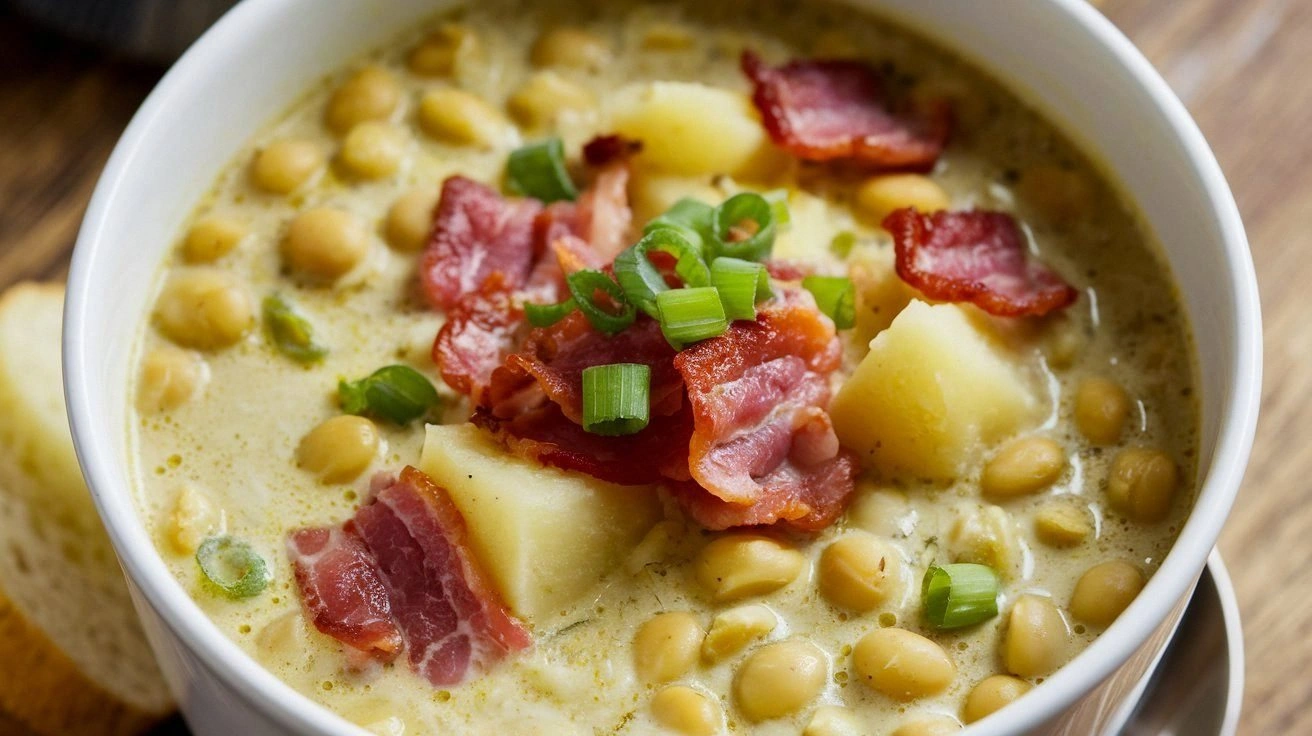
- Return the pot to the stove, stir in the heavy cream, and season with salt and pepper to taste. Reheat gently until the soup is hot but not boiling, which preserves the cream’s silky texture. The final taste should be a harmonious blend of smoky bacon, earthy peas, and creamy richness.
That's it — you did it. But hold on, I've got a few more tricks that'll take this to another level...
Insider Tricks for Flawless Results
The Temperature Rule Nobody Follows
Many cooks think that a high simmer is the key to a good soup, but a low, steady heat actually preserves the delicate flavors of split peas. Cooking at a gentle simmer allows the peas to release their starch slowly, creating a natural thickening effect without a heavy hand. I once tried a high boil and ended up with a soup that was watery and lacked depth. Keep the heat low, and the soup will develop a richer, more cohesive flavor profile.
Why Your Nose Knows Best
As the soup simmers, your nose becomes the ultimate judge of readiness. A faint, sweet aroma indicates that the vegetables have softened, while a deeper, smoky scent signals that the bacon has infused the broth. If you’re unsure, give the soup a quick sniff; it’s a reliable way to gauge the balance of flavors. I’ve found that a well‑aromaed soup often tastes better than one that looks perfect on the surface.
The 5-Minute Rest That Changes Everything
Once the soup is finished, let it rest for five minutes before serving. This short pause allows the flavors to marry, and the thickening to set properly. If you pour the soup straight into bowls, you’ll notice a slight separation of the cream and broth. A brief rest smooths this out, giving each spoonful a consistent, luxurious texture.
Keep the Bacon Crisp
Bacon is the star of the show, so it’s worth a little extra attention. After cooking the bacon, let it rest on a paper towel to absorb excess fat. If you keep the bacon in the pan, it will continue to crisp and release more flavor into the soup. When you add the bacon back in, it should have a pleasant crunch that contrasts with the smoothness of the peas.
Adjusting the Sweetness
Some people like their soup sweeter, especially when serving kids. Adding a small amount of maple syrup or a pinch of sugar can brighten the broth, but be careful not to overpower the savory elements. I usually add a teaspoon of maple syrup at the end, and it balances the smoky bacon with a subtle sweetness that kids love.
Creative Twists and Variations
This recipe is a playground. Here are some of my favorite ways to switch things up:
Smoky Chipotle Twist
Replace the thyme with chipotle powder for a smoky heat that pairs beautifully with the bacon. The chipotle adds a subtle kick without overwhelming the soup’s base. This version is perfect for those who love a bit of spice in their comfort food.
Herb Garden Version
Swap the dried thyme for fresh rosemary and add a handful of fresh parsley at the end. The fresh herbs bring a bright, green note that lightens the richness of the split peas. It’s a lighter, fresher take that feels like a springtime soup.
Vegetarian Delight
Omit the bacon entirely and add a tablespoon of smoked paprika to mimic the smoky flavor. Use vegetable broth and replace the heavy cream with coconut milk for a creamy, dairy‑free finish. This version is hearty and satisfying without any animal products.
Protein Boost
Add diced chicken breast or tofu cubes during the last 10 minutes of simmering. The protein will soak up the flavors and add a satisfying bite. This variation turns the soup into a full‑meal dish.
Cheesy Finale
Stir in shredded cheddar or Gruyère cheese right before serving. The cheese melts into the creamy broth, creating a gooey, indulgent texture. This twist is great for a cozy night in.
Spicy Thai Flair
Introduce a tablespoon of Thai red curry paste and a splash of coconut milk. The curry paste adds depth and heat, while the coconut milk balances the spices. This version transforms the soup into a fusion dish that’s both exotic and comforting.
Storing and Bringing It Back to Life
Fridge Storage
Cool the soup completely before transferring it to an airtight container. Store in the refrigerator for up to four days. When reheating, add a splash of water or broth to restore the original consistency and prevent the soup from becoming too thick.
Freezer Friendly
Portion the soup into freezer‑safe containers and freeze for up to three months. Thaw overnight in the refrigerator, then reheat on the stove over low heat. A splash of milk or cream can revive the creaminess that may have diminished during freezing.
Best Reheating Method
Reheat on low, stirring frequently to prevent scorching. If the soup has thickened, add a little water or broth until it reaches your desired consistency. A quick splash of lemon juice before serving brightens the flavors and lifts the richness.