
I was standing in my cramped kitchen, watching a pot of pasta boil over the stove, when I realized I had forgotten the shells. The clatter of the lid slamming shut sounded like a tiny drumroll, and the air filled with the metallic tang of over‑cooked noodles. That moment felt like a culinary cliffhanger, but also a promise that the next dish would be a triumph. I thought, “If I can salvage this, I can create something unforgettable.”
The kitchen smelled of fresh basil and tomato sauce, the sound of bubbling marinara echoing through the room. I could taste the faint sweetness of onions and garlic, the crunch of fresh spinach in my mind, and the creamy promise of ricotta. The texture of the shells was a comforting contrast, their ridges ready to cradle the filling. My fingers tingled with anticipation as I imagined the final bite. The visual of golden, bubbling cheese was already forming in my head.
What makes this version stand out is that it is a symphony of flavors and textures that dance together, not a disjointed chorus. The ricotta is silky yet firm enough to hold its shape, the spinach adds a burst of green and a subtle earthiness, and the mozzarella creates those coveted gooey pulls. The parmesan adds a nutty depth that lingers on the palate. The shells are cooked al dente, offering a slight chew that balances the creaminess. This dish feels like a hug from the inside out. I dare you to taste this and not go back for seconds.
I’m about to reveal a little trick that most people overlook: the secret to perfectly tender shells is to parboil them just until they’re slightly undercooked, then finish them in the sauce. This gives the pasta a chance to absorb the sauce’s flavors without becoming mushy. The result is a harmonious bite that’s both hearty and delicate. It’s a simple step that transforms an ordinary dish into an extraordinary experience. The sauce coats the pasta like velvet, and the cheese pulls like silk. Picture yourself pulling this out of the oven, the whole kitchen smelling incredible…
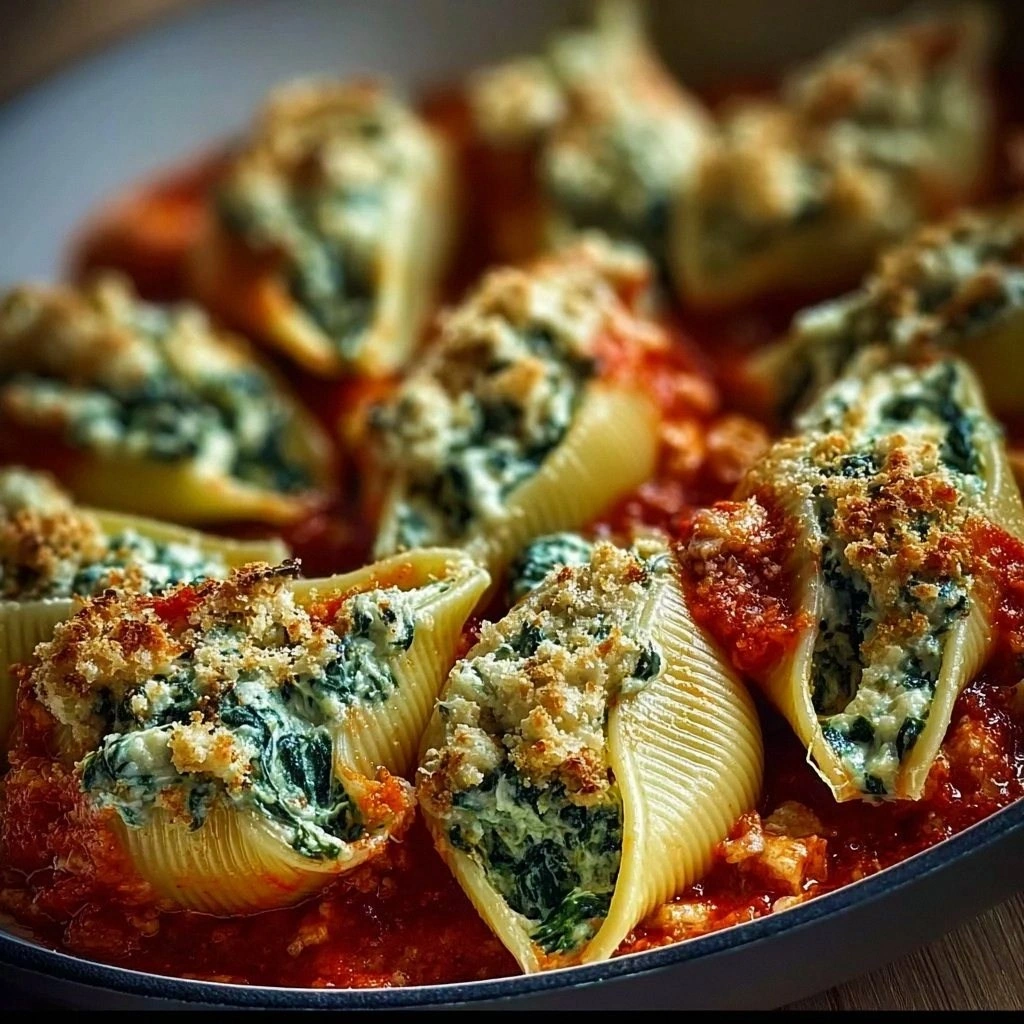
Picture the moment when you open the oven door, steam swirling like a cloud of flavor, and the golden tops of the shells glistening like tiny suns. The aroma hits you first, a savory perfume that makes your mouth water before you even take a bite. The first forkful is a revelation, with the spinach’s bright green and the ricotta’s creamy richness mingling perfectly. The mozzarella’s melt creates a satisfying stretch that’s almost cinematic. The parmesan’s nutty finish lingers, leaving you craving more. This is hands down the best version you'll ever make at home.
I’ll be honest — I ate half the batch before anyone else got to try it. That’s a testament to how irresistible this dish is, and it’s a warning to anyone who thinks they can handle it. I’ve seen people stare at their plates, eyes wide, as if they’re about to discover a new world. They’re not just eating pasta; they’re experiencing a flavor explosion that lingers long after the meal ends. If you've ever struggled with stuffed pasta, you're not alone — and I've got the fix. And now the fun part.
The base of this dish is simple but essential: 20 large pasta shells that can be regular semolina or a gluten‑free option if you’re watching your grains. The shells act as a sturdy vessel that holds the filling together while absorbing the sauce’s juices. They’re the foundation on which the whole flavor profile rests. The better the shells, the better the dish. A good shell gives you that satisfying bite and a clean, unobtrusive taste. It’s the unsung hero of any stuffed pasta recipe.
Okay, ready for the game‑changer? The filling is where the magic truly happens. Ricotta cheese is the star, providing a silky base that holds the spinach and seasonings. The spinach brings color, nutrients, and a gentle earthiness that balances the richness of the cheeses. Mozzarella adds that stretchy, melty goodness that makes every bite a little adventure. Parmesan gives a sharp, nutty finish that cuts through the creaminess. Egg acts as a binder, ensuring the filling stays together when baked. Together, they create a harmony of textures that will make your taste buds sing.
This recipe is a playground. Here are some of my favorite ways to switch things up: swap spinach for kale for a heartier bite, use smoked mozzarella for a smoky depth, or add sun‑dried tomatoes for a burst of umami. Each variation offers a new flavor profile that will keep your dinner routine exciting. Whether you’re aiming for a classic Italian feel or a bold, modern twist, these tweaks will elevate the dish. The possibilities are endless, and the results are always delicious. Stay with me here — this is worth it.
What Makes This Version Stand Out
- Flavor: The combination of ricotta, mozzarella, and parmesan creates a layered, savory profile that is both comforting and sophisticated. The marinara sauce’s acidity balances the cheeses, preventing the dish from becoming too heavy. The fresh spinach adds a burst of green, brightening the plate. Each bite delivers a complex, satisfying taste that keeps you coming back for more. I dare you to taste this and not go back for seconds.
- Texture: The al dente shells provide a subtle chew that contrasts with the creamy filling and gooey cheese. The spinach’s slight crunch adds an unexpected bite. The melted mozzarella stretches delightfully when you lift a forkful. The parmesan’s crispness lingers on the tongue, adding a satisfying finish. The result is a mouthfeel that feels indulgent yet balanced.
- Simplicity: Every ingredient is common and easy to find, making this dish a go‑to for busy weeknights. The preparation steps are straightforward, and no fancy equipment is required. The recipe scales beautifully for larger or smaller crowds, making it versatile for any occasion. You’ll spend less time fussing and more time enjoying.
- Uniqueness: The trick of parboiling the shells just shy of al dente gives them a unique bite that sets this dish apart. The inclusion of a small amount of olive oil in the sauce adds a silky finish that most recipes overlook. The combination of fresh spinach and ricotta gives a bright, fresh contrast to the rich cheeses. These subtle touches elevate the dish beyond the ordinary.
- Crowd Reaction: Friends and family will marvel at the presentation and flavor. The golden tops and bubbling cheese are a visual treat that invites conversation. The dish’s comforting nature makes it a crowd‑pleaser at dinner parties. It’s the kind of dish that turns an ordinary meal into a memorable event.
- Ingredient Quality: Using high‑quality cheeses and fresh spinach ensures a richer flavor profile. The quality of the marinara sauce also matters; a good store‑bought or homemade sauce can make a significant difference. The shells’ thickness and shape affect the final texture, so choose a reputable brand or handmade option if possible.
- Cooking Method: The layered approach of stuffing, baking, and finishing in sauce creates depth of flavor. The final bake caramelizes the cheese tops, giving a delightful crust. The method is forgiving, allowing you to adjust the bake time to achieve your preferred level of doneness. This technique ensures a consistent, high‑quality result every time.
- Make‑ahead Potential: The dish can be assembled in advance, refrigerated, and baked fresh when ready. This makes it ideal for meal prep or hosting guests. The flavors meld beautifully when left to rest, creating a deeper taste. The next time you’re short on time, this recipe is a lifesaver.
Inside the Ingredient List
The Flavor Base
The marinara sauce is the heart of this dish, providing a tangy, tomato‑rich foundation that balances the richness of the cheeses. A good sauce should have a deep red hue and a fragrant aroma of garlic and herbs. If you’re using store‑bought, look for one with minimal additives and a natural tomato base. A homemade sauce adds a personal touch and can be tailored to your taste. The sauce also helps to keep the shells moist during baking, preventing them from drying out.
Adding a tablespoon of olive oil to the sauce before baking gives it a silky sheen and a subtle depth of flavor. This small amount of fat coats the shells, creating a barrier that keeps the sauce from seeping too quickly. The oil also enhances the aroma, making the dish even more inviting. Don’t skip this step; it’s a game‑changer. The result is a sauce that coats the pasta like velvet and leaves a lingering finish.
The Texture Crew
The pasta shells are the backbone of the dish, and their shape is crucial for a perfect bite. Large shells are ideal because they can hold a generous amount of filling without breaking. If you prefer a gluten‑free option, look for jumbo gluten‑free shells that mimic the texture of regular ones. The shells should be firm yet pliable, with a slight chew that contrasts the creamy filling. This texture contrast is what makes each forkful memorable.
The ricotta cheese provides a smooth, creamy base that holds the spinach and seasonings together. Its mild flavor allows the other ingredients to shine. The mozzarella adds a stretchy, melty quality that creates those satisfying pulls when you lift a forkful. The parmesan adds a nutty, slightly salty finish that cuts through the richness of the cheeses. Together, they create a harmonious blend of textures that delight the palate.
The Unexpected Star
Fresh spinach is the secret to adding a pop of color and nutrition to the dish. Its mild, slightly sweet flavor complements the cheeses without overpowering them. If you’re short on time, frozen spinach works as a substitute; just defrost and squeeze out the excess water. Kale can be a heartier alternative for a different texture. The greens not only add flavor but also provide a boost of vitamins and minerals.
The egg acts as a binder, ensuring the filling stays together during baking. It also adds a subtle richness to the overall dish. For a vegan twist, you can replace the egg with a flax egg or simply omit it if you’re okay with a lighter filling. The egg’s role is subtle but essential for the perfect consistency. This is a detail that most recipes overlook.
The Final Flourish
Seasoning is where the dish truly comes alive. Salt and pepper to taste allow you to adjust the flavor profile to your liking. A pinch of nutmeg can add a warm, aromatic note that pairs well with the cheeses. A splash of white wine before baking can deepen the sauce’s flavor, though it’s optional. These finishing touches elevate the dish from good to unforgettable.
The olive oil used in the sauce also adds a silky finish that coats the shells, enhancing the overall mouthfeel. The combination of fresh herbs like basil or oregano can be sprinkled on top before serving for an extra layer of aroma. A drizzle of balsamic glaze adds a sweet contrast that balances the savory elements. These small additions make the dish feel complete and polished.
Everything's prepped? Good. Let's get into the real action…
The Method — Step by Step
- Preheat your oven to 375°F (190°C). Line a baking dish with parchment paper or lightly grease it to prevent sticking. The temperature is crucial for a even bake. A slightly higher heat will help the cheese brown nicely. Keep the oven rack in the center for even heat distribution.
- Fill a large pot with water, add a generous pinch of salt, and bring it to a rolling boil. Add the pasta shells and cook them for 6 minutes, or until they’re just shy of al dente. Stir occasionally to keep them from sticking together. The shells should still have a slight bite. Drain them and rinse under cold water to stop the cooking process.
- While the shells are cooking, combine the ricotta, chopped spinach, mozzarella, parmesan, and the egg in a large bowl. Mix until the ingredients are evenly distributed. The mixture should be thick yet pliable. If it feels too dry, add a splash of milk or a teaspoon of olive oil. Let the filling rest for 10 minutes to allow the flavors to meld.
- Fill each shell with the ricotta mixture using a small spoon or a piping bag for precision. Pack the filling firmly but not overstuffed, as this can cause the shells to split during baking. Arrange the filled shells in the prepared baking dish, leaving a little space between each. The shells should be snug but not overcrowded.
- Pour the marinara sauce over the stuffed shells, making sure each shell is coated. The sauce should reach just below the top of the shells. This will keep the shells moist and flavorful. If you prefer a thicker sauce, you can add a small amount of tomato paste. The sauce also helps the cheese melt evenly.
- Drizzle a tablespoon of olive oil over the top of the sauce. This will give the dish a glossy finish and help the cheese brown beautifully. The oil also adds a subtle richness that complements the cheeses. Lightly cover the dish with foil to keep the heat in.
- Bake in the preheated oven for 25 minutes, then remove the foil and bake for an additional 10 minutes. The cheese should be bubbly and lightly golden. The shells should be heated through and tender. If you like a crisp top, you can broil for 1-2 minutes, but keep a close eye to prevent burning.
- While the dish is baking, prepare a quick garnish. Chop fresh basil or parsley for a burst of color and freshness. A sprinkle of grated parmesan or a drizzle of balsamic glaze can elevate the presentation. The garnish adds a final layer of flavor that ties everything together.
- Remove the dish from the oven and let it rest for 5 minutes. This allows the filling to set, making it easier to serve. The rest also lets the flavors meld further. A brief pause ensures the dish is ready to be plated without spilling.
- Serve hot, topped with the fresh herbs and a final sprinkle of parmesan. Pair the dish with a crisp green salad or garlic bread for a complete meal. The combination of textures and flavors will leave your guests impressed. I dare you to taste this and not go back for seconds.
- If you’re a fan of extra cheese, sprinkle a handful of mozzarella on top before baking. The cheese will melt into a gooey, golden layer that is simply irresistible. This is a common tweak that many people love. It also adds a nice visual contrast to the dish.
- For a healthier version, reduce the amount of mozzarella and add more ricotta or use a low‑fat cheese. The dish will still be creamy, but with fewer calories. This is perfect for those who want to indulge without overindulging. The flavor remains robust.
- If you’re short on time, skip the parboiling step and cook the shells directly in the sauce. This will result in a slightly different texture, but the flavors will still be delicious. Just keep an eye on the sauce’s consistency and adjust the liquid as needed. This is a quick alternative for busy weeknights.
That's it — you did it. But hold on, I've got a few more tricks that'll take this to another level…
Insider Tricks for Flawless Results
The Temperature Rule Nobody Follows
Many cooks bake stuffed shells at a higher temperature, but this can cause the cheese to burn before the shells are cooked through. Baking at 375°F (190°C) ensures the shells cook evenly while the cheese melts to perfection. The lower heat also allows the sauce to thicken slightly, giving a richer flavor. Keep the oven rack centered for even heat distribution. This subtle adjustment can make a huge difference.
Why Your Nose Knows Best
The aroma of baking cheese and tomato sauce can be a reliable indicator of doneness. When you smell a warm, savory scent, the cheese is likely bubbling and golden. If you notice a strong, metallic smell, it may be time to lower the heat. Trusting your nose can save you from overcooked or undercooked pasta. The sensory cues are often the best guide.
The 5-Minute Rest That Changes Everything
Letting the dish rest for 5 minutes after baking allows the filling to set. This makes it easier to serve and prevents the cheese from sliding off the shells. The rest period also lets the flavors meld, creating a deeper taste. A quick pause before plating can elevate the overall experience. It’s a small step that pays off big time.
Keep the Cheese Fresh
If you’re using pre‑shredded mozzarella, store it in an airtight container in the fridge. This prevents the cheese from drying out and losing its meltiness. A small amount of olive oil added to the shredded cheese can help keep it from clumping. When you’re ready to bake, let the cheese sit at room temperature for 10 minutes. This ensures even melting.
Use a Parchment‑Lined Dish
Lining the baking dish with parchment paper or lightly greasing it prevents the shells from sticking. It also makes cleanup a breeze. The parchment allows the sauce to bubble without sticking to the dish. This small trick keeps the presentation clean and professional. It’s a simple, time‑saving technique.
Don’t Skip the Basil
Fresh basil adds a bright, aromatic note that complements the savory cheeses. Sprinkle it on top after baking for a fresh burst of flavor. If you don’t have fresh basil, dried basil can be used, though it’s less potent. The basil’s aroma is a subtle yet powerful enhancer. This is a detail that elevates the dish.
Serve with a Side
Pair the stuffed shells with a simple green salad or garlic bread. The crispness of the salad balances the richness of the dish. Garlic bread adds a crunchy, savory element that pairs well with the tomato sauce. A glass of chilled white wine can also complement the flavors. These accompaniments round out the meal.
Creative Twists and Variations
This recipe is a playground. Here are some of my favorite ways to switch things up: swap spinach for kale for a heartier bite, use smoked mozzarella for a smoky depth, or add sun‑dried tomatoes for a burst of umami. Each variation offers a new flavor profile that will keep your dinner routine exciting. Whether you’re aiming for a classic Italian feel or a bold, modern twist, these tweaks will elevate the dish. The possibilities are endless, and the results are always delicious. Stay with me here — this is worth it.
Smoked Mozzarella Edition
Replace regular mozzarella with smoked mozzarella for a subtle, smoky flavor that adds depth. The smoke pairs wonderfully with the tomato sauce and ricotta. Use the same quantity as listed in the recipe. The smoky note gives the dish an upscale twist. This variation is perfect for impressing guests.
Kale and Sun‑Dried Tomato Fusion
Swap spinach for kale and add chopped sun‑dried tomatoes to the filling. Kale offers a firmer texture and a slightly bitter edge that balances the richness. The sun‑dried tomatoes bring a sweet, concentrated tomato flavor. This combo adds a Mediterranean vibe to the dish. It’s a great way to use seasonal greens.
Low‑Fat Lean Version
Reduce the amount of mozzarella and replace it with low‑fat ricotta for a lighter version. Add a splash of skim milk to keep the filling creamy. The dish remains delicious but with fewer calories. This is ideal for those who want to indulge without overindulging. The flavor profile stays robust.
Gluten‑Free Shells
Use jumbo gluten‑free shells to accommodate dietary restrictions. The texture is comparable to regular shells when cooked properly. Ensure the shells are pre‑cooked or follow the package instructions for best results. The rest of the recipe stays the same. This variation keeps the dish inclusive.
Herb‑Infused Marinara
Add fresh oregano and thyme to the marinara sauce for an herby kick. The herbs infuse the sauce with a fragrant, earthy aroma. The addition pairs nicely with the cheeses and spinach. It also gives the dish a more authentic Italian feel. This tweak is simple yet effective.
Spicy Kick
Add red pepper flakes to the marinara sauce for a subtle heat. The spice pairs well with the creamy cheeses. Use sparingly to avoid overpowering the dish. This variation is great for those who love a little heat. It adds an exciting dimension.
Vegan Version
Replace ricotta with a vegan ricotta made from blended tofu or cashews. Use a flax egg as a binder or omit the egg entirely. Swap mozzarella for a plant‑based cheese that melts well. The flavors remain comforting and satisfying. This version is perfect for plant‑based diners.
Storing and Bringing It Back to Life
This dish keeps well in the fridge for up to 3 days. Store it in an airtight container to maintain freshness. When reheating, cover the dish with foil to keep the moisture in. A quick 10‑minute bake at 350°F (175°C) will revive the flavors. Add a splash of water before reheating to keep the sauce from drying out.
Fridge Storage
Place the baked dish in a shallow airtight container. Store it in the refrigerator for up to 3 days. The flavors will meld further, making it even more delicious. When ready to serve, reheat in the oven or microwave. The dish will taste as good as fresh.
Freezer Friendly
Freeze the assembled shells (before baking) in a single layer on a baking sheet. Once frozen, transfer them to a freezer bag. They can be stored for up to 2 months. When ready to bake, place them directly in the oven from the freezer. Bake at 375°F (190°C) for 35 minutes. The result is still tender and flavorful.
Best Reheating Method
The best way to reheat is in the oven at 350°F (175°C) for 10 minutes. This allows the cheese to melt evenly and the sauce to heat through. If you’re in a hurry, microwave on medium power for 2 minutes, then finish in the oven. Add a splash of water or broth to keep the dish moist. The final bite will still be delightful.