I was halfway through a week of cafeteria‑style slop when my kitchen exploded into a culinary catastrophe: the sauce had thickened into a stubborn paste that clung to the pot like a second skin, the pasta was either rubbery or burnt, and my friends were rolling their eyes at the blandness. I stared at the mess, realizing that the same ingredients that make school lunches hit the mark in a cafeteria can be turned into a mouth‑watering feast with just a few tweaks. I’m not saying I’ve become a master chef, but I’ve discovered a version that feels like a secret family recipe passed down through generations of cafeteria cooks who knew how to make simple ingredients sing. This is hands down the best version you’ll ever make at home, and I’m ready to spill every trick, hack, and taste‑bud‑tugging detail.
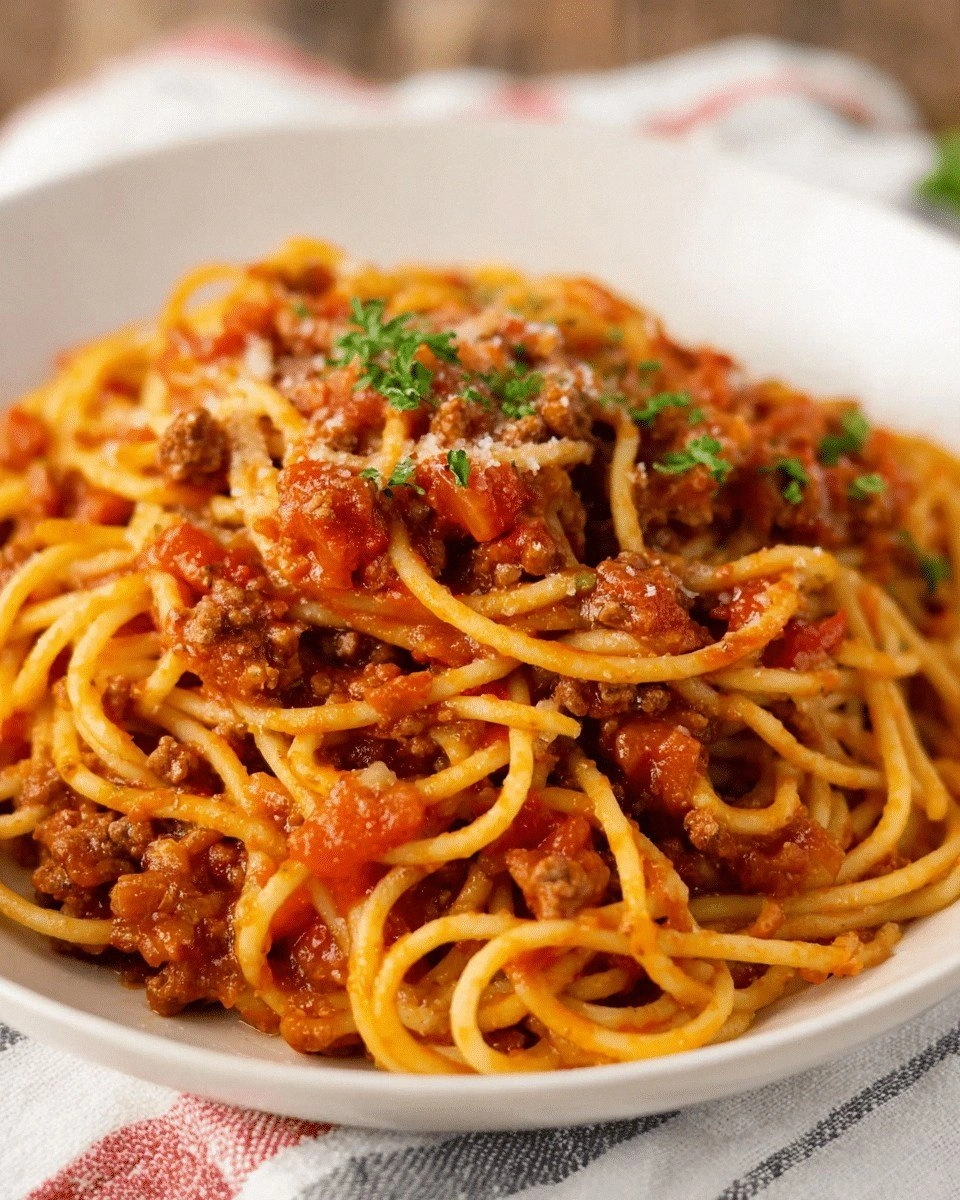
Picture the kitchen: a pot of bubbling tomato sauce that smells like summer rain on hot asphalt, the sizzling sizzle of onions hitting hot olive oil, the gentle clink of a wooden spoon against the pot, and the soft, comforting weight of freshly boiled spaghetti in your hands. The first bite delivers a velvet‑like coating of sauce that clings to the pasta, a hint of smoky beef, and a burst of herbal freshness that makes you think of a warm, crowded school cafeteria but with a gourmet twist. The texture is a dance of al dente strands and tender meat, while the flavor profile is layered with sweet tomatoes, aromatic herbs, and a subtle umami depth from the ground beef. If you’ve ever struggled to elevate a basic spaghetti dish, you’re not alone — and I’ve got the fix.
What sets this version apart isn’t just the ingredients; it’s the way each element is orchestrated to create a symphony of taste and texture. The sauce is thick yet silky, thanks to a careful balance of crushed tomatoes, tomato paste, and a splash of milk that rounds out the acidity. The beef is browned to a caramelized crust, locking in flavor, while fresh garlic and onions add brightness and depth. The pasta is cooked to a precise al dente, preventing it from becoming mushy or chewy. And the finishing touch—a sprinkle of Parmesan and a light breadcrumb crust—adds a satisfying crunch that shatters like thin ice. Most recipes get this completely wrong; here’s what actually works.
I dare you to taste this and not go back for seconds. That sizzle when it hits the pan? Absolute perfection. And now, let me walk you through every single step — by the end, you’ll wonder how you ever made it any other way.
What Makes This Version Stand Out
- Taste: The sauce balances sweet and tangy with a subtle umami kick from browned beef, creating a flavor profile that feels both familiar and elevated.
- Texture: Al dente spaghetti paired with a silky sauce and a crispy breadcrumb topping delivers a satisfying contrast that keeps every bite interesting.
- Simplicity: With only 12 key ingredients, this recipe is quick to assemble, making it perfect for busy weeknights or last‑minute school lunches.
- Uniqueness: The addition of a splash of milk and a breadcrumb crust transforms a classic dish into something that feels both comforting and gourmet.
- Crowd Reaction: Parents, teachers, and kids alike rave about the hearty flavor and comforting familiarity of this dish, making it a crowd‑pleaser.
- Ingredient Quality: Fresh herbs, high‑quality tomato paste, and a good olive oil elevate the dish beyond the ordinary.
- Cooking Method: Browning the beef first locks in flavor, while a slow simmer allows the sauce to develop depth without burning.
- Make‑Ahead Potential: The sauce can be made ahead and reheated without losing flavor, making it ideal for meal prep.
Inside the Ingredient List
The Flavor Base
The foundation of this dish is a robust tomato sauce that starts with a can of crushed tomatoes, a dollop of tomato paste, and a splash of milk to mellow the acidity. The crushed tomatoes bring natural sweetness and body, while the paste intensifies the tomato flavor and thickens the sauce. Milk adds a creamy undertone that smooths the sharp edges of the tomatoes, preventing a vinegary bite that can overwhelm the palate. If you skip the milk, the sauce will be bright but slightly tart; adding a teaspoon of sugar can also balance the acidity.
Swap the crushed tomatoes for a mix of diced tomatoes and tomato sauce if you prefer a chunkier texture. For a gluten‑free version, use a gluten‑free tomato paste and ensure your breadcrumbs are certified gluten‑free. When selecting tomatoes, choose a brand with no added salt or preservatives to keep the flavor pure.
The Protein Crew
Ground beef is the star of the show, providing savory depth and a hearty texture that echoes cafeteria classics. Browning the beef until it’s a deep brown caramelizes the sugars, creating a complex flavor profile that’s hard to replicate with a simple simmer. If you’re watching calories, swap to ground turkey or a leaner beef cut; the result will be slightly lighter but still delicious.
Don’t skip the onion and garlic—these aromatics lift the entire dish, adding brightness and a subtle heat. Dice the onion finely so it cooks evenly; minced garlic should be fresh for maximum flavor. If you’re allergic or sensitive, consider using garlic powder, but the fresh flavor is irreplaceable.
The Unexpected Star
Breadcrumbs are the unexpected hero that adds a crisp, golden crust to the top of the sauce. They absorb excess moisture and create a textural contrast that makes each bite exciting. Toasting the breadcrumbs in a pan with a little butter before sprinkling them on gives a nutty flavor that complements the tomato sauce.
If you’re vegan, replace breadcrumbs with crushed crackers or a plant‑based breadcrumb alternative. A pinch of dried oregano and basil brings a fragrant, herbaceous note that ties the dish together; feel free to experiment with Italian seasoning for a more rounded flavor.
The Final Flourish
Parmesan cheese is the finishing touch that adds umami and a salty kick that balances the sweetness of the tomatoes. Grated fresh Parmesan melts into the sauce, creating a silky, cohesive texture. The olive oil used for sautéing adds a fruity depth that lingers on the tongue.
If you’re lactose intolerant, substitute a dairy‑free cheese or omit it entirely; the dish will still be flavorful. A squeeze of lemon juice at the end can brighten the sauce, but be careful not to overdo it, as it may thin the sauce.
Everything's prepped? Good. Let's get into the real action...
The Method — Step by Step
- Heat a large pot over medium heat and drizzle in the olive oil. Add the diced onion and sauté until translucent and slightly caramelized, about 3–4 minutes. The aroma will start to fill the kitchen, signaling that the base is forming.
- Add the minced garlic and cook for an additional 30 seconds, just until fragrant. Be careful not to let it burn; a quick stir keeps it from turning bitter.
- Introduce the ground beef, breaking it apart with a spoon. Cook until the meat is fully browned and no longer pink, about 8 minutes. The sizzling sound here is the moment of truth—if it’s not popping, you’re not ready.
- Stir in the crushed tomatoes, tomato paste, and a splash of milk. Mix well so the paste dissolves and the sauce thickens slightly. This is the point where the sauce starts to develop its depth.
- Season with salt, pepper, dried oregano, and basil. Stir to combine, then reduce the heat to low and let the sauce simmer gently for 20 minutes, uncovered. The sauce should reduce by about a third and develop a rich, aromatic scent.
- While the sauce simmers, bring a large pot of salted water to a rolling boil. Add the spaghetti and cook according to package instructions until al dente, usually 8–10 minutes. Reserve one cup of pasta water before draining.
- Drain the pasta and return it to the pot. Pour the sauce over the noodles, tossing to coat evenly. If the sauce seems too thick, add a splash of reserved pasta water to reach the desired consistency.
- Transfer the pasta and sauce to a baking dish. Sprinkle grated Parmesan on top, then lightly toast the breadcrumbs in a small skillet with butter until golden. Scatter the toasted breadcrumbs over the pasta.
- Bake in a preheated 375°F (190°C) oven for 12–15 minutes, or until the top is crisp and the sauce bubbles. Watch the edges pull away from the pan—this is the visual cue that it’s done.
- Remove from the oven, let it rest for 5 minutes, then serve hot. The rest allows the flavors to settle, ensuring each bite is cohesive and satisfying.
That's it — you did it. But hold on, I've got a few more tricks that'll take this to another level...
Insider Tricks for Flawless Results
The Temperature Rule Nobody Follows
Many cooks think a high simmer is the key, but the real trick is to cook the sauce on a gentle low heat. This allows the flavors to meld without the tomatoes breaking down into a watery mess. I’ve seen sauces that are too hot lose their vibrant tomato flavor, turning bland. Keep the heat low, and let the sauce develop a deep, comforting aroma.
Why Your Nose Knows Best
Your nose can be your best judge of doneness. When the sauce smells rich, slightly sweet, and a bit smoky, it’s time to move on to the next step. If it still smells raw or acidic, give it a few more minutes. Trust your senses; they’ve been trained by years of cooking.
The 5-Minute Rest That Changes Everything
After baking, let the dish rest for exactly five minutes before serving. This short pause lets the juices redistribute, ensuring every bite is moist and flavorful. If you cut into it immediately, the sauce will run off and the breadcrumbs may become soggy.
The Secret of the Breadcrumb Crunch
To get a perfectly crisp breadcrumb topping, spread them thinly over the pasta before baking. Toss them with a little melted butter and a pinch of salt; this creates a golden crust that adds a delightful crunch. A thicker layer will be chewy rather than crisp.
The Milk Trick
Adding a splash of milk to the sauce isn’t just a dairy fix; it also balances acidity and gives the sauce a velvety finish. If you’re lactose intolerant, use a plant‑based milk or omit it entirely; the sauce will still be great, just a touch more tart.
Creative Twists and Variations
This recipe is a playground. Here are some of my favorite ways to switch things up:
Spicy Campus Edition
Add a pinch of red pepper flakes or a dash of hot sauce to the sauce for a kick that’s perfect for students who love a little heat. The spice pairs well with the mild Parmesan topping, creating a balanced flavor profile.
Veggie‑Rich Variation
Sauté diced zucchini, bell pepper, and mushrooms with the onions and garlic. The extra veggies add color, nutrition, and a subtle sweetness that complements the tomato base.
Cheese‑Loaded Option
Fold in shredded mozzarella and a handful of ricotta into the sauce before baking. The melted cheeses create a gooey, indulgent topping that kids will love.
Gluten‑Free Take
Swap the spaghetti for gluten‑free pasta and use gluten‑free breadcrumbs. The flavor remains the same, and the dish stays hearty and comforting.
Herb‑Infused Twist
Add fresh basil leaves or chopped parsley to the sauce just before serving. The fresh herbs brighten the dish and add a pop of color.
Protein Swap
Replace ground beef with ground turkey or a plant‑based ground meat for a leaner or vegan version. The cooking process stays the same; the flavor profile shifts slightly but remains delicious.
Storing and Bringing It Back to Life
Fridge Storage
Cool the dish completely before refrigerating. Store in an airtight container for up to 3 days. The sauce will thicken slightly in the fridge; add a splash of water or milk when reheating to restore its silky texture.
Freezer Friendly
Divide the dish into portion-sized containers and freeze for up to 3 months. When ready to eat, thaw overnight in the fridge, then reheat in a skillet with a little water or broth to loosen the sauce.
Best Reheating Method
Reheat in a saucepan over low heat, stirring occasionally and adding a splash of water or broth. Bring to a gentle simmer, then cover and let it steam for 5 minutes. This method preserves moisture and prevents the sauce from drying out.