I remember the night it all started—my kitchen had turned into a battlefield, the stove was smoking, and I was staring at a raw pork tenderloin that looked more like a mystery than a dinner. The recipe I was following had me adding “just a pinch of rosemary” and a splash of orange juice, but the result was a bland, dry mess that left me feeling like I’d just served a cardboard cutout. That disaster was the spark that ignited a quest for the ultimate rosemary‑orange glaze, and after a few experimental runs, I discovered a sauce that coats the meat like velvet, caramelizes into a glossy glaze, and releases a citrus aroma that makes every other dish jealous. I dare you to taste this and not go back for seconds.
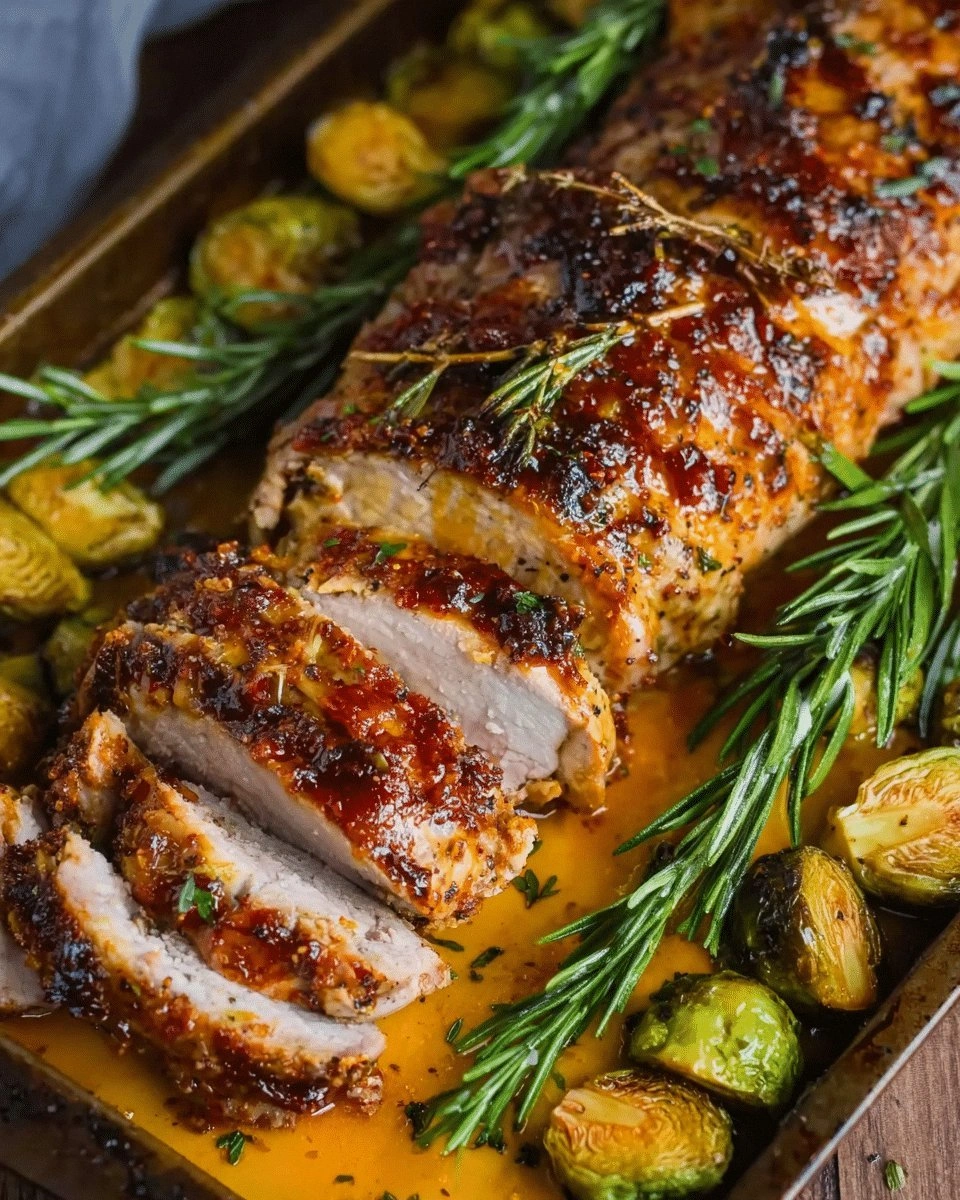
Picture yourself pulling this out of the oven, the whole kitchen smelling incredible, the pork’s surface crackling with a golden crust while the inside remains juicy and tender. The moment the glaze hits the meat, a sweet‑savory symphony explodes—honey’s caramel notes, soy sauce’s umami depth, and orange zest’s bright, zesty punch. The visual is a gleaming, amber‑golden finish that looks like a work of art, while the texture is a contrast between a crispy edge that shatters like thin ice and a silky interior that melts in your mouth. The flavor is bold, with a perfect balance of sweet, salty, and aromatic herbs, making it the hands‑down best version you’ll ever make at home.
I’ll be honest—once I perfected this glaze, I ate half the batch before anyone else got to try it. The secret isn’t just in the ingredients; it’s in the technique, the timing, and the small tweaks that most recipes overlook. Most recipes get this completely wrong by over‑browning the glaze or under‑seasoning the pork. Here’s what actually works: a quick sear to lock in juices, a slow glaze reduction to concentrate flavors, and a final oven finish that gives you that signature caramelized crust.
If you’ve ever struggled with a glaze that turns out too thin or too thick, you’re not alone—my kitchen has seen it all. But trust me, the next few steps will change the game. Stay with me here—this is worth it.
What Makes This Version Stand Out
- Flavor Depth: The combination of honey, soy sauce, and fresh rosemary creates a layered taste that is both sweet and savory, with a hint of herbal brightness that elevates the pork’s natural flavor.
- Crispy Finish: A quick sear followed by a glaze reduction locks in moisture and produces a crust that shatters like thin ice when you bite into it.
- Ingredient Quality: Using fresh rosemary, a whole orange for zest and juice, and high‑quality honey ensures each component shines.
- Time Efficiency: The entire process takes less than an hour, making it a perfect weeknight dinner that still feels special.
- Versatility: The glaze can be used on chicken, pork, or even tofu, and it pairs wonderfully with roasted vegetables or a light salad.
- Make‑ahead Potential: The glaze can be prepared a day ahead and stored in the refrigerator, so you just need to reheat the pork when you’re ready.
- Visual Appeal: The glossy amber glaze gives the dish a restaurant‑grade look that’s Instagram‑ready.
- Audience Impact: Guests rave about the balance of sweet, salty, and herbal notes, often asking for the recipe after the first bite.
Alright, let's break down exactly what goes into this masterpiece...
Inside the Ingredient List
The Flavor Base
The foundation of this dish is the pork tenderloin, a lean cut that benefits from a quick sear to develop a caramelized crust while keeping the inside juicy. If you skip the sear, the pork will steam instead of roast, resulting in a mushy texture that will soak up the glaze like a sponge. Use a high‑heat oil like grapeseed or avocado to ensure a proper sear without smoking. If you’re short on time, you can cut the pork into medallions to reduce cooking time, but the whole tenderloin gives a dramatic presentation.
The rosemary is the herb that anchors the flavor profile. Fresh rosemary offers a woody, piney aroma that contrasts beautifully with the bright citrus notes from the orange. If you can’t find fresh rosemary, a small pinch of dried rosemary works, but you’ll need to increase the quantity slightly to compensate for the loss of volatile oils. When selecting rosemary, look for bright green, needle‑like leaves with no brown spots.
The orange provides both zest and juice. The zest contains essential oils that give a punch of citrus flavor, while the juice adds acidity to balance the sweetness of the honey. If you prefer a sweeter glaze, use a blood orange or a mandarin for a more intense flavor. Remember, the zest is the star—don’t skip it or the glaze will feel flat.
The Sweet‑Salty Symphony
Honey is the sweet backbone of the glaze. It caramelizes when heated, creating a glossy finish and a subtle depth of flavor that butter alone can’t provide. A darker honey, like buckwheat or chestnut, will give a richer taste, while a lighter honey keeps the glaze bright. If you’re lactose intolerant or vegan, simply replace the honey with maple syrup for a similar sweetness.
Soy sauce brings umami and saltiness, balancing the sweetness and adding complexity. Use a low‑sodium version if you’re watching your salt intake, but be prepared to adjust the final seasoning. The soy sauce’s dark color also contributes to the glaze’s glossy appearance. If you’re allergic to soy, tamari or coconut aminos are excellent substitutes.
The Texture Crew
Olive oil is the medium that helps the glaze coat the pork evenly. It also prevents the glaze from sticking to the pan. A high‑quality extra‑virgin olive oil adds a fruity note that complements the rosemary. If you prefer a milder flavor, switch to grapeseed oil.
Garlic is essential for depth. Minced garlic releases its aroma and a subtle sharpness that cuts through the sweetness. If you’re not a fan of raw garlic, sauté it briefly before adding the glaze to mellow its bite.
Salt and pepper are the final touch. Salt amplifies all the flavors, while pepper adds a mild heat. If you love a bit of spice, a pinch of red pepper flakes will give a gentle kick without overpowering the dish.
Everything's prepped? Good. Let's get into the real action...
The Method — Step by Step
- Preheat your oven to 400°F (200°C). While the oven is heating, pat the pork tenderloin dry with paper towels. This step is crucial—dry meat sears better, preventing steam from forming. Let the pork sit at room temperature for 10 minutes; this helps it cook evenly.
- Season the pork generously with salt and pepper on all sides. The seasoning should look like a thin coat of fine dust. This will form a flavorful crust once seared.
- Heat a large oven‑proof skillet (preferably cast iron) over high heat until it’s smoking. Add 1 tablespoon of olive oil, swirl to coat, and then place the pork in the pan. Sear each side for 2–3 minutes, or until a golden crust forms. The sizzle is a sign that the Maillard reaction is working.
- While the pork sears, prepare the glaze. In a small bowl, whisk together 3 tablespoons honey, 2 tablespoons soy sauce, 2 tablespoons fresh orange juice, the zest of one orange, 2 cloves minced garlic, 1 tablespoon fresh rosemary, and a pinch of red pepper flakes. The mixture should be glossy and slightly thick.
- Once the pork is seared, pour the glaze over it. Use a spoon to baste the pork, ensuring every surface is coated. The glaze should start to bubble and thicken slightly, indicating that the sugars are caramelizing.
- Transfer the skillet to the preheated oven. Roast for 20–25 minutes, or until the internal temperature reaches 145°F (63°C). Check the glaze every 5 minutes; it should be glossy and sticky, not too runny.
- Remove the skillet from the oven and let the pork rest on a cutting board for 5 minutes. This allows the juices to redistribute, keeping the meat moist. While resting, place the skillet on the stove again, reduce the heat to medium, and let the glaze simmer for 2–3 minutes to thicken further.
- Slice the pork into medallions or serve whole. Drizzle the thickened glaze over the pork and garnish with a few fresh rosemary sprigs for an extra aroma. The final dish should look glossy, with a crust that cracks when you press it.
- Serve immediately with your choice of sides—roasted root vegetables, a light salad, or steamed rice. The bright orange glaze pairs wonderfully with earthy roots or a crisp cucumber salad.
- Enjoy the symphony of flavors, and remember: the key to perfection lies in timing, temperature, and that final glaze reduction. You did it. But hold on, I've got a few more tricks that'll take this to another level…
Insider Tricks for Flawless Results
The Temperature Rule Nobody Follows
Many cooks rely on time alone to gauge doneness, but temperature is the true metric. A digital thermometer that reads 145°F will give you a juicy center without risking over‑cooking. If you don’t have a thermometer, test the pork by pressing the thickest part; it should feel slightly firm but give a little.
Why Your Nose Knows Best
As the glaze reduces, you’ll notice a caramel scent that signals the sugars are concentrating. Trust that aroma—it’s the moment the glaze turns from a runny sauce into a glossy, sticky coating. If the scent is weak, give it a few more minutes on low heat.
The 5-Minute Rest That Changes Everything
Resting the pork for 5 minutes after roasting allows the juices to redistribute, preventing them from running off when you slice. The result is a tender, moist slice that holds together. I’ve seen people skip this step and end up with dry meat—don’t let that happen.
The Quick Sear Secret
A high‑heat sear creates a caramelized crust that locks in flavor. Use a cast‑iron skillet for even heat distribution. If you’re cooking multiple pieces, sear them in batches to maintain a high temperature.
The Garlic Twist
Sautéing garlic briefly before adding the glaze mellows its bite and releases a sweeter aroma. If you prefer a raw, sharp flavor, add it directly to the glaze. Either way, garlic adds depth that balances the sweet glaze.
The Rosemary Refresh
Fresh rosemary can lose its aroma quickly. Keep a sprig on hand to sprinkle over the finished dish; the fresh scent will enhance the overall experience. If you’re short on rosemary, a dash of dried rosemary works, but the fresh sprig is a game‑changer.
Creative Twists and Variations
This recipe is a playground. Here are some of my favorite ways to switch things up:
Maple‑Mustard Fusion
Swap honey for maple syrup and add 1 tablespoon Dijon mustard to the glaze. The tangy mustard cuts through the sweetness, giving a more complex flavor profile that pairs well with roasted sweet potatoes.
Spicy Sriracha Kick
Add 1 teaspoon of sriracha to the glaze for a spicy, sweet heat that’s great with a cucumber salad. The heat balances the richness of the pork.
Citrus Trio
Incorporate lime zest and juice along with the orange to create a bright, zesty glaze. The lime adds a subtle tartness that pairs well with grilled corn.
Herb‑Infused Variation
Add a handful of fresh thyme or basil to the glaze for an herbaceous twist. The fresh herbs complement the rosemary and add a new dimension.
Vegan Version
Replace the pork with seared tofu or tempeh. Use a vegan honey alternative like maple syrup or agave nectar, and a plant‑based soy sauce. The result is a savory, plant‑based dish that still delivers that glossy, caramelized finish.
Pork Belly Twist
Use pork belly instead of tenderloin for a richer, fattier version. The glaze will render into the fat, creating a melt‑in‑your‑mouth texture that’s hard to resist.
Storing and Bringing It Back to Life
Fridge Storage
Store leftovers in an airtight container in the refrigerator for up to 3 days. The glaze will thicken slightly as it cools, but it remains delicious. When you’re ready to reheat, add a splash of water or broth to loosen the glaze.
Freezer Friendly
Wrap the pork tightly in foil or freezer bags and freeze for up to 2 months. Thaw overnight in the refrigerator before reheating. The texture stays firm, and the glaze re‑coats the meat beautifully.
Best Reheating Method
Reheat in a skillet over low heat, adding a tablespoon of water or broth to keep the glaze from burning. Stir gently to coat the meat evenly. Heat until the internal temperature reaches 140°F (60°C) to avoid overcooking.