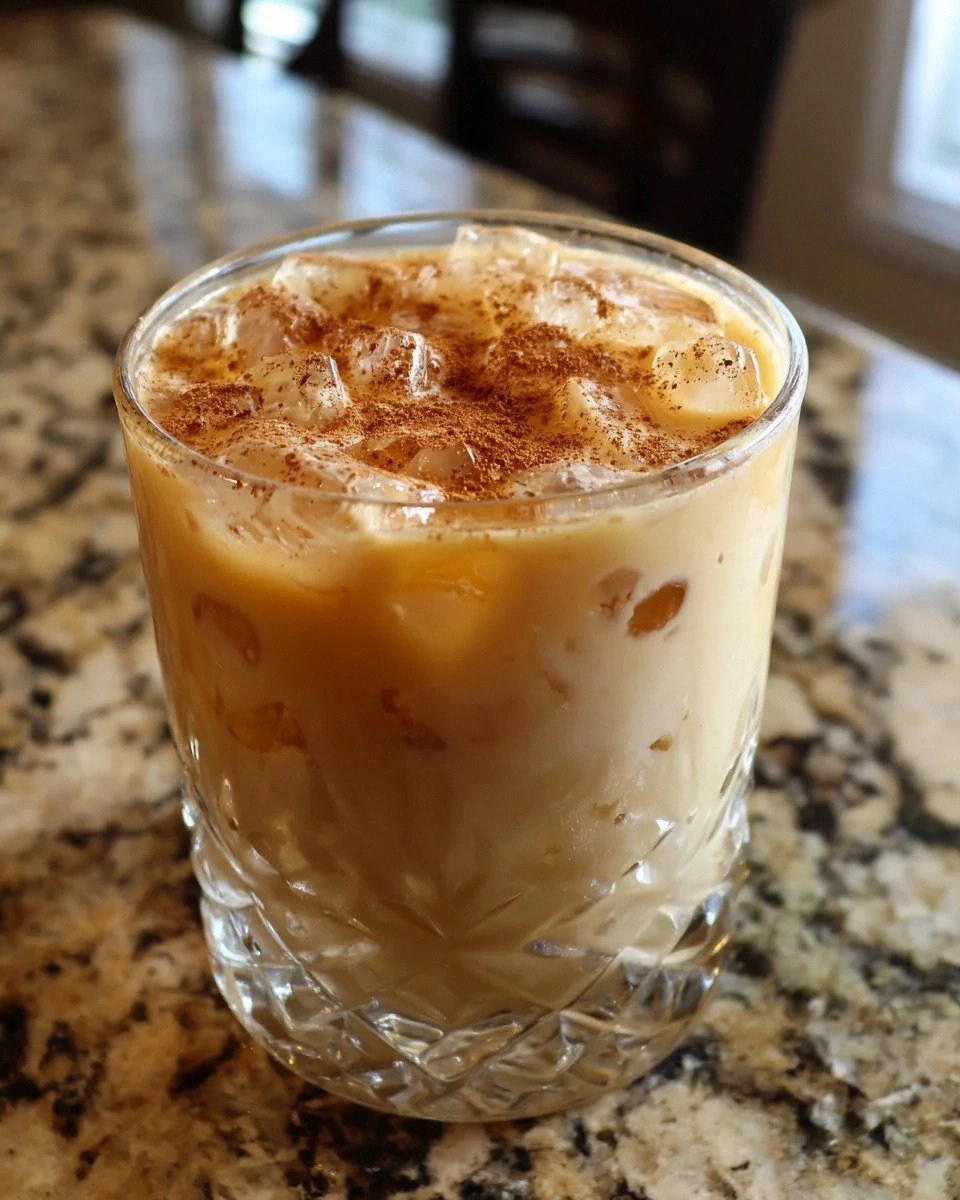
I was in the middle of a frantic Tuesday night, juggling a deadline, a broken blender, and a sudden craving that hit me like a cold wind through an open window. I tried to settle for a store‑bought pumpkin muffin, but the plastic‑wrapped sadness of that bite made me swear I’d never touch pumpkin again. Then my best friend dared me: “Make a pumpkin dessert that even a skeptic will love, and you have to bring it to the office tomorrow.” I laughed, rolled up my sleeves, and thought, okay, I’ll turn my kitchen into a pumpkin‑spice laboratory. The result? A gooey cake that practically melts in your mouth, crowned with a brown‑sugar cream cheese frosting that’s so luscious you’ll want to lick the spoon clean.
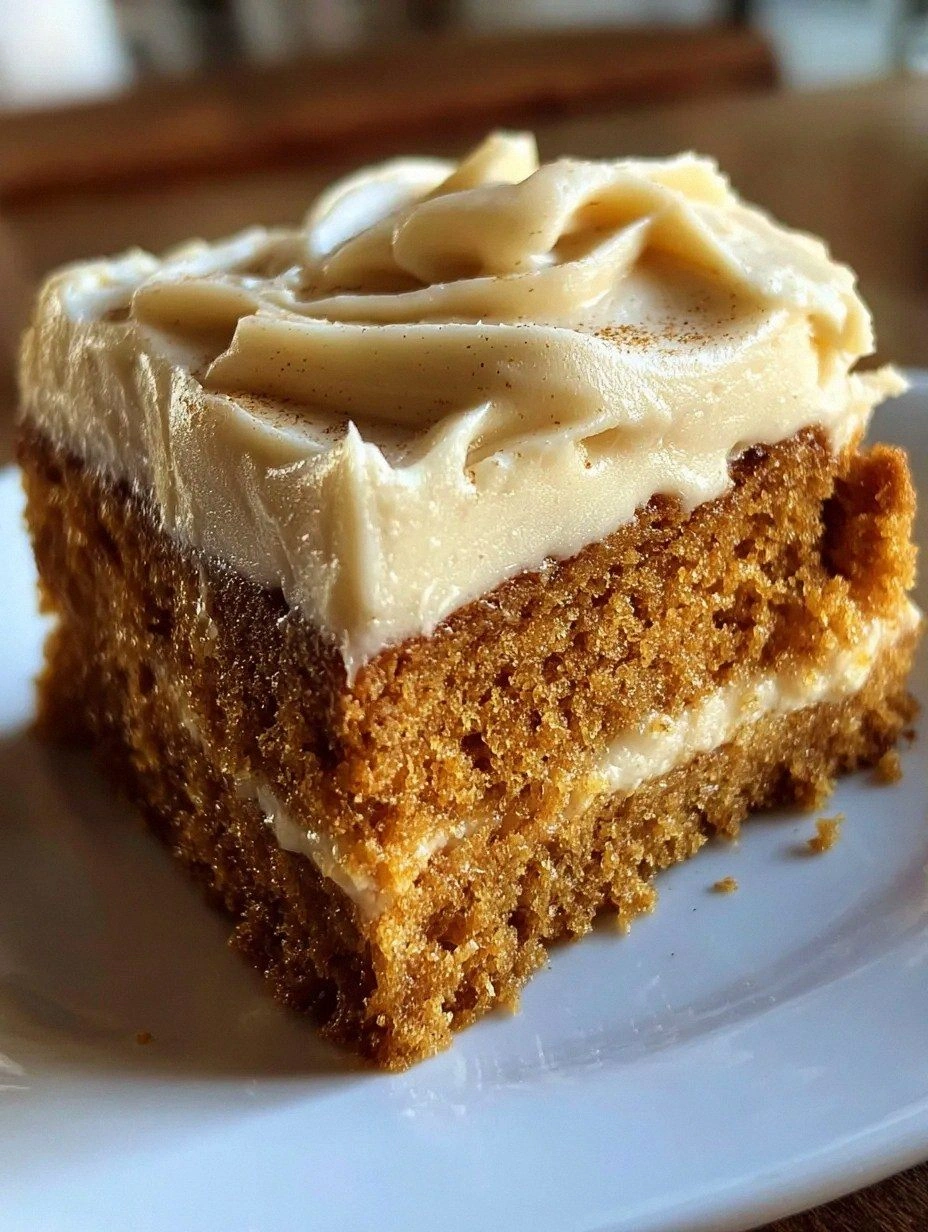
Picture this: the oven door swings open, and a warm, caramel‑kissed aroma floods the kitchen, wrapping around you like a soft blanket. The cake’s top is a golden‑brown canvas, speckled with tiny cracks that promise a soft, molten interior. When you slice into it, a river of glossy, amber‑hued sauce oozes out, glistening like sunrise on a calm lake. The frosting, creamy and sweet, spreads like velvet, its subtle hint of cinnamon dancing with the tang of cream cheese. The whole experience is a sensory symphony—sweet, spicy, buttery, and just a touch tangy—that makes you forget about the cold outside and focus solely on that perfect forkful.
Most pumpkin desserts get the texture wrong—either they’re dry like old bread or overly dense like a brick. This version, however, hits the sweet spot: a cake that’s moist without being soggy, and a frosting that’s thick enough to hold its shape but soft enough to melt on your tongue. The secret? A careful balance of fats, the right amount of leavening, and a surprise ingredient that adds a buttery sheen you won’t see coming. I’ll let you in on that later, but trust me, once you taste it, you’ll be shouting, “I dare you to taste this and not go back for seconds!”
Let me walk you through every single step — by the end, you’ll wonder how you ever made it any other way. Okay, ready for the game‑changer? This isn’t just a recipe; it’s a fall‑time ritual that will have your friends asking for the secret before the first bite. Stay with me here — this is worth it.
What Makes This Version Stand Out
- Flavor: The pumpkin spice blend is layered with caramelized brown sugar, creating a depth that feels like a warm hug on a chilly day.
- Texture: A gooey, almost molten center meets a slightly crisp edge, giving you the best of both worlds in each bite.
- Simplicity: Only pantry staples and a few fresh ingredients are needed; no fancy gadgets or obscure spices.
- Uniqueness: A splash of buttermilk adds a subtle tang that cuts through the sweetness, making the cake feel less cloying.
- Crowd Reaction: Even the most skeptical coworker admits this is the best pumpkin dessert they’ve ever tasted.
- Ingredient Quality: Using real pumpkin puree (not the canned stuff) gives an earthy richness you can’t fake.
- Cooking Method: The “low‑and‑slow” bake at 325°F ensures the cake stays gooey without over‑cooking.
- Make‑Ahead Potential: The frosting can be whipped up a day ahead, and the cake reheats beautifully, saving you morning stress.
Inside the Ingredient List
The Flavor Base
Pumpkin puree is the heart of this cake. It brings natural sweetness, moisture, and that unmistakable earthy note that says “autumn.” If you skip it, you’ll end up with a bland, dry batter that can’t carry the spice. I recommend using a thick, canned puree that’s free of added sugars; the texture will be richer. As a swap, you can blend roasted butternut squash for a slightly nuttier flavor, but keep the volume the same.
The Texture Crew
All‑purpose flour provides structure, while the combination of melted butter and vegetable oil creates a tender crumb that stays moist. The butter adds flavor, the oil adds softness—together they’re a dream team. If you’re looking for a gluten‑free version, try a 1:1 blend of almond flour and oat flour, but be prepared for a denser texture. Salt, though just a pinch, amplifies every other flavor; without it, the sweetness can become cloying.
The Unexpected Star
Buttermilk is the secret weapon. Its acidity reacts with the baking soda, giving the cake a subtle lift while keeping the interior gooey. If you don’t have buttermilk on hand, mix 1 cup milk with 1 tbsp lemon juice or white vinegar and let it sit for five minutes. The result is virtually identical, and you’ll still get that tender crumb.
The Final Flourish
The brown‑sugar cream cheese frosting is where the magic truly happens. Brown sugar adds a caramel depth that plain sugar can’t match, and the cream cheese gives a tang that balances the cake’s sweetness. For a dairy‑free version, swap the cream cheese for a vegan cream cheese and the butter for coconut oil—just remember the flavor will shift slightly toward coconut.
Everything's prepped? Good. Let’s get into the real action…
The Method — Step by Step
Preheat your oven to 325°F (163°C) and grease a 9‑inch springform pan with butter, then line the bottom with parchment paper. This lower temperature is the secret to a gooey center; higher heat would set the cake too quickly and rob it of that molten heart. While the oven warms, take a moment to smell the pumpkin spice blend—if it doesn’t make you smile, add a pinch more.
In a large mixing bowl, whisk together 2 cups of all‑purpose flour, 1 tsp baking soda, 1 tsp baking powder, 2 tsp pumpkin spice, and ½ tsp salt. This dry mix ensures even distribution of leavening agents, preventing any bitter pockets. Watch Out: Over‑mixing the flour can develop gluten, leading to a tougher crumb. Stop whisking as soon as the ingredients are combined.
In a separate bowl, combine 1 cup granulated sugar, 1 cup brown sugar, ½ cup melted butter, and ½ cup vegetable oil. Beat with an electric mixer on medium speed until the mixture looks glossy and slightly lighter in color—about 2 minutes. This is the moment where the sugars start to dissolve, creating a caramel‑like base that will later coat the cake’s interior.
Add 3 large eggs, one at a time, beating well after each addition. Then stir in 1 tsp vanilla extract and 1 cup pumpkin puree. The batter should be thick but pourable; if it feels too stiff, add a splash of buttermilk to loosen it.
Kitchen Hack: Use a rubber spatula to scrape the sides of the bowl—this ensures every bit of butter and sugar is incorporated, preventing dry spots.Slowly pour in 1 cup buttermilk while gently folding the batter with a spatula. You’ll notice the batter becoming smoother and a little looser; that’s exactly what you want. The acidity in the buttermilk will react with the baking soda, creating tiny bubbles that keep the cake airy while preserving its gooey core.
Transfer the batter into the prepared springform pan, smoothing the top with the spatula. Tap the pan lightly on the counter three times to release any trapped air bubbles—this prevents uneven rising. The batter should spread evenly; if the edges look too thick, gently tilt the pan to level it out.
Slide the pan into the preheated oven and bake for 30‑35 minutes. The cake is done when the edges start pulling away from the sides and a toothpick inserted near the center comes out with a few moist crumbs but no wet batter. Watch Out: Opening the oven door before the 20‑minute mark can cause a sudden temperature drop, resulting in a sunken middle.
While the cake bakes, whip the frosting. In a chilled bowl, beat together 8 oz softened cream cheese and ¼ cup softened butter until fluffy. Add 1 cup packed brown sugar, 1 tsp vanilla, and a pinch of salt; beat until smooth and creamy. If the frosting feels too thick, add a tablespoon of milk to loosen it.
Watch Out: Over‑beating the frosting can cause it to become grainy; stop as soon as it’s smooth.When the cake is finished, let it cool in the pan for 10 minutes, then run a thin knife around the edge to release the sides. Remove the springform ring and let the cake cool completely on a wire rack before frosting. The cooling step is crucial; frosting a hot cake will melt the butter in the frosting, turning it into a runny glaze.
Spread the brown‑sugar cream cheese frosting over the top, allowing it to cascade down the sides. The frosting should be thick enough to hold its shape but soft enough to melt slightly when you cut into the cake, creating a luscious sauce that pools on the plate. Serve warm or at room temperature, and watch as your guests’ eyes widen with every forkful. This next part? Pure magic.
That’s it — you did it. But hold on, I’ve got a few more tricks that’ll take this to another level…
Insider Tricks for Flawless Results
The Temperature Rule Nobody Follows
Never bake a pumpkin cake at a scorching 375°F unless you’re aiming for a dry crumb. The lower 325°F temp lets the batter set slowly, preserving that gooey center. I once cranked the heat because I was in a hurry, and the cake turned into a dense brick—my friends still tease me about “the rock.” Keep the oven door closed for the first 20 minutes; that’s when the magic happens.
Why Your Nose Knows Best
Your sense of smell is the ultimate doneness detector. Around the 30‑minute mark, you’ll start to smell caramelized brown sugar and toasted pumpkin. If the aroma isn’t there, give it a couple more minutes. Trusting the nose over the clock prevents under‑ or over‑baking, especially when ovens vary.
The 5‑Minute Rest That Changes Everything
After removing the cake from the oven, let it sit in the pan for exactly five minutes before releasing the sides. This short rest allows the internal steam to redistribute, preventing a soggy bottom and ensuring the frosting doesn’t melt immediately. A friend once skipped this step; the frosting turned into a puddle, and the cake’s structure collapsed. Don’t make that mistake.
Frosting Consistency Hack
Seasonal Spice Balance
If you love spice, add a pinch of ground ginger or a dash of ground cloves to the batter. Too much, however, can overpower the pumpkin’s natural sweetness. I recommend starting with a quarter teaspoon of each and adjusting after your first bake. This subtle tweak adds depth without turning the cake into a “spice overload.”
Creative Twists and Variations
This recipe is a playground. Here are some of my favorite ways to switch things up:
Maple‑Glazed Walnut Crunch
Stir ½ cup toasted walnuts and 2 tbsp pure maple syrup into the batter before baking. The nuts add a satisfying crunch, while the maple deepens the caramel notes. Perfect for anyone who loves a bit of texture contrast.
Chocolate Swirl Delight
Melt ¼ cup dark chocolate and swirl it into the batter with a skewer just before baking. The chocolate creates pockets of rich, bittersweet surprise that pair beautifully with the pumpkin spice. It’s like finding hidden treasure in every slice.
Apple‑Cinnamon Fusion
Replace half of the pumpkin puree with unsweetened applesauce and add an extra teaspoon of cinnamon. The apple brings a fresh brightness, making the cake feel lighter while still retaining that gooey core.
Vegan Velvet
Swap the butter for coconut oil, use a plant‑based cream cheese, and replace eggs with a flax‑egg mixture (1 tbsp ground flaxseed + 3 tbsp water per egg). The result is a dairy‑free version that still boasts the same gooey texture—just a hint of coconut aroma.
Pumpkin Cheesecake Layer
After the cake has cooled, spread a thin layer of plain cheesecake filling (cream cheese, sugar, and a splash of lemon) before adding the brown‑sugar frosting. This adds a tangy, creamy contrast that makes the dessert feel extra indulgent.
Storing and Bringing It Back to Life
Fridge Storage
Cover the cake loosely with plastic wrap or store it in an airtight container. It will keep fresh for up to 4 days. The frosting may firm up a bit; let it sit at room temperature for 15 minutes before serving to regain that silky texture.
Freezer Friendly
Slice the cake, wrap each piece in parchment paper, then foil, and freeze. It will maintain quality for up to 2 months. To reheat, microwave a slice for 20‑30 seconds, or bake a whole cake at 300°F for 15 minutes, covered with foil.
Best Reheating Method
When you want to serve a previously stored cake, place it on a baking sheet, add a tiny splash of water (about a teaspoon) around the edges, and cover loosely with foil. Warm in a 325°F oven for 10‑12 minutes. The steam revives the gooey center while preventing the frosting from drying out.