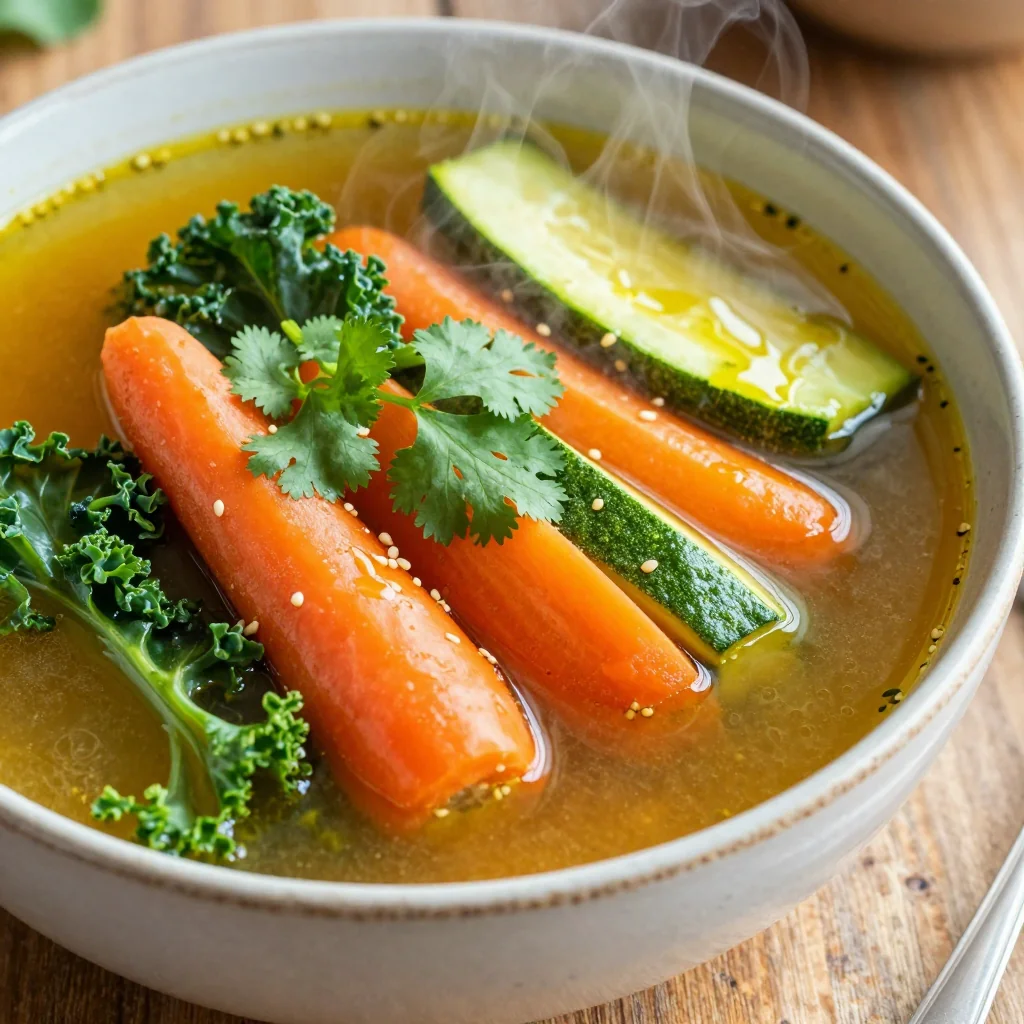
Love this? Pin it for later! 📌
After two weeks of gingerbread, champagne toasts, and cheese boards that could feed a small village, my body was practically begging for a reset. Last January 2nd, I found myself standing in my kitchen at 7 AM, still in my pajamas, staring into the refrigerator like it held the secrets to eternal youth. The holiday leftovers were taunting me—half a pecan pie, a wheel of brie that had seen better days, and a container of gravy that had somehow solidified into a suspicious gelatinous mass.
That's when I remembered the detox soup my grandmother used to make every January. It wasn't one of those punishing, cabbage-only concoctions that leave you hangry by noon. Instead, it was a vibrant, nourishing bowl of goodness that made you feel like you were doing something deeply kind for your body. Within three days of sipping this golden elixir, my skin was glowing, my energy levels had skyrocketed, and I no longer felt like I needed to hibernate until spring.
This New Year's Detox Soup has become my annual tradition—a delicious reset button that helps transition from holiday indulgence to mindful nourishment. Packed with immune-boosting vegetables, anti-inflammatory spices, and cleansing herbs, it's like hitting the refresh button on your entire system. The best part? It actually tastes incredible, unlike those sad, watery detox soups that taste like punishment in a bowl.
Why This Recipe Works
- Gentle Detoxification: Loaded with cruciferous vegetables and leafy greens that support liver function and natural detox pathways
- Anti-Inflammatory Powerhouse: Turmeric, ginger, and garlic work synergistically to reduce inflammation and boost immunity
- Sustained Energy: Complex carbohydrates from sweet potatoes and quinoa provide steady energy without blood sugar spikes
- Digestive Support: Fiber-rich vegetables and probiotic-rich miso promote healthy gut bacteria and regular digestion
- Hydration Hero: High water content from vegetables and mineral-rich broth replenishes fluids lost during holiday celebrations
- Meal Prep Friendly: Tastes even better on day two and freezes beautifully for busy weeknight dinners
- Customizable: Easily adapt to dietary needs—vegan, gluten-free, or add protein for a complete meal
- Mood Booster: Rich in folate and B-vitamins that support neurotransmitter production and combat winter blues
Ingredients You'll Need
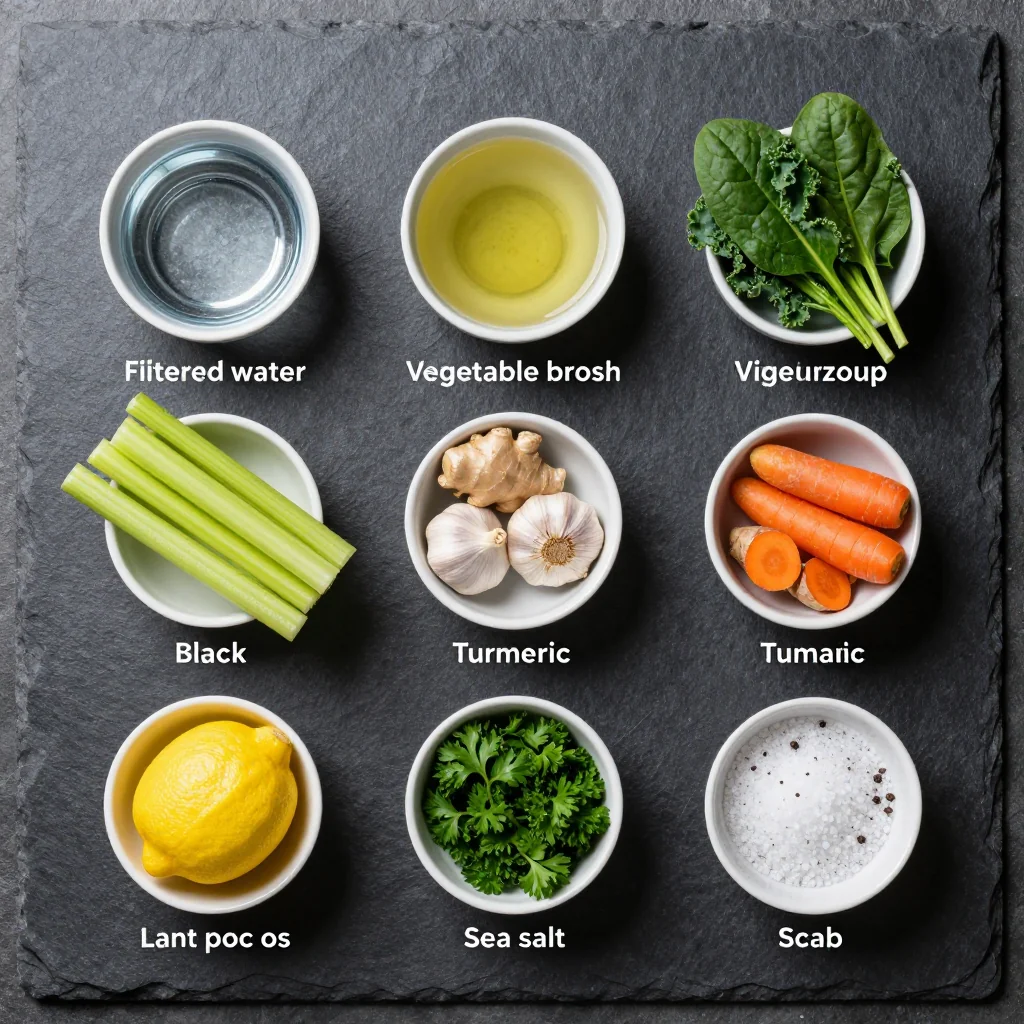
The magic of this detox soup lies in its carefully curated ingredients, each selected for both flavor and function. I've spent years perfecting this combination, testing different vegetables and ratios to create the ultimate reset button for your body. Here's what makes each component special:
The Vegetable Base: We start with a holy trinity of detox vegetables—broccoli, cauliflower, and kale. These cruciferous powerhouses contain glucosinolates, compounds that support your liver's natural detoxification processes. Choose organic when possible, especially for the kale, as leafy greens tend to retain more pesticides. Look for broccoli with tight, dark green florets and cauliflower that feels heavy for its size with no brown spots.
The Aromatic Foundation: Onion, celery, and carrots create the flavor base, but they're doing double duty. Onions contain quercetin, a powerful antioxidant that supports immune function. Celery provides natural sodium to balance electrolytes, while carrots deliver beta-carotene for glowing skin. Dice these small for even cooking and maximum flavor extraction.
The Golden Duo: Fresh turmeric and ginger are non-negotiable here. Turmeric's active compound curcumin is a potent anti-inflammatory, but it needs black pepper and fat to be properly absorbed—both of which our soup provides naturally. Choose turmeric roots that are firm and bright orange inside. For ginger, look for smooth skin and a spicy aroma. Store both in your freezer for easy grating year-round.
The Supporting Cast: Sweet potatoes add natural sweetness and beta-carotene, while quinoa provides complete protein and essential minerals. The white miso paste (fermented soybean paste) introduces beneficial probiotics, but if you can't find it, tamari works as a substitute. Just add it at the end to preserve the beneficial bacteria.
The Liquid Gold: Use low-sodium vegetable broth to control salt levels, or make your own by simmering vegetable scraps—onion peels, carrot tops, celery leaves—with herbs for an hour. The quality of your broth directly impacts the final flavor, so taste and adjust seasoning throughout cooking.
How to Make New Year's Detox Soup for Healthy Reset Goals
Prep Your Mise en Place
Begin by washing all your vegetables thoroughly, especially the leafy greens which can harbor grit. Dice the onion, celery, and carrots into ¼-inch pieces for even cooking. Mince the garlic finely to release its allicin compounds. Peel and grate the ginger and turmeric using a microplane—wear gloves to avoid staining your hands bright yellow. Chop the broccoli and cauliflower into bite-sized florets, keeping the stems for added fiber. Strip the kale leaves from their tough stems, tearing them into manageable pieces. This preparation step ensures smooth cooking and prevents any last-minute scrambling.
Build the Flavor Foundation
Heat 2 tablespoons of extra virgin olive oil in a heavy-bottomed soup pot or Dutch oven over medium heat. When the oil shimmers, add the diced onion with a pinch of salt. Sauté for 3-4 minutes until translucent but not browned—browning creates bitter compounds we want to avoid in a detox soup. Add the celery and carrots, cooking for another 5 minutes until they begin to soften. The vegetables should sweat, not brown. Add the minced garlic, grated ginger, and turmeric, stirring constantly for 30 seconds until fragrant. This releases the aromatic oils and creates the soup's signature golden color.
Add the Hard Vegetables
Stir in the diced sweet potato and quinoa, coating them with the aromatic oil. The quinoa needs this initial contact with fat to prevent it from becoming mushy. Pour in 6 cups of vegetable broth, scraping the bottom to release any flavorful bits. Add the thyme sprigs and bay leaf, but hold off on the miso for now—high heat kills the beneficial probiotics. Bring to a gentle boil, then reduce to a simmer. Cover partially and cook for 15 minutes, allowing the sweet potatoes to start softening and the quinoa to expand properly.
Introduce the Cruciferous Vegetables
After 15 minutes, add the broccoli and cauliflower florets. These vegetables need less cooking time to retain their vibrant color and cancer-fighting compounds. Simmer gently for another 8-10 minutes until tender but still bright green. Overcooking breaks down the glucosinolates and creates that unpleasant sulfurous smell. Test doneness by piercing a floret with a fork—it should meet slight resistance. The quinoa should be translucent with visible spirals, indicating it's perfectly cooked.
Finish with Leafy Greens
Remove the pot from heat temporarily—this is crucial for preserving nutrients in the kale. Stir in the torn kale leaves, pushing them down into the hot broth. The residual heat will wilt them perfectly without overcooking. Kale is a nutritional powerhouse, but heat-sensitive vitamins like vitamin C and K degrade with prolonged cooking. Let the soup sit for 2-3 minutes while you prepare the final seasoning. The kale should turn bright green and tender.
Season and Serve
Ladle ½ cup of the hot broth into a small bowl and whisk in the white miso paste until smooth. This prevents lumps and protects the probiotics from direct heat. Return this mixture to the pot, stirring gently to incorporate. Taste and adjust seasoning with sea salt and freshly ground black pepper. The miso adds umami depth and beneficial bacteria, while the pepper enhances turmeric absorption. Serve immediately in warmed bowls, garnished with fresh herbs if desired. A squeeze of lemon brightens all the flavors and adds vitamin C.
Optional Blending for Texture
For a creamier texture without dairy, use an immersion blender directly in the pot. Pulse 3-4 times to break down some vegetables while maintaining chunks for texture. Alternatively, transfer 2 cups of soup to a blender, puree until smooth, and return to the pot. This creates a luxurious, velvety base while preserving the integrity of the vegetables. Be careful when blending hot liquids—remove the center cap from the blender lid and cover with a towel to prevent explosions.
Storage and Reheating
Allow the soup to cool completely before storing in airtight containers. It will thicken as the quinoa continues absorbing liquid, so add vegetable broth or water when reheating. Store in the refrigerator for up to 5 days or freeze for up to 3 months. When reheating, use gentle heat and add a splash of water to restore the perfect consistency. The flavors actually meld and improve after 24 hours, making this ideal for meal prep. Never boil the soup after adding miso, as high heat destroys the beneficial bacteria.
Expert Tips
Maximize Turmeric Absorption
Always pair turmeric with black pepper and a fat source. The piperine in pepper increases curcumin absorption by up to 2000%. The olive oil in this recipe provides the necessary fat for optimal bioavailability.
Prevent Bitter Broccoli
Add broccoli only during the last 8-10 minutes of cooking. Overcooked broccoli releases sulfurous compounds that create an unpleasant taste and destroy heat-sensitive nutrients like vitamin C.
Make Your Own Broth
Save vegetable scraps—onion peels, carrot tops, celery leaves—in a freezer bag. Simmer with herbs for an hour to create mineral-rich broth that's practically free and incredibly flavorful.
Preserve Miso Benefits
Never boil miso—it kills the beneficial probiotics. Always whisk it with warm (not hot) broth before adding to the soup. This maintains its digestive enzymes and gut-healing properties.
Quick Kale Prep
Massage kale leaves for 30 seconds before adding to soup. This breaks down the tough cellulose structure, making nutrients more bioavailable and reducing cooking time.
Double the Recipe
This soup freezes beautifully and tastes even better the next day. Make a double batch and portion into individual containers for grab-and-go healthy meals throughout January.
Variations to Try
Spicy Metabolic Boost
Add ½ teaspoon cayenne pepper and 1 diced jalapeño with the aromatics. The capsaicin boosts metabolism and adds a warming element perfect for cold January days.
Evening Calming Version
Swap turmeric for 1 teaspoon dried lavender and add ½ cup cooked brown rice instead of quinoa. Lavender promotes relaxation and better sleep quality.
Protein-Packed Power
Add 1 cup cooked red lentils or 1 pound diced firm tofu during the last 10 minutes. This transforms the soup into a complete meal with 18g protein per serving.
Summer Light Version
Replace sweet potatoes with zucchini and yellow squash. Add fresh basil and mint instead of thyme. Serve chilled with a squeeze of fresh lime for a refreshing summer detox.
Storage Tips
Proper storage is crucial for maintaining both the nutritional value and flavor of your detox soup. The key is understanding how each ingredient behaves over time and taking steps to preserve freshness.
Refrigerator Storage (3-5 days)
Store cooled soup in airtight glass containers to prevent staining from turmeric. The soup will thicken considerably as the quinoa continues absorbing liquid—this is normal and actually improves the texture. When reheating, add vegetable broth or water to achieve desired consistency. Always reheat gently over medium-low heat, never in the microwave, to preserve nutrients. Stir occasionally and add liquid as needed.
Freezer Instructions (Up to 3 months)
Portion soup into individual serving containers, leaving 1 inch of space for expansion. I prefer silicone freezer bags—they lie flat and thaw quickly. Label with contents and date, as turmeric can make everything look similar after freezing. Thaw overnight in the refrigerator or use the defrost setting on your microwave. Never refreeze once thawed, as this compromises both texture and food safety.
Meal Prep Strategy
Prepare the base soup without the miso and kale. Store in portioned containers, then add fresh kale and miso when reheating. This preserves maximum nutrition and vibrant color. Keep a jar of pre-washed kale in your crisper drawer for quick additions throughout the week. The soup base will keep for 7 days this way, extending your meal prep window.
Frequently Asked Questions
Absolutely! For slow cooker, add everything except kale and miso. Cook on low 6-7 hours or high 3-4 hours. Add kale during last 30 minutes, then stir in miso before serving. For Instant Pot, use sauté function for aromatics, then pressure cook on high for 8 minutes with natural release for 10 minutes. Add kale and miso after releasing pressure.
Try baby spinach, Swiss chard, or arugula instead. Spinach wilts almost instantly, so add it just before serving. Swiss chard needs 2-3 minutes to soften. Arugula adds a peppery kick and wilts immediately. You could also use bok choy or napa cabbage for an Asian-inspired version. Each green offers different nutrients, so rotate them for variety.
Bitterness usually comes from overcooked broccoli or burnt aromatics. Ensure you're cooking onions until translucent, not browned. Add broccoli only for the final 8-10 minutes. If already bitter, add a diced apple or 1 tablespoon maple syrup to balance. A squeeze of fresh lemon juice also helps counteract bitterness. Next time, add broccoli later in cooking.
Yes, but fresh is superior for both flavor and nutrition. If using ground, use 1 teaspoon and add it with the aromatics to bloom in the oil. Fresh turmeric has higher curcumin content and brighter flavor. Ground turmeric can become bitter if overcooked. Always pair with black pepper and fat for absorption, regardless of form.
This soup is designed as a gentle reset, not an extreme detox. Enjoy it daily for breakfast or lunch for 3-7 days while maintaining normal dinners. Listen to your body—some people thrive on 5 days, others prefer 3. Always include variety: add different proteins, switch up greens, or try the variations above. Consult a healthcare provider for extended cleanses.
Absolutely! Add cooked chickpeas, white beans, or red lentils during the last 10 minutes. For animal protein, shredded rotisserie chicken or cooked shrimp work well. Tofu or tempeh absorb the flavors beautifully. Add 1 cup cooked grain like brown rice or farro for extra staying power. The quinoa already provides complete protein, making this soup surprisingly filling on its own.

New Year's Detox Soup for Healthy Reset Goals
Ingredients
Instructions
- Heat olive oil in a large pot over medium heat. Sauté onion with a pinch of salt for 3-4 minutes until translucent.
- Add celery and carrots, cooking 5 minutes until beginning to soften. Stir in garlic, ginger, and turmeric for 30 seconds.
- Stir in sweet potato and quinoa, coating with oil. Pour in vegetable broth, add thyme and bay leaf. Bring to a boil, then simmer 15 minutes.
- Add broccoli and cauliflower, simmer 8-10 minutes until tender but still bright green.
- Remove from heat, stir in kale leaves. Let stand 2-3 minutes until wilted.
- Whisk miso with ½ cup warm broth until smooth, then stir back into soup. Season with salt and pepper.
- Serve immediately with lemon wedges, or cool completely and store for meal prep.
Recipe Notes
For best results, add miso only after removing from heat to preserve beneficial probiotics. Soup thickens as it sits—thin with additional broth when reheating. Freeze individual portions for up to 3 months.