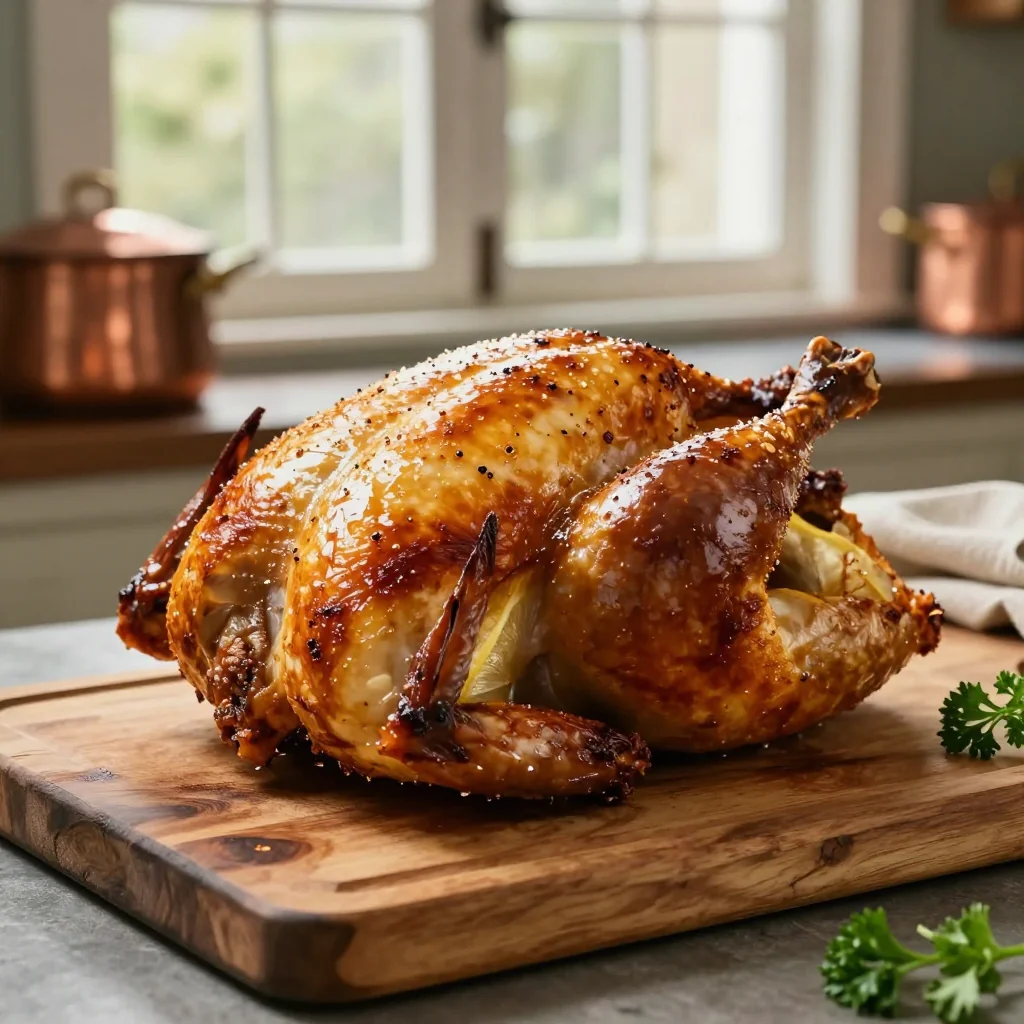
A bright, aromatic roast that turns a simple Sunday dinner into a celebration of citrus and herb‑infused comfort.
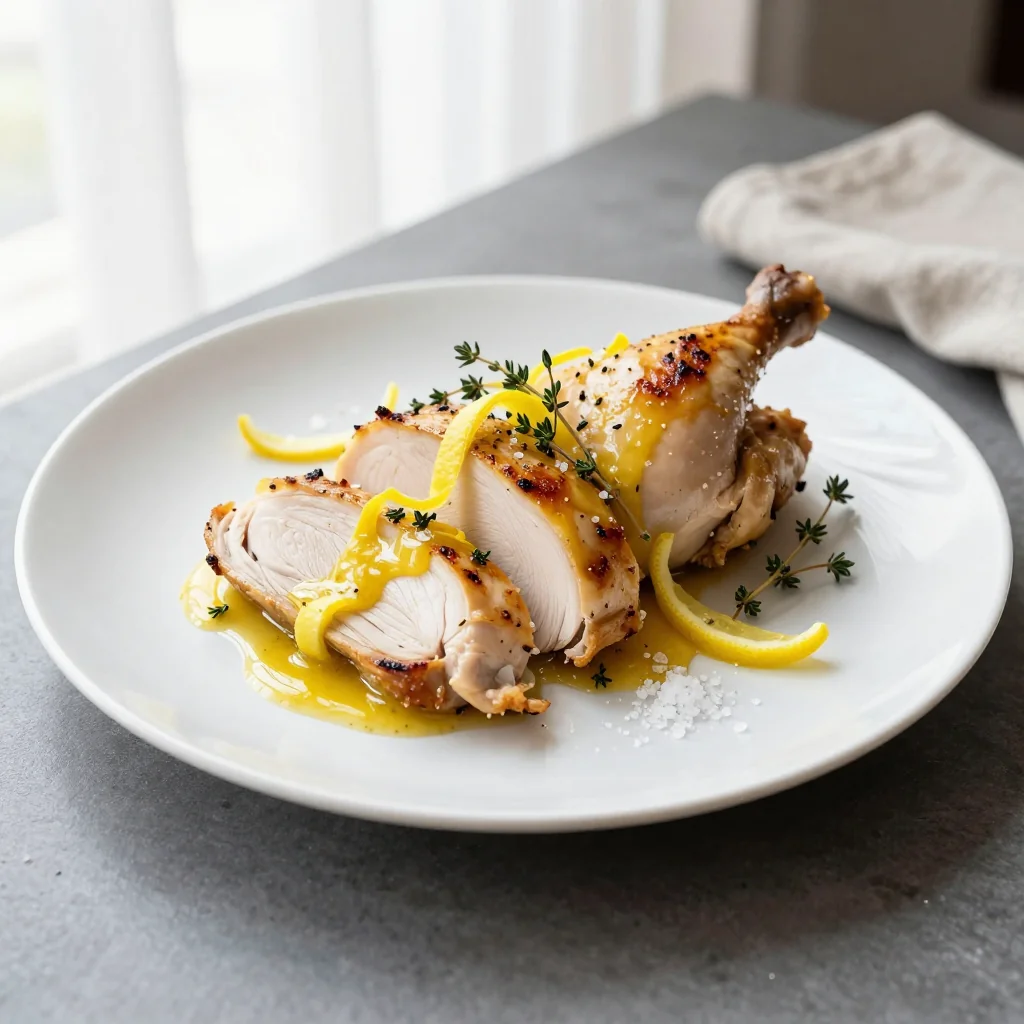
There’s something magical about the first time you hear the sizzle of a whole chicken turning golden in the oven, its skin crackling as the citrus‑infused steam rises. I still remember the summer evening when I first tried this recipe at my grandmother’s farmhouse; the aroma of lemon and garlic drifted through the open windows, drawing the whole family to the kitchen. That moment sparked a lifelong love affair with simple, flavor‑forward roasting.
Rooted in classic French country cooking, this Lemon Garlic Roast Chicken balances bright acidity with the comforting richness of butter and herbs. It’s a dish that has travelled from rustic farm tables to modern dinner parties, proving that good food transcends time and place.
In this guide, you’ll learn how to achieve perfectly crisp skin, juicy meat, and a fragrant pan‑dripping sauce that can be turned into a quick gravy. I’ll walk you through every step, from selecting the ideal bird to mastering the timing, so you can replicate restaurant‑quality results at home.
Ready to bring sunshine to your table? Let’s dive in and make a roast that will become a staple in your culinary repertoire.
🌟 Why This Recipe Will Captivate You
This roast isn’t just a meal; it’s an experience that combines simplicity, bold flavor, and visual drama.
- ✨ Effortless Elegance: With just a handful of pantry staples you create a dish that looks and tastes like it belongs in a fine‑dining menu.
- ✨ Balanced Flavor Profile: The bright lemon cuts through the richness of butter while garlic adds depth, and herbs provide an earthy backbone.
- ✨ One‑Pan Convenience: All ingredients roast together, meaning fewer dishes and a natural pan sauce that’s ready for spooning.
- ✨ Adaptable for Any Season: Whether you’re serving a summer garden party or a cozy winter gathering, the citrus notes stay lively year‑round.
- ✨ Nutrient‑Rich Protein: Chicken offers lean protein, while the lemon provides vitamin C and the herbs contribute antioxidants.
- ✨ Crowd‑Pleaser: Even picky eaters love the aromatic aroma and the satisfying crunch of the skin.
🥗 Ingredients
📝 Complete Ingredient List
For the Roast:
For the Pan Sauce:
For Garnish:
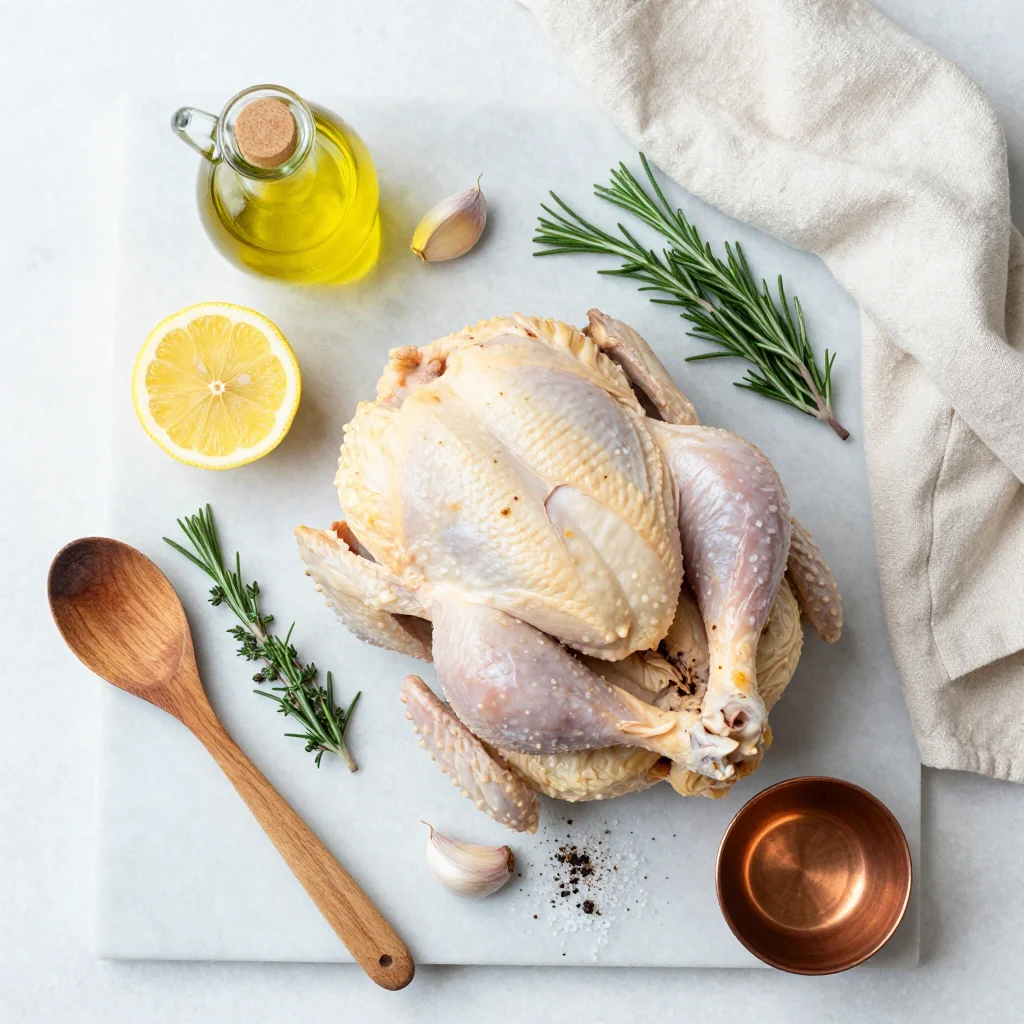
🔍 Focus on Key Ingredients
Lemon
Lemons provide a bright, acidic counterpoint that tenderizes the meat and lifts the overall flavor. Choose lemons with a smooth, bright yellow rind; a heavier lemon usually indicates more juice. The zest contains aromatic oils that intensify the citrus aroma when roasted.
Garlic
Garlic adds depth and a subtle sweetness once caramelized. Fresh cloves retain more natural sugars than pre‑minced jars, which can become bitter under high heat. Crushing the cloves before mincing releases more of the flavorful allicin compounds.
Fresh Herbs (Thyme & Rosemary)
Both thyme and rosemary are resilient to long cooking times, releasing piney, woody notes that complement the lemon’s brightness. When possible, use fresh sprigs; they’ll infuse the pan juices more vividly than dried, though dried works well in a pinch.
🔄 Quick Substitutions
| If you don’t have… | Use instead… |
|---|---|
| Fresh lemon | 2 tbsp bottled lemon juice + zest of 1 lime |
| Olive oil | Canola oil or melted ghee |
| Dried rosemary | 1 tsp fresh rosemary, finely chopped |
👨🍳 Step‑by‑Step Instructions
Follow these detailed steps to achieve a golden, juicy roast with a fragrant pan sauce that’s perfect for spooning over rice, potatoes, or a fresh salad.
📋 Phase 1: Preparation & Mise en Place
Gather, measure, and prep all components before the oven gets hot.
Pat the Chicken Dry
Remove the chicken from its packaging and discard any giblets. Pat the skin completely dry with paper towels; moisture is the enemy of crispness. Place the bird on a cutting board, breast side up, and let it rest for a few minutes while you prepare the aromatics.
Create the Lemon‑Garlic Herb Rub
In a small bowl, combine the minced garlic, olive oil, melted butter, salt, black pepper, thyme, rosemary, and the juice of two lemons (about ¼ cup). Whisk until a smooth paste forms. The mixture should smell fragrant and slightly oily.
Apply the Rub Under and Over the Skin
Gently loosen the skin over the breast and thighs using your fingertips. Spoon half of the rub underneath the skin, spreading it evenly with your hands. Then rub the remaining mixture over the entire exterior, making sure every crevice is coated. This dual‑layer technique guarantees flavor penetrates the meat while the outer layer crisps.
🔥 Phase 2: Roasting & Sauce Development
Time to let the oven work its magic.
Preheat the Oven and Position the Chicken
Preheat your oven to 200 °C (390 °F). Place the seasoned chicken on a rack inside a roasting pan, breast side up. Tuck the quartered lemons and any remaining garlic cloves into the cavity; they’ll steam the interior and add extra aroma.
Roast the Chicken
Insert the pan into the oven and roast for 45 minutes. After this initial period, baste the bird with the pan juices and add the chicken broth to the bottom of the pan. Continue roasting for another 35 minutes, or until an instant‑read thermometer inserted into the thickest thigh registers 75 °C (165 °F).
During the last 10 minutes, switch the oven to broil for 2‑3 minutes to achieve an extra‑crisp skin. Keep a close eye—broiling can go from perfect to burnt in seconds.
Rest the Bird
Remove the chicken from the oven and transfer it to a cutting board. Tent loosely with foil and let it rest for 15 minutes. Resting allows the juices to redistribute, ensuring each slice stays moist.
✨ Phase 3: Finishing Touches & Plating
The final flourish that makes the dish shine.
Carve the Chicken
Start by removing the legs and thighs, then slice the breast meat against the grain. Arrange the pieces on a warm serving platter, keeping the juices collected in the pan for drizzling.
Make a Quick Pan Sauce (Optional)
Place the roasting pan on the stovetop over medium heat. Add a splash more chicken broth if needed, scrape up the browned bits with a wooden spoon, and whisk in the chopped parsley. Simmer for 3‑4 minutes until slightly reduced, then pour over the carved chicken.
Garnish and Serve
Scatter fresh parsley leaves and lemon wedges around the platter. The bright green and sunny yellow add visual contrast and invite diners to squeeze extra lemon juice if they desire.
💡 Expert Tips & Tricks
🛒 Choosing the Right Ingredients
When selecting a chicken, aim for a bird that feels heavy for its size; this indicates good meat density. Look for skin that is intact, without tears, and a slight yellow hue that signals natural fat. For lemons, avoid those with soft spots—firm lemons retain their zest and juice better. Fresh garlic should be plump and not sprouting, as sprouted cloves can taste bitter.
🔪 Preparation Techniques
Loosening the skin is a game‑changer. Use your fingertips to gently separate the skin from the breast meat without tearing it; this creates a pocket for the rub. When mincing garlic, let it rest for a few minutes after chopping; this allows the enzymes to develop fuller flavor. Finally, pat the chicken dry thoroughly—any moisture will steam rather than roast.
🌡️ Mastering the Cooking Process
Temperature consistency is crucial. Use a reliable oven thermometer; many home ovens run hotter or cooler than the dial indicates. Insert a probe thermometer into the thigh; the meat is done when it reaches 75 °C (165 °F). If you prefer extra‑crisp skin, increase the oven temperature to 220 °C (425 °F) for the final 10 minutes, but watch closely.
🍽️ Presentation & Service
For a restaurant‑style presentation, slice the breast into thin, even pieces and fan them out on a large platter. Place the legs and thighs in a circular arrangement around the center. Drizzle the pan sauce artistically, then finish with a sprinkle of chopped parsley and a few lemon wedges for color contrast.
🏆 Pro Tips
Elevate this roast from home‑cooked comfort to culinary perfection with these insider secrets.
- 🎯 Brining Before Roasting: Submerge the chicken in a simple brine (½ cup kosher salt dissolved in 4 cups water, plus a few sprigs of thyme) for 2‑4 hours. Brining increases moisture retention, resulting in juicier meat and more flavorful skin.
- 🎯 Use a Cast‑Iron Skillet: If you have a heavy‑bottomed cast‑iron skillet, roast the chicken directly in it. The skillet distributes heat evenly, creating a deeper Maillard reaction and richer caramelization.
- 🎯 Add Aromatics to the Pan: Toss whole garlic cloves, rosemary sprigs, and thick lemon slices into the roasting pan. As they cook, they infuse the drippings, which can be turned into a more complex sauce.
- 🎯 Baste with Butter‑Garlic Emulsion: Melt a tablespoon of butter with a pinch of garlic and brush it over the chicken every 20 minutes. This adds gloss, flavor, and helps achieve that coveted golden hue.
- 🎯 Rest on a Wire Rack: After roasting, let the bird rest on a wire rack instead of a solid board. This prevents steam from making the skin soggy and keeps the bottom crisp.
- 🎯 Finish with a Splash of Acid: Right before serving, drizzle a teaspoon of high‑quality aged balsamic vinegar over the sliced meat. The subtle sweetness balances the lemon’s acidity and adds depth.
“A perfectly roasted chicken is the canvas; the lemon and garlic are the brushstrokes that turn it into art.” — Chef Thomas Keller
🔄 Variations & Adaptations
The core recipe is versatile enough to accommodate dietary preferences, flavor cravings, and cultural twists.
🥬 Vegetarian / Vegan Version
Replace the chicken with a whole cauliflower head or a firm tofu block (pressed and marinated). Use vegetable broth instead of chicken broth, and increase the olive oil to 4 tbsp to ensure crispness. The lemon‑garlic herb rub works identically, delivering the same bright flavor profile.
- Substitution 1: 1 large cauliflower, cut into florets
- Substitution 2: 400 g firm tofu, pressed and sliced
🌶️ Flavor Variations
Play with additional aromatics or spice blends to suit your palate.
Spicy Version:
Add 1 tsp smoked paprika and a pinch of cayenne pepper to the rub. Finish with a drizzle of harissa sauce for an extra kick.
Mediterranean Version:
Swap thyme for oregano, add ½ cup pitted Kalamata olives and a handful of sun‑dried tomatoes to the pan. Finish with a sprinkle of crumbled feta.
Asian‑Inspired Version:
Replace rosemary with 1 tsp five‑spice powder, add 1 tbsp soy sauce to the rub, and garnish with toasted sesame seeds and chopped cilantro.
⚠️ Dietary Adaptations
Gluten‑Free:
The recipe is naturally gluten‑free; just ensure your broth and any added sauces are certified gluten‑free.
Lactose‑Free:
Replace butter with a dairy‑free alternative such as vegan margarine or extra olive oil.
Low‑Calorie:
Trim excess skin before cooking, use skinless chicken breasts instead of a whole bird, and reduce butter to ½ tbsp. Serve with a side of steamed vegetables to keep the meal light.
👶 Family / Kids Version
Kids often prefer milder flavors. Reduce the garlic to 3 cloves, omit the black pepper, and serve the chicken with a honey‑lemon glaze (1 tbsp honey mixed with 1 tbsp lemon juice) brushed during the last 10 minutes of roasting.
📦 Storage & Reheating
🧊 Conservation
Refrigerator:
- Duration: 3 days
- Container: Airtight glass or BPA‑free plastic
- Tip: Store the meat and sauce separately to keep the skin crisp.
Freezer:
- Duration: 2 months
- Method: Portion the chicken into individual servings, wrap tightly in foil, then place in a freezer‑safe bag.
- Defrosting: Thaw overnight in the refrigerator; reheat using the oven method for best texture.
💡 For optimal flavor retention, reheat with a splash of broth to prevent drying out.
♨️ Reheating
🔥 Oven (Recommended):
- Preheat to 180 °C (350 °F).
- Cover the chicken loosely with aluminum foil to retain moisture.
- Heat for 15 minutes, then remove the foil and continue for 5‑7 minutes to restore crispness.
⚡ Microwave (Quick):
- Place a piece on a microwave‑safe plate, cover with a microwave‑safe lid.
- Heat on medium power for 1 minute, then stir or flip and continue in 30‑second intervals.
- Check for even heating; avoid overcooking to prevent rubbery texture.
🍳 Stovetop:
Heat a skillet over medium‑low heat, add a splash of broth, and gently warm the chicken, turning occasionally. This method revives the sauce and keeps the meat moist.
🍷 Perfect Pairings
🥗 Side Dishes
- Roasted Garlic Mashed Potatoes: Creamy potatoes soak up the lemon‑garlic pan sauce beautifully.
- Herb‑Infused Quinoa Salad: Light, fluffy quinoa tossed with cucumber, mint, and a drizzle of lemon vinaigrette adds freshness.
- Steamed Asparagus with Parmesan: The vegetal crunch complements the richness of the chicken.
🍷 Wine & Beverage Pairings
- Chardonnay (oaked): Its buttery notes echo the butter in the rub while the acidity matches the lemon.
- Sauvignon Blanc: Crisp citrus flavors enhance the lemon component.
- Non‑Alcoholic: Sparkling water with a splash of lemon and fresh mint provides a refreshing palate cleanser.
🍰 To Complete the Meal
Begin with a light arugula and pear salad dressed in a honey‑mustard vinaigrette. Follow the main course with a classic French tarte aux pommes or a simple vanilla panna cotta topped with berries, letting the citrus notes linger on the palate.
❓ Frequently Asked Questions
Q: Can I use a spatchcocked chicken instead of a whole bird?
A: Absolutely. Spatchcocking (flattening) the chicken reduces cooking time by about 15‑20 minutes and promotes even crispness across the skin. Adjust the total cooking time accordingly and still aim for an internal temperature of 75 °C (165 °F) in the thickest part.
Q: How do I prevent the lemon slices from burning?
A: Cut the lemons into thick quarters rather than thin wedges, and tuck them partially under the chicken. The meat’s juices will shield them, and if you notice excessive browning, tent the pan with foil during the final 10 minutes.
Q: What if I don’t have fresh herbs?
A: Dried herbs work fine; just use about one‑third of the amount called for fresh (e.g., 1 tsp dried rosemary instead of 1 tbsp fresh). Add them to the rub early so they have time to rehydrate during cooking.
Q: My chicken skin isn’t as crispy as I’d like. What went wrong?
A: Several factors can affect crispness: excess moisture on the skin, overcrowding the pan, or insufficient oven temperature. Pat the bird dry, leave it uncovered in the fridge before roasting, and make sure the oven is fully pre‑heated. A final broil for 2‑3 minutes can also rescue the texture.
Q: Can I freeze the pan sauce?
A: Yes. Cool the sauce completely, then transfer it to an airtight container. It will keep for up to 3 months. Reheat gently on the stovetop, whisking in a splash of broth if it thickens too much.
Q: Is it safe to prepare the rub a day ahead?
A: Certainly. Mix the rub, store it in an airtight container in the refrigerator, and apply it to the chicken the next day. This even enhances flavor penetration while saving time on the cooking day.
🎉 Let’s Get Cooking!
With its bright lemon aroma, tender meat, and crisp skin, this Lemon Garlic Roast Chicken is a timeless centerpiece that impresses both casual diners and seasoned food lovers. The step‑by‑step guide ensures you’ll master the technique, while the variations let you tailor the dish to any dietary need or flavor craving. Remember, the secret lies in patience, proper seasoning, and respecting the heat.
Give it a try, share your beautiful results, and don’t hesitate to ask questions in the comments. Your feedback helps refine the recipe and inspires future culinary adventures.
Have you tried this recipe?
Leave a comment and a rating below! Share your photos on Instagram with #LemonGarlicRoast for a chance to be featured.
Lemon Garlic Roast Chicken
A bright, aromatic roast that turns a simple dinner into a celebration of citrus and herbs.
📝 Ingredients
For the Roast
For the Sauce
Garnish
👨🍳 Instructions
- 1 Pat the chicken dry, season inside the cavity with a pinch of salt, and set aside.
- 2 Mix garlic, lemon juice, olive oil, butter, salt, pepper, thyme, and rosemary into a smooth rub.
- 3 Gently loosen the skin and rub half the mixture underneath, then coat the exterior.
- 4 Preheat oven to 200 °C, place chicken on a rack in a roasting pan, tuck lemon quarters inside.
- 5 Roast 45 minutes, baste with pan juices, add broth, and continue roasting another 35 minutes.
- 6 Rest the bird 15 minutes before carving.
- 7 Carve the chicken, arrange on a platter, and drizzle with pan sauce.
- 8 Garnish with fresh parsley leaves and lemon wedges.
- 9 Serve with your favorite side dishes and enjoy.
- 10 Store leftovers in airtight containers; reheat gently for best results.
🥗 Nutritional Information (per serving)
*Values are approximate and based on standard ingredient measurements.
📚 You Might Also Like
Herb Roasted Vegetables
Garlic Butter Shrimp
Lemon Pasta Primavera






💬 Comments & Reviews
LLeave a Comment
No comments yet. Be the first to share your thoughts!