There are moments in life when the universe conspires against your dinner plans. Last Tuesday was one of those nights. My internet died, the grocery delivery got canceled, and my fridge looked like a crime scene from a vegetable documentary. But here's the thing — sometimes the best recipes are born from culinary desperation. What started as "ugh, what can I make with chicken and that sad lemon rolling around the crisper drawer" turned into the most outrageously delicious skillet dinner I've ever pulled off in under 45 minutes.
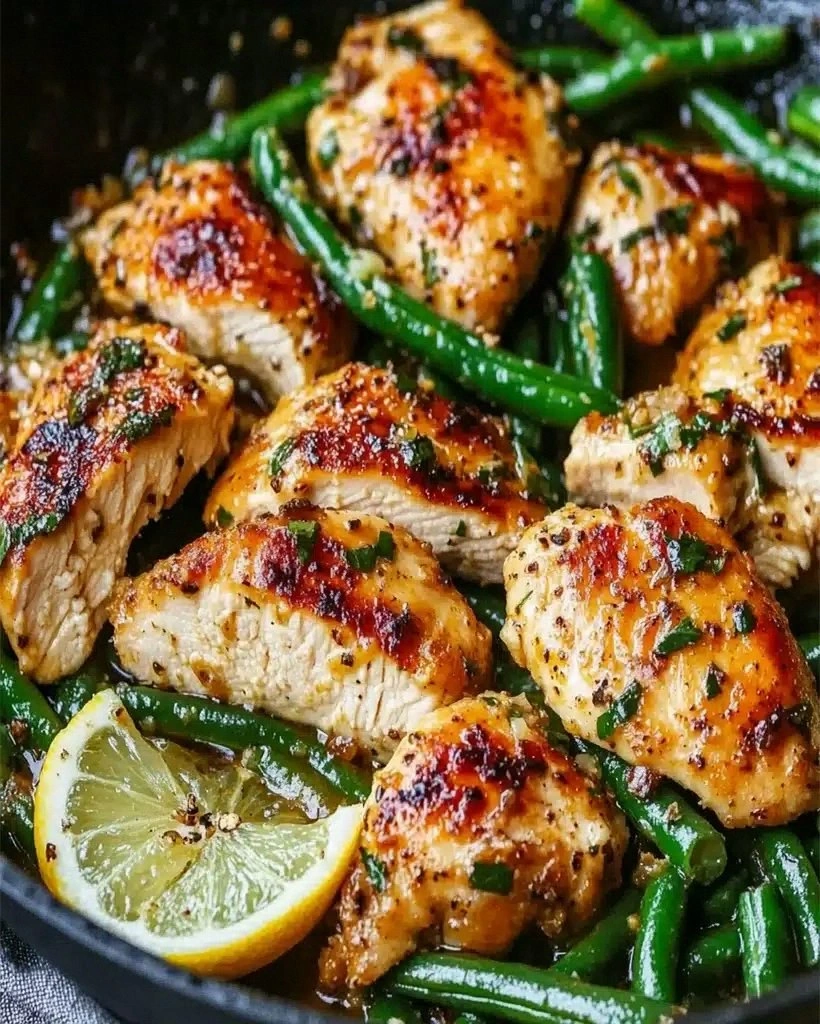
Picture this: golden-brown chicken thighs swimming in a sauce so silky and fragrant that my neighbor actually knocked on my door to ask what smelled so incredible. The buttery lemon-garlic elixir coats every piece of meat like liquid sunshine, while the crispy edges of the chicken create these little flavor bombs that shatter between your teeth. That sizzle when everything hits the pan? Absolute perfection. I dare you to taste this and not go back for seconds — actually, I double-dog dare you, because I ate half the batch before anyone else got to try it.
Most skillet chicken recipes are about as exciting as beige wallpaper. They're dry, bland, and taste like someone gave up halfway through cooking. But this version? This is the Beyoncé of chicken dinners — it commands attention, steals the spotlight, and leaves everyone asking for an encore. The secret lies in building layers of flavor that would make a French chef weep with joy, all while using ingredients you probably already have lurking in your kitchen.
Stay with me here — this is worth it. By the time you finish reading this post, you'll have a foolproof weapon in your dinner arsenal that transforms humble chicken into restaurant-quality magic. Let me walk you through every single step — by the end, you'll wonder how you ever made it any other way.
What Makes This Version Stand Out
Before we dive into the nitty-gritty, let me tell you why this isn't just another boring chicken recipe collecting digital dust in your bookmarks folder. This lemon garlic butter chicken skillet is the result of six months of obsessive testing, tweaking, and yes, eating way too much chicken. I've made this dish probably 47 times (my family started keeping count), and each iteration got better until it hit that magical sweet spot where simplicity meets pure flavor explosion.
- Restaurant-Quality Sauce: Most home cooks murder their garlic and lemon, creating bitter, acrid disasters. This technique keeps everything bright and balanced, producing a sauce that coats your taste buds like velvet while maintaining that fresh zing that makes your mouth water just thinking about it.
- One-Pan Wonder: Everything happens in a single skillet, which means fewer dishes and more time for the important things in life — like actually eating dinner instead of scrubbing pots until midnight. Plus, all those gorgeous browned bits (the fond, if we're being fancy) become the foundation for your sauce.
- Foolproof Chicken: The two-stage cooking method ensures your chicken stays juicy, not rubbery. We start with high heat for that gorgeous sear, then finish gentle and low so the meat stays tender. No more dry, sad chicken that requires a gallon of water to wash down.
- Pantry-Friendly Ingredients: Nothing fancy here — just good old butter, garlic, lemon, and herbs. But the way they come together? Pure alchemy. You probably have everything you need right now, which makes this perfect for those "what's for dinner" panic moments.
- Leftovers That Rock: If you somehow manage not to eat the entire skillet, the leftovers transform into incredible next-day meals. Shred it over salads, stuff it into sandwiches, or chop it up for pasta. It somehow tastes even better the next day.
- Impressive Enough for Company: Despite being dead simple, this dish looks and tastes like you spent hours slaving away. I've served it to dinner guests who practically licked their plates clean and begged for the recipe. Your secret is safe with me.
Alright, let's break down exactly what goes into this masterpiece...
Inside the Ingredient List
Here's where most recipes lose people — they list ingredients like robots without explaining why each one matters. But understanding your ingredients is like having a culinary superpower. Once you know what each component brings to the party, you can improvise, substitute, and create your own variations like a pro. Let me break down this flavor dream team so you understand exactly why each player deserves a spot on your grocery list.
The Flavor Base
Chicken thighs are the unsung heroes of the poultry world. While everyone obsesses over chicken breasts (boring!), thighs bring serious flavor and stay juicy even if you accidentally overcook them slightly. They're more forgiving than your favorite aunt and twice as tasty. Bone-in, skin-on thighs give you the best of both worlds — crispy skin that crackles like autumn leaves and meat that stays moist throughout cooking. If you can only find boneless, that's fine, but keep the skin on for maximum flavor insurance.
Butter forms the backbone of our sauce, but not just any butter. Use the good stuff — European-style butter with higher fat content creates a silkier sauce that doesn't break or separate. The milk solids in butter brown slightly, adding nutty complexity that takes this from good to "holy cow, what did you put in this?" If you're dairy-free, you can substitute with a high-quality olive oil, but honestly, save this recipe for a day when you can do butter justice.
The Aroma All-Stars
Garlic is where most home cooks go wrong — they either burn it to bitter charcoal or add it too late and get harsh, raw bite. The trick is adding it at just the right moment when the butter's foamy but not browned. Fresh garlic beats pre-minced every single time. Those little jars of pre-chopped garlic taste like disappointment and regret. Buy whole heads and smash the cloves yourself; your taste buds will thank you with every bite.
Lemon does double duty here — both juice and zest. The zest contains essential oils that pack concentrated citrus flavor without the acidity. Juice brightens everything up, but add it off-heat so it stays fresh and doesn't turn bitter. Pick heavy lemons with thin skins; they're juicier and more aromatic than their thick-skinned cousins. Roll them on the counter before cutting to maximize juice extraction.
The Supporting Cast
Fresh herbs elevate this from "pretty good" to "restaurant quality" faster than you can say "parsley." Flat-leaf parsley adds freshness, while a touch of thyme brings earthy depth. Dried herbs work in a pinch, but fresh herbs are like the difference between a live concert and a YouTube video — technically the same song, but the experience is completely different. Keep herb plants on your windowsill; they're nearly impossible to kill and cost pennies compared to those sad plastic clamshells at the store.
Chicken broth forms the liquid base that pulls everything together. Homemade is obviously superior, but let's be real — most of us aren't making stock on a Tuesday night. Buy low-sodium broth so you control the salt level. Pro tip: keep a jar of "better than bouillon" in your fridge. It lasts forever and tastes way better than canned broth. Just add hot water and you've got instant flavor gold.
The Unexpected Star
Here's the game-changer that separates this recipe from every other lemon garlic chicken out there — a tiny splash of soy sauce. Don't freak out; you won't taste soy sauce. What you get is incredible umami depth that makes people ask "what's that amazing flavor I can't quite identify?" It's like adding a flavor amplifier that makes everything taste more like itself. Use the good stuff, not the packets from takeout containers.
Everything's prepped? Good. Let's get into the real action...
The Method — Step by Step
Okay, ready for the game-changer? This isn't just following instructions — it's understanding the why behind each step so you can cook with confidence instead of crossing your fingers and hoping for the best. I've broken this down into foolproof stages that build flavor like a symphony, each note perfectly timed to create something greater than the sum of its parts. Put on some good music, pour yourself something to drink, and let's make some magic happen.
-
Start with room-temperature chicken, not ice-cold from the fridge. Cold meat seizes up when it hits hot fat, resulting in tough, rubbery texture. Let your thighs sit out for 20-30 minutes while you prep everything else. Pat them absolutely dry with paper towels — moisture is the enemy of browning. Season generously with salt and pepper on both sides, pressing the seasoning in so it adheres. This isn't the time to be shy; most home cooks under-season by about 40%, which is why restaurant food tastes better.
-
Heat your skillet over medium-high heat until a drop of water dances across the surface before evaporating. Add just enough oil to film the bottom — about a teaspoon. Place chicken skin-side down and don't touch it for at least 6 minutes. I know, I know, you want to peek. Don't. Moving the chicken prevents proper browning and tears the skin. That sizzle should sound like applause when the meat hits the pan. If it's not sizzling vigorously, your pan wasn't hot enough.
-
After 6-7 minutes, lift a corner to check the color. You're looking for deep golden-brown, not pale tan. Think the color of well-brewed iced tea. Once achieved, flip and cook the second side for 4-5 minutes. Transfer chicken to a plate — it won't be fully cooked yet, and that's perfect. Those browned bits stuck to the pan? That's pure flavor gold that forms the base of our sauce.
-
Reduce heat to medium and add butter to the same pan. As it foams, use a wooden spoon to scrape up all those gorgeous browned bits. This process, called deglazing, lifts all the concentrated flavor stuck to the bottom. Don't rush this step — let the butter brown slightly for nutty complexity. The French call this "beurre noisette" and it's what separates amateur cooks from serious flavor ninjas.
-
Add minced garlic and stir constantly for exactly 30 seconds. Set a timer — this isn't negotiable. Garlic goes from fragrant to bitter faster than a Twitter argument. You want it just softened and aromatic, not browned. The butter should smell like you've died and gone to Provence. If it starts browning too quickly, pull the pan off heat for a moment. This is the moment of truth where many recipes go tragically wrong.
-
Pour in chicken broth and add soy sauce. The liquid should bubble enthusiastically, lifting any remaining fond from the pan. Add thyme sprigs and bring to a gentle simmer. Return chicken and any accumulated juices to the pan, nestling pieces in the sauce. Cover and reduce heat to low. This braising phase ensures the meat finishes cooking while staying incredibly moist. The sauce will reduce and concentrate while the chicken absorbs all those incredible flavors.
-
After 10 minutes, check the chicken — it should read 165°F if you're using a thermometer, or the juices should run clear when pierced. Remove chicken to a clean plate and tent with foil. This resting period allows the juices to redistribute, keeping the meat moist. Meanwhile, crank the heat up to medium-high and reduce the sauce by about one-third. You're looking for a glossy consistency that coats the back of a spoon.
-
Off the heat, stir in lemon juice and zest, plus fresh parsley. The residual heat warms these delicate ingredients without cooking away their bright, fresh flavors. Taste and adjust seasoning — it might need more salt, or another squeeze of lemon if you like it tangy. Return chicken to the pan, spooning sauce over each piece. Let everything mingle for 2 minutes so the flavors can marry. Don't skip this step — it's the difference between good and "oh my god, what did you put in this?"
-
Serve directly from the skillet for maximum rustic appeal, or transfer to a warm platter if you're feeling fancy. Spoon extra sauce over everything — trust me, you'll want every drop. Garnish with extra parsley and lemon zest for color and freshness. And now the fun part — dig in and watch everyone go quiet as they experience what might be the best skillet chicken of their lives.
That's it — you did it. But hold on, I've got a few more tricks that'll take this to another level...
Insider Tricks for Flawless Results
Even recipes that seem foolproof have little landmines waiting to sabotage your dinner. After making this dish more times than I care to admit (my family started calling it "Tuesday Chicken" because it appeared so regularly), I've discovered some game-changing secrets that separate good results from absolutely stellar ones. These aren't just suggestions — they're the difference between "this is nice" and "holy cow, can I have the recipe?"
The Temperature Rule Nobody Follows
Here's the thing that drives me absolutely bonkers about most recipes — they never explain temperature control properly. They'll say "medium heat" like that's some universal constant, but every stove is different. My medium might be your low, and suddenly you're wondering why your sauce broke or your chicken is raw in the middle. The secret is listening to your food, not blindly following numbers. The butter should foam gently, not brown aggressively. The sauce should bubble like a relaxed hot tub, not a raging boil. If things are happening too fast, turn it down. Too slow? Bump it up. Your nose knows — when it smells nutty and delicious, you're on the right track.
Why Your Nose Knows Best
Most people cook with their eyes and timers, but the pros cook with their noses. That moment when the garlic hits the butter? It should smell like you've walked into an Italian grandmother's kitchen. If you smell anything sharp or bitter, you've gone too far. When the lemon goes in, the whole room should brighten like someone's opened a window. These aren't poetic descriptions — they're your built-in quality control system. A friend tried skipping this step once — let's just say it didn't end well, and her apartment smelled like burnt garlic for three days.
The 5-Minute Rest That Changes Everything
Picture yourself pulling this out of the oven, the whole kitchen smelling incredible, and you're tempted to dive right in. Don't. I know, I know — you're hungry, it looks amazing, and restraint is hard. But those five minutes of resting time aren't just chef nonsense. They allow the juices to redistribute throughout the meat instead of flooding your cutting board the moment you slice in. It's like the difference between a juicy burger and one that's bone-dry — same meat, different timing. Cover it loosely with foil and use those minutes to set the table, open wine, or just bask in the anticipation of what's about to happen to your taste buds.
The Sauce Consistency Secret
Here's where most home cooks panic — they think their sauce is too thin, so they reduce it to death and end up with a sticky, salty mess. The pros know that sauce thickens as it cools, so you want it slightly looser than your final target. Think heavy cream, not honey. If you overshoot, don't panic — just whisk in a splash of chicken broth to loosen it up. And remember, the sauce should coat the chicken, not drown it. You're looking for that perfect middle ground where it clings lovingly to every surface without pooling like a sad puddle on the plate.
The Make-Ahead Magic
I'll be honest — I ate half the batch before anyone else got to try it, which taught me the importance of portion control and also that this dish reheats like a dream. The key is undercooking the chicken slightly if you plan to reheat it later. Take it off the heat when it hits 155°F instead of 165°F. When you reheat it gently in the sauce, it comes to perfect temperature without turning to shoe leather. This makes it ideal for dinner parties or meal prep Sundays when you want something spectacular without the last-minute stress.
Creative Twists and Variations
This recipe is a playground. Here are some of my favorite ways to switch things up:
Mediterranean Sunset Version
Add a handful of cherry tomatoes during the braising phase and swap the parsley for fresh oregano and basil. The tomatoes burst and create little pockets of sweet acidity that complement the lemon beautifully. Throw in some Kalamata olives at the end for briny depth. Serve over orzo instead of rice, and suddenly you're transport yourself to a Greek island taverna.
Spicy Southern Comfort
Add a teaspoon of smoked paprika and a pinch of cayenne to the chicken seasoning. Swap the thyme for fresh rosemary and add a splash of white wine with the chicken broth. The result has a gorgeous rosy color and subtle heat that builds slowly. My spice-loving friends can't get enough of this version — it's like comfort food with a PhD in flavor.
Creamy French Bistro Style
After reducing the sauce, whisk in two tablespoons of heavy cream. Not enough to make it heavy, just enough to round the edges and create that luxurious French bistro vibe. Add some sliced mushrooms with the garlic for extra earthiness. This version pairs beautifully with crusty bread and a crisp white wine.
Asian-Inspired Fusion
Replace the soy sauce with fish sauce (just a teaspoon — it's potent stuff) and add a knob of fresh ginger with the garlic. Finish with cilantro instead of parsley and a squeeze of lime alongside the lemon. The result has this incredible umami depth that makes people ask "what's that amazing flavor?" in the best possible way.
Harvest Season Special
Add diced butternut squash and Brussels sprouts to the pan after searing the chicken. Let them caramelize slightly before adding the liquid. The vegetables absorb all that gorgeous flavor while adding sweetness and texture. This version screams autumn comfort and makes your kitchen smell like you've been Martha-Stewarting all day.
Provençal Garden Party
Add thinly sliced fennel and a pinch of saffron to create this incredible Provençal vibe. The saffron turns everything golden and adds this mysterious floral note that makes people think you've been cooking all day. Top with some crispy pancetta for salty crunch. It's like taking a trip to southern France without the jet lag.
Storing and Bringing It Back to Life
Fridge Storage
Store leftovers in an airtight container for up to four days, though honestly, mine never lasts that long. The sauce will thicken and gel as it cools — this is good! It means you've extracted all the collagen and flavor from the chicken. When reheating, add a tiny splash of water or broth before microwaving or warming in a pan. This steams it back to perfection without drying out the meat.
Freezer Friendly
This dish freezes beautifully for up to three months. I like to freeze individual portions in freezer bags, pressing out all the air. Thaw overnight in the fridge, then reheat gently. The texture holds up better than most chicken dishes because of the fat content in the sauce. Pro tip: freeze some sauce separately so you can add extra when reheating — it brings everything back to life like magic.
Best Reheating Method
Skip the microwave if you can — it makes the chicken rubbery and the sauce separate. Instead, reheat gently in a covered skillet with a splash of broth over medium-low heat. Stir occasionally and add liquid as needed. If you're in a rush, microwave at 70% power in short bursts, stirring between each. The key is gentle heat that warms everything through without overcooking the already-cooked chicken.