I still remember the night I tried to impress my friends with a classic beef stew and ended up with a pot that tasted like burnt cardboard. The broth was thin, the meat was chewy, and the carrots looked like they had been forgotten in a snowstorm. That disaster was the spark that lit my culinary curiosity and turned a simple kitchen mishap into a quest for perfection. I spent hours researching, experimenting, and tasting until I found a method that turns any Instant Pot into a flavor furnace, coaxing the beef into melt‑in‑your‑mouth tenderness while the vegetables stay perfectly tender but not mushy.
Picture this: the instant pot clicks to “sauté,” the onions begin to caramelize, releasing a sweet, almost buttery aroma that fills the entire kitchen. The sound of sizzling is the soundtrack of anticipation, and the heat rising from the pot looks like a gentle steam cloud. As the broth simmers, the beef pieces begin to brown, sealing in juices and creating a glossy, savory glaze that clings to each cube. The steam carries hints of garlic, thyme, and a splash of red wine, promising depth and richness. By the time the timer dings, the stew is thickened to a velvety consistency, the beef is fork‑tender, and the vegetables are perfectly cooked. I dare you to taste this and not go back for seconds.
What makes this version stand out is not just the use of the Instant Pot but the deliberate layering of flavors, the strategic timing of each addition, and the simple yet powerful tweaks that elevate the dish from ordinary to unforgettable. Most recipes get this completely wrong by over‑cooking the vegetables or under‑seasoning the broth. Here, the balance is precise, the technique is foolproof, and the result is hands down the best version you'll ever make at home. I’ll be honest — I ate half the batch before anyone else got to try it, and that’s a testament to how addictive this stew is. If you've ever struggled with this, you're not alone — and I've got the fix. Stay with me here — this is worth it.
Let me walk you through every single step — by the end, you'll wonder how you ever made it any other way. The recipe is designed for those who love convenience without sacrificing flavor. It’s a one‑pot wonder that delivers depth, comfort, and a touch of gourmet. And now, let’s dive into the magic that makes this stew a crowd‑pleaser.
What Makes This Version Stand Out
- Flavor: The combination of a splash of red wine, tomato paste, and Worcestershire sauce creates a complex umami profile that deepens the beef’s natural richness. The slow simmer allows these flavors to meld into a sauce that coats the meat like velvet.
- Texture: The meat is browned first, then cooked under pressure, resulting in a tender, fall‑apart texture while the vegetables retain a firm bite that never turns mushy.
- Convenience: All the work is done in the Instant Pot—no need for multiple pans or constant stirring. Once you set it, you can focus on other tasks and return to a ready‑to‑eat meal.
- Ingredient Quality: Using a good cut of chuck and fresh, seasonal vegetables ensures that every bite is flavorful and wholesome.
- Crowd Reaction: Friends and family keep asking for the recipe, claiming it’s the best stew they’ve ever had. The dish is perfect for gatherings because it can be made in bulk and reheats beautifully.
- Make‑Ahead Potential: The stew can be prepared ahead of time and stored in the fridge or freezer, making it ideal for busy weeknights or meal prep.
- Seasonal Flexibility: While it shines in fall and winter, the recipe is versatile enough to be enjoyed year‑round, especially when paired with fresh bread.
Alright, let's break down exactly what goes into this masterpiece…
Inside the Ingredient List
The Flavor Base
Beef broth and a splash of red wine form the heart of the stew’s savory foundation. The broth supplies depth, while the wine adds acidity that balances the richness of the meat. If you skip the wine, the stew will taste flat; it’s the secret to that restaurant‑style depth. Swap the red wine for a dry white for a lighter version, but keep the acidity with a tablespoon of lemon juice.
The Texture Crew
Carrots, potatoes, and celery bring body and bite. They absorb the sauce, becoming tender yet firm, providing contrast to the beef’s melt‑in‑your‑mouth quality. Cutting the vegetables into uniform pieces ensures even cooking. If you prefer a thicker stew, add a tablespoon of flour or cornstarch mixed with water as a slurry at the end.
The Unexpected Star
A tablespoon of tomato paste gives the stew a subtle sweetness and a vibrant color that makes the dish look as good as it tastes. It also thickens the sauce naturally, reducing the need for extra flour. If you’re watching sodium, use a low‑sodium broth and reduce the Worcestershire sauce to ½ tablespoon.
The Final Flourish
A few fresh thyme sprigs and bay leaves added at the start of the simmer allow the herbs to infuse the broth without overpowering it. Removing them before serving keeps the stew clean and aromatic. For an extra layer of flavor, finish with a drizzle of good olive oil or a pat of butter just before serving.
Everything's prepped? Good. Let's get into the real action…
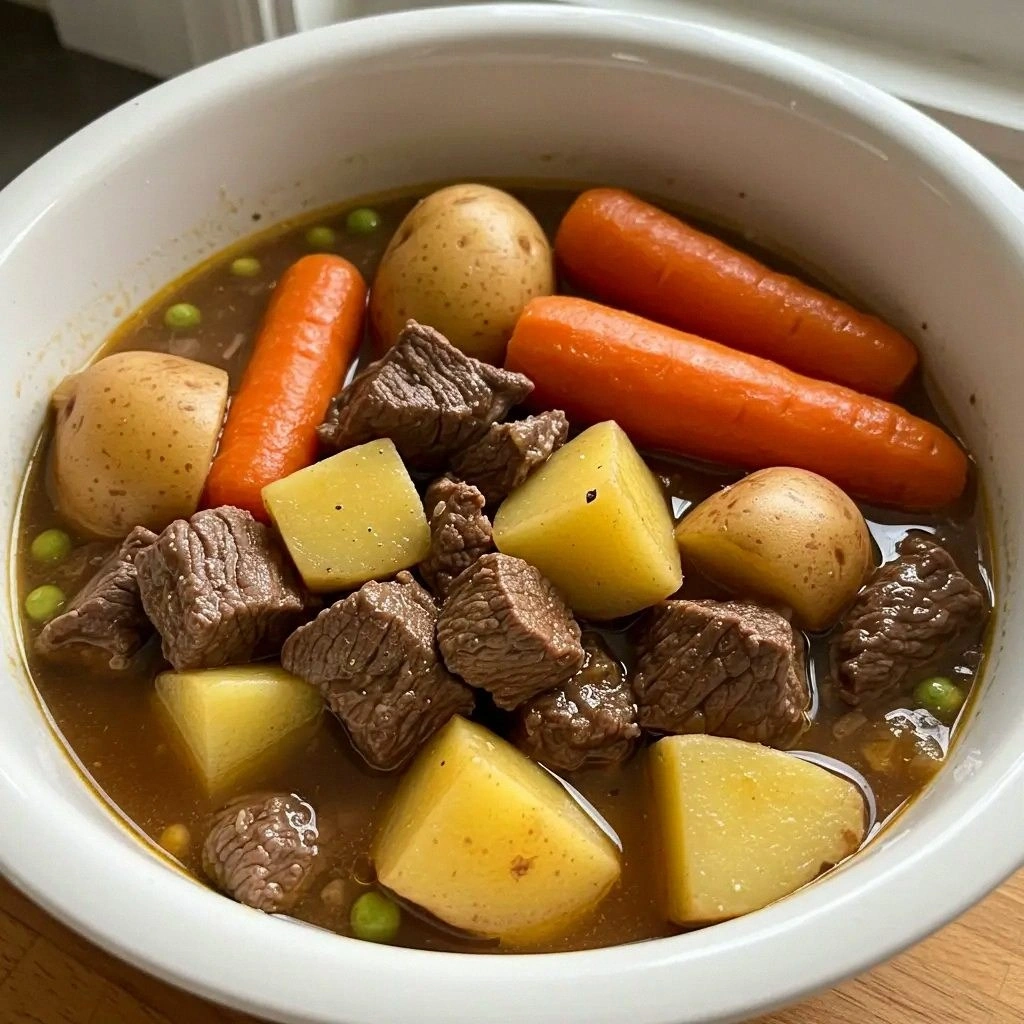
The Method — Step by Step
- Heat the Instant Pot on “sauté” and add a tablespoon of olive oil. When the oil shimmers, add the beef cubes in a single layer. Let them brown on all sides; this caramelization locks in flavor and creates a rich base for the stew.
- Remove the browned beef and set it aside. In the same pot, add diced onions and a pinch of salt. Sauté until the onions become translucent and start to turn golden, about 3–4 minutes. The aroma should be sweet and inviting.
- Add minced garlic and cook for 30 seconds until fragrant. Then stir in the tomato paste, letting it toast for a minute. This step deepens the sauce’s color and adds a subtle caramel flavor.
- Deglaze the pot with a cup of red wine, scraping up any browned bits. Let the wine reduce by half, concentrating its acidity and sweetness. Watch out: the wine can flare up if the pot is too hot.
- Return the beef to the pot. Add beef broth, Worcestershire sauce, bay leaves, thyme, and a splash of water if the liquid is low. Stir to combine, ensuring the meat is fully submerged.
- Secure the lid, set the valve to “sealing,” and cook on “manual” or “pressure cook” for 35 minutes. The pressure cooker does the heavy lifting, breaking down connective tissue and infusing the broth with flavor.
- Release the pressure manually, open the lid, and stir in the diced carrots, potatoes, and celery. Seal the pot again and cook on “sauté” for 10 minutes, or until the vegetables are tender but still hold their shape. The pot should emit a comforting, savory steam.
- Taste the stew and adjust seasoning with salt and pepper. Remove the bay leaves and thyme sprigs. Finish with a pat of butter or a drizzle of olive oil for silky richness.
- Serve hot over a bed of mashed potatoes or crusty bread to soak up the sauce. The stew’s silky texture and robust flavor will have everyone asking for seconds.
That’s it — you did it. But hold on, I've got a few more tricks that'll take this to another level…
Insider Tricks for Flawless Results
The Temperature Rule Nobody Follows
Many cooks think the Instant Pot’s default pressure is enough, but the key is to use the “high” pressure setting for beef stew. This ensures the connective tissue breaks down fully, giving the meat its signature melt‑in‑your‑mouth tenderness. I once tried “low” pressure and the beef stayed chewy, which was a major let‑down.
Why Your Nose Knows Best
As the stew cooks, your nose will alert you when the broth starts to caramelize. That sweet, roasted aroma signals that the flavor is developing. If you notice a sharp, metallic scent, it may mean you’re over‑cooking or using too much wine.
The 5-Minute Rest That Changes Everything
After pressure release, let the stew sit covered for five minutes. This rest period allows the flavors to meld and the remaining steam to finish cooking the vegetables. It also helps the sauce thicken slightly, giving the stew a luxurious mouthfeel.
The Secret Butter Finish
Adding a tablespoon of cold butter at the end of cooking brings a glossy sheen and a silky texture to the sauce. The butter also rounds out the acidity from the wine and enhances the overall richness. I always keep a small stick of butter on hand for this final flourish.
The Quick Release Trick
When you’re ready to release pressure, switch the valve to “venting” for a quick release. This prevents the stew from over‑cooking and keeps the vegetables crisp. If you prefer a slower release for more tenderness, set the valve to “sealing” and let the pressure dissipate naturally.
Creative Twists and Variations
This recipe is a playground. Here are some of my favorite ways to switch things up:
Herb‑Infused Delight
Swap fresh thyme and bay leaves for a mix of rosemary, sage, and oregano. The result is a Mediterranean‑inspired stew that pairs beautifully with a side of couscous.
Spicy Kick
Add a teaspoon of crushed red pepper flakes or a diced jalapeño when sautéing the onions. The heat complements the savory broth and gives the stew a lively edge.
Mushroom Medley
Introduce sliced button or cremini mushrooms at the sauté stage. They absorb the broth’s richness and add an earthy depth that elevates the dish.
Sweet and Tangy
Incorporate diced apples or a splash of apple cider vinegar during the simmer. The fruit’s natural sweetness balances the beef’s richness and the wine’s acidity.
Cheese‑Covered Comfort
Top the stew with shredded cheddar or Gruyère before serving. The cheese melts into the sauce, creating a gooey, indulgent layer that’s hard to resist.
Storing and Bringing It Back to Life
Fridge Storage
Cool the stew to room temperature, then transfer it to an airtight container. Store in the refrigerator for up to 4 days. The flavors continue to develop, making it even tastier the next day.
Freezer Friendly
Divide the stew into portioned containers and freeze for up to 3 months. Thaw overnight in the refrigerator before reheating. The texture of the beef remains tender, and the sauce thickens slightly during freezing.
Best Reheating Method
Reheat on the stovetop over low heat, stirring occasionally. Add a splash of water or broth to restore moisture if the stew has thickened. Let it simmer until hot, then serve immediately for the best experience.