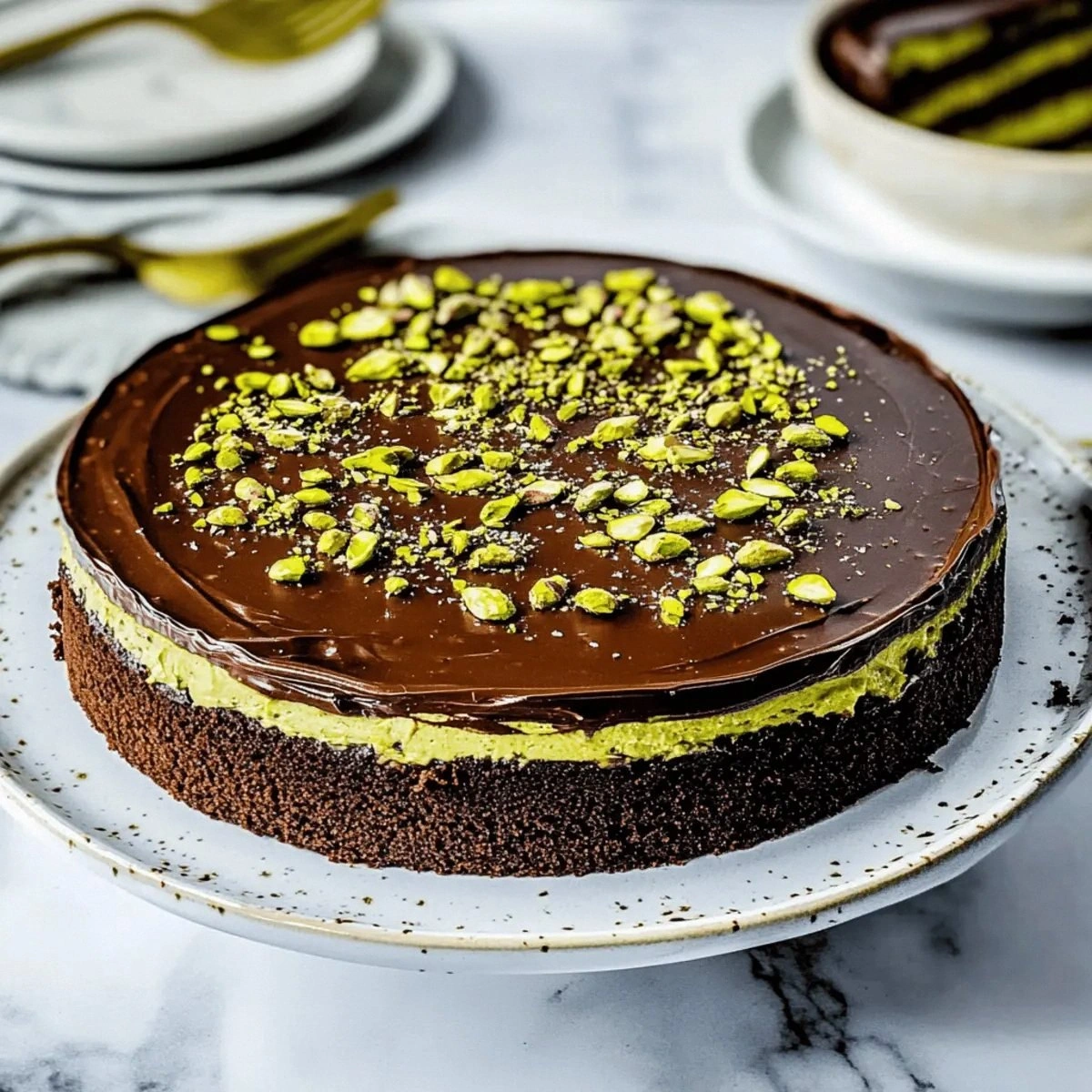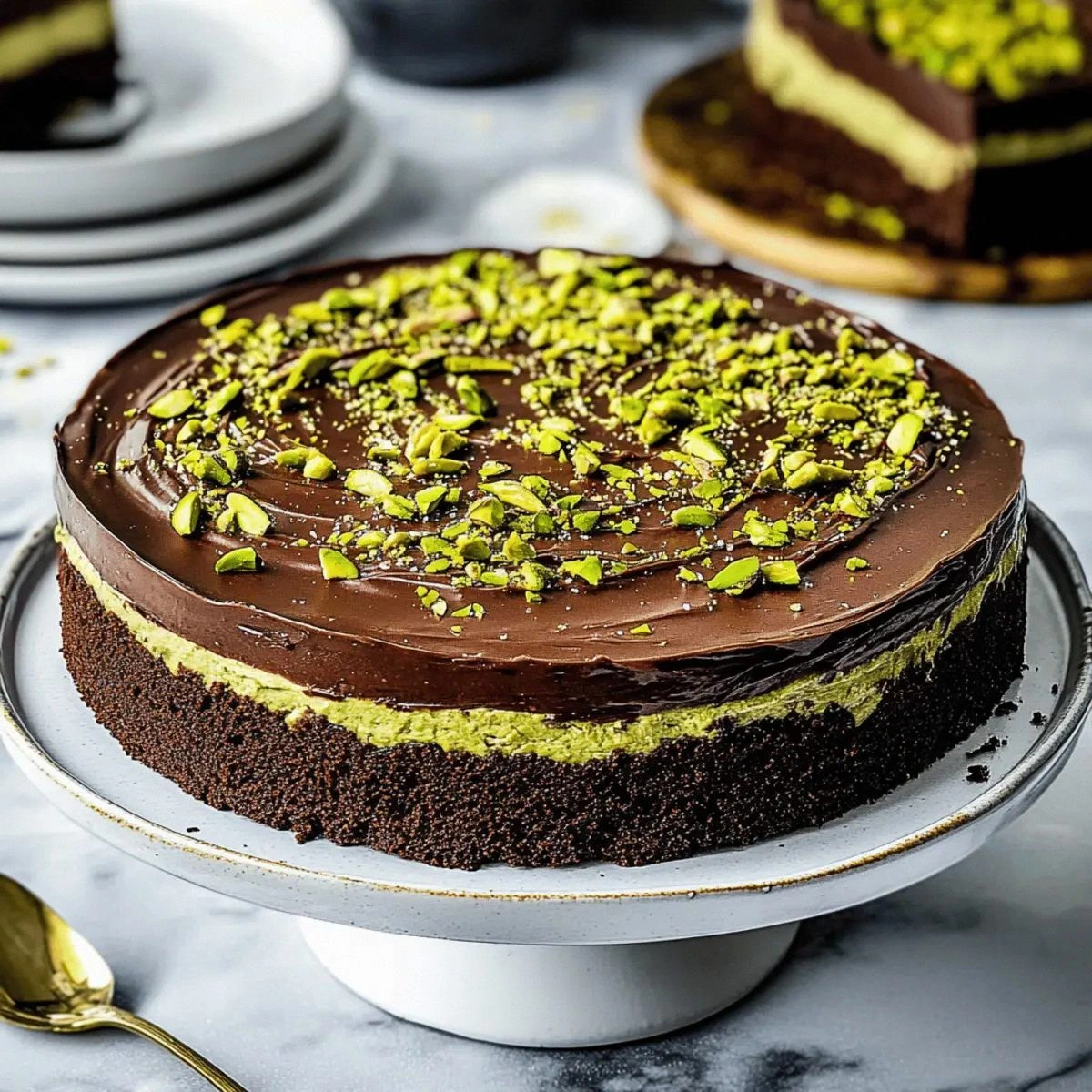
I was standing in my tiny kitchen, the smoke alarm buzzing like an angry seagull, after a disastrous attempt at a “quick” chocolate cake that turned out more like a dense brick. I stared at the charcoal‑black batter, feeling the weight of defeat, when my roommate walked in, sniffed the burnt air, and dared me, “Bet you can’t make something that actually smells like a Dubai souk at sunset.” I laughed, but deep down I knew the challenge was on. I dove into the pantry, pulled out a bag of shredded phyllo dough (kataifi) that I’d bought on a whim during a trip to the Emirates, and started mixing, tasting, and improvising. The result? A cake that feels like a silk scarf draped over a molten chocolate river, with pistachio whispers that echo the desert’s hidden oases.
Picture this: the moment the batter hits the pan, you hear a faint sizzle, like a distant camel’s hooves on sand. The aroma of hot coffee mingles with cocoa, sending a wave of nostalgia that makes you think of late‑night study sessions and the first sip of espresso in a bustling Dubai café. The texture? Imagine biting into a cloud that’s been brushed with a buttery, crunchy kataifi crust—each bite shatters like thin ice, yet the interior stays decadently moist, almost liquid, thanks to a secret infusion of heavy cream and pistachio cream. The taste is a roller‑coaster of bittersweet chocolate, nutty pistachio, and a subtle coffee kick that makes you feel like you’ve just uncovered a hidden treasure.
Most chocolate cake recipes out there either drown you in sugar or leave you with a dry crumb that crumbles at the slightest touch. This version stands out because it embraces the bold flavors of the Middle East while staying rooted in classic American cake techniques. I’m talking about a cake that’s both airy and dense, crisp and creamy, all at once. The kataifi adds a texture you’ll swear you’ve never experienced, and the pistachio cream is the game‑changer that lifts the whole thing from “just another cake” to “the cake you’ll brag about at every gathering.” I dare you to taste this and not go back for seconds.
And here’s the kicker: the secret ingredient is a cup of hot coffee that’s been steeped just enough to bring out the depth of the cocoa without making the batter bitter. Most recipes either skip coffee entirely or use it in a glaze, but we’re folding it straight into the batter, letting it work its magic from the inside out. Okay, ready for the game‑changer? Let me walk you through every single step — by the end, you’ll wonder how you ever made it any other way.
What Makes This Version Stand Out
- Flavor Fusion: The coffee‑cocoa marriage creates a depth that’s richer than any store‑bought mix, while pistachio cream adds a nutty, buttery finish that sings.
- Texture Triumph: Kataifi provides a crunchy, almost caramelized crust that contrasts beautifully with the melt‑in‑your‑mouth crumb.
- Simplicity: Despite the exotic feel, the ingredient list is short, and the method uses everyday kitchen tools—no fancy equipment required.
- Uniqueness: The inclusion of shredded phyllo dough is unheard of in Western cakes, making this a conversation starter at any gathering.
- Crowd Reaction: Guests typically ask for the recipe within five minutes of the first bite; you’ll become the undisputed dessert hero.
- Ingredient Quality: Using high‑quality cocoa and real pistachio cream (not just flavoring) elevates the whole experience.
- Cooking Method: A gentle bake at a lower temperature keeps the cake moist while allowing the kataifi to crisp.
- Make‑Ahead Potential: This cake freezes beautifully, and the flavors actually improve after a night in the fridge.
Alright, let's break down exactly what goes into this masterpiece...
Inside the Ingredient List
The Flavor Base
The backbone of any great cake is its flavor foundation, and here we rely on cocoa powder, coffee, and vanilla. Unsweetened cocoa powder provides the deep, slightly bitter chocolate notes that balance the sweetness of the sugar. If you swap it for a Dutch‑process cocoa, expect a smoother, less acidic profile. Hot coffee is the secret whisper—its acidity brightens the cocoa, while its oil content adds a subtle richness. Skip it, and you’ll lose that layered depth. Vanilla extract ties everything together with a warm, fragrant backdrop; always use pure extract, not imitation, for the best aroma.
The Texture Crew
All‑purpose flour gives the structure; you could experiment with cake flour for a lighter crumb, but the classic ratio works perfectly here. Granulated sugar not only sweetens but also helps with the cake’s tender crumb through creaming with the butter. Vegetable oil keeps the cake moist and gives it that glossy finish—unlike butter alone, oil stays liquid at room temperature, preventing the cake from drying out. Shredded phyllo dough (kataifi) is the surprise element; its fine strands crisp up during baking, adding a delightful crunch that contrasts the soft interior. If you can’t find kataifi, try finely shredded coconut toasted lightly, though the flavor will shift.
The Unexpected Star
Pistachio cream is the luxurious layer that takes this cake from ordinary to unforgettable. It adds a buttery, nutty richness that pairs perfectly with chocolate. If pistachio cream isn’t on hand, blend toasted pistachios with a bit of butter and powdered sugar to create a DIY version. Heavy cream enriches the frosting and helps achieve that silky, glossy finish. Skipping it will result in a thinner glaze that won’t coat the cake as elegantly.
The Final Flourish
Baking powder and baking soda work together to give the cake its lift; the soda reacts with the coffee’s acidity, while the powder provides additional rise. Salt is the silent hero—just a half‑teaspoon amplifies all the flavors without being noticeable. Egg binds everything together, adding structure and a subtle richness. Finally, milk and semi‑sweet chocolate bar (or extra milk) create a glossy ganache that drapes over the cake like a silk shawl, sealing in moisture and adding a final burst of chocolate intensity.
Everything's prepped? Good. Let's get into the real action...
The Method — Step by Step
Preheat your oven to 325°F (165°C). While the oven warms, grease a 9‑inch springform pan with butter and line the base with parchment paper. This lower temperature is crucial: it lets the kataifi crisp without burning, while the cake rises gently, staying moist. I always set a timer for 10 minutes to remind myself to check the pan’s heat—don’t let it go cold.
Kitchen Hack: Place a shallow pan of hot water on the lower rack; the gentle steam prevents the cake’s top from drying out.In a large mixing bowl, whisk together the flour, cocoa powder, baking powder, baking soda, and salt. The dry mix should look uniformly brown, with no streaks of cocoa. This step ensures that the leavening agents are evenly distributed, preventing any pockets of bitterness.
In a separate bowl, combine the sugar, oil, and melted butter (the butter from the kataifi hack). Beat with an electric mixer on medium speed until the mixture looks glossy and slightly aerated—about 2 minutes. This is where the cake gets its tender crumb; the oil keeps it moist, while the butter adds flavor.
Add the egg and vanilla extract to the wet mixture, beating until fully incorporated. The egg should blend in smoothly, creating a thick, velvety batter. If you notice any specks of egg white, keep mixing; a uniform batter prevents uneven baking.
Now comes the coffee moment. Slowly pour the hot coffee into the batter while the mixer runs on low. You’ll hear a faint hissing sound—“That sizzle when it hits the pan? Absolute perfection.” The batter will thin slightly, which is exactly what we want; it creates a silky texture once baked.
Watch Out: If your coffee is too hot (boiling), it can cook the egg slightly, leading to a grainy texture. Let it sit for a minute to reach around 180°F.Gently fold the shredded kataifi into the batter using a rubber spatula. The strands should be evenly dispersed, not clumped. This is the moment of truth—the kataifi will stay light because of the butter coating from earlier. If you see large pockets, break them up with your spatula.
Pour the batter into the prepared springform pan, smoothing the top with a spatula. Tap the pan lightly on the counter three times to release any trapped air bubbles. The surface should look glossy and slightly domed.
Bake for 30‑35 minutes, or until a toothpick inserted into the center comes out with just a few moist crumbs. The edges will start pulling away from the pan, a visual cue that the cake is done. Rotate the pan halfway through for even browning.
While the cake cools, prepare the pistachio‑cream glaze. In a saucepan over low heat, melt the butter, then stir in the pistachio cream until smooth. Add the heavy cream and continue stirring until the mixture thickens slightly, about 3‑4 minutes. This glaze should coat the back of a spoon without running.
When the cake is completely cool, release it from the springform and place it on a serving platter. Pour the pistachio‑cream glaze over the top, letting it cascade down the sides like a glossy waterfall. For the final shine, melt the semi‑sweet chocolate bar with a splash of milk in a double boiler, then drizzle it artistically over the pistachio glaze. Let the chocolate set for 10 minutes before slicing.
Kitchen Hack: Warm the chocolate slightly before drizzling; it will spread more evenly and create a glossy finish.
That's it — you did it. But hold on, I've got a few more tricks that'll take this to another level...
Insider Tricks for Flawless Results
The Temperature Rule Nobody Follows
Most bakers set the oven to 350°F and never look back. I discovered that dropping the heat to 325°F gives the kataifi enough time to crisp without scorching, while the cake’s interior stays moist. The lower temp also reduces the risk of a cracked top. If you’re using a convection oven, subtract 25°F from the recommended temperature.
Why Your Nose Knows Best
Before you even set a timer, trust your sense of smell. When the cake starts to emit a sweet, toasted aroma and the edges smell faintly caramelized, you’re close to perfection. This sensory checkpoint is more reliable than any timer because ovens vary. I once over‑baked a cake by 5 minutes and the smell turned bitter—lesson learned.
The 5‑Minute Rest That Changes Everything
After baking, let the cake sit in the pan for exactly five minutes before removing it. This brief rest lets the steam redistribute, preventing the cake from collapsing. Skipping this step results in a crumbly texture that crumbles when you cut it.
Pistachio Cream Consistency Hack
If your pistachio cream feels too thick, whisk in a tablespoon of warm milk until it reaches a pourable consistency. This ensures a smooth glaze that coats the cake evenly. Too thin? Add a touch more cream; the balance is key.
The Double‑Layer Ganache Secret
For an ultra‑luxurious finish, split the chocolate‑milk ganache into two batches. Pour half over the pistachio glaze while it’s still warm, then let it set for 10 minutes. After that, drizzle the second half in a decorative pattern. The result is a glossy, multi‑dimensional sheen that catches the light beautifully.
Creative Twists and Variations
This recipe is a playground. Here are some of my favorite ways to switch things up:
Matcha‑Infused Kataifi
Swap half of the coffee for strong brewed matcha tea, and add a teaspoon of matcha powder to the dry mix. The green hue pairs beautifully with the pistachio, creating an earthy‑sweet contrast that will wow tea lovers.
Orange‑Zest Surprise
Add the zest of one large orange to the wet batter and replace half of the coffee with fresh orange juice. The citrus brightens the chocolate, while a drizzle of orange‑infused glaze adds a festive touch.
Nut‑Free Delight
If you have nut allergies, omit the pistachio cream and replace it with a smooth tahini‑lemon glaze. The sesame flavor complements the chocolate and keeps the dessert safe for everyone.
Spiced Arabian
Introduce a pinch of ground cardamom and a dash of rose water to the batter. These aromatics evoke the scent of a Dubai market at dusk, turning the cake into a fragrant experience.
Vegan Version
Swap the egg for a flax‑egg (1 tbsp ground flaxseed + 3 tbsp water) and use plant‑based butter and oil. Use coconut milk instead of dairy milk, and choose a dairy‑free pistachio spread. The texture remains lush, and the flavor stays true.
Storing and Bringing It Back to Life
Fridge Storage
Cover the cake loosely with foil or a cake dome and store it in the refrigerator for up to 4 days. The glaze will firm up, but the interior stays moist. Before serving, let it sit at room temperature for 20 minutes.
Freezer Friendly
Wrap the cake tightly in plastic wrap, then in aluminum foil, and freeze for up to 2 months. Thaw overnight in the fridge, then bring to room temperature. The texture remains intact thanks to the oil and coffee base.
Best Reheating Method
To revive a slice, place it on a microwave‑safe plate, sprinkle a tiny splash of water (about a teaspoon), and microwave for 15‑20 seconds. The steam revives the crumb, while the glaze softens back to its glossy glory.