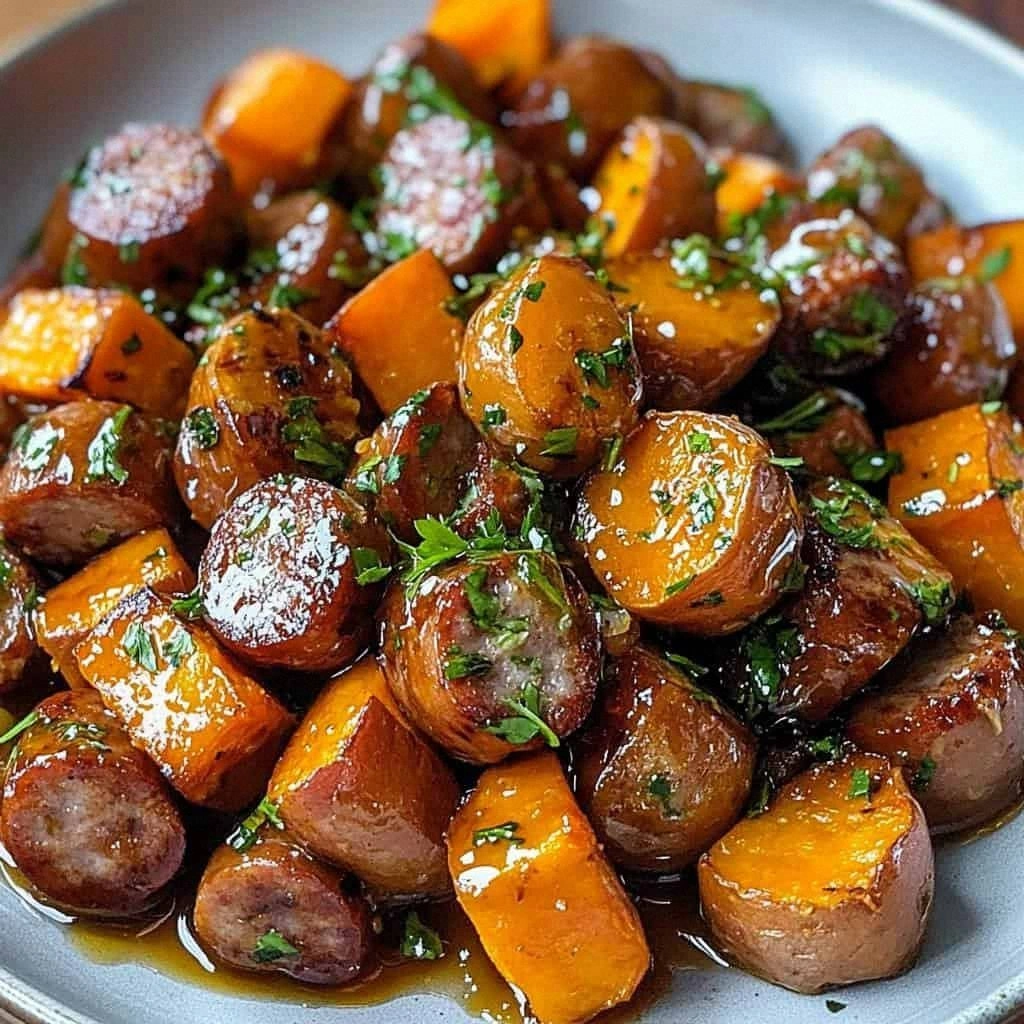
Last Tuesday at 7:42 p.m. I was standing in my kitchen wearing mismatched socks, staring down at a half-eaten bag of stale potato chips and a lone kielbasa that had been giving me side-eye all week. My stomach growled like an angry raccoon, the fridge light flickered like a horror-movie cliché, and I thought, “Well, this is rock bottom.” Thirty-five minutes later I was practically licking the skillet clean of the most outrageously sticky-sweet, garlicky, crispy-edged miracle I’d ever produced. Somewhere between the honey hitting the hot metal and the sausage edges blistering into smoky caramelized jewels, I invented the dish I now make when I want people to think I’m a wizard. Friends text me at midnight begging for the formula; my neighbor’s kid calls it “meat candy”; my mother swears I sold my soul for the recipe. I didn’t sell anything—I just stopped treating dinner like a sad necessity and started treating it like the main event. The secret isn’t fancy equipment or artisanal anything; it’s the order in which you let the ingredients meet each other, the temperature you demand from your oven, and the moment you pull the plug before the honey turns bitter. If you’ve ever stood at the stove wondering why your potatoes taste like wet socks or why your sausage feels rubbery, congratulations—today your streak ends. I dare you to taste this and not go back for seconds, thirds, and cold leftovers at 2 a.m. straight from the fridge while the house sleeps. Picture yourself pulling this out of the oven, the whole kitchen smelling like a campfire that decided to go to finishing school, and tell me you’re not already reaching for a fork. Stay with me here—this is worth it.
First, let’s set the scene properly: imagine the sizzle when potato cubes hit a blistering-hot pan slicked with olive oil. That hiss is the sound of promise. Within ninety seconds the bottom edges turn golden, and if you listen closely you’ll hear tiny crackles as the natural starches transform into a delicate shell that shatters like thin ice under your teeth. Now add coins of smoked kielbasa, each slice curling like it’s doing yoga, releasing paprika-laced fat that bathes the potatoes in smoky perfume. The onion lands next, translucent ribbons that go from crunchy to silky, and the garlic follows—thirty-second cameo so it doesn’t burn and turn acrid. Here’s where most recipes get it wrong: they dump everything in at once and wonder why the potatoes steam into mush while the sausage stays flabby. We’re not doing that. We’re building layers the same way you’d build a symphony—strings first, then brass, then the honey-soy crescendo that makes the whole thing hum.
Okay, ready for the game-changer? We’re going to roast at 425°F, but we’re going to do it in stages, and we’re going to finish with a broiler blast that lacquers the honey into a sticky mahogany shell. The honey isn’t just sweetness; it’s the catalyst that grabs hold of the soy, the vinegar, the smoked paprika, and the thyme, turning them into a glossy cloak that coats every ridge of potato and every curve of sausage like velvet. I’ll be honest—I ate half the batch before anyone else got to try it, standing over the sheet pan with oven mitts still on my hands like a raccoon guarding trash-can treasure. The edges of the sausage blister into tiny flavor bombs, the potatoes develop crackling crusts with fluffy centers, and the onions practically melt into the sauce. This is hands down the best version you’ll ever make at home, and I’m not even sorry for the bold claim. Let me walk you through every single step—by the end, you’ll wonder how you ever made it any other way.
What Makes This Version Stand Out
Crispy-Edge Guarantee: By par-roasting the potatoes solo for ten minutes, we give them a head start that turns every cube into a miniature roast potato with shattering skin and cloud-soft interior. Other recipes toss everything together and pray; we engineer texture.
Two-Stage Sweetness: Honey goes in twice—once to glaze during the roast, once to caramelize under the broiler—so you get layers of flavor ranging from deep toffee to bright floral, not a one-note sugar punch.
Smoky Fat Magic: We render the sausage first and use its seasoned fat to slick the potatoes, so every bite carries campfire whispers without any liquid smoke gimmicks.
One-Pan Romance: Sheet pan, bowl, spatula. That’s it. No boiling, no colander, no mountain of dishes mocking you while you eat. If you’ve ever struggled with cleanup, you’re not alone—and I’ve got the fix.
Weeknight Speed: Forty-five minutes from fridge raid to plate, and fifteen of those are hands-off roasting time just long enough to pour yourself a drink and pretend you’re on a cooking show.
Leftover Comeback: These potatoes reheat like champions, and the sausage actually tastes better the next day when the glaze has had time to infiltrate every fiber. Meal-preppers, rejoice.
Crowd Pandemonium: I’ve served this to toddlers, teenagers, and steak-snobs; they all hover over the pan swiping pieces with their fingers, burn risk be damned. Double the batch or risk mutiny.
Pantry Flexibility: No Yukon Golds? Use reds. Out of thyme? Try rosemary. The framework is bulletproof, so you can freestyle without fear. Alright, let’s break down exactly what goes into this masterpiece...
Inside the Ingredient List
The Flavor Base
Smoked sausage is the backbone, and I’m picky about it. Look for kielbasa that’s taut, evenly pink, and flecked with garlic—avoid anything shrink-wrapped in mystery liquid. When you slice it into half-inch coins, you’re creating surface area that’ll blister and curl into tiny meat tulips. Skip the pre-cooked turkey sausage or you’ll end up with chewy coasters. If you’re feeling fancy, andouille brings a Cajun swagger, but classic Polish kielbasa is the sweet-smoky soul this dish craves.
The Texture Crew
Yukon Golds are the Goldilocks of potatoes—waxy enough to hold their shape, fluffy enough to absorb the glaze. Cut them into one-inch cubes; any smaller and they’ll steam into submission, any larger and they’ll need an Everest expedition to cook through. Leave the skin on for a rustic chew and extra nutrients, but give them a good scrub so you’re not eating sandbox surprise. If you only have russets, peel them first—those skins stay stubbornly tough under high heat.
The Unexpected Star
Honey isn’t just sweet; it’s a color conductor. Under the broiler it morphs into deep amber patches that taste like toffee without the dental risk. Use something with personality—wildflower, orange-blossom, even buckwheat if you want a malty edge. Cheap clover honey works in a pinch, but you’ll miss the floral high notes that dance with the soy and garlic. And please, no plastic bears that have been lurking in the cupboard since 2014—honey does not improve with age the way your wine might.
The Final Flourish
Fresh parsley feels like an afterthought until you taste the first bite without it. Those little green confetti bits slice through the richness like a squeeze of lemon on fried chicken, waking up every other flavor. Don’t use dried—it tastes like lawnmower clippings. If parsley feels too safe, try chives for oniony sass or cilantro for a Southeast-Asian detour.
Everything’s prepped? Good. Let’s get into the real action...
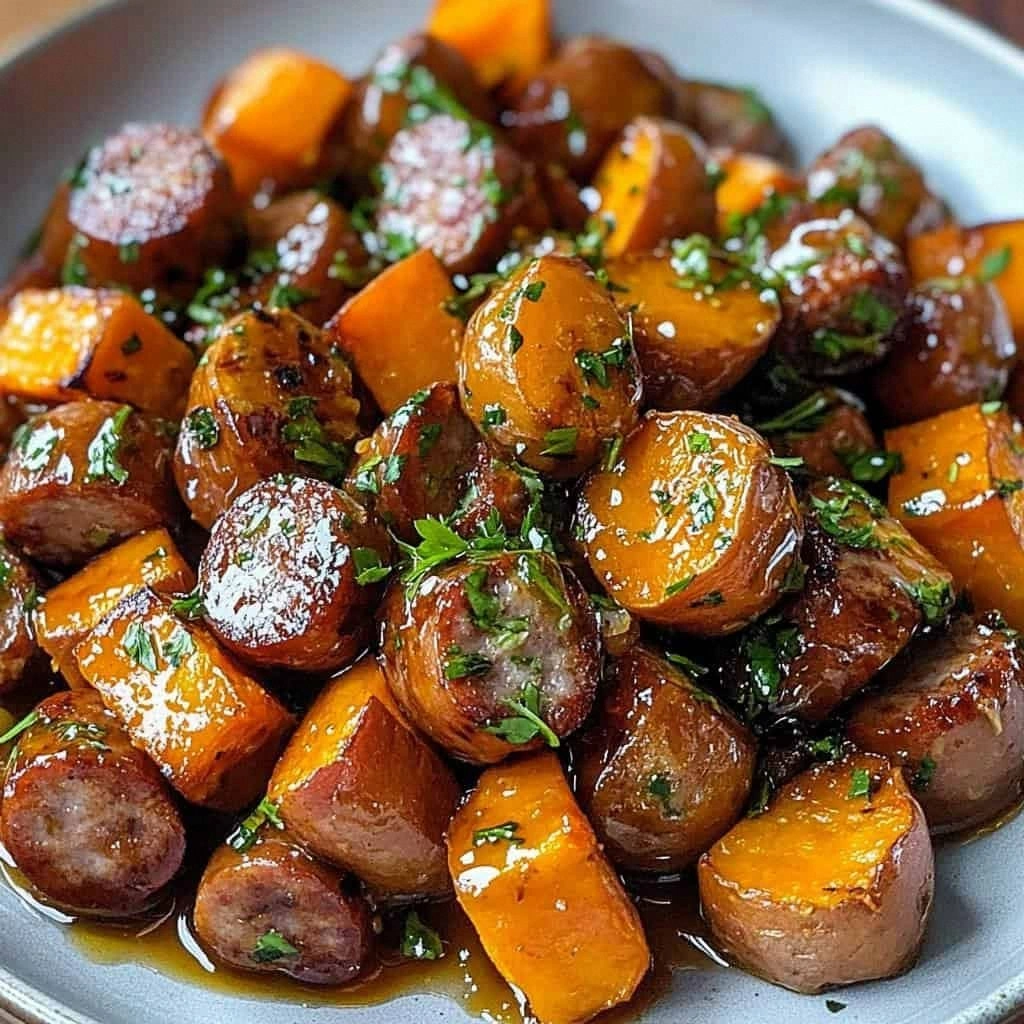
The Method — Step by Step
- Crank your oven to 425°F and slide a rimmed sheet pan onto the middle rack while it heats. A screaming-hot surface is the difference between roasted glory and steamed sadness. While the pan preheats, toss Yukon Gold cubes in a bowl with olive oil, salt, and a few cracks of pepper until every edge gleams. The oil should barely coat them—too much and they’ll fry in their own sog. When the pan is hot, dump the potatoes on in a single layer; they should sizzle like applause. Roast untouched for ten minutes—this is the golden window where starch meets steel and decides to become crunchy.
- While the potatoes get a head start, whisk honey, soy, vinegar, thyme, smoked paprika, and red-pepper flakes in a small bowl. Taste it—yes, right now. It should hit you with sweet, then salty, then a gentle back-of-throat glow. If it feels flat, add a pinch more salt; if it makes you pucker, a drop more honey. This sauce is your flavor GPS, so calibrate it like you mean it.
- Pull the pan out—potatoes should have pale-gold undersides—and scatter the sliced sausage and chopped onion over the top. Use a thin metal spatula to flip and toss everything; the sausage fat should immediately start melting into the potatoes. Return to the oven for twelve minutes. This is the moment of truth: the sausage edges curl, the onions wilt, and the potatoes turn mottled with caramel freckles. Don’t walk away from the stove here; set a timer and hover like a helicopter parent.
- Remove the pan, drizzle half the honey-garlic sauce over everything, and toss to coat. The heat will thin the honey into glossy rivulets that creep into every crevice. Return to the oven for eight minutes, switching the rack to the upper-middle position. The sugars are starting to bubble and tan; your kitchen will smell like a state-fair kiosk.
- Now the fun part: crank the broiler to high, stir in the minced garlic, and pour the remaining sauce over the pan. Broil for two to three minutes, watching like a hawk. The honey will go from glossy to sticky mahogany in the blink of an eye; pull it when the edges of the sausage look lacquered but not burnt. That sizzle when it hits the pan? Absolute perfection.
- Let the pan rest on a trivet for five minutes—yes, it needs a breather just like you do. During this pause the glaze tightens, the potatoes soak up the last of the sauce, and you have time to chop parsley. Scatter the greens, give everything a final toss, and serve straight from the pan because you’re not here to wash extra dishes. That first bite delivers crunchy, sticky, smoky, and sweet in rapid succession; good luck stopping.
That's it—you did it. But hold on, I've got a few more tricks that'll take this to another level...
Insider Tricks for Flawless Results
The Temperature Rule Nobody Follows
If your oven runs cool, these potatoes will stew in their own starch and emerge limp like cafeteria fare. Buy an eight-dollar oven thermometer and hang it on the center rack—your roasting life will change. I discovered mine was off by 35°F and felt like I’d been living a lie. Once calibrated, the potatoes puff and blister within the timeline I’ve given; trust but verify.
Why Your Nose Knows Best
The minute you smell garlic turning nutty and honey edging towards toffee, you have maybe sixty seconds before crossover into bitterness. Set a timer, but rely on aroma. A friend tried skipping this step once—let’s just say it didn’t end well, and her smoke detector still holds a grudge.
The 5-Minute Rest That Changes Everything
Resting isn’t optional; it’s the difference between a sticky glaze and a thin sauce that puddles sadly under the potatoes. The starches need a moment to grab hold of the honey, the sausage fibers need to reabsorb their juices, and you need time to locate clean forks. Cover loosely with foil if you’re worried about heat loss, but don’t seal it or the crust will sog.
Creative Twists and Variations
This recipe is a playground. Here are some of my favorite ways to switch things up:
Spicy Maple Cajun
Swap honey for dark maple syrup and add a teaspoon of Cajun seasoning plus a handful of diced bell pepper. The syrup brings a deeper, almost burnt-caramel note that plays beautifully with the paprika and cayenne in the spice blend. If you like your dinner to bite back, this one’s for you.
Asian Zing
Sub in hoisin for half the honey, add a tablespoon of sriracha, and finish with sesame seeds and scallions. The result tastes like Korean barbecue crashed a Polish farmhouse dinner—smoky, spicy, and sticky enough to require finger bowls.
Harvest Apple
Toss in cubes of firm apple (Honeycrisp or Pink Lady) during the last ten minutes of roasting. The fruit softens, picks up the glaze, and offers sweet-tart pockets that make grown adults giggle. Kids call it “candy meat” and request it weekly.
Low-Carb Cauli
Replace potatoes with cauliflower florets, but keep the sausage. Roast the florets for only five minutes before adding the sausage so they stay al dente. You’ll slash carbs while keeping that honey-garlic swagger intact.
Breakfast Hash
Chop everything smaller, crack four eggs into wells during the final broil, and serve with buttered toast. The yolks become sauce bombs that mingle with the glaze—morning luxury in under thirty minutes.
Campfire Foil Packs
Divide ingredients among heavy-duty foil sheets, seal into tight packets, and throw onto campfire coals for fifteen minutes, flipping once. The honey caramelizes against the foil, creating chewy edges that taste like the woods decided to open a bakery.
Storing and Bringing It Back to Life
Fridge Storage
Pack leftovers into shallow glass containers so they cool quickly and evenly. They’ll keep four days, though they rarely last that long. Add a tiny splash of water before reheating—it steams back to perfection without drying out the sausage.
Freezer Friendly
Freeze individual portions in zip bags flattened into slabs; they thaw in under ten minutes under warm running water. The texture of the potatoes suffers slightly, but the flavor is still strong enough to make coworkers jealous when you microwave it at the office.
Best Reheating Method
Skillet, medium heat, lid askew, three minutes. Add a teaspoon of broth or water to create a quick burst of steam, then uncover for the last minute to re-crisp. The microwave works in a pinch, but expect limp edges and a puddle of separated honey. Air-fryer at 375°F for four minutes is the cheat code for near-original glory.




