Love this? Pin it for later! 📌
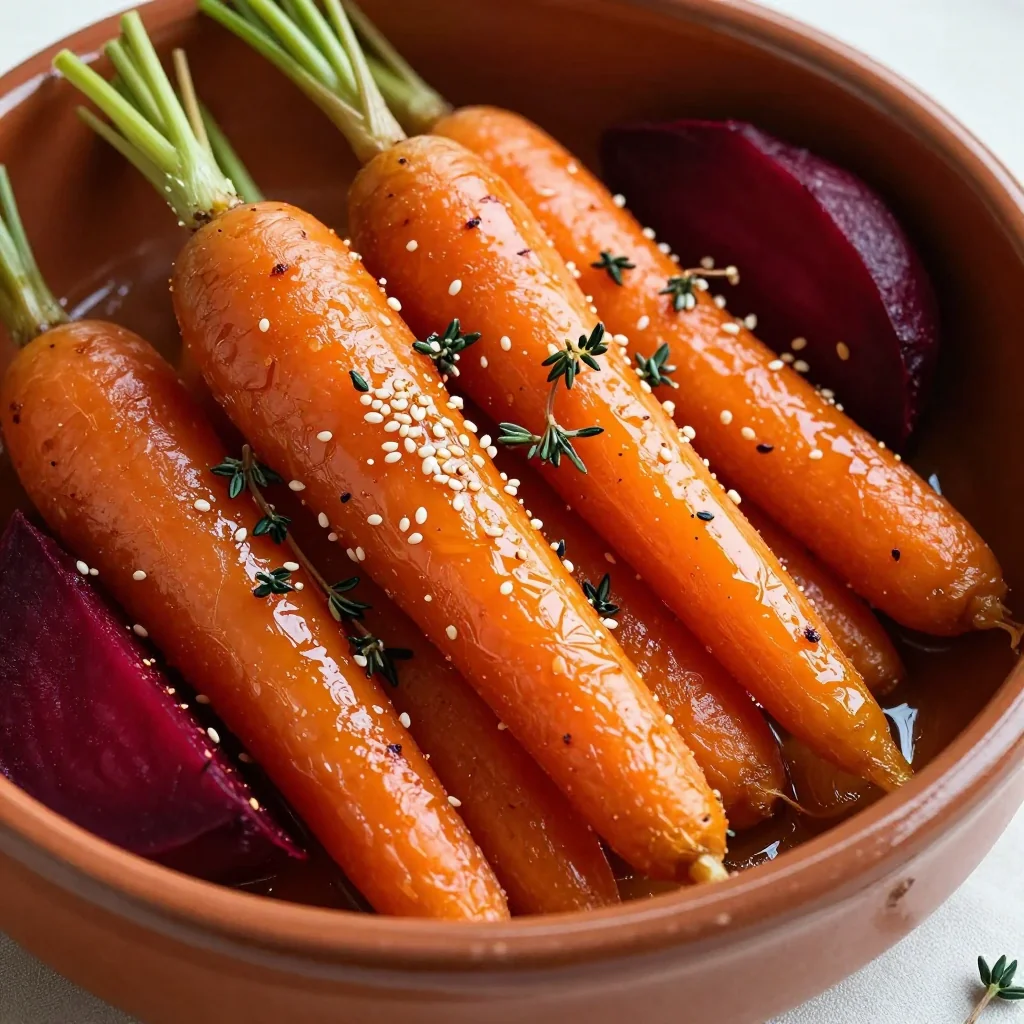
What makes this dish so special is how it transforms humble winter produce into something that tastes like sunshine on a plate. The bright citrus notes cut through the natural sweetness of the vegetables, while a touch of honey and fresh herbs adds layers of flavor that will have even the most devoted beet skeptics coming back for seconds. Plus, everything roasts on one pan, which means minimal cleanup—something we can all appreciate during these short winter days.
Why This Recipe Works
- One-Pan Wonder: Everything roasts together on a single sheet pan, making cleanup a breeze while allowing the flavors to meld beautifully.
- Nutrient Powerhouse: Beets are packed with folate, manganese, and nitrates, while carrots provide beta-carotene and fiber—perfect for boosting immunity during cold season.
- Meal Prep Friendly: These vegetables taste even better the next day, making them ideal for Sunday prep that lasts all week.
- Endlessly Versatile: Serve warm as a side dish, cold in salads, or blended into soups—the possibilities are endless.
- Budget-Conscious: Using seasonal root vegetables keeps costs low while delivering maximum flavor and nutrition.
- Family-Approved: The natural sweetness from roasting converts even picky eaters into vegetable lovers.
Ingredients You'll Need
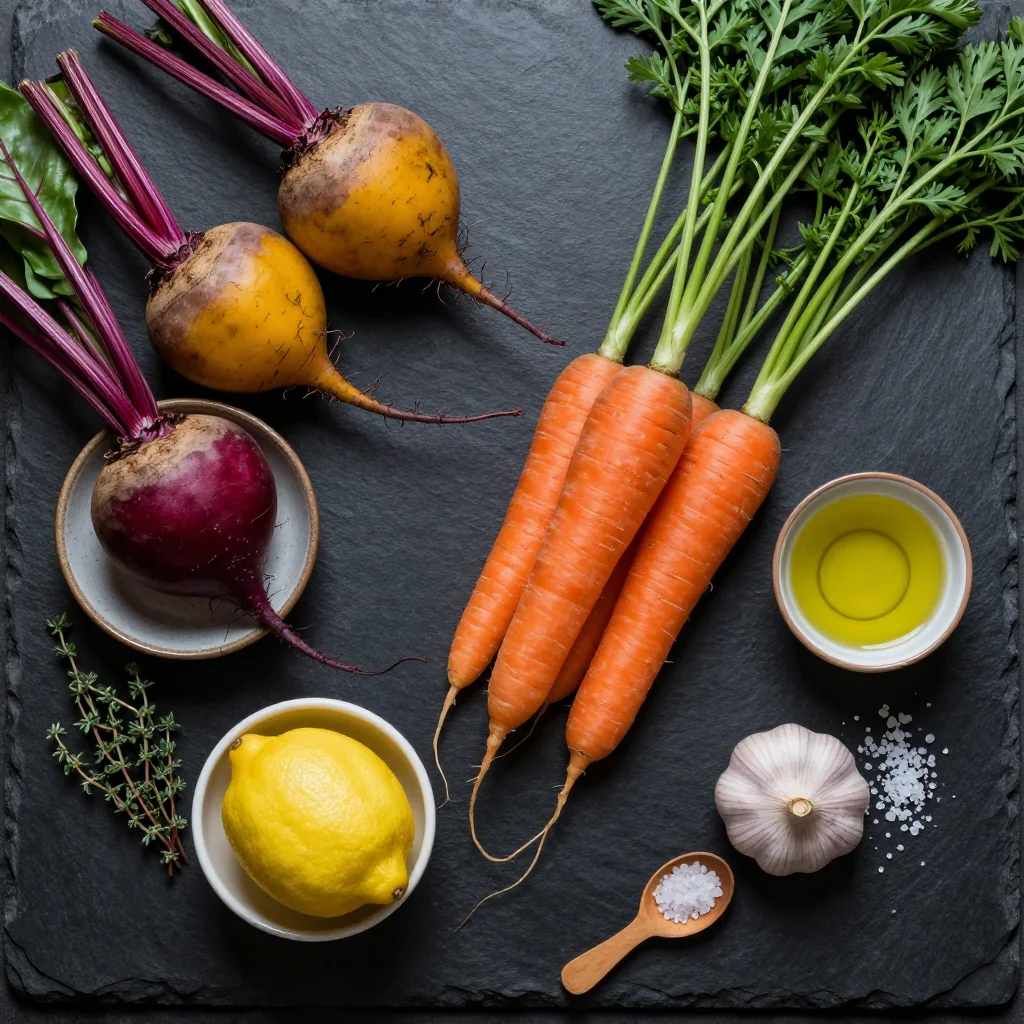
The beauty of this recipe lies in its simplicity—just a handful of ingredients that work together in perfect harmony. Let's break down each component so you can select the best possible ingredients for maximum flavor impact.
Beets (1½ pounds): Look for firm, smooth beets with fresh-looking greens still attached if possible. The greens are not only edible but incredibly nutritious—don't throw them away! If you can find golden or candy-striped (Chioggia) beets, they create a stunning visual presentation. Avoid beets with soft spots or wrinkled skin, which indicates age. Store them in the crisper drawer where they'll keep for up to three weeks.
Carrots (1 pound): While any carrots work, I prefer using rainbow carrots when available for their gorgeous colors and slightly different flavor profiles. Purple carrots tend to be earthier, yellow ones are milder and sweeter, while orange carrots offer that classic carrot flavor we all know. Choose carrots that are firm and smooth, avoiding any with cracks or limpness.
Lemons (2 large): You'll need both the zest and juice, so opt for unwaxed, organic lemons if possible. The zest provides intense aromatic oils while the juice adds brightness. Before zesting, give the lemons a good scrub under warm water. Store zested lemons in the fridge and use within a few days for best flavor.
Fresh Thyme (4 sprigs): This herb's woodsy, slightly minty flavor pairs beautifully with root vegetables. If fresh isn't available, use 1 teaspoon of dried thyme, but fresh really makes a difference here. The tiny leaves fall off during roasting, creating little pockets of herbaceous flavor.
Extra Virgin Olive Oil (3 tablespoons): Since this is a simple dish where flavors really shine, use your best quality olive oil. Look for oils with a harvest date within the last year and a peppery finish. The oil helps the vegetables caramelize while keeping them from drying out.
Honey (2 teaspoons): Just a touch helps balance the lemon's acidity and encourages caramelization. Maple syrup works as a vegan alternative, or omit entirely for a sugar-free version—the vegetables are naturally sweet enough.
How to Make Healthy Lemon Roasted Beets and Carrots for Cold January Days
Prep Your Vegetables
Preheat your oven to 425°F (220°C). While it's heating, scrub your beets and carrots thoroughly—no need to peel them as the skins become tender and add nutrients. Cut off the beet greens about 1 inch above the root (save them for sautéing later!). Cut beets into 1-inch wedges and carrots into 2-inch pieces, keeping them roughly the same size so they cook evenly. Pro tip: wear gloves when handling beets to avoid stained hands, or rub your hands with lemon juice afterward to remove stains.
Create the Lemon-Herb Oil
In a small bowl, whisk together the olive oil, lemon zest, lemon juice, honey, salt, and pepper. The honey should dissolve completely into the mixture. Strip the thyme leaves from their stems by running your fingers backward along the sprig—the tiny leaves should fall right off. Add these to your oil mixture. This infused oil is where all the magic happens, so take time to mix it well.
Season the Vegetables
Place your cut vegetables in a large bowl and pour the lemon-herb oil over them. Use your hands to toss everything together, ensuring each piece is evenly coated. The beets will stain everything pink, but that's part of the charm. Let them marinate for at least 10 minutes while your oven finishes heating—this allows the flavors to penetrate the vegetables.
Arrange on Baking Sheet
Line a large rimmed baking sheet with parchment paper for easy cleanup. Spread the vegetables in a single layer, making sure not to crowd the pan—this is crucial for proper caramelization. If your vegetables are piled on top of each other, they'll steam instead of roast. Leave a little space between pieces and try to keep the beets and carrots somewhat separated so you can easily remove them at different times if needed.
Roast to Perfection
Slide your pan into the preheated oven and roast for 20 minutes. At this point, give everything a good stir with a spatula, flipping the vegetables to ensure even browning. Continue roasting for another 15-25 minutes, depending on your vegetable size. The carrots should be tender and caramelized at the edges, while the beets should be easily pierced with a fork. Some pieces might be done before others—simply remove those to a plate and continue roasting the rest.
Add Final Touches
Once everything is roasted to your liking, remove the pan from the oven and immediately squeeze fresh lemon juice over the hot vegetables. This adds a bright, fresh flavor that really makes the dish sing. Let them cool for about 5 minutes—this allows the natural sugars to settle and makes them easier to handle. Taste and adjust seasoning with additional salt, pepper, or lemon juice as needed.
Serve and Enjoy
Transfer the roasted vegetables to a serving platter, making sure to include all the delicious caramelized bits from the pan. Garnish with fresh herbs if desired—chopped parsley, additional fresh thyme, or even some microgreens add color and freshness. These are fantastic served warm, but they're equally delicious at room temperature or even cold from the refrigerator.
Expert Tips
Don't Skip the High Heat
425°F might seem high, but this temperature is key for proper caramelization. The high heat causes the natural sugars in the vegetables to caramelize, creating those delicious crispy edges while keeping the insides tender.
Cut Consistently
Take time to cut your vegetables into similar-sized pieces. This ensures everything cooks at the same rate, preventing some pieces from burning while others remain undercooked.
Pat Dry First
After washing your vegetables, make sure to pat them completely dry. Excess moisture will cause them to steam rather than roast, preventing that gorgeous caramelization we're after.
Stir Strategically
Only stir once during roasting. Too much stirring prevents proper browning. Let the vegetables sit undisturbed for the first 20 minutes to develop those coveted crispy bottoms.
Save Those Beet Greens
Don't discard those beet greens! Sauté them with garlic and olive oil for a quick side dish, or add them to soups and smoothies. They're packed with vitamins A, C, and K.
Season at Every Stage
Season your vegetables in the bowl before roasting, then taste and adjust seasoning after they're cooked. This two-stage approach ensures perfectly seasoned vegetables every time.
Variations to Try
Mediterranean Style
Add halved Kalamata olives and crumbled feta cheese during the last 5 minutes of roasting. Finish with a sprinkle of oregano and a drizzle of good balsamic vinegar.
Middle Eastern Twist
Replace the thyme with za'atar seasoning and add a pinch of sumac. Serve with a tahini-lemon dressing and sprinkle with toasted sesame seeds.
Spicy Version
Add ½ teaspoon of smoked paprika and ¼ teaspoon of cayenne pepper to the oil mixture. The smoky heat pairs beautifully with the natural sweetness of the vegetables.
Holiday Special
Add some parsnips and turnips to the mix, and replace half the lemon juice with orange juice. Finish with toasted pecans and dried cranberries for a festive touch.
Storage Tips
Refrigerator Storage
Store cooled roasted vegetables in an airtight container in the refrigerator for up to 5 days. Line the container with paper towels to absorb excess moisture and keep them from getting soggy. For best results, let them come to room temperature before serving, or give them a quick reheat in a hot skillet to restore their texture.
Freezing Instructions
While roasted vegetables can be frozen, their texture will change upon thawing. If you choose to freeze them, spread cooled vegetables on a baking sheet and freeze until solid, then transfer to freezer bags for up to 3 months. Thaw overnight in the refrigerator and reheat in a hot oven or skillet. They're best used in soups or purees after freezing.
Make-Ahead Tips
You can prep the vegetables up to 24 hours ahead—just cut them and store them separately in the refrigerator in zip-top bags with a paper towel to absorb moisture. The lemon-herb oil can be mixed up to 3 days in advance and stored in the refrigerator. Bring everything to room temperature before roasting for even cooking.
Frequently Asked Questions
Not at all! The skins become tender during roasting and add nutrients and texture. Just give them a good scrub with a vegetable brush. If you're using older carrots with tough skins or beets that seem particularly thick-skinned, you can peel them, but it's not necessary for this recipe.
The most common culprits are overcrowding the pan or not drying the vegetables thoroughly. Make sure there's space between pieces for hot air to circulate, and pat everything dry after washing. Also, avoid stirring too frequently—let them develop those crispy bottoms before disturbing them.
Absolutely! Simply replace the honey with maple syrup or omit it entirely. The vegetables are naturally sweet enough that you won't miss it. You could also use agave nectar or date syrup if you prefer.
The vegetables should be easily pierced with a fork but still hold their shape. Look for caramelized edges that are golden brown to dark brown in spots. Carrots should be tender throughout, and beets should yield to gentle pressure. If you like them crispier, let them go a few minutes longer, checking every 5 minutes.
Yes, but be strategic about timing. Root vegetables like parsnips, turnips, and sweet potatoes work well and can be added at the beginning. Softer vegetables like bell peppers or onions should be added halfway through cooking. Avoid vegetables with very high water content like zucchini or mushrooms as they'll make everything soggy.
This is totally normal and actually creates a beautiful pink hue on the carrots! If you want to keep them separate, you can roast them on different parts of the pan or use separate pans. However, I encourage embracing the color mixing—it creates a gorgeous presentation and doesn't affect the flavor negatively.

Healthy Lemon Roasted Beets and Carrots for Cold January Days
Ingredients
Instructions
- Preheat oven: Preheat oven to 425°F (220°C). Line a large rimmed baking sheet with parchment paper.
- Prep vegetables: Scrub beets and carrots clean. Cut beets into 1-inch wedges and carrots into 2-inch pieces, keeping them roughly the same size.
- Make lemon-herb oil: In a small bowl, whisk together olive oil, lemon zest, lemon juice, honey, thyme leaves, salt, and pepper.
- Season vegetables: Place cut vegetables in a large bowl and pour the lemon-herb oil over them. Toss with hands to coat evenly.
- Roast: Spread vegetables in a single layer on prepared baking sheet. Roast for 20 minutes, stir, then continue roasting for 15-25 minutes more until tender and caramelized.
- Finish and serve: Remove from oven and immediately squeeze fresh lemon juice over hot vegetables. Let cool 5 minutes before serving.
Recipe Notes
For best results, don't overcrowd the pan—use two baking sheets if necessary. The vegetables can be served warm, at room temperature, or cold. They taste even better the next day!