I was standing in my kitchen, staring down a pan that was about to burn, when a sudden craving for something bright, breezy, and utterly satisfying hit me like a wave of Mediterranean sunshine. I had a bag of ground chicken, a half‑dozen fresh veggies, and a lingering memory of a Greek taverna where the air smelled of oregano and lemon zest. I thought, “What if I could bottle that vibe in a bowl that’s both healthy and ridiculously easy?” The result? A bowl that makes you feel like you’ve just stepped onto a sun‑kissed terrace in Athens, but without the airfare or the tourist crowds. I dare you to taste this and not go back for seconds—because once you do, there’s no turning back.
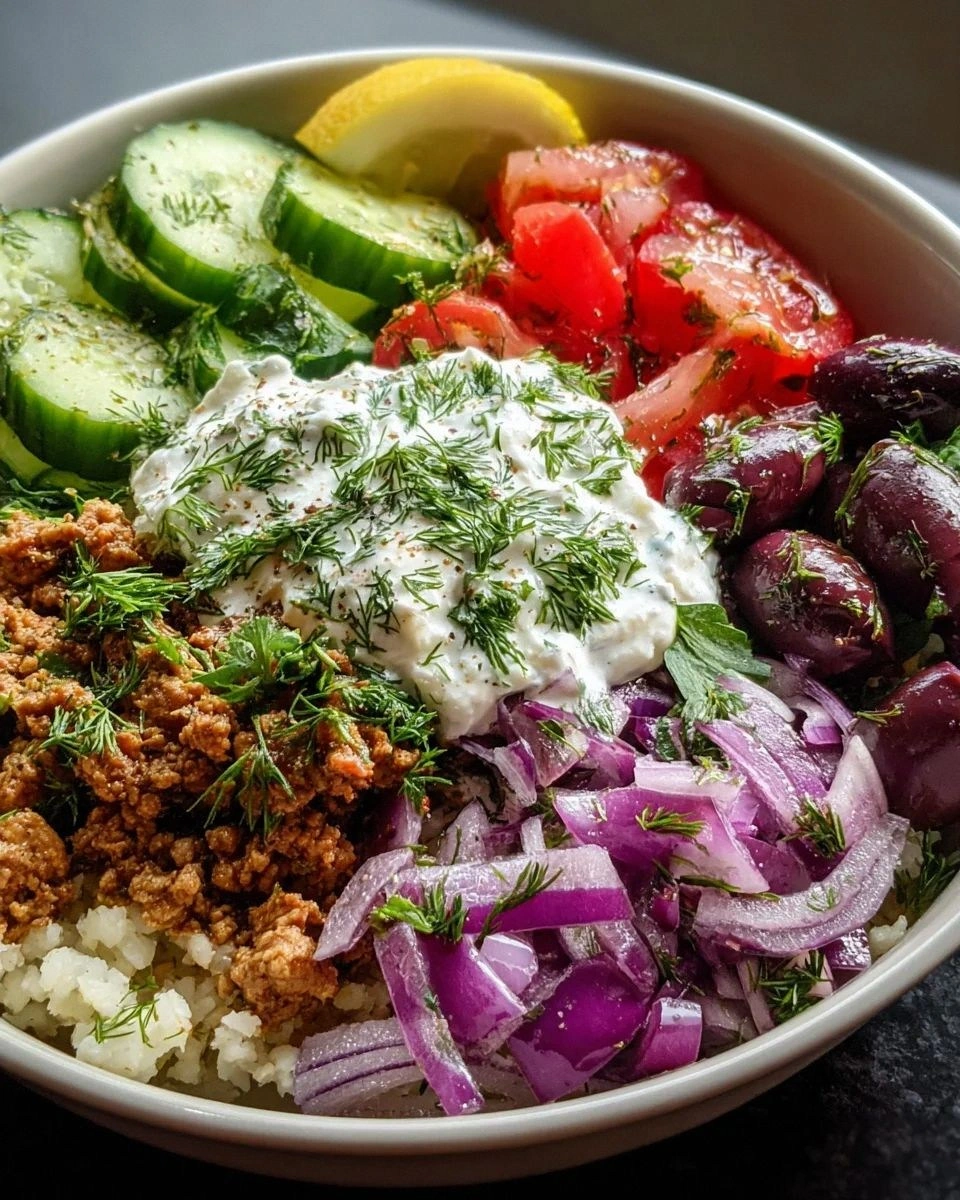
Picture this: the sizzle of ground chicken hitting a hot skillet, the aroma of garlic powder mingling with olive oil, and the faint tang of lemon juice dancing in the air. The cucumber brings a crisp snap that’s as refreshing as a sea breeze, while the Kalamata olives add that briny pop you only get from the Aegean. The whole thing is crowned with a dollop of coconut yogurt‑based tzatziki that feels like velvet on your tongue, and a sprinkle of fresh dill and parsley that adds a burst of herbaceous green. Your senses are doing a happy dance—your eyes feast on the colorful layers, your nose inhales the fragrant herbs, your ears hear the gentle pop of olives, your tongue experiences the perfect balance of tang and savory, and your hands feel the comforting weight of a wholesome bowl.
Most recipes get this completely wrong. They either drown the chicken in sauce, use heavy Greek yogurt that turns the bowl into a calorie bomb, or skip the fresh herbs that give the dish its signature brightness. I’ve tweaked every single element to make sure the flavors stay true to their Greek roots while keeping the dish light enough for a weekday lunch or a post‑workout dinner. The secret? A few unexpected tricks—like using coconut yogurt for a dairy‑free creaminess and swapping regular rice for cauliflower rice when you’re watching carbs. This version stands out because it respects tradition, embraces modern health trends, and still manages to taste like a celebration.
Okay, ready for the game‑changer? I’m about to walk you through every single step—by the end, you’ll wonder how you ever made it any other way. Stay with me here — this is worth it.
What Makes This Version Stand Out
- Taste: The combination of lemon‑bright chicken, briny olives, and creamy tzatziki creates a symphony of flavors that’s simultaneously tangy, savory, and refreshing.
- Texture: You get crisp cucumber, tender chicken, and the subtle bite of cauliflower rice or fluffy white rice—each mouthful is a textural adventure.
- Simplicity: Fewer than fifteen ingredients, most of which you probably already have in your pantry, mean you can throw this together in under an hour.
- Uniqueness: Using coconut yogurt instead of Greek yogurt gives a dairy‑free twist without sacrificing that classic tzatziki silkiness.
- Crowd Reaction: I’ve seen friends stare at the bowl, take a bite, and instantly proclaim it “the best Greek food they’ve ever had at home.”
- Ingredient Quality: Fresh dill, parsley, and a good squeeze of lemon elevate the dish from “good” to “wow‑factor” level.
- Cooking Method: Browning the chicken first locks in juices, while a quick sauté of the veggies preserves their crunch.
- Make‑Ahead Potential: The components store beautifully, so you can prep everything in advance and assemble in minutes.
Inside the Ingredient List
The Flavor Base
Ground chicken is the heart of this bowl. It’s lean, takes on the flavors you give it, and cooks quickly, making it perfect for busy weeknights. If you skip it, you lose the protein punch and the satisfying bite that anchors the dish. For the best results, choose a blend that’s at least 90% lean; you’ll notice the difference in texture and flavor.
Olive oil does more than prevent sticking; it adds a fruity richness that pairs beautifully with the lemon juice later on. A drizzle of extra‑virgin olive oil over the finished bowl adds a glossy finish and a burst of Mediterranean aroma. If you’re watching fat intake, you can halve the amount and still get a great flavor.
The Texture Crew
Cucumber brings a watery crunch that balances the richness of the chicken and the creaminess of the tzatziki. English cucumbers are ideal because they have fewer seeds and a thinner skin, which means less bitterness. If you’re in a pinch, regular cucumbers work fine—just slice them thinly and pat them dry.
Red onion adds a subtle sweetness and a pop of color that makes the bowl visually inviting. Its sharp bite mellows quickly when tossed with lemon juice, turning it into a gentle, fragrant layer. If raw onion is too pungent for you, give it a quick soak in cold water for five minutes before adding.
The Unexpected Star
Kalamata olives are the briny gems that shout “Greek” from the rooftops. Their deep, fruity flavor cuts through the richness of the chicken and adds a savory depth you won’t get from regular black olives. If you’re allergic to olives, capers can provide a similar salty tang, though the texture will be different.
Coconut yogurt is the hero of the tzatziki sauce. It’s dairy‑free, adds a subtle coconut undertone, and keeps the sauce light. Traditional Greek yogurt can be used, but it will make the bowl heavier and less suitable for those with dairy sensitivities. A good tip: choose an unsweetened, plain variety to avoid any unwanted sweetness.
The Final Flourish
Fresh dill and parsley aren’t just garnish; they’re flavor powerhouses. Dill brings a bright, almost citrusy note that lifts the entire bowl, while parsley adds an earthy freshness that rounds out the herbs. If you can’t find fresh dill, dried dill works in a pinch—just use half the amount.
Lemon juice is the spark that brightens everything, cutting through the oil and balancing the salt. A good squeeze of lemon right before serving keeps the flavors lively. Salt and pepper are the silent partners—seasoning each component as you go ensures every bite is perfectly balanced.
Everything's prepped? Good. Let's get into the real action...
The Method — Step by Step
Heat a large skillet over medium‑high heat and add 2 tablespoons of olive oil. Once the oil shimmers, toss in the ground chicken, breaking it up with a wooden spoon. Cook for about 6‑8 minutes, stirring occasionally, until the meat is browned and no longer pink. That sizzle when it hits the pan? Absolute perfection. Season with 1 teaspoon garlic powder, a pinch of salt, and a generous grind of black pepper. The garlic powder infuses the meat with a warm, aromatic backbone that will carry through the entire bowl.
When the chicken starts to develop a golden crust, lower the heat to medium and add the diced red onion. Sauté for 3‑4 minutes until the onion becomes translucent and slightly caramelized. Watch the edges start pulling away—that’s the sweet spot. This step is crucial because it softens the onion’s bite without losing its natural sweetness.
Kitchen Hack: If you want extra flavor, deglaze the pan with a splash of white wine after the onions soften; it lifts the browned bits and adds depth.Stir in the sliced Kalamata olives and let them warm through for a minute. Their briny juices mingle with the chicken, creating a mini‑marinade that’s pure umami. Add the lemon juice now—its acidity brightens the pan and prevents the chicken from drying out. Cook for another 2 minutes, letting the flavors meld.
While the chicken mixture simmers, prepare the cauliflower rice or regular rice according to package instructions. If you’re using cauliflower rice, give it a quick sauté in a separate pan with a drizzle of olive oil for 3‑4 minutes; this removes excess moisture and adds a toasted note. Fluff the rice with a fork and set aside.
Now for the tzatziki: In a bowl, combine ½ cup coconut yogurt, the juice of half a lemon, 2 tablespoons chopped fresh dill, and 2 tablespoons chopped fresh parsley. Season with a pinch of salt and a light grind of pepper. Stir until smooth, then fold in the diced cucumber. Let the sauce sit for at least 5 minutes so the cucumber releases a little moisture, creating a silky, herb‑laden dressing.
Watch Out: If you add the cucumber too early, the tzatziki can become watery. Pat the cucumber pieces dry with a paper towel before mixing.Assemble each bowl: start with a base of rice or cauliflower rice, spoon a generous mound of the seasoned chicken mixture on top, then drizzle the coconut‑yogurt tzatziki over everything. Sprinkle the remaining fresh dill and parsley for a burst of color.
Finish with a final squeeze of lemon juice and a drizzle of high‑quality extra‑virgin olive oil. This final glaze adds a glossy sheen and an extra layer of aromatic richness. Okay, ready for the game‑changer? The moment you take that first bite, you’ll notice how the cool tzatziki cools the warm chicken, creating a perfect temperature contrast.
Kitchen Hack: For an extra crunch, toast a handful of pine nuts in a dry pan and sprinkle on top just before serving.Give the bowl a gentle toss right before eating so the tzatziki coats every bite. This ensures each spoonful has a balanced mix of protein, veggies, and sauce. Serve immediately, or let it cool and store for later. Trust me, the flavors only get better after a short rest.
That's it — you did it. But hold on, I've got a few more tricks that'll take this to another level...
Insider Tricks for Flawless Results
The Temperature Rule Nobody Follows
Never cook ground chicken over high heat the entire time. Start hot to get a good sear, then drop to medium so the interior stays juicy. I once tried blasting it on high and ended up with dry, crumbly meat—trust me, the texture suffered. By controlling the heat, you lock in moisture and get those coveted golden edges that look like tiny caramelized islands.
Why Your Nose Knows Best
Your sense of smell is a secret weapon in the kitchen. When the chicken starts to smell nutty and the onions turn fragrant, you know it’s time to add the lemon juice. If you rely solely on timers, you might miss that crucial aromatic cue and end up with a bland bowl. Trust your nose; it’s the ultimate flavor gauge.
The 5‑Minute Rest That Changes Everything
After cooking, let the chicken rest for five minutes off the heat. This pause allows the juices to redistribute, preventing them from spilling out when you scoop the meat into the bowl. A friend tried to skip this step once—let's just say the bowl ended up soggy and the flavor was flat. That short rest is a game‑changer for texture.
Cucumber Prep Like a Pro
Grating cucumber with the large holes of a box grater, then gently squeezing out excess water, keeps the tzatziki from turning watery. I used to just dice it, and the sauce would turn into a soupy mess. This hack keeps the sauce thick enough to cling to the chicken while still delivering that refreshing crunch.
Season As You Go
Season each component—chicken, onions, rice—individually rather than dumping all the salt at the end. This layered seasoning builds depth and ensures every bite is perfectly balanced. I once under‑salted the chicken and over‑salted the tzatziki, resulting in a confusing flavor profile. The incremental approach eliminates that risk.
Creative Twists and Variations
This recipe is a playground. Here are some of my favorite ways to switch things up:
Mediterranean Quinoa Boost
Swap the rice or cauliflower rice for cooked quinoa. The nutty flavor of quinoa adds an extra layer of earthiness, and its protein boost makes the bowl even more filling. It’s perfect for those who want a gluten‑free grain that still holds up well to the sauce.
Spicy Sriracha Kick
Stir a teaspoon of sriracha into the coconut yogurt tzatziki for a subtle heat that wakes up the palate. The heat pairs beautifully with the cooling cucumber, creating a sweet‑heat balance that’s addictive. If you love spice, increase the sriracha to two teaspoons.
Roasted Veggie Remix
Add roasted red peppers, zucchini, or eggplant alongside the cucumber for a heartier, more colorful bowl. Roast the veggies with a drizzle of olive oil and a pinch of oregano for an extra Mediterranean vibe. This variation is great for meal‑prep because the roasted veggies keep well in the fridge.
Herb‑Infused Yogurt
Blend fresh mint or basil into the coconut yogurt for a bright, aromatic twist. Mint adds a cooling sensation that’s perfect for summer, while basil gives a sweet, peppery note reminiscent of a Greek salad. Just a handful of leaves is enough to transform the sauce.
Protein Power Swap
Replace ground chicken with ground turkey or even lean ground lamb for a richer flavor profile. Lamb brings a slightly gamey, robust taste that pairs wonderfully with the briny olives. Adjust the cooking time slightly—lamb can handle a bit longer sear without drying out.
Crunchy Nut Topping
Top the bowl with toasted almonds, walnuts, or pistachios for an added crunch and a hint of buttery flavor. Nuts also contribute healthy fats and a satisfying texture contrast. Lightly salt the nuts before toasting for an extra pop of flavor.
Storing and Bringing It Back to Life
Fridge Storage
Separate the components into airtight containers: cooked chicken, rice or cauliflower rice, and tzatziki. Store each for up to 4 days. When you’re ready to eat, combine a portion of each, give it a quick stir, and enjoy. The cucumber stays crisp if kept dry, so keep the tzatziki separate until serving.
Freezer Friendly
Freeze the cooked chicken and rice (or cauliflower rice) in portion‑size bags for up to 3 months. The tzatziki doesn’t freeze well, so keep it fresh in the fridge. To reheat, thaw the chicken and rice overnight in the fridge, then warm gently on the stove or microwave.
Best Reheating Method
When reheating, add a tiny splash of water or low‑sodium chicken broth to the pan and cover for 2‑3 minutes. This creates steam that revives the chicken’s juiciness without drying it out. Once heated through, top with fresh tzatziki and a squeeze of lemon for that just‑cooked‑feel.