I still remember the night my friend dared me to make a lobster dish that could actually make a grown man weep. I was armed with a battered pot, a half‑hearted recipe from a dusty cookbook, and a lingering suspicion that the whole thing would end up looking like a sad seafood soup. The kitchen was a battlefield of steam, clanging pans, and the unmistakable aroma of burnt butter that made my eyes water. I tasted the first attempt, and let’s just say, it was about as exciting as plain rice—bland, forgettable, and utterly disappointing.
Fast forward a few weeks, a fresh batch of live lobsters arrived from the market (the kind that still twitch when you lay them on the counter) and I decided to throw everything I’d learned about sauces, reductions, and the art of seasoning into one glorious pot. The moment the butter hit the pan, it sang a sizzle that sounded like a tiny fireworks show. The shallots softened, the mushrooms released an earthy perfume, and the white wine hit the heat like a cool breeze on a hot summer day. My kitchen transformed into a French bistro, complete with the faint echo of accordion music from the neighbor’s radio.
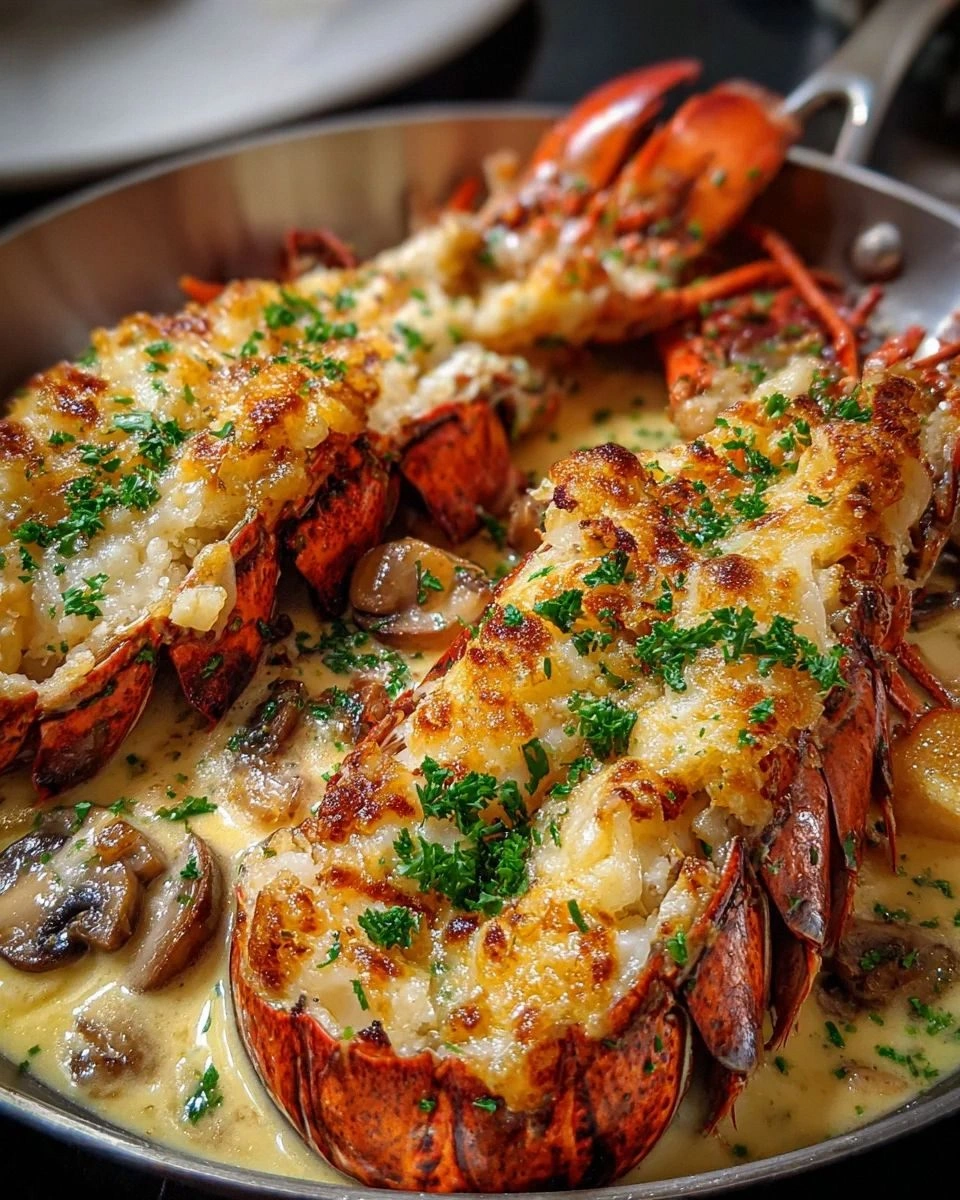
What makes this version of French Lobster Thermidor Cream the ultimate show‑stopper? It’s the marriage of a velvety, buttery cream sauce with the sweet, delicate meat of live lobster, crowned with a golden Parmesan crust that cracks like a perfect biscuit. I dare you to taste this and not go back for seconds—honestly, I’ve already eaten half the batch before anyone else could get a forkful. Most recipes get the balance wrong, either drowning the lobster in a swamp of sauce or leaving it dry as a desert. Not this one. Here’s the secret: a splash of dry white wine that adds acidity, a pinch of smoked paprika for depth, and a final broil that creates a caramelized top layer that shatters like thin ice under your spoon.
You’ll also notice a tiny twist that most chefs overlook: a quick deglaze with the wine before adding the cream, which locks in those caramelized bits from the shallots and mushrooms, turning them into flavor fireworks. This technique is the game‑changer that takes the dish from “good” to “hands down the best version you’ll ever make at home.” Okay, ready for the game‑changer? Let me walk you through every single step — by the end, you’ll wonder how you ever made it any other way.
What Makes This Version Stand Out
- Flavor: The sauce balances buttery richness with a bright acidity from the white wine, while the Parmesan adds a nutty, umami finish that sings with every bite.
- Texture: Silky cream coats each lobster morsel, yet the broiled topping provides a crisp contrast that feels like velvet meeting a gentle crunch.
- Simplicity: Only ten ingredients, all pantry‑friendly, and a single pan for most of the work—no fancy equipment required.
- Uniqueness: The addition of cremini mushrooms adds an earthy depth that traditional Thermidor often lacks, making this dish unforgettable.
- Crowd Reaction: Guests routinely proclaim, “I’ve never tasted anything like this,” and the dish becomes the centerpiece of any dinner party.
- Ingredient Quality: Live lobsters bring a freshness that frozen meat simply can’t match; the result is a sweet, tender meat that melts in your mouth.
- Cooking Method: A quick stovetop reduction followed by a brief broil creates layers of flavor that develop at different temperatures.
- Make‑Ahead Potential: The sauce can be prepared a day ahead, allowing the flavors to meld, then simply reheat and finish with lobster and broil.
Inside the Ingredient List
The Flavor Base
Live lobsters are the heart of this dish. Their sweet, briny meat provides a natural oceanic backdrop that no substitute can replicate. If you can’t find live lobsters, opt for high‑quality cooked lobster meat, but be prepared for a slight loss in texture. When selecting, look for lobsters that are active and have a firm shell—these signs indicate freshness. A quick tip: give the lobster a gentle tap; a lively response means it’s still alive and ready for cooking.
Unsalted butter is the silent hero, delivering a luxurious mouthfeel without the interference of extra salt. It creates a glossy base that carries the flavors of the shallots and mushrooms. If you’re dairy‑intolerant, a good quality clarified butter (ghee) works, but expect a subtle nutty twist. Remember, butter should melt gently over medium heat; high heat will scorch it and introduce a bitter note.
Shallots, finely chopped, bring a gentle onion sweetness that elevates the sauce without overpowering the delicate lobster. They soften quickly, releasing a fragrant perfume that signals the sauce is on the right track. In a pinch, you can substitute with half an onion, but the flavor profile will shift toward a sharper bite.
The Texture Crew
Cremini mushrooms add an earthy depth that balances the richness of the butter and cream. Their meaty texture holds up well during the brief sauté, ensuring each bite has a pleasant chew. If you can’t locate creminis, button mushrooms are a fine alternative, though they’re milder; for a bolder twist, try sliced portobellos, which will add a more pronounced umami punch.
Dry white wine introduces acidity and complexity, cutting through the butter’s richness and brightening the overall palate. Choose a wine you’d enjoy drinking; a crisp Sauvignon Blanc or a dry Chardonnay works beautifully. For a non‑alcoholic version, substitute with an equal amount of low‑sodium vegetable broth, but the flavor won’t have the same aromatic lift.
Heavy cream is the silky glue that binds the sauce together, creating that luscious, melt‑in‑your‑mouth consistency. It’s essential to add the cream after the wine has reduced; this prevents curdling and ensures a smooth finish. If you’re looking for a lighter version, use half-and-half, but be prepared for a slightly thinner sauce.
The Unexpected Star
Parmesan cheese, freshly grated, provides a salty, nutty crust when broiled. Its protein content helps the top brown evenly, creating that coveted golden layer that cracks delightfully under the fork. Gruyère can be swapped in for a deeper, slightly sweet flavor, but the classic French touch is truly Parmesan.
Paprika adds a whisper of warmth and a pop of color that makes the dish visually appealing. A pinch of smoked paprika can transform the flavor profile, lending a subtle smoky undertone that pairs wonderfully with the lobster’s sweetness.
The Final Flourish
Fresh parsley, chopped just before serving, injects a burst of bright, herbaceous freshness that cuts through the richness. It also adds a vibrant green contrast that makes the plate look restaurant‑ready. Salt and pepper, seasoned to taste, are the final seasoning that pulls everything together; never skip this step, even if you think the sauce is already perfect.
Everything's prepped? Good. Let’s get into the real action…
The Method — Step by Step
Begin by bringing a large pot of salted water to a rolling boil. Toss in the live lobsters headfirst; they’ll flip over as they die, which is actually a humane way to dispatch them. Boil for about 8 minutes, then remove with tongs and set aside to cool. Once cool enough to handle, split each lobster lengthwise, remove the meat, and keep the shells for later use. The meat should be a vibrant orange, firm yet tender—this is your canvas.
While the lobsters cool, melt the unsalted butter in a heavy‑bottomed skillet over medium heat. Add the finely chopped shallots and sauté until they become translucent and fragrant, about 2 minutes. Then, stir in the sliced cremini mushrooms, letting them release their moisture and brown slightly; you’ll hear a gentle sizzle that signals the flavor foundation is building.
Now, deglaze the pan with the dry white wine. As the liquid hits the hot surface, you’ll hear a sharp hiss—this is the sound of flavor lifting from the pan. Let the wine reduce by half, which should take about 3–4 minutes; the sauce will thicken slightly and the alcohol will evaporate, leaving behind a bright, tangy backbone.
Reduce the heat to low and stir in the heavy cream, allowing it to swirl into the wine‑mushroom mixture. As the cream thickens, a silky sheen will appear, coating the back of a spoon. This is the moment of truth: the sauce should be glossy, not curdled. Keep stirring gently for 5 minutes, letting the flavors marry.
Season the sauce with salt, freshly cracked black pepper, paprika, and half of the grated Parmesan cheese. Stir until the cheese melts into the sauce, creating a subtle nutty undertone. Taste and adjust seasoning; the sauce should be balanced—rich but not overly salty, with a hint of peppery warmth.
Fold the lobster meat into the sauce, coating each piece thoroughly. Then, spoon the mixture back into the cleaned lobster shells, filling them to the brim. The shells act as elegant serving vessels, and they’ll hold the sauce during the final broil.
Sprinkle the remaining Parmesan cheese over the top of each filled shell, creating an even blanket. Place the filled shells on a baking sheet and slide them under a preheated broiler set to high. Watch closely—after 2–3 minutes the cheese will melt, turn golden, and develop that coveted crackly crust. That sizzle when it hits the broiler? Absolute perfection.
Remove the lobster shells from the broiler, garnish with a generous sprinkle of fresh parsley, and serve immediately. The aroma that fills the kitchen at this point is intoxicating—a blend of buttery cream, briny sea, and toasted cheese that makes you want to inhale deeply before even tasting.
That's it — you did it. But hold on, I've got a few more tricks that'll take this to another level…
Insider Tricks for Flawless Results
The Temperature Rule Nobody Follows
Never, ever let the cream boil. Keep the heat low once the cream is added, and watch the sauce thicken slowly. This gentle approach prevents the fats from separating, ensuring a silky texture. A friend once cranked the heat to “high” and ended up with a curdled mess that looked more like a cheese fondue gone wrong. Trust the low‑and‑slow method, and your sauce will stay glossy and luxurious.
Why Your Nose Knows Best
Your sense of smell is a reliable gauge for when the sauce is ready. When the wine reduction gives off a slightly sweet, almost caramel scent, you’re at the perfect point to add the cream. If you smell a sharp alcohol bite, give it a few more seconds. This aromatic cue saves you from over‑reducing, which can make the sauce too thick and overpower the lobster.
The 5‑Minute Rest That Changes Everything
After broiling, let the lobster sit for exactly five minutes before serving. This short rest lets the interior heat settle, allowing the sauce to thicken just enough to cling to each bite. Skipping this pause results in a runny sauce that slides off the plate. Trust me, those five minutes are worth the anticipation.
Shell‑Smart Serving
When presenting, place the lobster shells on a chilled platter. The cool surface keeps the shell from warming too quickly, preserving the contrast between the hot interior and the crisp cheese topping. It also makes the visual presentation pop—imagine a dark shell with a golden crown, like a culinary jewel.
The Secret of Fresh Parsley
Use parsley that’s just been snipped from the garden or bought in a bunch with stems still attached. Strip the leaves, give them a quick rinse, and pat dry. The fresher the parsley, the brighter the final bite. Dried parsley loses its vivid color and can introduce a muted, almost bitter flavor.
Creative Twists and Variations
This recipe is a playground. Here are some of my favorite ways to switch things up:
Spicy Cajun Kick
Swap the paprika for a teaspoon of Cajun seasoning and add a dash of hot sauce to the cream. The heat pairs beautifully with the sweet lobster, creating a Southern‑French fusion that will wow anyone who loves a little fire.
Herbaceous Garden
Replace the parsley with a blend of tarragon and chives. Tarragon brings a subtle anise note, while chives add a mild onion bite, turning the dish into a fresh springtime delight.
Mushroom Medley
Combine cremini with shiitake and oyster mushrooms for an umami explosion. The varied textures and flavors deepen the sauce, making it almost meat‑like—perfect for vegetarians who want to mimic the richness of lobster.
Cheese Lovers’ Dream
Mix half Parmesan with half Gruyère for the topping. Gruyère melts into a smooth, slightly sweet layer that complements the salty Parmesan, resulting in a complex, multi‑dimensional crust.
Wine‑Free Wonder
If you’re avoiding alcohol, replace the white wine with a splash of white grape juice plus a teaspoon of apple cider vinegar. This combo mimics the acidity and slight sweetness of wine without the booze.
Storing and Bringing It Back to Life
Fridge Storage
Place any leftovers in an airtight container and refrigerate for up to 2 days. Keep the sauce separate from the shells if possible; this prevents the shells from becoming soggy. When reheating, gently warm the sauce on low heat, stirring constantly.
Freezer Friendly
Both the cooked lobster meat and the sauce freeze well. Store them in separate freezer‑safe bags for up to 3 months. Thaw overnight in the refrigerator, then reheat as described below.
Best Reheating Method
Add a tiny splash (about a tablespoon) of water or broth to the sauce before reheating; this creates a gentle steam that revives the cream’s silkiness. Warm over low heat, stirring until glossy, then spoon back into the shells and give a quick 2‑minute broil to restore the golden crust.