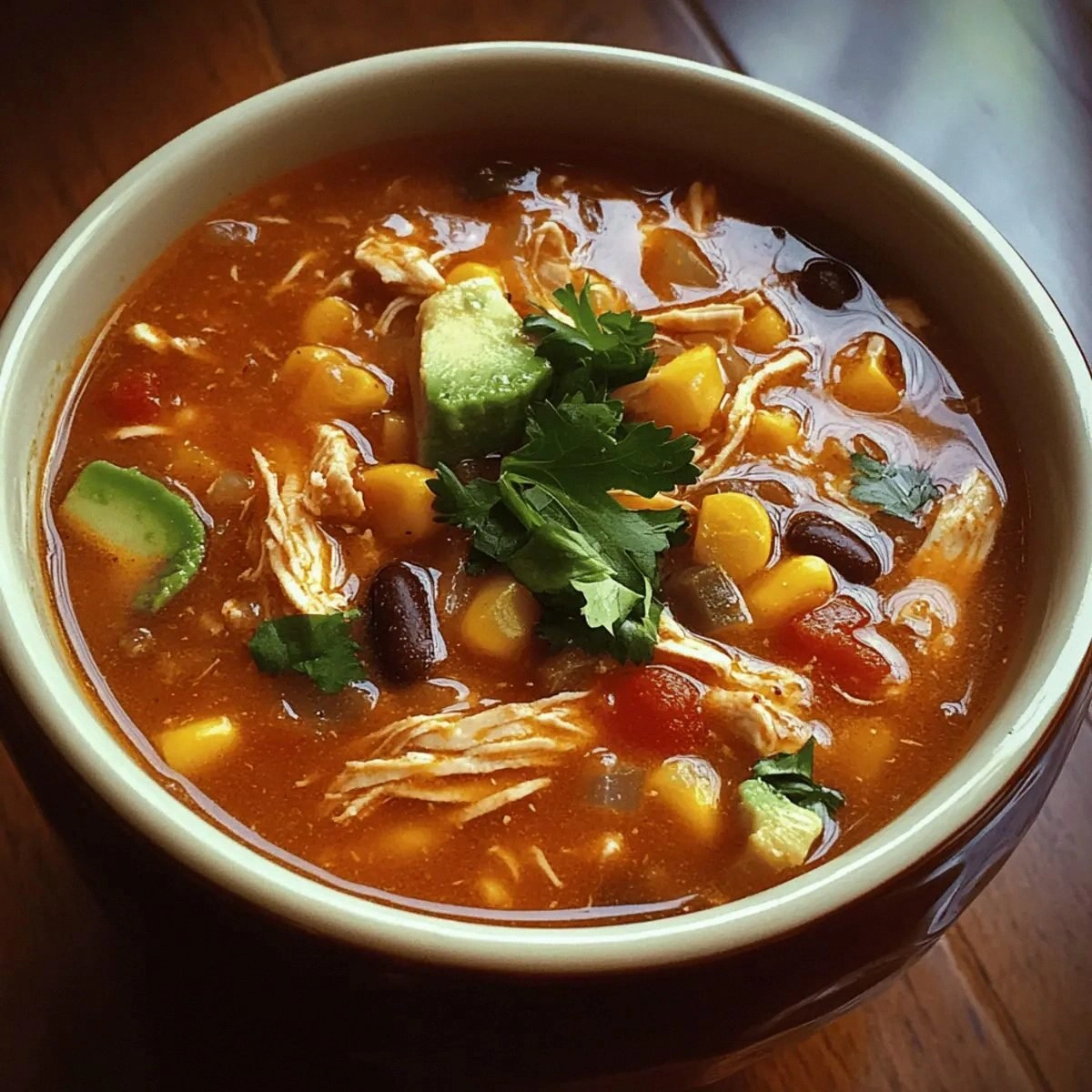

I still remember the night I burned my last batch of ramen in a frantic attempt to impress a friend who claimed he could make “the best ramen” in town. The broth was a bland, watery mess, the noodles overcooked to mush, and the chicken had the texture of a rubber glove. I stared at the stove, feeling a mix of humiliation and determination. That night, I swore to myself that I would create a ramen that would make even the most seasoned noodle lover gasp, and I did just that.
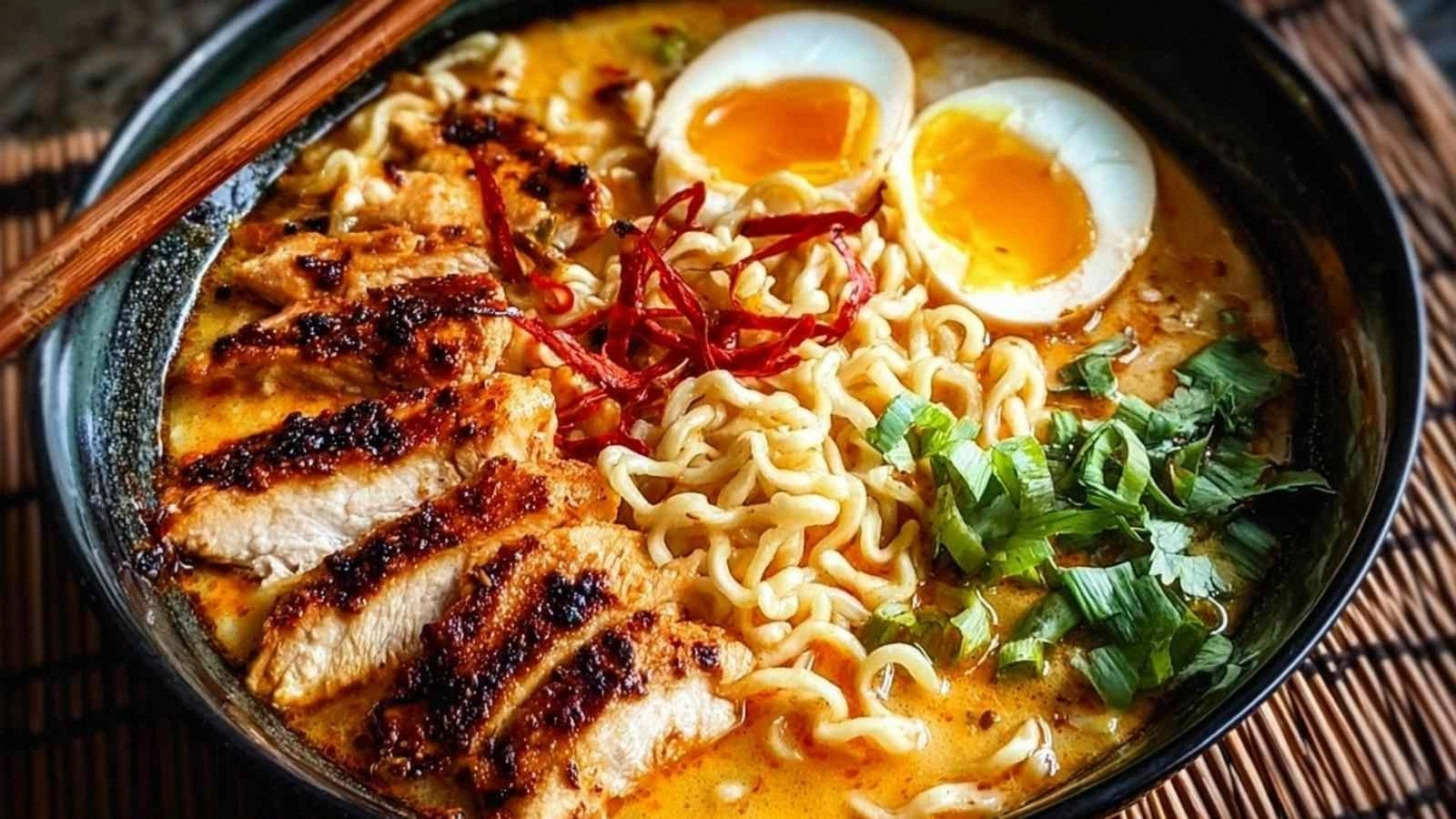
Picture this: a steaming bowl of broth that crackles as soon as it hits the surface, the aroma of smoked paprika and chili powder dancing through the air, the noodles glistening with a glossy, creamy sauce that coats each strand like velvet. The heat is immediate, a fiery wave that wakes up your taste buds, and then it settles into a comforting, savory depth that lingers long after the last bite. That is the experience I offer you with this Fiery Chicken Ramen. I dare you to taste this and not go back for seconds.
What sets this version apart from the countless other ramen recipes you’ve probably seen is the fusion of a creamy, parmesan‑infused sauce with a spicy kick that feels like a well‑balanced orchestra. It’s not just the sauce; the chicken is marinated in a smoky, peppery coating that locks in flavor, and the broth is thickened with a touch of heavy cream, giving it a luxurious mouthfeel that makes every spoonful feel indulgent. I’ve been told it’s hands down the best version you’ll ever make at home. And if you’re skeptical, I’ll be honest — I ate half the batch before anyone else got a chance to try it.
Most recipes get this completely wrong by either over‑seasoning the broth or under‑cooking the noodles, resulting in a dish that feels flat and uninspired. The secret lies in the timing: the chicken is seared to a golden crust, the garlic is sautéed to a fragrant amber, and the cream is added just before the noodles hit the bowl so it emulsifies perfectly. Picture yourself pulling this out of the pot, the whole kitchen smelling incredible, and watching the steam swirl around a bowl that’s almost too pretty to eat. Stay with me here — this is worth it.
What Makes This Version Stand Out
- Bold Flavor: The combination of smoked paprika, chili powder, cayenne, and red pepper flakes creates a layered heat that is both bold and complex. This isn’t a one‑dimensional burn; it’s a symphony of heat that complements the creamy broth.
- Texture Mastery: The chicken’s crispy exterior contrasts beautifully with the silky sauce, while the ramen noodles maintain their al dente bite thanks to a precise cooking time.
- Quick Prep: All prep work can be done in under fifteen minutes, making it a perfect weeknight dinner that still feels gourmet.
- Ingredient Quality: Using fresh, high‑quality chicken and real smoked paprika elevates the dish beyond the typical instant noodle fix.
- Crowd‑Pleaser: The heat level is adjustable, so even those who are heat‑averse can enjoy a milder version by reducing the cayenne and pepper flakes.
- Make‑Ahead Friendly: The broth can be cooked ahead and refrigerated for up to two days, allowing you to assemble the ramen in minutes.
- Versatile Toppings: From soft‑boiled eggs to nori strips, the toppings are interchangeable, giving you endless variations.
- Balanced Nutrition: With 350 calories, 25g of protein, and 15g of fat, this bowl satisfies without overloading.
Alright, let’s break down exactly what goes into this masterpiece. The next section will walk you through the ingredients and why each one matters.
Inside the Ingredient List
The Flavor Base
The foundation of any great ramen is its broth. In this recipe, the broth is a rich, creamy concoction that marries the savory depth of chicken broth with the luxurious mouthfeel of heavy cream. The smoked paprika and chili powder give the base a smoky, slightly sweet undertone that balances the heat from cayenne and red pepper flakes. Skipping the paprika would leave the dish feeling one‑dimensional, while omitting the cayenne would make it a mild, almost bland soup. If you’re short on cream, a splash of coconut milk can replace it, but the texture will shift slightly toward a tropical profile.
The Texture Crew
The chicken is the star of the show. Marinating it in a blend of soy sauce, sesame oil, cornstarch, smoked paprika, chili powder, and black pepper creates a coating that crisps beautifully when seared. The cornstarch works like a magic binder, forming a light shell that locks in juices and adds a subtle crunch. If you skip the cornstarch, the chicken will still be flavorful but will lack that desirable crispness that elevates the dish. For a vegetarian version, replace the chicken with tofu and use a soy‑based sauce to keep the umami intact.
The Unexpected Star
The grated Parmesan cheese is the secret weapon that gives the broth its velvety texture and a subtle nutty finish. Parmesan also helps thicken the sauce without adding extra dairy, making it a healthier alternative to heavy cream alone. If you’re lactose intolerant, you can substitute with a vegan parmesan or a small amount of nutritional yeast for a cheesy flavor without the dairy. The nori strips and sesame seeds add a final layer of umami and crunch, turning each bite into a multi‑sensory experience.
The Final Flourish
The soft‑boiled egg, green onions, and shredded carrots are not just garnish; they add color, texture, and a burst of freshness that cuts through the richness of the broth. The egg’s yolk is the perfect melting point, creating a silky swirl when broken open. Green onions provide a sharp, aromatic contrast, while the carrots offer a subtle sweetness and a satisfying crunch. If you’re on a keto diet, you can omit the carrots and replace them with a handful of spinach for an extra nutrient boost.
Everything’s prepped? Good. Let’s get into the real action.
The Method — Step by Step
- In a small bowl, whisk together the soy sauce, sesame oil, cornstarch, smoked paprika, chili powder, cayenne pepper, and black pepper until the cornstarch is fully dissolved. This slurry will coat the chicken evenly. The mixture should have a thick, glossy consistency. Set aside while you prepare the chicken.
- Pat the chicken breasts dry with paper towels. This step ensures a crisp surface when seared. Coat each breast in the spice slurry, making sure every inch is coated. The coating should look slightly sticky but not wet. Let the chicken sit for 10 minutes to absorb the flavors.
- Heat 1 tbsp vegetable oil in a large skillet over medium‑high heat. Once the oil shimmers, add the chicken breasts. Sear each side for 3‑4 minutes until golden brown and a crust has formed. The internal temperature should reach 165°F (74°C). Flip the chicken gently to avoid breaking the crust.
- Remove the chicken from the skillet and set aside. In the same skillet, reduce the heat to medium and add 2 tbsp butter. Let it melt, then add 4 cloves of minced garlic. Sauté until the garlic turns a golden amber, about 30 seconds. The aroma will signal that the flavor is developing.
- Pour in 1.5 cups heavy cream and 0.5 cup chicken broth, stirring constantly. Bring to a gentle simmer. Add 0.5 tsp salt, 0.5 tsp black pepper, and 0.5 tsp red pepper flakes. Taste and adjust seasoning as needed. The sauce should thicken slightly and develop a glossy sheen.
- Add 0.5 cup grated Parmesan cheese to the sauce and stir until fully melted. The cheese will enrich the broth and give it a silky texture. Once the cheese is incorporated, reduce the heat to low.
- Meanwhile, bring a large pot of salted water to a rolling boil. Add 2 packs ramen noodles and cook for 3 minutes, or until they are al dente. Drain and rinse under cold water to stop the cooking process and keep the noodles from sticking.
- Slice the cooked chicken breasts into thin strips. This will allow the flavors to meld quickly and make the dish easier to eat.
- Divide the noodles into 4 bowls. Ladle the hot sauce over the noodles, ensuring each bowl receives an even amount of sauce. Top each bowl with sliced chicken, a soft‑boiled egg, 0.5 cup green onions, 0.5 cup shredded carrots, 1 tbsp sesame seeds, and 1 tbsp nori strips. The final garnish will give the ramen a burst of color and a satisfying crunch.
That's it — you did it. But hold on, I've got a few more tricks that'll take this to another level.
Insider Tricks for Flawless Results
The Temperature Rule Nobody Follows
Many home cooks skip the step of letting the chicken rest after searing. Allowing the chicken to rest for 5 minutes before slicing ensures the juices redistribute, keeping the meat moist and tender. Skipping this step can lead to a dry, rubbery texture that ruins the contrast with the creamy sauce.
Why Your Nose Knows Best
Before adding the final pinch of salt, close your eyes and inhale deeply. If the broth smells off or lacks depth, add a bit more soy sauce or a splash of chicken broth. Your nose is a reliable indicator of flavor balance, so trust it over the clock.
The 5‑Minute Rest That Changes Everything
After cooking the ramen noodles, give them a quick 5‑minute rest in the pot with a splash of oil. This prevents them from sticking together and gives the noodles a glossy finish. It’s a small step that makes a huge difference in presentation.
The Right Garlic Technique
Mince the garlic finely and sauté it until it turns amber, not brown. Brown garlic can taste burnt and bitter. The amber stage releases a sweet, nutty aroma that enriches the broth without overpowering the other spices.
The Sweetness Balance
If you prefer a slightly sweeter broth, add a teaspoon of honey or brown sugar after the Parmesan has melted. This counteracts the heat and adds depth. However, be careful not to over‑sweeten; the goal is subtlety.
Creative Twists and Variations
This recipe is a playground. Here are some of my favorite ways to switch things up:
Spicy Peanut Twist
Swap the Parmesan cheese for a tablespoon of creamy peanut butter and add a splash of sriracha. The nutty flavor pairs beautifully with the heat, creating an Asian fusion bowl that’s both bold and comforting.
Mushroom Umami Boost
Sauté sliced shiitake or cremini mushrooms with the garlic before adding the cream. Their earthy umami will deepen the broth’s flavor profile and add a meaty texture that complements the chicken.
Vegan Version
Replace the chicken with grilled tofu or tempeh marinated in soy sauce and sesame oil. Use coconut milk instead of heavy cream and a vegan Parmesan substitute. The result is a plant‑based ramen that still delivers heat and richness.
Breakfast Ramen
Add a fried or poached egg to each bowl and sprinkle with chives instead of green onions. Serve with a side of toasted English muffin halves for a hearty breakfast that feels like a late‑night craving.
Herbal Freshness
Stir in a handful of fresh basil or cilantro just before serving. The herb’s bright aroma cuts through the richness and adds a refreshing contrast that lingers on the palate.
Sweet Heat Fusion
Drizzle a teaspoon of maple syrup over the finished bowl and sprinkle with toasted almond slivers. The sweetness balances the heat, creating a complex flavor that’s both comforting and adventurous.
Storing and Bringing It Back to Life
Fridge Storage
Store the cooked ramen in an airtight container for up to 2 days. Keep the noodles and broth separate if possible; combine them only when reheating to avoid soggy noodles. Refrigerate immediately after cooking to preserve freshness.
Freezer Friendly
Freezing the broth in a freezer‑safe container for up to 3 weeks works best. Reheat on the stove, adding a splash of water or broth to loosen the sauce. The noodles can be frozen separately and thawed in the microwave.
Best Reheating Method
When reheating, bring the broth to a gentle simmer on medium heat. Add a tiny splash of water before reheating — it steams back to perfection and prevents the sauce from thickening too much. The noodles should be added at the very end to avoid over‑cooking.