Picture this: I was halfway through a week‑long experiment of turning leftovers into something that could actually taste like a gourmet dish, when my stove decided to throw a tantrum and set the oven to “lava.” The smoke alarm sang its high‑pitched lament, and I was left with a pot of over‑cooked chickpeas and a ruined batch of yogurt. I stared at the charred remains, then stared back at my pantry and thought, “If I could turn this into a salad, maybe I could salvage the day.” That moment of culinary crisis sparked the creation of the Feta and Cranberry Chickpea Salad that would soon become my secret weapon for instant, crowd‑pleasing lunch.
I opened the fridge, pulled out a can of chickpeas, a block of feta that had been sitting on the counter for a week, and a handful of dried cranberries that had a faintly sweet, almost tart whisper of winter. The scent of lemon juice and fresh dill instantly flooded the air, turning the kitchen into a Mediterranean breeze. I could already hear the crunch of celery, the subtle bite of red onion, and the creamy whisper of Greek yogurt as they would mingle on my plate. The anticipation was electric—like waiting for a drum roll before the first note of a symphony. The sound of my whisk hitting the bowl was a tiny promise of the big flavor explosion to come.
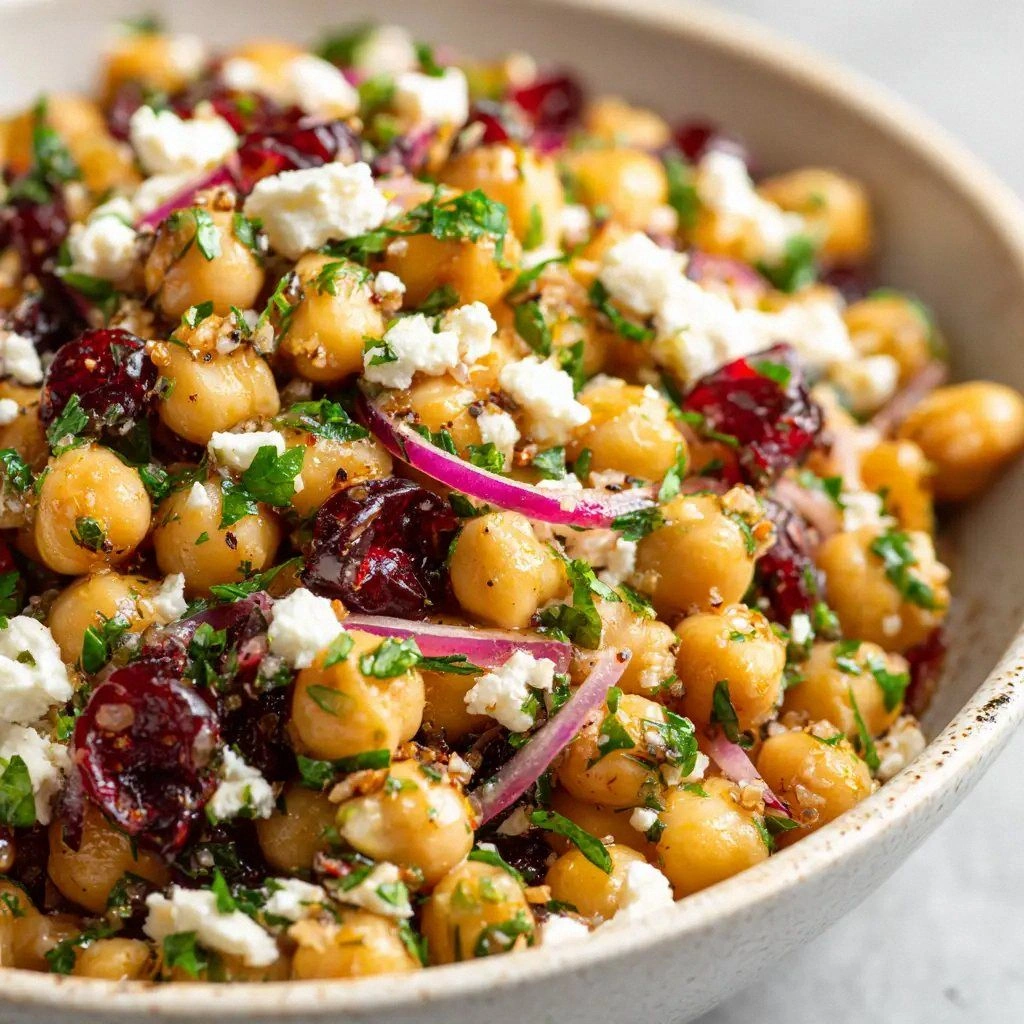
What makes this version of the salad stand out is that it balances the sharpness of feta with the bright pop of cranberries, all while keeping the texture delightfully crisp. The chickpeas are not just a filler; they are a protein-packed base that holds the dressing together, creating a satisfying bite that keeps you coming back for more. The yogurt‑lemon dressing coats each ingredient like velvet, turning every mouthful into a creamy, tangy experience that feels indulgent but never heavy. The dill adds a fresh, almost herbal whisper that cuts through the richness of the feta, while the cranberries bring a playful burst of sweetness that feels like a secret handshake with your taste buds. The result? A salad that feels like a summer picnic on a rainy day, with a hint of comfort that makes you wonder why you ever ate anything else.
I dare you to taste this and not go back for seconds. The first bite will have you questioning the very definition of “light lunch.” The second bite will make you wonder if you should be serving this at dinner, and the third bite will have you silently asking your friends why you didn’t share this recipe earlier. I’ve been told that the only thing I can’t do with this salad is keep it from being the center of attention at any gathering, and I’m not entirely sure that’s a good or a bad thing.
Most recipes get this completely wrong. They either over‑season the feta or under‑season the cranberries, leading to a salad that is either bland or overwhelmingly sweet. I discovered that the key is to let each component shine on its own while still working in harmony. The feta must be crumbled just enough to break into small, buttery pockets, while the cranberries need to be toasted lightly to release their natural juices. This delicate dance of flavors is what elevates the dish from ordinary to unforgettable.
If you've ever struggled with making a salad that feels like a meal, you're not alone—and I've got the fix. I’ve spent countless hours trying different dressings and combinations, and this one is hands down the best version you'll ever make at home. It’s a recipe that works for both the hurried weekday lunch and the relaxed Sunday brunch. The beauty of it lies in its simplicity: a handful of pantry staples, a splash of lemon, and the magic of feta.
Picture yourself pulling this out of the bowl, the whole kitchen smelling incredible, and watching as your friends' eyes widen in anticipation. The vibrant colors of the salad are a visual feast, and the aroma is a gentle reminder that good food can be both simple and sophisticated. Stay with me here—this is worth it. Let me walk you through every single step — by the end, you'll wonder how you ever made it any other way.
What Makes This Version Stand Out
- Flavor: The combination of salty feta and sweet cranberries creates a dynamic taste profile that is both refreshing and indulgent. This contrast keeps each bite exciting and prevents the salad from becoming one‑dimensional.
- Texture: The chickpeas add a satisfying bite, while the fresh celery provides a crisp snap that balances the creaminess of the yogurt dressing.
- Visual Appeal: The bright red cranberries and pale feta against the green of the dill and celery make for a color palette that screams Instagram‑ready.
- Quick Assembly: Every element is pre‑washed, pre‑cut, or pre‑crushed, making the salad ready in under ten minutes. It’s the perfect solution for a busy weekday or a last‑minute dinner.
- Nutrition: Packed with plant‑based protein, healthy fats from the feta, and antioxidants from the cranberries, it offers a balanced meal that satisfies without the guilt.
- Versatility: It can be served as a light lunch, a side dish, or a protein‑rich base for a larger entrée. Swap ingredients or add extras to suit any palate.
- Make‑Ahead Potential: The salad keeps its integrity for up to 24 hours when stored properly, making it ideal for meal prep or potluck contributions.
- Ingredient Quality: Using high‑quality feta and fresh dill elevates the dish, turning everyday pantry items into a culinary showcase.
Alright, let's break down exactly what goes into this masterpiece...
Inside the Ingredient List
The Flavor Base
The 15‑ounce can of chickpeas is the foundation of this salad. Chickpeas bring a mild, nutty flavor that absorbs the dressing, giving each bite a hearty, satisfying core. If you skip the chickpeas, the salad will feel like a dry, fruit‑heavy dish with no body. For a richer protein punch, opt for a high‑protein chickpea variety or add a scoop of protein powder to the yogurt dressing.
The Greek yogurt is the creamy canvas that ties all flavors together. It’s thick enough to coat the chickpeas without becoming runny, and its tanginess balances the saltiness of the feta. If you’re lactose intolerant, swap the yogurt for a dairy‑free alternative like coconut or cashew yogurt, but keep the thickness in mind. A good tip: chill the yogurt for 30 minutes before mixing; it thickens and prevents the dressing from separating.
The Texture Crew
Celery is the crunchy hero that adds a refreshing bite. It also serves as a natural crunch enhancer, preventing the salad from becoming soggy. When selecting celery, look for firm stalks with bright green leaves; they’re crisp and less bitter. If you prefer a milder crunch, you can substitute with crunchy romaine lettuce or sliced bell peppers.
Red onion brings a sharp, slightly sweet bite that cuts through the richness of the feta and the creaminess of the yogurt. It also adds a subtle pop of color. Slice the onion thinly to avoid overpowering the other flavors. For a milder version, you can soak the sliced onion in cold water for 10 minutes before adding it to the salad.
The Unexpected Star
Dried cranberries are the secret sweetener of this dish. They provide a burst of tartness and a chewy texture that contrasts beautifully with the creamy feta and crunchy celery. If you don’t have cranberries on hand, raisins or dried apricots can be used, but the flavor profile will shift slightly. A fun fact: cranberries contain a natural antioxidant called quercetin, which has been linked to heart health.
The Final Flourish
Fresh dill is the aromatic finishing touch. Its bright, slightly citrusy flavor lifts the entire dish and adds a herbal note that balances the richness of the feta. If dill isn’t available, parsley or chives can work as substitutes, though they’ll change the flavor nuance. A quick tip: chop dill finely to release its essential oils, giving the salad a more pronounced aroma.
Lemon juice and Dijon mustard are the emulsifiers that bind the dressing. The acidity from the lemon brightens the salad and keeps the feta from becoming too salty, while the mustard adds depth and a subtle heat. If you prefer a milder dressing, reduce the mustard to half a teaspoon and increase the lemon juice slightly.
Everything's prepped? Good. Let's get into the real action...
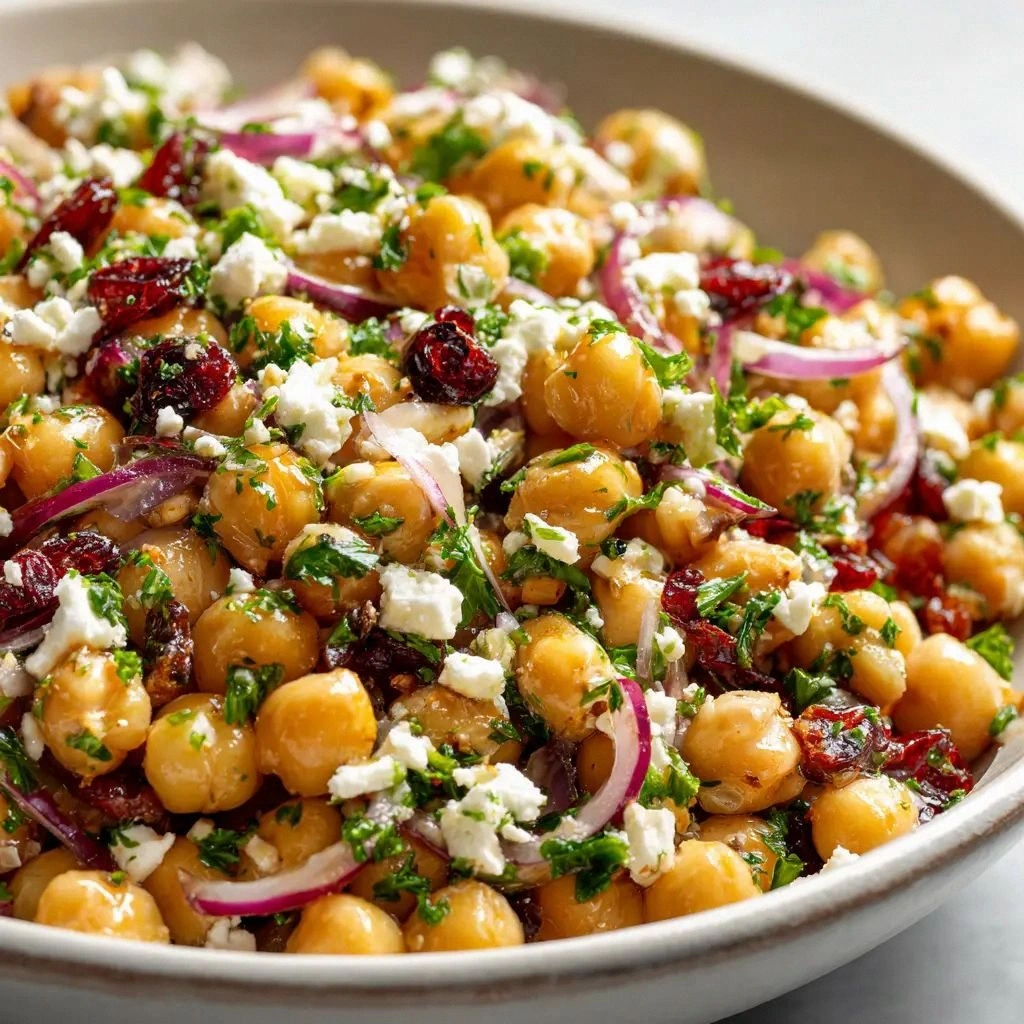
The Method — Step by Step
- Begin by rinsing the chickpeas under cold water, then pat them dry with a clean towel. The goal is to remove any excess liquid that could dilute the dressing. Once dry, set them aside in a large mixing bowl. This step is crucial for ensuring the chickpeas absorb the yogurt dressing evenly.
- Take the feta and crumble it into the bowl. Use a fork or a cheese grater for a light crumble; you want small, buttery pockets that will melt slightly when combined with the dressing. The feta should not be too dense; it needs to mingle with the other ingredients.
- Add the dried cranberries to the bowl. Toss them gently so they’re evenly distributed among the chickpeas and feta. The cranberries should be slightly toasted, so they release their juices and add a subtle caramelized flavor. This step is a game‑changer—watch the colors pop.
- Dice the celery into bite‑size cubes and the red onion into thin rings. Add both to the bowl. The crispness of the celery is essential for contrast, and the onion’s sharpness balances the sweet cranberries. This is where the salad gets its crunch.
- In a small bowl, whisk together the Greek yogurt, lemon juice, Dijon mustard, fresh dill, salt, and black pepper until a smooth, homogeneous dressing forms. The mustard acts as an emulsifier, ensuring the lemon and yogurt blend seamlessly. The dill adds a fresh aroma that elevates the entire dish.
- Pour the dressing over the salad and toss gently but thoroughly. The goal is to coat every ingredient without breaking up the feta or cranberries. As you toss, you’ll see the dressing coat the chickpeas, turning them a pale, creamy shade.
- Taste the salad and adjust the seasoning if needed. If it feels a bit flat, add a pinch more salt or a splash more lemon juice. If it’s too tangy, a splash of Greek yogurt can mellow it out. Remember, balance is key.
- Serve immediately on a bed of mixed greens or as a hearty side to your favorite protein. If you’re plating for a crowd, arrange the salad in a shallow bowl to showcase the vibrant colors. The salad is best enjoyed fresh, but it can be stored for later.
That's it — you did it. But hold on, I've got a few more tricks that'll take this to another level...
Insider Tricks for Flawless Results
The Temperature Rule Nobody Follows
Many people toss cold ingredients straight into a dressing that’s too warm, leading to a watery mix. The secret is to let the yogurt sit at room temperature for 10 minutes before whisking. This small step ensures the dressing emulsifies properly, giving you a silky coat that clings to the chickpeas.
Why Your Nose Knows Best
Before you add the lemon juice, give the dressing a quick sniff. If it smells overly acidic, reduce the lemon or add a bit more yogurt. Your nose is a reliable judge of balance; it can tell you if the dish leans too far into sourness or saltiness.
The 5‑Minute Rest That Changes Everything
After tossing, let the salad sit for 5 minutes before serving. This brief rest allows the flavors to meld, and the chickpeas to soak up the dressing fully. It also gives the feta a chance to soften slightly, creating a more harmonious bite.
The Freshness Factor
Use the freshest dill you can find. A sprig of dill that’s been sitting for days will lose its bright, citrusy aroma, making the salad feel flat. If you’re planning ahead, store dill in a glass of water with a paper towel, and replace the water daily.
The Secret of the Crumb
Crumb the feta just before mixing. If you let it sit out for too long, the feta will release its moisture and make the dressing runny. This tiny detail ensures the salad stays creamy without becoming soggy.
The Final Touch
A final sprinkle of freshly ground black pepper adds a subtle heat that lifts the entire dish. It’s a small touch that can transform a good salad into a great one. Finish with a drizzle of extra‑virgin olive oil if you want a richer mouthfeel.
Creative Twists and Variations
This recipe is a playground. Here are some of my favorite ways to switch things up:
Mediterranean Boost
Add a handful of chopped Kalamata olives and a sprinkle of oregano. Swap the feta for a crumbled goat cheese for a tangier finish. This variation leans into classic Mediterranean flavors, perfect for a summer picnic.
Protein Powerhouse
Stir in a handful of chopped roasted almonds or walnuts for extra crunch and omega‑3s. Replace the chickpeas with cooked quinoa or lentils for a different protein source. This makes the salad a full‑meal entrée.
Sweet and Spicy
Add a dash of crushed red pepper flakes and a drizzle of honey. Replace the cranberries with chopped mango or pineapple for a tropical twist. The heat and sweetness will create a lively flavor profile that’s sure to wow.
Vegan Version
Use a plant‑based yogurt and vegan feta substitute. Add a splash of nutritional yeast for a cheesy note. This version is entirely dairy‑free yet still delivers on flavor and texture.
Fall Harvest
Swap the cranberries for dried apples or pears. Add a pinch of cinnamon and a handful of pumpkin seeds for a seasonal touch. The warm spices pair beautifully with the feta’s saltiness.
Breakfast Kick‑Start
Serve the salad over a bed of sautéed spinach and top with a fried egg for a protein‑rich breakfast. Add a sprinkle of chia seeds for an extra nutrient boost. This transforms the dish into a satisfying morning meal.
Storing and Bringing It Back to Life
Fridge Storage
Store the salad in an airtight container for up to 24 hours. Keep it on the bottom shelf to maintain a consistent temperature. If you notice the dressing separating, give the container a quick shake before serving.
Freezer Friendly
The salad can be frozen for up to 2 weeks, but it’s best to keep the dressing separate until ready to serve. Freeze the chickpeas, feta, cranberries, celery, and onion in one container, and store the dressing in a small jar. When ready, thaw the salad and whisk in the dressing.
Best Reheating Method
If you prefer a warm version, gently heat the salad in a skillet over low heat for 5 minutes, stirring occasionally. Add a splash of water or vegetable broth to keep it from drying out. The heat will bring out the feta’s creaminess and the cranberries’ natural juices.