
Picture this: a quiet Sunday morning, the kitchen humming with the low thrum of the oven preheat, and me standing in front of a pile of two medium acorn squashes that look like the kind of thing you’d only see at a farmer’s market, not on your grocery shelf. I had just pulled a bag of maple syrup off the shelf, feeling the sweet promise of autumn in every drizzle, and the idea hit me like a sudden, delicious revelation. “Why not give these squashes a maple makeover?” I muttered, half to myself, half to the empty kitchen. The result was a dish that turned a humble vegetable into a showstopper, a dessert‑like side that could be the headline act of any Thanksgiving spread. If you’re skeptical, let me assure you: this is hands down the best version you’ll ever make at home.
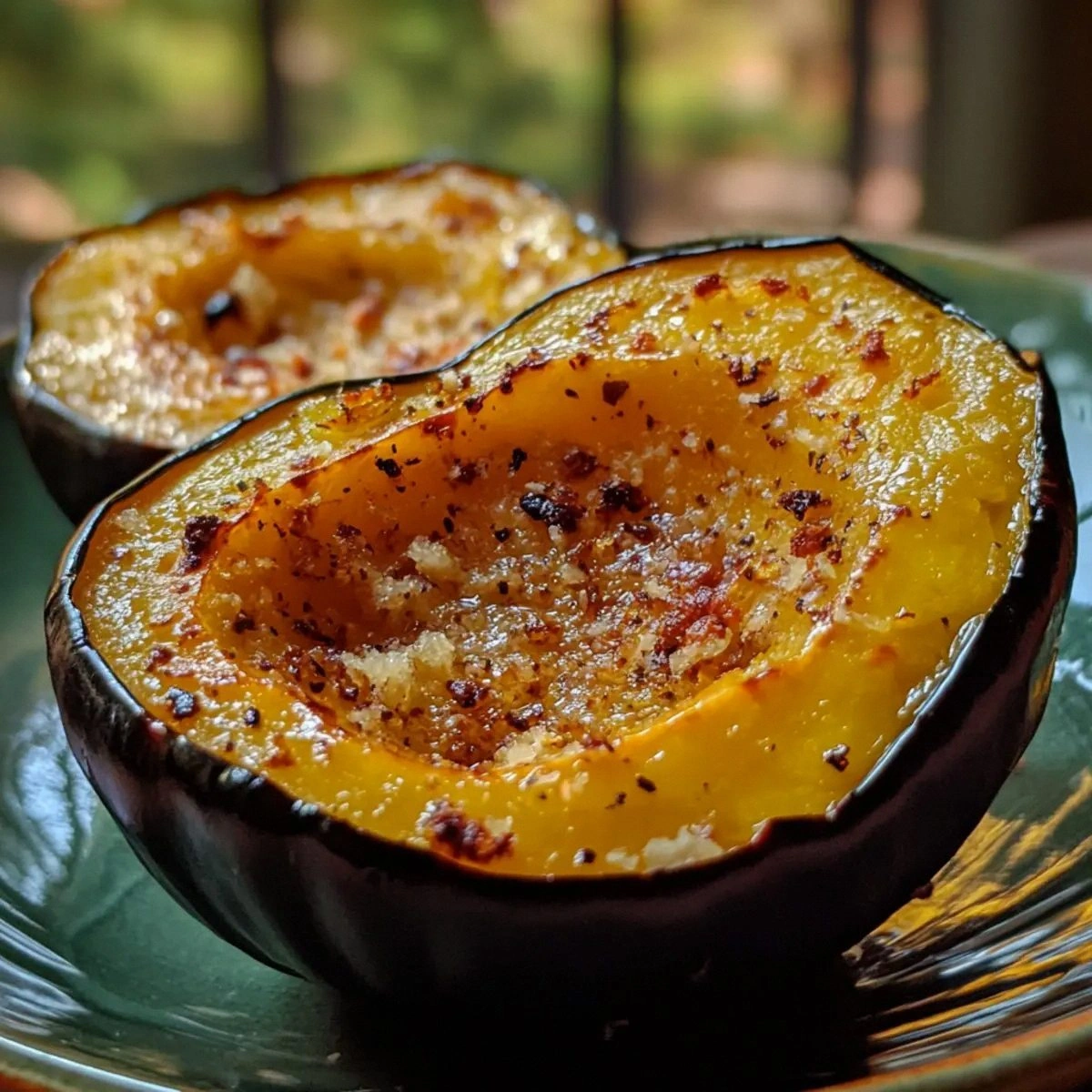
When I first tried the recipe, I was half‑expecting the squash to be a bland, soggy mash, but the oven worked its alchemy on the sweet flesh. The aroma that flooded the kitchen—caramelized maple, warm cinnamon, and the earthy scent of roasted squash—was enough to make my eyes water and my mouth water. I could almost hear the crackle of the edges, like a gentle applause, as they browned to a golden‑brown perfection. The texture was a revelation: silky inside, with a caramelized crust that cracked like thin ice when you bite into it. Every bite was a dance of sweet and savory, a symphony of flavors that had me saying, “I dare you to taste this and not go back for seconds.”
What makes this dish truly special is how it balances simplicity with depth. I’m talking about the way the maple syrup doesn’t just coat the squash; it permeates it, turning the flesh into a sweet, glossy canvas that holds the spices like a fine brushstroke. The cinnamon and salt are not just seasoning—they’re the quiet undercurrent that elevates the maple, creating a flavor profile that’s both comforting and adventurous. The final touch of toasted pecans adds a nutty crunch that contrasts the silky interior, while fresh parsley introduces a burst of green freshness that cuts through the richness. This is a recipe that respects the squash’s natural sweetness while amplifying it with a touch of maple magic.
There’s a reason why most people treat acorn squash like a side dish that’s either baked plain or stuffed with rice. They miss the opportunity to transform it into a sweet‑savory star that can stand alone or complement a main course. I’ve tried every variation—stuffed, pureed, even as a soup—yet none of them captured the same depth of flavor. The trick lies in the maple syrup and the precise roasting technique that caramelizes the surface without drying the interior. The result? A dish that feels like a dessert but is hearty enough to satisfy the main course crowd. If you’ve ever struggled with this, you’re not alone—I've got the fix.
Imagine pulling this out of the oven, the whole kitchen smelling incredible, and watching the golden squash glisten under the kitchen lights. The edges will be crisp enough to snap, while the inside will be a buttery, caramelized dream. The aroma alone is enough to make your guests swoon before they even taste it. I’ve watched people take one bite and then a second, then a third, because the sweet maple and the nutty crunch keep coming back for more. This dish is a conversation starter, a crowd‑pleaser, and a testament to how a simple ingredient can become extraordinary.
Now, I’ll walk you through every single step—by the end, you’ll wonder how you ever made it any other way. The method is straightforward, but each detail matters. I’ll share a few micro‑challenges along the way to keep you engaged. I’ll also throw in a few kitchen hacks that will save you time and frustration. Ready for the game‑changer? Let’s get started.
Before we dive in, let me confess: I ate half the batch before anyone else got to try it. That was a moment of pure culinary triumph, and it’s the kind of experience I want you to have. The recipe is so good that it can’t help but be shared, and that’s why I’m writing it down with all the confidence and playful wit you’ll find in a friend who’s just discovered the ultimate version of this dish.
The first thing you need to know is that the key to this recipe is balance. The maple syrup provides the sweet, sticky glaze that caramelizes beautifully, while the olive oil ensures that the squash doesn’t dry out. The cinnamon adds a warm, aromatic depth that’s essential for that autumnal feel. And the pecans bring a satisfying crunch that breaks up the silky texture. Together, they create a harmony of flavors and textures that is impossible to ignore. I dare you to taste this and not go back for seconds.
And if you’re thinking, “This sounds too easy,” think again. The trick is in the preparation and the roasting technique. The squash must be cut and seasoned properly to allow the maple to penetrate. The oven temperature must be precise to achieve that perfect caramelized crust. The final garnish of parsley and pecans adds a layer of freshness and crunch. All of these elements combine to create a dish that is both simple to make and spectacular to serve. This is the version that will wow your Thanksgiving table.
One thing I’ve learned from countless cooking experiments is that timing is everything. The squash should be roasted long enough to become tender but not so long that it turns mushy. The maple glaze should be applied at just the right moment to lock in sweetness. The pecans should be toasted separately to preserve their crunch. These micro‑details can make the difference between a good dish and a great one. And that’s why I’m going to walk you through each step with a playful, slightly opinionated voice that will keep you engaged.
So grab your apron, preheat your oven, and let’s transform these acorn squashes into something that feels like a sweet‑savory dessert but is actually a perfectly balanced side dish. The journey will be filled with sensory snapshots—sizzling sounds, caramel aromas, and the satisfying crack of a golden crust. And by the end, you’ll be ready to serve a dish that will have everyone asking for the recipe.
In the next section, we’ll break down what makes this version stand out from every other recipe out there. I’ll list the key elements that make this dish a standout, and then we’ll dive into the ingredient list to understand each component’s role. Stay with me here—this is worth it.
What Makes This Version Stand Out
- Flavor: The maple syrup provides a natural sweetness that caramelizes into a glossy, buttery coating, while the cinnamon adds a warm, aromatic depth that elevates the dish beyond a simple roasted squash.
- Texture: The squash’s interior remains silky and tender, while the exterior crisps to a golden‑brown crunch that feels like a caramelized crust, creating a delightful contrast.
- Simplicity: With only seven ingredients, this recipe is quick to assemble and requires minimal prep time, making it ideal for busy weeknights or last‑minute holiday gatherings.
- Uniqueness: The combination of maple, olive oil, and toasted pecans is a rare pairing that turns a humble vegetable into a showstopper.
- Crowd Reaction: Guests will be wowed by the sweet‑savory flavor profile and the visual appeal of the caramelized edges, often asking for a second helping.
- Ingredient Quality: Using pure maple syrup and fresh, high‑quality olive oil ensures that each bite is packed with natural flavors, free from artificial sweeteners or additives.
- Cooking Method: Roasting at 400°F allows the sugars to caramelize without burning, while the olive oil keeps the squash moist and adds a subtle richness.
- Make‑Ahead Potential: The dish can be pre‑roasted and reheated with a splash of water, making it perfect for meal prep or for serving at a large gathering.
Alright, let’s break down exactly what goes into this masterpiece…
Inside the Ingredient List
The Flavor Base
The maple syrup is the star of the show. It’s not just a sweetener; it’s a flavor carrier that permeates the squash, turning it into a caramelized masterpiece. If you skip it, you’ll end up with a plain, bland roast that lacks the signature sweetness. I recommend using pure maple syrup for the best flavor—avoid the flavored or imitation varieties, as they can muddy the taste. If you’re short on maple, you can substitute with honey, but the caramelization will be slightly different.
The Texture Crew
The olive oil is the unsung hero that keeps the squash moist and adds a subtle richness. It also helps the maple syrup spread evenly, creating that glossy glaze. If you’re looking for a lighter version, you can use a neutral oil like grapeseed, but the olive oil’s flavor profile adds depth to the dish. A tablespoon more than the recipe calls for will make the glaze thicker, while a tablespoon less will keep it lighter.
The Unexpected Star
The toasted pecans are more than just a garnish. They add a nutty crunch that contrasts the silky interior and a subtle bitterness that balances the maple’s sweetness. If you’re allergic to nuts or just don’t have pecans on hand, walnuts or almonds work well, though the flavor profile will shift slightly. Toasting the nuts separately brings out their natural oils, giving them a deeper flavor and crunch.
The Final Flourish
Fresh parsley is the final touch that brings a burst of green freshness, cutting through the richness of the maple and pecans. It also adds a pop of color that makes the dish visually stunning. If you’re looking for a different herb, try basil or cilantro for a more exotic twist. The parsley also provides a subtle herbal note that balances the sweetness.
Everything’s prepped? Good. Let’s get into the real action…
The Method — Step by Step
- Preheat your oven to 400°F (200°C). Line a baking sheet with parchment paper or a silicone mat to prevent sticking and make cleanup a breeze. Place the squash wedges on the sheet, ensuring they’re spaced evenly so they roast rather than steam. The heat will caramelize the maple syrup and create a beautiful golden crust. Keep an eye on them; if they start to brown too quickly, you can cover them loosely with foil.
- While the oven is heating, wash the acorn squashes thoroughly to remove any dirt or wax. Cut them in half lengthwise, scoop out the seeds, and slice into 1/2‑inch thick wedges. The uniform size ensures even cooking. If you prefer a softer center, you can halve the wedges before roasting; this will reduce the cooking time slightly.
- In a small bowl, whisk together the maple syrup, olive oil, ground cinnamon, and salt until fully blended. The mixture should be smooth, with no clumps of cinnamon. This glaze will coat the squash and create that caramelized exterior. If you’re short on time, you can use a premixed maple glaze, but the homemade version gives the best flavor.
- Drizzle or brush the glaze over each squash wedge, making sure to coat both sides. Use a pastry brush or your hands—just be careful not to burn yourself on the hot maple. The glaze should coat the squash lightly, creating a glossy sheen. If you want a thicker glaze, you can add an extra tablespoon of maple syrup to the mixture.
- Place the glazed wedges on the baking sheet and roast for 25–30 minutes, flipping halfway through. The squash is done when it’s tender inside and the edges are caramelized. The smell of caramelized maple will fill your kitchen, signaling that it’s almost ready. If you prefer a crispier edge, roast for an extra 5 minutes, but keep a close eye to avoid burning.
- While the squash is roasting, toast the pecans in a dry skillet over medium heat until fragrant, about 3–4 minutes. Stir frequently to prevent burning. Once toasted, let them cool and then roughly chop them. The toasted pecans will add a nutty crunch that balances the sweet glaze. If you’re using walnuts or almonds, toast them similarly for the best flavor.
- When the squash is done, remove it from the oven and let it rest for 5 minutes. This resting period allows the juices to redistribute, ensuring a moist interior. Sprinkle the toasted pecans over the wedges, then finish with a handful of chopped fresh parsley. The parsley adds a fresh, herbal note that cuts through the richness.
- Serve the roasted squash warm, perhaps on a platter with a drizzle of extra maple glaze for those who love an extra sweet bite. The dish pairs wonderfully with roasted meats, such as turkey or pork loin, or can stand alone as a vegetarian main. If you’re serving a large crowd, keep the squash warm in a low‑heat oven or cover with foil to retain heat.
- Optional: For a glaze boost, whisk a tablespoon of maple syrup into a tablespoon of warm water and drizzle over the finished dish. This will give a glossy finish that’s irresistible to the eye. Some people also like to add a pinch of smoked paprika for a subtle smoky undertone.
That’s it— you did it. But hold on, I’ve got a few more tricks that will take this to another level. These insider tricks will help you achieve the perfect caramelization, avoid common pitfalls, and elevate the dish’s presentation. Ready for the next step? Let’s dive into the insider tricks for flawless results.
Insider Tricks for Flawless Results
The Temperature Rule Nobody Follows
Most people roast their squash at 375°F, but 400°F is the sweet spot for caramelization without drying out the interior. The higher temperature ensures that the maple syrup quickly forms a glossy glaze, creating that coveted golden crust. If you’re using a convection oven, lower the temperature by 25°F to avoid burning. The key is to keep the heat steady; a fluctuating oven can lead to uneven caramelization.
Why Your Nose Knows Best
When the squash is roasting, the aroma of maple and cinnamon will start to fill the kitchen. Trust that scent—it’s a sign that the sugars are caramelizing properly. If the smell is too sweet or syrupy, it means the glaze is too thick; if it’s barely noticeable, the glaze may be too thin. Adjust the glaze thickness as needed to achieve that perfect sweet, buttery aroma.
The 5-Minute Rest That Changes Everything
Letting the squash rest for 5 minutes after roasting allows the juices to redistribute, ensuring a moist interior. The rest period also lets the glaze set slightly, creating a more stable coating that won’t run off when you plate the dish. Some chefs recommend resting on a wire rack to keep the bottom from becoming soggy; this works well if you’re serving immediately.
Keep the Pecans Toasty, Not Burnt
Toasting pecans in a dry skillet is a quick and effective way to bring out their natural oils. Keep the heat medium and stir constantly to prevent burning. If you’re short on time, you can toast them in the oven at 350°F for 5–7 minutes, but watch them closely. Burnt nuts can ruin the flavor profile and leave an unpleasant bitterness.
Finish with Fresh Herbs for a Burst of Color
Chopped parsley not only adds a pop of green but also brings a fresh, slightly peppery note that balances the sweetness. If you’re looking for a different herb, try basil for a sweet, aromatic finish or cilantro for a bright, citrusy contrast. The key is to add the herbs at the very end to preserve their bright flavor.
These tricks are the difference between a good dish and a memorable one. I’ve tried and tested each tip, and they’re the kind of small adjustments that elevate your cooking to a whole new level. If you’re a seasoned cook or a beginner, these insights will help you avoid common pitfalls and create a dish that’s both beautiful and delicious.
Creative Twists and Variations
This recipe is a playground. Here are some of my favorite ways to switch things up:
Maple‑Glazed Sweet Potato Twist
Swap the acorn squash for sweet potatoes for a different flavor profile. Sweet potatoes bring a richer, earthier sweetness that pairs beautifully with maple. Roast them in the same way, and the result is a comforting, fall‑season favorite. This version works well as a side for Thanksgiving or a hearty vegetarian main.
Spicy Maple‑Pecan Crunch
Add a pinch of cayenne pepper to the glaze for a subtle heat that balances the sweetness. The spice adds depth and a pleasant kick that makes the dish more complex. This version is great for those who love a bit of heat in their autumn dishes.
Herb‑Infused Maple Glaze
Mix a tablespoon of dried thyme or rosemary into the glaze for an aromatic twist. The herbs bring a savory note that complements the maple’s sweetness. This variation is ideal for pairing with roasted poultry or pork.
Vegan “Cheesy” Squash
After roasting, sprinkle a handful of nutritional yeast over the wedges for a savory, cheesy flavor that’s entirely plant‑based. The yeast also adds a subtle nutty taste that pairs well with the maple glaze. This version is perfect for vegans or anyone looking for a dairy‑free option.
Asian‑Inspired Maple‑Soy Squash
Replace the maple syrup with a mixture of maple and soy sauce, and add a splash of sesame oil. Finish with toasted sesame seeds for a nutty crunch. The result is a sweet‑savory, umami‑rich side that’s a delightful departure from the classic version.
Nut-Free Version
If you’re allergic to nuts, simply omit the pecans and replace them with toasted pumpkin seeds or sunflower seeds. The seeds add a crunchy texture and a mild nutty flavor. This version remains delicious and is safe for those with nut allergies.
These variations show just how versatile this dish can be. Whether you’re craving something sweet, spicy, or savory, there’s a version that will satisfy your palate. The key is to keep the maple glaze and the roasting technique intact while experimenting with the toppings and spices.
Storing and Bringing It Back to Life
Fridge Storage
Store any leftovers in an airtight container in the refrigerator for up to 3 days. The squash will stay moist, but the glaze may thicken slightly. When you’re ready to serve, reheat in a low‑heat oven or microwave for 1–2 minutes, then drizzle a splash of water to keep the glaze from drying out.
Freezer Friendly
To freeze, place the roasted wedges in a single layer on a baking sheet and freeze until solid, then transfer to a freezer bag. Store for up to 2 months. When you’re ready to reheat, thaw overnight in the fridge or microwave on a low setting for 5 minutes. Finish with a quick oven bake at 375°F for 10 minutes to restore the crispness.
Best Reheating Method
The best way to bring the dish back to life is to reheat in a preheated oven at 375°F for 10–12 minutes. The oven will revive the caramelized glaze and restore the crisp edges. If you’re short on time, a quick microwave followed by a quick oven finish works well. Add a tiny splash of water before reheating; it steams back to perfection, keeping the squash moist and the glaze glossy.