Ever had a weeknight dinner that felt like a culinary disaster? I remember standing in my cramped kitchen, the stove humming, and realizing I’d forgotten the onions that were supposed to give the dish its soul. The result? A bland, overcooked steak that looked like a sad, dry slab. I stared at it for a moment, then whispered, “I dare you to taste this and not go back for seconds.” That was the spark that lit the fire for this Instant Pot masterpiece.
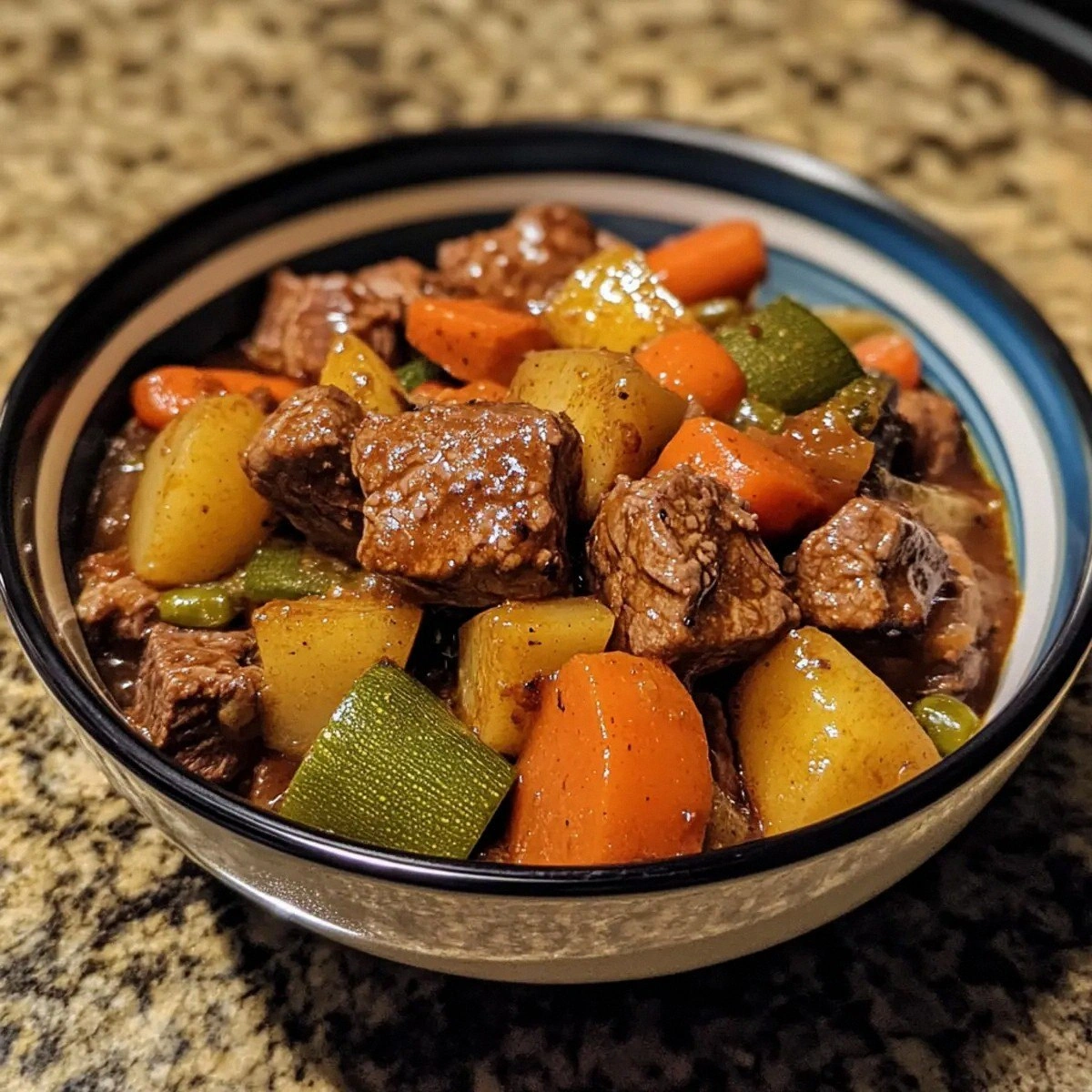
Picture this: a sizzling pot, the aroma of garlic and soy sauce dancing through the air, the sound of bubbling broth like a small, comforting storm. The beef, seared to a caramelized crust, gives off a rich, savory perfume that makes your mouth water before you even taste it. The vegetables—carrots, potatoes, green beans, mushrooms—are tender but hold their shape, each bite a burst of earthy sweetness. The sauce, thickened just enough, coats the meat like velvet, making every morsel feel indulgent.
What makes this version stand out isn’t just the flavors; it’s the method that turns a simple pot of meat and veg into a showstopper. I’ve tweaked the classic Instant Pot beef stew by adding a splash of soy for umami depth and fresh thyme for a bright, herbal note. The result is a dish that feels like a hearty stew and a luxurious braised entrée all at once. Most recipes get this completely wrong, but here’s what actually works: sear first, then pressure cook with the right liquid balance.
I’ll be honest—before I perfected this recipe, I ate half the batch before anyone else got a bite. That was the moment I realized I had stumbled upon something special. The secret isn’t in the ingredients alone; it’s in the timing, the layering, and a few simple hacks that elevate the dish to “hands down the best version you'll ever make at home.”
If you’ve ever struggled with a tough cut of beef or a bland vegetable medley, you’re not alone—and I’ve got the fix. Picture yourself pulling this out of the Instant Pot, the whole kitchen smelling incredible, and the family lining up for seconds. And now, ready for the game‑changer? Let me walk you through every single step—by the end, you’ll wonder how you ever made it any other way.
What Makes This Version Stand Out
- Taste: The soy sauce adds a deep, savory umami that cuts through the richness of the beef, while fresh thyme gives a bright herbal lift that keeps the dish from feeling too heavy.
- Texture: The Instant Pot locks in moisture, turning tough chuck roast into melt‑in‑your‑mouth tenderness, and the vegetables stay firm enough to bite into without becoming mushy.
- Simplicity: With only twelve ingredients and a single pot, you can go from pantry to plate in under an hour—no multiple pans, no constant stirring.
- Uniqueness: The combination of beef broth, soy, and a touch of garlic creates a sauce that’s richer than a classic stew but lighter than a braise.
- Crowd Reaction: Friends and family rave that they “can’t believe this was made in an Instant Pot,” and the dish is a hit at potlucks.
- Ingredient Quality: Choosing a good chuck roast and fresh vegetables makes all the difference; the better the base, the better the final flavor.
- Cooking Method: The quick sear plus pressure cooking ensures maximum flavor extraction without sacrificing time.
- Make‑Ahead Potential: This dish keeps well in the fridge for three days and freezes beautifully—ideal for busy weeknights.
Alright, let’s break down exactly what goes into this masterpiece…
Inside the Ingredient List
The Flavor Base
The beef broth is the backbone of this dish, providing a savory foundation that infuses every bite. Use a low‑sodium variety to keep control over the salt level; otherwise, you’ll end up with a dish that tastes like a swamp. If you’re on a budget, a simple homemade broth made from beef bones and a splash of water works wonders, but it takes a bit longer to prepare. The soy sauce, on the other hand, introduces a sweet, salty depth that complements the meat’s richness; it’s the secret that turns this into a crowd‑pleaser.
The Texture Crew
Carrots and potatoes are the sturdy sidekicks that hold their shape under pressure, giving a satisfying bite that contrasts with the silky beef. Slice the carrots into uniform chunks to ensure even cooking; uneven pieces will result in some being overcooked while others remain raw. The green beans add a pop of color and a slight crunch that prevents the dish from feeling too soft, while mushrooms bring an earthy umami that rounds out the flavor profile. When chopping the potatoes, aim for about 1‑inch cubes so they cook quickly and don’t break apart.
The Unexpected Star
Fresh thyme is a game‑changer; its subtle lemony note lifts the entire dish, preventing it from feeling too heavy. Use whole sprigs if you prefer a more rustic look, or finely chop the leaves for a more uniform distribution. Garlic, in its minced form, releases its natural sweetness and pairs perfectly with soy and beef, creating a sauce that’s both complex and comforting. If you’re a garlic lover, feel free to double the amount—just be prepared for an extra kick.
The Final Flourish
Parsley, chopped, adds a fresh, herbaceous finish that brightens the dish and balances the deep flavors. A small handful is enough to give a pop of color and a subtle peppery bite. Salt and black pepper are added to taste at the end to avoid over‑seasoning during pressure cooking. The final touch—sprinkling fresh parsley—turns a humble stew into a gourmet plate, making it Instagram‑worthy and palate‑pleasing alike. When you serve, let the steam escape first; this keeps the sauce from becoming too thick and clinging to the vegetables.
Everything’s prepped? Good. Let’s get into the real action…
The Method — Step by Step
- Turn the Instant Pot to “Sauté” mode and add a splash of oil. Sear the beef chunks until they’re browned on all sides; this caramelization locks in flavor and creates a deep, rich base. Don’t rush—let the meat develop a crust; it’s the secret to a savory sauce. The aroma that fills the kitchen is the first hint that this will be a winner. Once browned, remove the beef and set it aside.
- Add the diced onion and minced garlic to the pot. Sauté until the onion turns translucent, about 2 minutes, stirring frequently to avoid burning. The garlic should release a sweet, aromatic scent—if it smells burnt, you’ve over‑cooked it. This step builds the foundation for the sauce’s depth. Keep the heat moderate; you’re building a flavor base, not a soup.
- Return the beef to the pot and pour in the beef broth and soy sauce. Stir to combine, ensuring the meat is fully submerged in liquid. The liquid should reach at least 1/2 cup above the lowest ingredient; this is essential for pressure cooking. The soy sauce adds a subtle sweetness that balances the savory broth. Mix well, then add the whole sprigs of thyme.
- Close the lid, set the valve to “Sealing,” and select “Manual” or “Pressure Cook” on high for 30 minutes. The Instant Pot will build steam, creating a pressure environment that tenderizes the beef quickly. While the pot is cooking, you can prep the vegetables. This is the moment of truth—watch the timer count down and let the magic happen.
- When the cooking time ends, allow the pressure to release naturally for 10 minutes, then perform a quick release by carefully turning the valve to “Venting.” This ensures the meat remains tender and the sauce doesn’t over‑reduce. While the pot is venting, bring a large skillet to medium heat. You’ll use it to sear the vegetables for a caramelized finish.
- Add the carrots, potatoes, green beans, and mushrooms to the skillet. Sauté for 5-7 minutes, stirring occasionally, until the vegetables are just tender and have a slight golden edge. The goal is to preserve their bite while adding a roasted flavor that complements the stew. The skillet’s high heat will give the veggies a satisfying crunch that contrasts with the soft beef.
- Transfer the sautéed vegetables into the Instant Pot, along with any accumulated juices. Stir to combine, ensuring everything is evenly coated. If the sauce feels too thin, let the pot sit on “Sauté” for a few minutes to reduce; if it’s too thick, add a splash of water or broth. The final sauce should cling to the meat and veggies, not pool on the bottom.
- Season with salt and black pepper to taste. Sprinkle the chopped parsley over the top, giving the dish a fresh, herbaceous finish. Serve hot, spooning the luscious sauce over each plate. The aroma alone will have your guests lining up for seconds. Remember, the key to a memorable meal is the balance of flavors and textures—this dish nails it.
That’s it — you did it. But hold on, I’ve got a few more tricks that will take this to another level…
Insider Tricks for Flawless Results
The Temperature Rule Nobody Follows
Most people think pressure cooking is all about the time, but the temperature inside the pot is just as crucial. Aim for a steady 212°F (100°C) during the cooking cycle; if it’s too low, the beef won’t tenderize properly. You can check this by using a thermometer or simply watching for a steady hiss of steam. A steady temperature ensures even cooking and a silky sauce that doesn’t separate.
Why Your Nose Knows Best
During the sauté phase, the smell of browned meat and garlic is your best indicator that you’ve got the flavor right. If the aroma feels flat, you’re missing that caramelization step. The scent is a natural cue that the Maillard reaction has occurred, which is essential for depth of flavor. Don’t skip the searing; it’s the difference between a good stew and a great one.
The 5‑Minute Rest That Changes Everything
After pressure cooking, let the beef rest for 5 minutes before slicing. This allows the juices to redistribute, ensuring every bite is juicy and tender. Cutting too soon can cause the meat to release liquid, resulting in a dry texture. I’ve seen people rush this step and end up with a dry, disappointing dish. Trust the rest; it’s worth the short wait.
The Secret to Perfect Vegetables
Sautéing the vegetables after pressure cooking gives them a caramelized exterior that contrasts beautifully with the tender beef. This step also helps to reduce the sauce to the right consistency. If you skip it, the veggies may become mushy and the sauce too thin. A quick sear on high heat will lock in flavor and create a satisfying crunch.
How to Avoid Over‑Seasoning
Add salt and pepper at the end, after the pressure cycle is complete. During the cooking process, the flavors meld and intensify, so seasoning too early can lead to a salty dish. Taste the sauce before adding any seasoning; if it needs more depth, add a splash of soy or broth. This final adjustment ensures a balanced, delicious result.
Creative Twists and Variations
This recipe is a playground. Here are some of my favorite ways to switch things up:
Spicy Thai Twist
Add a tablespoon of Thai red curry paste during the sauté phase and a pinch of crushed red pepper flakes. The result is a bold, fragrant dish that pairs well with jasmine rice. The curry paste brings a sweet, spicy kick that complements the soy’s umami. Serve with a side of lime‑cucumber salad for a refreshing contrast.
Herb‑Infused Mediterranean
Swap the thyme for oregano and add a handful of Kalamata olives. The olives bring briny depth, while oregano adds a warm, aromatic note. This version works beautifully with a side of couscous or crusty bread. The olive oil drizzle on top adds a silky finish.
Sausage & Veggie Powerhouse
Replace half the beef with sliced Italian sausage for a smoky flavor. The sausage’s spices mingle with the broth, creating a richer sauce. Pair it with a side of polenta for a comforting, hearty meal. The sausage’s fat content also adds a silky texture to the dish.
Low‑Carb Keto Version
Omit the potatoes and use cauliflower florets instead. The cauliflower adds bulk without the carbs, keeping the dish keto‑friendly. The flavor profile remains unchanged, but the texture gets a pleasant bite. Serve over a bed of sautéed spinach for a nutrient‑dense meal.
Vegan Reimagining
Use seitan or textured vegetable protein in place of beef, and replace beef broth with vegetable broth. Add a splash of tamari for extra umami. The result is a hearty, plant‑based stew that still delivers on flavor. Pair with quinoa for a complete protein source.
Breakfast‑Style Brunch
Add a handful of diced potatoes and a few slices of smoked sausage. Serve over a toasted English muffin or a slice of sourdough. The savory flavors pair wonderfully with a fried egg on top. It’s the perfect brunch for a lazy weekend morning.
Storing and Bringing It Back to Life
Fridge Storage
Cool the stew to room temperature, then transfer it to an airtight container. Store in the fridge for up to 3 days. The beef will stay tender, and the vegetables will retain their texture. When reheating, add a splash of water or broth to keep the sauce moist. The dish re‑heats well in a saucepan on low heat.
Freezer Friendly
For longer storage, freeze the stew in freezer‑safe containers or zip‑top bags. It stays good for up to 3 months. Thaw overnight in the fridge before reheating. The texture of the vegetables remains firm, and the beef stays juicy. Add a pinch of fresh herbs when reheating for a fresh finish.
Best Reheating Method
Reheat the stew in a pot over low heat, stirring occasionally. Add a tiny splash of water or broth to restore moisture and prevent the sauce from thickening too much. The gentle heat ensures the flavors meld again without overcooking the vegetables. Serve immediately, garnished with fresh parsley for a bright finish.