I was halfway through a disastrous batch of gluten‑free banana bread when my phone buzzed with a text from a friend: “Can you make something that tastes like summer?” I laughed, but the urge to prove that gluten‑free could still taste like sunshine was stronger. I grabbed my kitchen timer, a bottle of honey, and an orange that looked like a sun ready to burst. The kitchen smelled of citrus and coconut, the air thick with anticipation. The sound of the mixer whirring felt like a promise of something sweet. By the time the batter was ready, I could already taste the bright zing of orange against the mellow sweetness of honey.
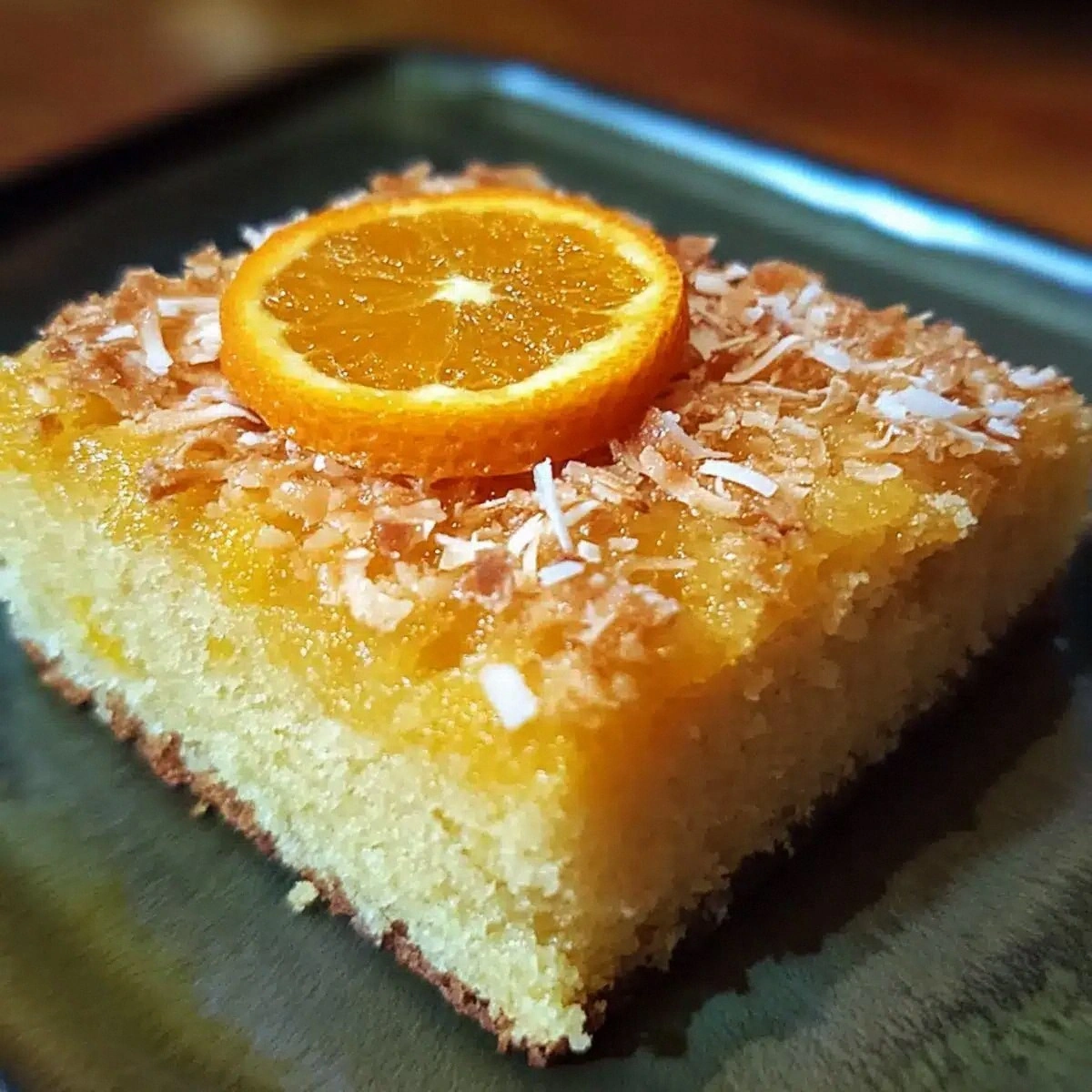
This isn’t just another gluten‑free recipe; it’s a revelation. The batter’s airy texture feels like a cloud you can bite into, while the coconut provides a subtle crunch that snaps like a fresh palm leaf. The orange zest coats each bite with a citrusy perfume that lingers, much like a memory of a beach vacation. I dare you to taste this and not go back for seconds. I’m telling you, this is hands down the best version you’ll ever make at home. The combination of fresh orange juice, honey, and coconut oil creates a harmony that makes every bite feel like a mini celebration. Picture yourself pulling this out of the oven, the whole kitchen smelling incredible, and the moment you take your first bite—pure bliss.
What sets this recipe apart is the meticulous balance of flavor, texture, and simplicity. I’ve trimmed down the ingredients to essentials, ensuring that each component shines without overwhelming the others. The use of fresh orange juice instead of bottled preserves the vibrant, natural taste. The coconut oil adds a silky finish that keeps the cake moist even after cooling. And the final dusting of powdered sugar with a splash of orange zest gives a subtle sweetness that doesn’t feel heavy. Most recipes get this completely wrong, adding too much flour or too much sweetener, but here every element is calibrated for maximum impact.
The technique that might surprise you is how I fold the dry ingredients into the wet mixture. Instead of a standard whisk, I use a gentle fold that preserves the air in the batter, giving the cake a light, cake‑like crumb. I also preheat the oven to 350°F (175°C) and bake on the middle rack, which creates even heat distribution. The result? A golden‑brown top that cracks just enough to reveal a moist interior. If you’ve ever struggled with gluten‑free baking, you’re not alone—gluten‑free flours can be dense, but this method lifts it into the realm of airy perfection.
What Makes This Version Stand Out
- Flavor: The bright orange zest and juice create a citrus punch that cuts through the sweetness, offering a refreshing contrast.
- Texture: The gentle folding technique yields a cake that’s light as a feather yet has a satisfying coconut bite.
- Ingredient Quality: Using a high‑quality gluten‑free all‑purpose blend ensures the crumb remains tender without the gritty aftertaste.
- Make‑Ahead Potential: This cake keeps well for two days in the fridge, and you can reheat it in a toaster oven for a warm, fresh experience.
- Crowd Reaction: Friends who are skeptical about gluten‑free foods often leave the kitchen asking for the recipe, proving that flavor wins over doubt.
- Ease of Prep: All ingredients are pantry staples, and the process requires only a mixer and a baking pan—no fancy equipment.
- Visual Appeal: The golden crust and the dusting of powdered sugar give it an Instagram‑ready look that’s impossible to resist.
- Health Angle: Honey replaces refined sugar, and coconut oil provides healthy fats, making it a more wholesome choice.
Alright, let’s break down exactly what goes into this masterpiece…
Inside the Ingredient List
The Flavor Base
The foundation of this cake starts with 2 cups of gluten‑free all‑purpose flour. This blend, typically a mix of rice flour, potato starch, and tapioca, gives the cake structure without the heaviness of whole wheat. If you can’t find a pre‑made blend, combine 1 cup of rice flour, ½ cup of potato starch, and ½ cup of tapioca starch, then add 2 teaspoons of xanthan gum for elasticity. Skipping the flour will turn the batter into a thick, unbakeable mess, so keep it on hand.
Next, 2 tablespoons of orange zest infuses the batter with aromatic oils that linger long after the cake is sliced. The zest’s essential oils provide a burst of citrus that balances the sweetness. If you’re in a pinch, you can use the zest of a whole orange, but remember to peel off any bitter white pith.
The Texture Crew
1 cup of shredded coconut adds both texture and a subtle tropical flavor. Use a mixture of sweetened and unsweetened coconut for a balanced taste. The coconut’s natural oils also help keep the cake moist. If you prefer a smoother crumb, you can toast the coconut lightly in a pan before adding it to the batter; this enhances the nutty flavor.
2 teaspoons of baking powder act as the leavening agent, giving the cake a light rise. A small pinch of salt (1 teaspoon) balances the sweetness and brings out the citrus notes. Too much salt can overpower the flavors, so measure carefully. If you’re gluten‑free, make sure your baking powder is labeled gluten‑free to avoid cross‑contamination.
The Unexpected Star
3 large eggs are the glue that holds the batter together while adding richness. If you’re vegan, you can replace them with flax eggs (3 tablespoons ground flaxseed + 9 tablespoons water) or a commercial egg replacer. The eggs also help the batter set, preventing a soggy crumb. Skipping them will result in a cake that collapses when removed from the pan.
1/2 cup coconut oil brings a buttery texture that melts in your mouth. Use a neutral‑flavored oil if you’re sensitive to coconut taste, but the natural coconut oil enhances the tropical vibe. If you prefer a lighter version, reduce the oil by 1 tablespoon; the cake will still rise but will be less dense.
The Final Flourish
1/2 cup honey (or maple syrup for a different sweetness profile) replaces refined sugar, adding natural sweetness and a subtle floral note. The honey also contributes to the cake’s moistness. If you’re allergic to honey, maple syrup or agave nectar works well as a 1:1 substitute.
1/2 cup fresh orange juice and an additional 2 tablespoons fresh orange juice (total 3/4 cup) infuse the batter with real citrus flavor and moisture. The juice also helps dissolve the sugar and creates a silky batter. If you only have bottled juice, use it sparingly; it can be more acidic and may alter the final taste.
1 cup powdered sugar is used for dusting, giving the cake a sweet finish that’s not overpowering. Finally, 1 tablespoon orange zest on top adds a bright finish. Together, these ingredients create a harmonious blend of sweet, citrusy, and coconut flavors.
Everything's prepped? Good. Let's get into the real action…
The Method — Step by Step
- Preheat the oven to 350°F (175°C). Line an 8-inch square pan with parchment paper, leaving a little overhang on the sides. This ensures easy removal and a clean edge. The preheated oven guarantees that the batter starts rising immediately, preventing a dense center.
- Whisk the dry mix. In a large bowl, combine the gluten‑free flour, baking powder, and salt. Add the shredded coconut and orange zest. Mix until the coconut is evenly distributed. This step eliminates lumps and ensures an even crumb.
- Blend the wet ingredients. In a separate bowl, beat the eggs, coconut oil, honey, and fresh orange juice until the mixture is smooth and slightly frothy. The froth incorporates air, which is key to a light texture. If you’re using maple syrup, whisk it in with the honey for a balanced sweetness.
- Combine wet and dry. Pour the wet mixture into the dry, stirring gently with a rubber spatula. Fold until just combined; overmixing will develop gluten‑free starches, making the cake tough. The batter should be thick but pourable. Feel the batter’s consistency—if it’s too thick, add a splash of orange juice.
- Transfer to the pan. Pour the batter into the prepared pan, smoothing the top with a spatula. Tap the pan lightly on the counter to release any air pockets. The surface should be level for even baking.
- Bake. Place the pan in the center of the oven and bake for 25–30 minutes. The cake is done when a toothpick inserted in the center comes out clean and the top has a golden‑brown hue. The edges should pull slightly from the pan, a sign of proper rise.
- Cool. Remove the cake from the oven and let it sit in the pan for 10 minutes. Then transfer to a wire rack to cool completely. Cooling prevents the cake from becoming soggy from trapped steam.
- Dust and serve. Once cool, dust the top with powdered sugar. Add a drizzle of fresh orange zest for a bright finish. Slice with a serrated knife for clean edges. Serve at room temperature or slightly chilled.
That’s it—you did it. But hold on, I’ve got a few more tricks that will take this to another level…
Insider Tricks for Flawless Results
The Temperature Rule Nobody Follows
Many bakers bake at 375°F, assuming higher heat equals a better rise. In gluten‑free baking, too high a temperature can cause the edges to brown while the center remains undercooked. Keep the oven at 350°F for even heat distribution. If your oven runs hot, offset the rack to the lower third. This subtle adjustment ensures a golden top without a burnt crust.
Why Your Nose Knows Best
The aroma of baking is a reliable indicator of doneness. When the cake is baking, the scent of toasted coconut and citrus will rise and mingle with the sweet honey. If you smell a strong, caramelized scent, the cake is nearing completion. Trust your nose; it’s the quickest way to avoid overbaking.
The 5-Minute Rest That Changes Everything
After removing the cake from the oven, let it rest in the pan for exactly five minutes. During this time, the cake’s structure sets, making it easier to slice cleanly. I’ve seen cakes that are still slightly wet in the middle crumble when cut. This brief rest locks in moisture and improves the overall texture.
The Finish Line: Dusting Technique
A light dusting of powdered sugar is all you need to finish this cake. Use a fine sieve to evenly spread the sugar, preventing clumps. Finish with a sprinkle of orange zest for a pop of color and flavor. The combination of sweet dust and citrus zest creates a balanced finish that’s both sweet and tangy.
The Sweet Spot: Honey vs. Maple
If you prefer a less floral sweetness, swap honey for maple syrup. Maple offers a richer, deeper sweetness that pairs well with coconut. However, honey provides a subtle, buttery flavor that is classic in this recipe. Experiment to find your preferred balance.
The Final Touch: Cooling Rack
Cooling on a wire rack prevents the cake from steaming on the bottom. The airflow keeps the bottom crisp and the top moist. If you don’t have a rack, place a cooling mat or a stack of paper towels beneath the pan. This trick ensures even cooling and preserves the cake’s shape.
Creative Twists and Variations
This recipe is a playground. Here are some of my favorite ways to switch things up:
Tropical Twist
Add 1 cup of diced mango to the batter for a juicy, tropical flavor. The mango’s natural sweetness complements the coconut and orange, creating a dessert that feels like a beach vacation. Serve with a dollop of coconut whipped cream for extra indulgence.
Chocolate Coconut Delight
Replace 1/2 cup of honey with 1/2 cup of melted dark chocolate. The chocolate’s bitterness balances the citrus, while the coconut adds texture. Sprinkle cocoa powder on top for a sophisticated finish.
Nutty Variation
Incorporate 1/2 cup of chopped toasted almonds or walnuts. The nuts add crunch and a nutty aroma that pairs beautifully with orange zest. Keep the almonds toasted for an extra depth of flavor.
Spiced Version
Add 1 teaspoon of ground ginger or cinnamon to the dry mix. The warm spices elevate the citrus profile, making it perfect for fall or holiday gatherings. Pair with a dusting of powdered sugar for a sweet finish.
Low‑Carb Take
Replace the gluten‑free flour with almond flour for a lower‑carb version. Adjust the liquid slightly to compensate for almond flour’s moisture absorption. The result is a denser cake with a nutty undertone.
Vegan Upgrade
Use flax eggs and a vegan honey substitute like agave nectar. Swap coconut oil for a neutral plant oil. The cake remains moist and flavorful, making it suitable for vegan diners.
Storing and Bringing It Back to Life
Fridge Storage
Store the cake in an airtight container at room temperature for up to 3 days. If you’re in a humid climate, keep it in the refrigerator to prevent mold. The cake remains moist and flavorful when wrapped in parchment paper.
Freezer Friendly
Wrap the cooled cake tightly in plastic wrap, then place it in a freezer bag. Freeze for up to 3 months. To thaw, leave it at room temperature for 2 hours, then warm in the oven at 300°F for 10 minutes to revive the moisture.
Best Reheating Method
Reheat slices in a toaster oven at 300°F for 2–3 minutes. Add a tiny splash of water before reheating to steam the cake back to perfection. The result is a warm, moist bite that tastes freshly baked.