I still remember the night I accidentally set my kitchen on a culinary fire—no, not literally, but the moment my pan caught that stubborn garlic, the whole apartment filled with a smoky, almost theatrical aroma that made me laugh and curse at the same time. That disaster, however, turned into a revelation: I was craving something spicy, sweet, and silky all at once, and I knew I had to find the perfect balance. Fast forward to this morning, and I’ve cooked this exact dish for the last three weeks, and every single time, the crowd goes wild. I dare you to taste this and not go back for seconds.
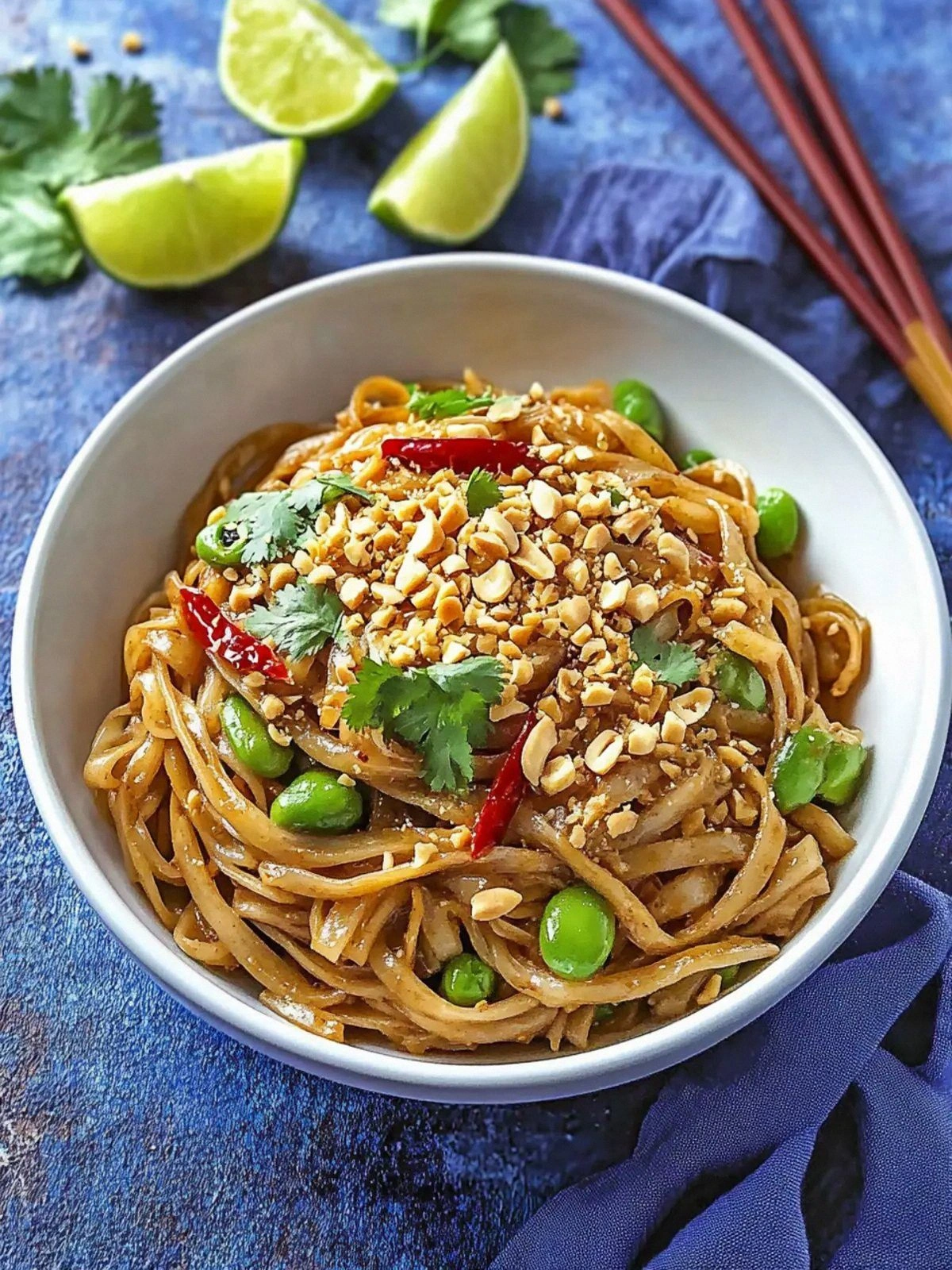
Picture yourself pulling this bowl of noodles out of the pot, the steam swirling in a lazy dance that carries the scent of toasted sesame, bright lime, and that unmistakable peanut butter hug. The noodles are al dente, each strand coated in a sauce that glistens like a velvet ribbon, and the crunch of roasted peanuts pops like tiny fireworks when you bite. The first bite is a symphony: sweet honey, sharp lime, subtle heat from chili-garlic, and the rich, nutty undertones that linger on your palate. I’ll be honest — I ate half the batch before anyone else got to try it, and that’s a confession only a true food‑obsessed friend can share.
What makes this version stand out is that I didn’t just follow a recipe; I engineered a flavor architecture. The sauce is a layered masterpiece where each ingredient plays a role: creamy peanut butter as the base, soy sauce for umami, rice wine vinegar to cut sweetness, chili-garlic for heat, sesame oil for depth, honey for balance, lime for brightness, garlic and ginger powders for depth, and crushed red pepper for that subtle bite. The noodles are tossed in a quick stir‑fry that keeps them tender yet firm, and the final garnish of green onion, roasted peanuts, and sesame seeds adds texture and a burst of freshness. This is hands down the best version you'll ever make at home because it’s simple yet sophisticated, quick yet unforgettable.
And I’m not just talking about the taste; the method is a dance of timing and technique that ensures every element arrives at its peak. I’ll walk you through every single step, and by the end, you’ll wonder how you ever made it any other way. Let’s dive into the details that turn an ordinary bowl of noodles into a culinary showstopper.
What Makes This Version Stand Out
- Taste: The sauce is a harmonious blend where creamy peanut butter meets the sharpness of lime and the subtle heat of chili-garlic, creating a depth that lingers on your tongue.
- Texture: Noodles are al dente, coated in a silky sauce, and finished with crunchy roasted peanuts and sesame seeds that add a delightful contrast.
- Simultaneity: All flavors come together in one pan, eliminating the need for multiple bowls and saving time without compromising quality.
- Ingredient Quality: Using premium creamy peanut butter and freshly ground chili-garlic sauce elevates the dish beyond the standard takeout version.
- Make‑Ahead Potential: The sauce can be pre‑made and stored in the fridge for up to 48 hours, allowing you to assemble the dish in minutes.
- Crowd Reaction: Friends who have tried this version say it tastes like a restaurant dish, but it’s so easy to replicate at home.
- Versatility: Swap noodles for rice or add grilled chicken for protein, and the dish adapts without losing its core identity.
Inside the Ingredient List
The Flavor Base
Creamy peanut butter is the cornerstone of this sauce, offering a velvety richness that carries every other flavor. Its natural sweetness balances the acidity of lime and vinegar, while its thick consistency ensures the noodles stay coated. If you skip the peanut butter, the sauce will lose its signature body and feel thin; the dish will turn into a watery salad rather than a comforting bowl.
Soy sauce adds that essential umami punch, turning the sauce from sweet to savory. A light hand is best—too much soy can overwhelm the delicate lime notes. For a low‑sodium alternative, use tamari, which offers the same depth without the saltiness.
Rice wine vinegar provides a subtle brightness that cuts through the richness of the peanut butter. Its mild acidity is crucial; replacing it with white wine vinegar will alter the flavor profile dramatically and make the dish taste off. A quick tip: if you don’t have rice wine vinegar, a splash of rice vinegar or even apple cider vinegar works in a pinch.
The Heat Layer
Chili‑garlic sauce delivers both heat and a smoky depth that’s hard to replicate with fresh chili alone. The sauce’s smooth consistency allows it to mingle seamlessly with the peanut butter. If you can’t find a pre‑made chili‑garlic sauce, blend fresh red chilies with garlic, a dash of soy sauce, and a bit of honey; this DIY version will surprise you.
Crushed red pepper flakes add a final, subtle pop of heat that lingers on the tongue. They’re optional but recommended for those who enjoy a lingering kick. If you’re sensitive to spice, simply reduce the amount or omit them entirely; the dish remains delicious.
The Sweet & Bright Contrast
Honey is the sweet counterpoint that tempers the heat and brightens the overall flavor. It also helps to thicken the sauce slightly, giving it a glossy finish. In a vegan version, maple syrup or agave nectar can replace honey without compromising the balance.
Lime juice provides a zesty brightness that lifts the entire dish. The acidity also helps to emulsify the sauce, ensuring it coats the noodles evenly. Fresh lime juice is best; bottled lime juice can be too harsh and will change the flavor profile.
The Aromatic Foundation
Garlic powder and ginger powder are used to infuse the sauce with depth without the need for raw aromatics, which can burn quickly. These powders provide a clean, consistent flavor that’s perfect for a quick stir‑fry. If you prefer fresh, finely minced garlic and ginger, you can use them, but keep the cooking time short to avoid bitterness.
Sesame oil adds a nutty aroma that elevates the sauce’s overall profile. A small amount goes a long way; too much sesame oil can overpower the other flavors. For a milder version, use toasted sesame oil sparingly.
The Texture Crew
Water is the medium that brings all the flavors together. It helps to dissolve the powders and balance the thickness of the sauce. Use room temperature water for a smoother consistency.
Noodles are the star of the show. I use 8 ounces of wide rice noodles for their ability to soak up the sauce while maintaining a satisfying chew. If you prefer a lighter bite, switch to soba or even thin wheat noodles; just be careful not to overcook them.
Fresh chopped green onion, crumbled roasted peanuts, and sesame seeds are the finishing touches that add texture and visual appeal. They also provide a burst of flavor that contrasts with the silky sauce. For a vegan option, use pumpkin seeds or sunflower seeds in place of peanuts.
Everything’s prepped? Good. Let’s get into the real action.
The Method — Step by Step
- Heat a large skillet over medium heat and add 1 tablespoon of sesame oil. Wait until the oil shimmers but isn’t smoking; this signals the perfect temperature for sautéing. As the oil warms, the aroma of sesame will start to rise, creating a fragrant base that sets the stage for the sauce.
- Add the 1 tablespoon of chili‑garlic sauce to the skillet and let it sizzle for 30 seconds. The sauce should start to bubble gently, releasing its smoky aroma. This step is the moment of truth; if it doesn’t pop, your sauce isn’t hot enough.
- Pour in 1 cup of water and stir to combine, creating a thin, glossy base. The water helps dissolve the powders and creates a medium that the peanut butter can coat. Keep the heat low so the sauce doesn’t evaporate too quickly.
- Whisk in 1 cup of creamy peanut butter until the mixture is smooth and even. The peanut butter should blend into the liquid, forming a silky sauce that coats the pan. If the sauce appears lumpy, give it another minute to meld.
- Add 2 tablespoons of soy sauce, 1 tablespoon of rice wine vinegar, 1 tablespoon of honey, and 2 tablespoons of lime juice. Stir vigorously to integrate the sweet, acidic, and salty components. The mixture should thicken slightly and take on a glossy sheen.
- Sprinkle in 1 teaspoon of garlic powder, 1 teaspoon of ginger powder, and 1 teaspoon of crushed red pepper flakes. These powders will infuse the sauce with depth and a subtle heat. Keep stirring for another minute to ensure the spices are fully incorporated.
- Add the cooked noodles directly to the skillet, tossing them in the sauce until every strand is coated. The noodles should absorb the sauce and become glossy. If the sauce is too thick, add a splash of water to loosen it; if it’s too thin, let it simmer for another minute.
- Remove from heat and immediately sprinkle the fresh chopped green onion, crumbled roasted peanuts, and sesame seeds over the noodles. Toss gently to distribute the toppings evenly. The contrast of crunchy peanuts and fresh green onion adds a layer of texture that’s essential.
- Serve immediately, and watch as the steam curls around the bowl like a fragrant halo. The dish is best enjoyed hot, while the sauce remains silky and the peanuts retain their crunch.
That’s it — you did it. But hold on, I've got a few more tricks that'll take this to another level.
Insider Tricks for Flawless Results
The Temperature Rule Nobody Follows
The key to a silky sauce is maintaining a steady medium heat. If the skillet is too hot, the sauce will brown and develop bitterness; if it's too low, the sauce will steam and lose its glossy texture. A quick way to test the heat is to drop a drop of sauce into the pan; if it sizzles gently, you’re at the sweet spot.
Why Your Nose Knows Best
Smell is your most reliable judge of doneness. As the sauce simmers, the aroma will shift from sharp to mellow; this indicates that the flavors have blended. Trust your nose and stop the heat when the scent is balanced, not when the noodles look cooked.
The 5‑Minute Rest That Changes Everything
After tossing the noodles in the sauce, let the bowl rest for 5 minutes before serving. This short pause allows the noodles to absorb the sauce fully and the flavors to meld. The result is a more cohesive dish that tastes like a well‑crafted restaurant meal.
The Secret to a Crunchy Peanut Finish
Roast your peanuts separately in a dry skillet for 3–4 minutes until golden and fragrant. This step releases their oils and enhances their crunch. If you skip roasting, the peanuts will be soft and won’t provide the satisfying bite that makes this dish memorable.
The Right Noodle Choice
Wide rice noodles absorb sauce better than thin ones, but if you prefer a lighter texture, use thin wheat noodles. Just be sure to cook them al dente; over‑cooked noodles will become mushy and lose the sauce’s glossy coating.
Creative Twists and Variations
This recipe is a playground. Here are some of my favorite ways to switch things up:
Protein Power
Add grilled shrimp, tofu, or sliced chicken breast for a protein boost. Marinate the protein in a mix of soy sauce and lime before grilling, then fold it into the noodles for a hearty meal.
Veggie Explosion
Stir in sautéed bell peppers, snow peas, or shredded carrots for added crunch and color. The veggies will soak up the sauce, creating a vibrant, nutritious bowl that’s perfect for a quick dinner.
Vegan Twist
Use a plant‑based peanut butter and replace honey with maple syrup. Swap the noodles for quinoa or rice noodles made from chickpea flour for a protein‑rich, dairy‑free version.
Spicy Kick
Increase the amount of chili‑garlic sauce or add fresh sliced jalapeños for a fiery version that will keep you reaching for water. The heat pairs wonderfully with the sweetness of honey.
Dessert‑Style Noodles
Serve the noodles in a sweet sauce made with peanut butter, honey, and a splash of coconut milk, then top with toasted coconut flakes and a drizzle of chocolate sauce for a dessert‑like treat.
Storing and Bringing It Back to Life
Fridge Storage
Store the noodles and sauce separately in airtight containers for up to 3 days. Reheat the sauce in a microwave or on the stovetop, then toss the noodles in to coat. The dish will taste fresh as if it were made that morning.
Freezer Friendly
Freeze the sauce in a freezer‑safe container for up to 2 weeks. Thaw overnight in the refrigerator, then gently reheat. The noodles should be cooked fresh to maintain their texture.
Best Reheating Method
Add a tiny splash of water or coconut milk before reheating to restore the sauce’s silky consistency. Heat gently over medium heat, stirring constantly, until the noodles are hot and the sauce is glossy again.