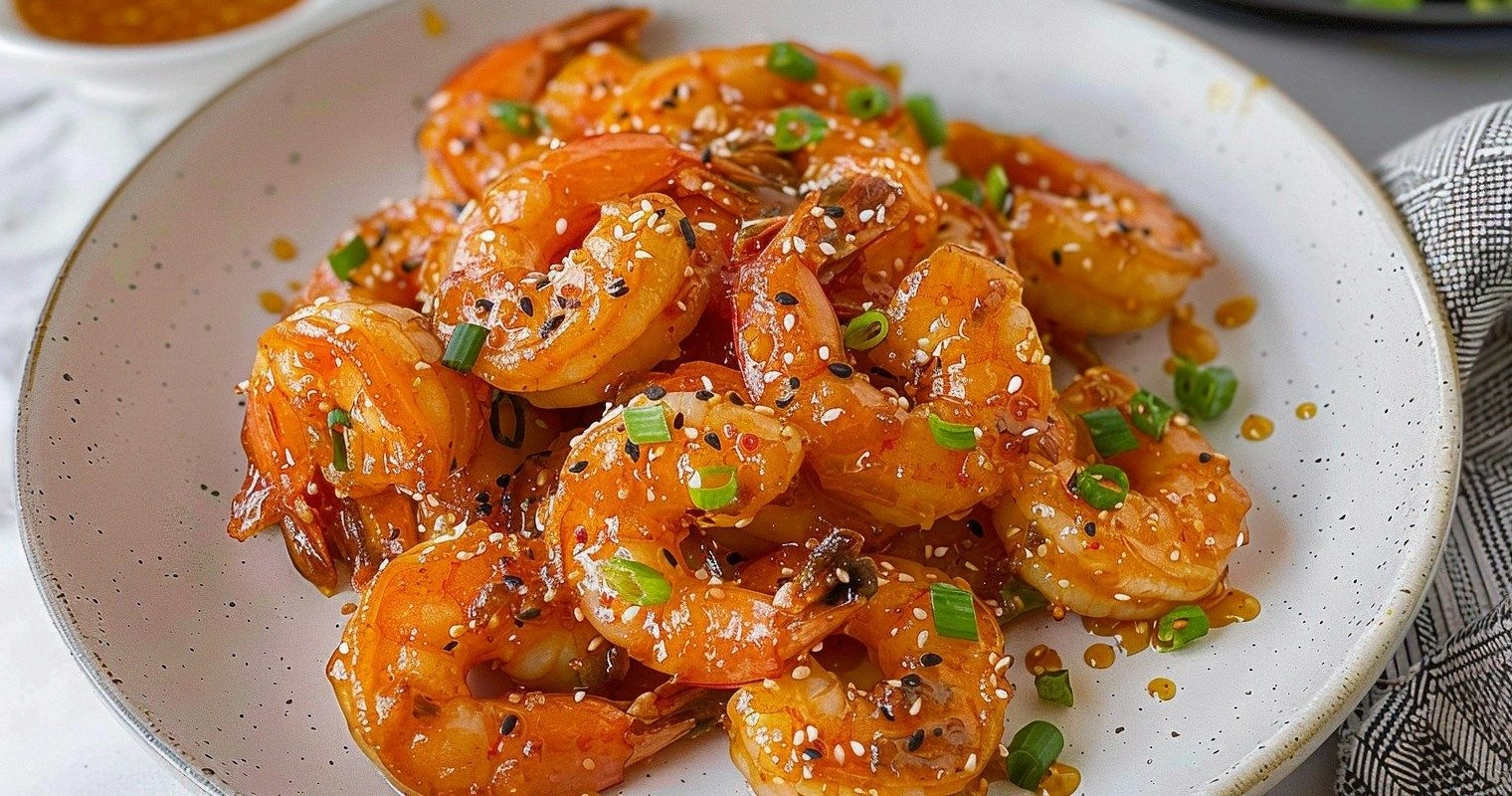
I still remember the night I ruined three batches of takeout-style shrimp before stumbling face-first into this recipe. The kitchen looked like a crime scene — cornstarch dust on every surface, oil splatters on the ceiling, and a trash can full of sad, soggy crustaceans that never quite made it to their crispy destiny. My friends were coming over in forty-five minutes, and I had nothing but a sticky honey jar and a dream. Fast forward to them licking the serving platter clean and begging for the secret. Spoiler: it’s not just about the honey. It’s about building layers of crunch that shatter like thin ice, then bathing those golden nuggets in a glaze that tastes like caramelized sunshine. If you’ve ever bitten into restaurant shrimp that sounded crunchy in your head but turned out flabby in real life, you’re in the right place. We’re fixing that tonight, and we’re doing it with pantry staples you probably already own. Picture yourself pulling this out of the oven (or skillet — I’ll give you both routes), the whole kitchen smelling like a beachside boardwalk stand that somehow landed in your house. Stay with me here — this is worth it.
Let’s talk texture for a second, because that’s where most home cooks get robbed. Standard recipes toss shrimp in plain flour, fry until blond, and call it a day. The result? A soft jacket that collapses the moment it meets sauce. My version uses a double-dredge in seasoned cornstarch and rice flour, plus a whisper of baking powder that puffs the coating into micro-blisters. Those blisters are the difference between “meh” and “wait, how did you get this so light?” The glaze isn’t just honey thinned with water — we’re layering in soy for umami, rice vinegar for brightness, and a pinch of chili so the sweetness has something to spar with. The final dish walks a tightrope between candy and campfire, and it does a little dance on your tongue that makes you close your eyes involuntarily. I dare you to taste this and not go back for seconds; I’ve lost that bet every single time.
Flavor aside, this recipe is weeknight-friendly. Total active time is under twenty minutes if you mise-en-place like a pro (or thirty if you’re a normal human who chops while the oil heats). You can prep the sauce and dry mix in the morning, stash them on the counter, and be eight minutes away from dinner whenever hunger strikes. I’ve even frozen the cooked shrimp on sheet trays, then blasted them in a 450°F oven straight from the freezer for game-day emergencies. They came out almost as crunchy as the first fry, which is the kind of kitchen sorcery that makes you feel smug for days. Okay, ready for the game-changer? Let me walk you through every single step — by the end, you’ll wonder how you ever made it any other way.
What Makes This Version Stand Out
Shatter-Crunch Armor: The coating uses a 3:1 cornstarch-to-rice-flour ratio plus baking powder. It dries into a shell so brittle it crackles like a crème brûlée lid when you bite. Most recipes stop at flour — we’re building a fortress.
Two-Heat Fry: We start at 350°F to cook the shrimp through, then crank the oil to 400°F for a thirty-second final blast. That second heat wave drives off surface moisture and turns the crust glass-crisp. Restaurant trick, now yours.
Honey with Backbone: Plain honey is one-note. We spike it with soy, a dash of fish sauce (you won’t taste it, but you’ll miss it when it’s gone), and rice vinegar. The result is sweet that knows how to pick a fight.
No Deep-Fryer Needed: A heavy Dutch oven and two inches of oil do the job. You’re not wrestling with a countertop appliance that takes up half your pantry real estate.
Make-Ahead Miracle: The sauce keeps two weeks in the fridge, and the dredge lives happily in a jar for months. Fry shrimp ahead, cool, freeze on a tray, then bag. Reheat at 450°F for eight minutes — crunch intact.
Crowd Math: One batch feeds four polite people or two ravenous ones. Double it and you’ll still have folks hovering like seagulls. I’ve catered engagement parties with this stuff; the couple is still getting thank-you texts.
Alright, let’s break down exactly what goes into this masterpiece...
Inside the Ingredient List
The Flavor Base
Honey is the star, but not just any bear-bottle clover honey. Look for something darker — wildflower or orange blossom — because deeper color equals deeper flavor. It should pour like slow lava and smell almost fermented. If your honey has crystallized, warm the jar in a bowl of hot water; we need it fluid so it emulsifies with the soy and vinegar without seizing. Skip the cheap syrup-cut stuff; it’ll taste like candy coating instead of complex sweetness. You only need a quarter cup, but those few tablespoons carry the entire emotional impact of the dish.
Soy sauce adds the umami bass note. Go for a naturally brewed brand; the ingredient list should read “water, soybeans, wheat, salt” and nothing else. If all you have is low-sodium, that’s fine, but let the sauce reduce an extra thirty seconds to concentrate flavor. Fish sauce is the stealth bomber — one teaspoon and nobody can pinpoint it, yet everyone keeps asking “what’s that extra something?” If you’re vegetarian, sub in a teaspoon of miso paste dissolved in warm water. It won’t be identical, but it’ll still slap.
The Texture Crew
Shrimp size matters. Buy 16/20 count (that means 16 to 20 per pound). Anything smaller overcooks before the crust bronzes; anything larger feels like you’re chewing on a fried wallet. Peel, devein, and leave the tail on — it’s a built-in handle for chopstick retrieval. Pat them drier than your humor after a long week; surface moisture is the enemy of crunch.
Cornstarch is the skeleton of the coating. It’s pure starch, no protein, so it browns glassy and hard. Rice flour fills the gaps, adding micro-grit that fries into sand-dollar bubbles. If you can’t find rice flour, substitute potato starch one-for-one. Baking powder sounds weird, but it’s the puff that turns the crust from dense shell to airy exoskeleton. Make sure it’s fresh — if it doesn’t fizz in warm water, toss it.
The Unexpected Star
Egg whites get whisked until frothy; they act like glue, holding the dredge in place without the heaviness of whole eggs. Plus, the protein network expands when it hits hot oil, ballooning the crust. If you’re egg-free, use 2 tablespoons aquafaba — the liquid from a can of chickpeas — and you’ll get identical results. Season the whites with a pinch of salt and a few cracks of white pepper; it’s the only chance to season inside the coating itself.
The Final Flourish
Toasted sesame oil is drizzled at the very end. Heat kills its perfume, so we wait until the shrimp are out of the fryer. A teaspoon is plenty; you want aroma, not greasiness. Scatter with scallion threads and a snowfall of toasted sesame seeds for visual pop. Skip the sesame seeds from the spice aisle — they’re often stale. Instead, buy them in the Asian section; they’re half the price and twice as fresh.
Everything’s prepped? Good. Let’s get into the real action...
The Method — Step by Step
- Whisk together honey, soy, rice vinegar, fish sauce, and chili in a small saucepan. Bring to a bare simmer over medium heat, swirling occasionally. You’re looking for a glossy bubble that coats the back of a spoon in five seconds — not a rolling boil that smells like burnt sugar. Once reduced by one-third, pull it off the heat and keep it warm; it should be pourable but sticky enough to drag a furrow with your spatula.
- Set up your breading station like an assembly line. Bowl one: seasoned cornstarch-rice-flour mix. Bowl two: frothy egg whites. Bowl three: more of the same dredge. The double-dip is what builds craggy peaks — think dinosaur skin. Place a wire rack over a sheet pan nearby; this is where the coated shrimp will chill and set.
- Pat shrimp absurdly dry with paper towels, then season lightly with salt and white pepper. Dip one shrimp into the dry mix, shake off excess, coat in egg white, let excess drip, then press into the final dredge. Really pack it on — you want a chunky jacket. Lay each piece on the rack without touching; moisture is the villain here.
- Slide the rack into the fridge for ten minutes. This sets the crust so it won’t slide off in the oil. Meanwhile, heat two inches of neutral oil in a heavy pot to 350°F. Use a candy thermometer clipped to the side; guessing is how you end with greasy shrimp or fire alarms.
- Fry in small batches — crowding drops oil temperature fast. When shrimp hit the oil, they should bubble vigorously but not violently. Thirty seconds in, gently agitate with spider or tongs to prevent sticking. They’ll turn pale gold; that’s your cue to keep going.
- After two and a half minutes, crank heat to 400°F. This is the crunch accelerator. Return shrimp for a thirty-second flash — they’ll darken to a deep amber. Listen for the sound: it shifts from a wet sizzle to a sharp hiss. That’s water being driven off and the crust glassifying.
- Transfer to a fresh rack set over paper towels for a quick drain. While still hot, drizzle with half the warm honey glaze, tossing gently with a rubber spatula. You want every crevice lacquered, not soaked. Serve the remaining sauce alongside for serial dippers.
- Finish with toasted sesame oil, scallion ribbons, and a shower of sesame seeds. Serve on a warm platter so the glaze stays fluid. The first bite should be a crackle followed by juicy shrimp and a sweet-salty-sticky echo that makes you reach for the next piece before you’ve swallowed the first.
That's it — you did it. But hold on, I've got a few more tricks that'll take this to another level...
Insider Tricks for Flawless Results
The Temperature Rule Nobody Follows
Oil temperature isn’t static; it drops the moment food enters. Most recipes ignore recovery time, so you end up with oil at 300°F and shrimp that taste like oily sponges. After each batch, wait sixty seconds for the oil to rebound before adding the next. If you’re frying a mountain for a party, keep a second small pot on low heat so you can boost the fryer instantly. Your thermometer is your co-pilot; treat it like one.
Why Your Nose Knows Best
Smell the oil when it first hits 350°F — it should smell neutral, maybe faintly nutty. If you catch popcorn or acrid notes, the oil’s breaking down and will taint the shrimp. Swap it out; your taste buds will thank you. I keep a “sniff jar” of fresh oil on the counter for comparison. Sounds nerdy, but once you’ve had shrimp taste like old french fries, you become a believer.
The 5-Minute Rest That Changes Everything
After glazing, let the shrimp sit on the rack for five minutes. The honey tightens and becomes tacky instead of wet, so the sesame seeds stick like Velcro. More importantly, the crust steams gently under the glaze, setting up that coveted glass-candy shell. A friend tried skipping this once — let’s just say it ended with sticky fingers and sesame seeds in every couch crevice.
Creative Twists and Variations
This recipe is a playground. Here are some of my favorite ways to switch things up:
Firecracker Sriracha Version
Replace the chili flakes with a full tablespoon of sriracha and a squeeze of lime. The glaze turns traffic-cone orange and tastes like the best bar-food wings you’ve ever had. Garnish with thin jalapeño wheels for extra snap.
Coconut-Crusted Island Style
Swap half the rice flour for unsweetened desiccated coconut. The crust toasts into golden flakes that smell like a beach vacation. Add a pinch of curry powder to the dredge and finish with fresh mango cubes on the side.
Black Garlic Sophisticate
Mash two cloves of black garlic into the honey reduction. The molasses-like depth makes the sauce taste aged, almost balsamic. Serve over a bed of baby arugula so the hot shrimp wilt the leaves slightly.
Lemon-Pepper Zing
Zest one whole lemon into the dredge and finish with cracked pink peppercorns. The citrus oil perfumes the oil, and the pepper gives floral heat. Perfect for summer picnics with cold beer.
Keto-Crunch Pork Rind
Replace cornstarch with ultra-fine pork rind dust and use crushed pork rinds for the final coat. It fries into a carnivorous shell that stays zero-carb. Dip in a mayo-sriracha blend for maximum indulgence.
Sesame-Crusted Korean
Roll the egg-white-coated shrimp in untoasted sesame seeds before the final dredge. They fry into tiny crunchy beads that taste like Korean fried chicken. Drizzle with gochujang-honey for a candy-spice glaze.
Storing and Bringing It Back to Life
Fridge Storage
Cool completely, then layer in an airtight container with parchment between stacks. Refrigerate up to three days. The crust will soften, but we can fix that.
Freezer Friendly
Freeze individual pieces on a sheet tray until solid, then bag. They’ll keep two months. No need to thaw before reheating.
Best Reheating Method
Preheat oven to 450°F with a sheet pan inside. When screaming hot, spread shrimp in a single layer and bake 6–8 minutes. Add a tiny splash of water to the pan before closing the door; the steam rehydrates the interior while the hot metal resurrects the crunch. Microwave is banned — it turns the coating to rubber.