I still remember the first time I tried making prime rib pasta. It was one of those chaotic Sunday evenings when my in-laws were coming over, and I had this wild idea to impress them with something "fancy." Let's just say the first attempt was... well, let's call it a learning experience. The sauce broke, the pasta was mushy, and the prime rib tasted like shoe leather. My mother-in-law politely asked if I was experimenting with a new form of culinary abstract art. Fast forward three years and countless trials later, and I've cracked the code to what might be the most indulgent, restaurant-worthy pasta dish you can make at home.
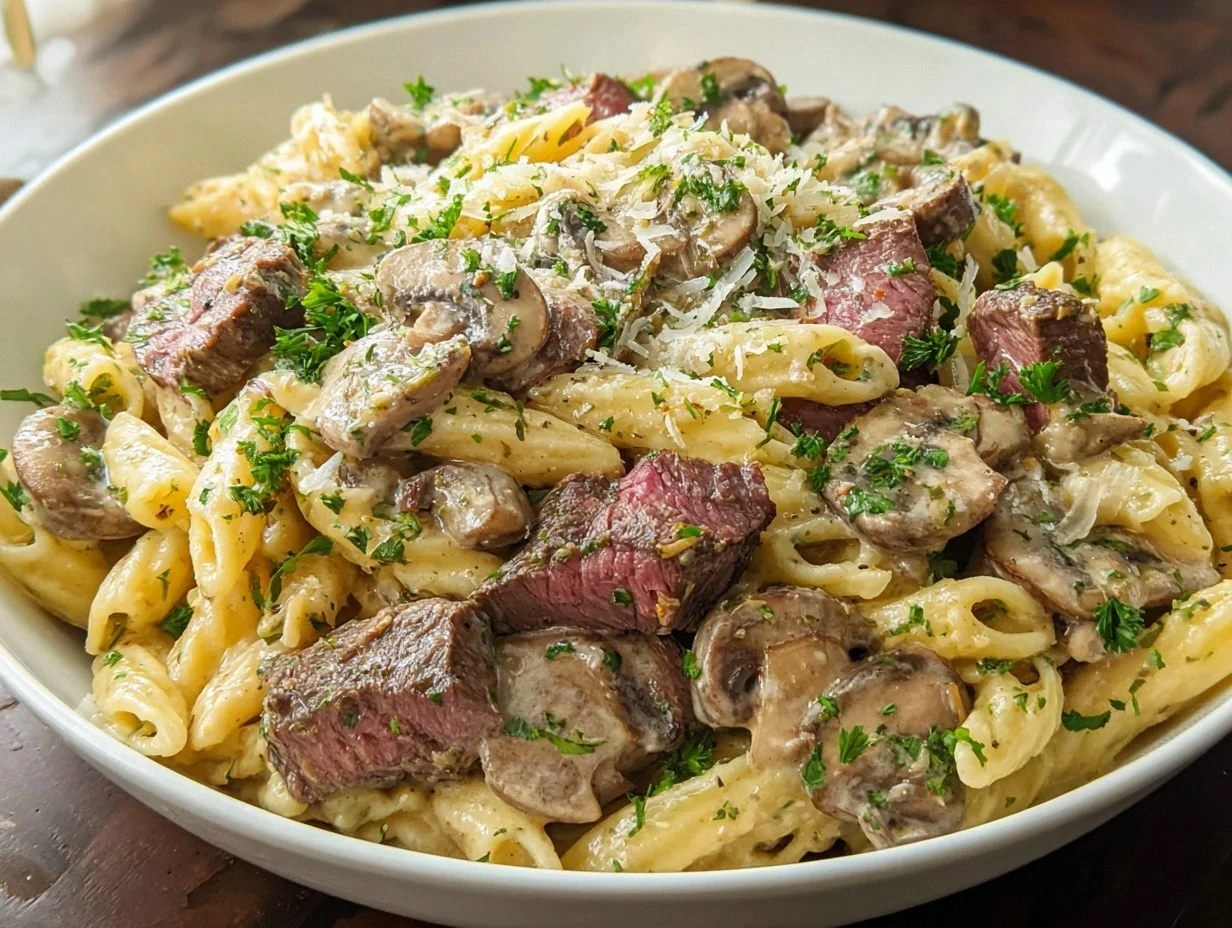
Picture this: tender chunks of perfectly cooked prime rib, nestled in a sauce so creamy it makes velvet feel like sandpaper, coating every strand of al dente pasta with rich, beefy goodness. The first time I nailed this recipe, I actually did a little dance in my kitchen. My neighbor knocked on the wall because she thought something was wrong. Nope, just me celebrating the fact that I'd created something that tastes like it should cost forty bucks a plate at a steakhouse.
Here's the thing about this recipe — it's not just another creamy pasta dish. This is the kind of meal that makes people close their eyes when they take the first bite, the kind that has your dinner guests fighting over who gets to take home the leftovers. I've seen grown adults lick their plates clean. And yes, I'll confess: I ate half the batch before anyone else got to try it. Twice. Don't judge until you've tasted it.
What makes this version different? We're not just throwing some sliced beef into cream sauce and calling it a day. We're building layers of flavor that will make your taste buds do backflips. We're talking about properly seared prime rib with those gorgeous crispy edges, a sauce that's been fortified with the fond from the pan, and a few secret ingredients that will have everyone asking what your secret is. Let me walk you through every single step — by the end, you'll wonder how you ever made it any other way.
What Makes This Version Stand Out
Flavor Bomb: We're not just using any cream sauce here. This is a reduction of beef stock, white wine, and aromatics that concentrates into pure umami gold. The sauce coats each pasta strand like liquid silk, carrying the beefy essence through every single bite. Most recipes skip this step and end up with a flat, one-dimensional cream sauce that tastes like it came from a can.
Texture Heaven: The contrast between the tender, juicy prime rib chunks and the al dente pasta creates a textural symphony in your mouth. We're talking about perfectly cooked beef that melts on your tongue, paired with pasta that still has that satisfying bite. Most recipes overcook both components until they're indistinguishable mush.
Restaurant Technique: We're using the same method steakhouses use for their best pasta dishes — searing the beef first to develop those gorgeous browned bits, then building our sauce in the same pan. Those little caramelized pieces are pure flavor gold, and most home cooks wash them down the drain. Not here. We're scraping up every last bit of that beefy goodness.
Make-Ahead Magic: Here's a secret — this actually tastes better if you make the components ahead and assemble right before serving. The beef can be cooked and refrigerated up to three days in advance, and the sauce actually develops more flavor as it sits. Most creamy pasta dishes turn into gluey messes when reheated, but not this one.
Crowd-Pleasing Power: I've served this to picky eaters, food snobs, and everything in between. The universal response is a moment of silence followed by "Oh my god, what is in this?" It's fancy enough for dinner parties but comforting enough for a Tuesday night when you need a hug in food form.
Ingredient Integrity: We're using real prime rib here, not some mystery meat from the deli counter. The difference is astronomical. Real beef stock, not bouillon cubes. Real cream, not that shelf-stable stuff. Every ingredient pulls its weight, and you can taste the difference in every single bite.
Alright, let's break down exactly what goes into this masterpiece...
Inside the Ingredient List
The Flavor Base
The prime rib is obviously the star here, but let's talk about what makes it sing. We're looking for a cut that's got beautiful marbling throughout — those little white streaks of fat that melt into the meat as it cooks. I always ask my butcher for the cap end of the prime rib because it's got the perfect balance of meat and fat. You'll need about a pound and a half for this recipe, which sounds like a lot until you remember that this is the main event. The beef gets seasoned simply with kosher salt and cracked black pepper, then seared in a screaming hot pan until it develops that gorgeous mahogany crust.
The aromatics are where we start building complexity. Two shallots, minced so fine they almost disappear into the sauce, plus four cloves of garlic that we'll slice paper-thin. These aren't just thrown in willy-nilly — they each have their moment to shine. The shallots go in first to slowly caramelize and sweeten, while the garlic joins the party later so it doesn't burn and turn bitter. Fresh thyme and rosemary from the garden (or your neighbor's garden if yours didn't survive the winter like mine didn't) add those earthy, piney notes that scream "fancy dinner" without being pretentious about it.
The Texture Crew
For the pasta, we're going with pappardelle — those wide, ribbon-like noodles that were basically designed to carry heavy, creamy sauces. The broad surface area means maximum sauce coverage, and the slight chewiness provides the perfect contrast to the tender beef. If you can't find pappardelle, tagliatelle works too, but please don't use spaghetti. I made that mistake once and my Italian neighbor still hasn't forgiven me. The pasta gets cooked in heavily salted water — it should taste like the ocean, not just mildly salted. This is your only chance to season the pasta itself.
The cream sauce gets its body from a combination of heavy cream and egg yolks. The yolks act as a natural thickener and give the sauce that gorgeous, velvety texture that clings to everything it touches. We're also adding a handful of freshly grated Parmigiano-Reggiano because, let's be honest, everything's better with more cheese. The real secret ingredient here is a tablespoon of tomato paste — not enough to make it taste like tomato sauce, just enough to add depth and a beautiful color.
The Unexpected Star
Here comes the curveball — we're adding a splash of good quality balsamic vinegar right at the end. I know what you're thinking: "Balsamic vinegar in cream sauce? Have you lost your mind?" But hear me out. Just a teaspoon of aged balsamic brightens everything up and cuts through the richness like you wouldn't believe. It's like the culinary equivalent of that friend who always knows exactly when to crack a joke to lighten the mood. The acidity balances the fat, making you want to keep eating more even when you're stuffed.
We're also throwing in some baby spinach at the very end, not because we're trying to be healthy (let's be real, this dish is many things but healthy isn't one of them), but because it adds a pop of color and a slight bitterness that plays beautifully with all that richness. Plus, it makes us feel slightly better about eating what amounts to a heart attack on a plate. The spinach wilts almost instantly in the hot sauce, so don't worry about it being too vegetal or overwhelming.
The Final Flourish
The garnish situation is where we get fancy without getting fussy. Fresh parsley for color and freshness, another shower of that good Parmigiano-Reggiano because we believe in excess, and — if you're feeling really decadent — some crispy shallots that you fried up while the pasta was cooking. These little golden rings add crunch and a sweet onion flavor that takes everything over the top. I once served this without the crispy shallons and my dinner guests actually asked if I'd forgotten something. They're that important.
Don't forget the finishing oil — a good drizzle of extra virgin olive oil right before serving adds fruitiness and makes everything glisten like it belongs on the cover of a food magazine. Use the good stuff here, not the cooking oil you use for everything else. This is your moment to be extra, so lean into it. The oil should be peppery and green, the kind that makes you cough slightly when you taste it straight. That's how you know it's the real deal.
Everything's prepped? Good. Let's get into the real action...
The Method — Step by Step
- Start by taking your prime rib out of the refrigerator about 45 minutes before you plan to cook. This is non-negotiable — cold meat won't sear properly, and you'll end up steaming it instead of getting those gorgeous caramelized edges. Pat it absolutely dry with paper towels, and I mean dry. Any moisture on the surface will create steam, and steam is the enemy of a good sear. Season aggressively with kosher salt and freshly cracked black pepper. Don't be shy here — most of the seasoning will stay in the pan, so you need to be generous. While the beef comes to room temperature, get your largest heavy-bottomed skillet heating over medium-high heat.
- When the pan is screaming hot — you should see wisps of smoke rising from the surface — add just enough oil to coat the bottom. We're talking about a teaspoon, maybe two. Lay your prime rib chunks in the pan in a single layer, and for the love of all that is holy, don't move them for at least 3 minutes. Let them develop that gorgeous crust. The sizzle should be loud and angry, like the pan is mad at you. After 3-4 minutes, flip them over and sear the other side. You're looking for deep, dark brown edges that look almost burnt but aren't. Remove the beef to a plate and let it rest — this is crucial for juicy, tender meat.
- Now comes the magic part — those little brown bits stuck to the bottom of your pan are liquid gold. Reduce the heat to medium and add your minced shallots directly into the rendered beef fat. They should sizzle gently, not scream. Let them cook slowly, stirring occasionally, until they turn translucent and start to take on some color. This takes about 5 minutes, but don't rush it. Good things happen when you give shallots time to develop their natural sweetness. Add the sliced garlic and cook for just 30 seconds more — any longer and it'll burn, turning your sauce bitter.
- Pour in your white wine — go for something dry that you'd actually drink, not the cooking wine from the grocery store. That stuff is loaded with salt and will ruin your sauce. Use a wooden spoon to scrape up every last bit of those browned bits, stirring and scraping until the bottom of the pan is smooth. The wine will bubble furiously and reduce by about half. You should be able to smell the alcohol cooking off, leaving behind just the fruity essence of the wine. This takes about 2-3 minutes, and it's worth every second.
- Add your beef stock and tomato paste, stirring until the paste dissolves completely. The stock should be good quality — homemade if you're fancy, or at least the low-sodium store-bought stuff. Let this bubble away for about 5 minutes, reducing slightly. The sauce will start to take on a beautiful rich color, and your kitchen will smell like you hired a professional chef. Stir in the fresh thyme and rosemary, crushing the herbs between your fingers first to release their oils. This is when your neighbors start showing up at your door, asking what you're making.
- While your sauce is developing its flavors, get your pasta water going in a large pot. It needs to be at a rolling boil before you add the pasta, and it should be salted until it tastes like the ocean. Don't be shy with the salt — this is your only chance to season the pasta itself. Add the pappardelle and cook according to package directions, but start testing it 2 minutes before the time is up. You want it al dente, with just a little resistance when you bite into it. Save a cup of the starchy pasta water before you drain it — this liquid gold helps bind the sauce to the pasta later.
- Reduce the heat under your sauce to low and stir in the heavy cream. It should turn a beautiful pale pink color as it combines with the tomato-based stock. Let it simmer gently for about 3 minutes — don't let it boil, or the cream might break and turn grainy. The sauce should coat the back of a spoon when it's ready. If it's too thick, thin it out with a splash of your reserved pasta water. Too thin? Let it simmer a bit longer. Taste it now and adjust the seasoning with salt and pepper.
- Add your cooked pasta directly into the sauce, along with the baby spinach and half of your seared prime rib. Use tongs to toss everything together gently, adding pasta water a little at a time until the sauce coats everything in a glossy sheen. The spinach will wilt almost instantly from the heat of the pasta and sauce. Add the grated Parmigiano-Reggiano and toss until it melts into the sauce, making it even more luxurious. Finally, add that teaspoon of balsamic vinegar and give it one last gentle toss.
- Remove from heat immediately — overcooked prime rib becomes tough and chewy, and we've come too far to let that happen now. Taste one more time and adjust the seasoning. The sauce should be rich but not heavy, coating each strand of pasta without being gloppy. The spinach should be wilted but still bright green, and the beef should be pink and juicy. If you've done everything right, you're about to experience something truly special. Serve immediately in warmed bowls, topped with the remaining prime rib, fresh parsley, more cheese, and those crispy shallots if you made them.
That's it — you did it. But hold on, I've got a few more tricks that'll take this to another level...
Insider Tricks for Flawless Results
The Temperature Rule Nobody Follows
Here's something that separates the pros from the home cooks — temperature control throughout every step. Your prime rib needs to be room temperature before it hits the pan, but your pan needs to be nuclear hot. Once the beef is seared, it needs to rest, but your sauce needs to stay warm enough to emulsify properly. The pasta water should be at a rolling boil, but when you add the cream to your sauce, the heat should be low enough to barely simmer. A friend tried skipping this dance of temperatures once and ended up with tough beef and broken sauce. Let's just say it wasn't pretty, and she still hasn't lived it down at book club.
Invest in an instant-read thermometer and use it. Your beef should reach 125°F for medium-rare before you pull it off the heat — it'll rise to 130°F as it rests. The sauce should stay between 160°F and 180°F once you add the cream. Any hotter and you're flirting with disaster. This isn't being fussy; it's being smart. The difference between good and exceptional often comes down to just a few degrees.
Why Your Nose Knows Best
Forget timers — your nose is the most sophisticated kitchen tool you own. When the shallots are perfectly caramelized, they'll smell sweet and almost like honey. If they start to smell sharp or acrid, you've gone too far. The garlic should hit your nose with a warm, toasty aroma after just 30 seconds — if you don't smell it, it's not doing its job. When you add the wine, take a deep breath. You should smell the alcohol cooking off, leaving behind just the fruity essence. This is where most people rush, but trust me, your nose knows when each layer is perfectly developed.
The same goes for the beef stock reduction. When it's ready, your kitchen will smell like the best steakhouse you've ever been to. Rich, beefy, with hints of herbs and wine. If you can't smell it across your kitchen, it needs more time. This is why I always tell people to cook with their windows closed — you need to be able to smell what's happening. My neighbor thought I was crazy until she tried it and realized her food started tasting better too.
The 5-Minute Rest That Changes Everything
After you've tossed everything together, walk away. Seriously. Put the tongs down, step back, and let the pasta sit in the sauce for exactly 5 minutes. This isn't laziness — it's science. During this rest, the pasta absorbs some of the sauce, the flavors meld together, and the whole dish becomes more cohesive. The sauce will thicken slightly as it cools, coating everything in a glossy sheen that restaurant chefs spend years trying to achieve.
Use these 5 minutes to warm your serving bowls, chop your parsley, and pour yourself a glass of that wine you opened for the sauce. When you come back, give everything one final gentle toss. You'll notice the difference immediately — the pasta looks more luxurious, the sauce has tightened up perfectly, and the whole dish just seems more harmonious. This is the difference between home cooking and restaurant-quality food. My husband calls it the "magic five minutes," and he's not wrong.
Creative Twists and Variations
This recipe is a playground. Here are some of my favorite ways to switch things up:
The Mushroom Lover's Dream
Add a mix of wild mushrooms — shiitake, oyster, and cremini — sautéed in butter until they're golden and crispy on the edges. The mushrooms add an earthy depth that plays beautifully with the beef. Use about a cup and a half of mixed mushrooms, sliced thick so they maintain their texture. Deglaze the pan with Madeira instead of white wine for a richer, more complex flavor. The mushrooms will soak up all those beefy flavors and add their own umami punch to the party.
The Green Goddess Version
Replace the spinach with a mix of baby kale and arugula, and add a handful of fresh basil at the very end. Stir in two tablespoons of pesto along with the cream for an herby twist that screams summer. The peppery arugula cuts through the richness, while the basil adds brightness. Top with lemon zest for an extra pop of freshness. This version is perfect when you want something that feels a little lighter but still indulgent.
The Surf and Turf Situation
Add some seared scallops or lobster meat in the final minute of cooking. The seafood adds sweetness that pairs beautifully with the rich sauce. If using scallops, sear them separately in butter until golden on both sides, then slice them and add them with the reserved prime rib. For lobster, just warm it through in the sauce for the last 30 seconds — any longer and it becomes tough and rubbery. This is date night material right here.
The Truffle Bomb
Replace the balsamic vinegar with a drizzle of white truffle oil, but use a light hand — truffle oil is potent stuff. Add some sautéed leeks along with the shallots for a more sophisticated onion flavor. Finish with black truffle salt instead of regular salt. This version is earthy and luxurious, perfect for when you want to feel like you're dining in a Michelin-starred restaurant. Just don't tell anyone how easy it actually is.
The Spicy Southern Remix
Add a teaspoon of Cajun seasoning to your flour when you coat the prime rib, and throw in a diced jalapeño with the shallots. Use andouille sausage instead of half the prime rib for a smoky, spicy kick. Finish with hot sauce instead of balsamic vinegar, and add some sliced green onions on top. This version has a kick that builds slowly, making you reach for your water glass while simultaneously reaching for more.
The Autumn Harvest Edition
Add roasted butternut squash cubes and sage leaves fried until crispy. The sweetness of the squash balances the richness of the sauce, while the sage adds an autumnal warmth. Roast the squash separately with olive oil, salt, and pepper until caramelized around the edges. Add it along with the spinach so it stays intact. This version is like fall comfort food at its finest, perfect for those first chilly nights when you want something cozy but sophisticated.
Storing and Bringing It Back to Life
Fridge Storage
Here's the reality — this dish is best served immediately, but life happens and sometimes you need to make it ahead or deal with leftovers. Store the components separately if possible: keep the pasta and sauce in one container, the prime rib in another. Both will keep for up to 3 days in the refrigerator, tightly covered. The sauce will thicken considerably as it cools, but don't panic — we'll bring it back to life. Never store it while it's still warm, or you'll create condensation that waters down your sauce and promotes bacterial growth. Let everything come to room temperature first.
When storing mixed pasta, use shallow containers so it cools quickly and evenly. Press plastic wrap directly onto the surface of the pasta to prevent a skin from forming on the sauce. If you notice the sauce has absorbed into the pasta and everything looks dry, that's normal. We'll fix that during reheating. And here's a pro tip: save some of the original pasta water in a separate container. You'll need it for the resurrection process.
Freezer Friendly
While cream sauces don't typically freeze well, this one is an exception if you do it right. Freeze the prime rib separately from the pasta and sauce. Wrap the beef tightly in plastic wrap, then foil, and it'll keep for up to 2 months. The pasta with sauce can be frozen in freezer bags — squeeze out as much air as possible. It won't be quite as perfect as fresh, but it's miles better than most frozen meals. Thaw everything overnight in the refrigerator, never at room temperature.
When you're ready to use frozen portions, plan ahead. The beef needs about 24 hours in the fridge to thaw completely. The pasta will take about 12 hours. Once thawed, treat it like refrigerated leftovers and use within 2 days. Don't refreeze anything that's been thawed — that's how you end up with mushy texture and off flavors. And honestly, this dish is so good that I've never had leftovers last long enough to make it to the freezer anyway.
Best Reheating Method
The microwave is your enemy here — it'll turn your beautiful sauce into an oily, separated mess. Instead, use a gentle stovetop method. Add your refrigerated pasta to a large skillet with a splash of milk or cream and a little of that reserved pasta water if you have it. Heat over medium-low, stirring constantly. The key is patience — rushing this process is what leads to broken, grainy sauce. If you don't have pasta water, regular water works, but add it gradually. You're looking to loosen the sauce, not drown it.
For the prime rib, heat it separately in a covered skillet with a tiny splash of beef stock over low heat. Just warm it through — you're not trying to cook it again. Add it to the pasta at the very end, just before serving. If everything's looking a bit tired, revive it with a handful of fresh spinach and some freshly grated cheese. The spinach wilts and freshens everything up, while the new cheese melts and brings back that creamy texture. It's like giving your leftovers a mini makeover.