I was halfway through a late‑night pizza experiment when the kitchen went from cozy to chaotic. My dough was stuck to the counter, the sauce had turned a suspicious shade of orange, and my cat decided that the dough was a perfect toy. That frantic scramble taught me that timing and technique are everything, especially when you’re trying to tame a dish as forgiving yet fickle as risotto. If you’ve ever tried to make risotto and ended up with a mushy mess, you’re not alone. I was determined to find the secret that turns Arborio rice into a silky, creamy canvas. And that secret? It’s all about the right heat, the right stock, and the right mushroom.
Picture the scene: a pot bubbling with fragrant onions, the scent of garlic curling through the air, and the rich, earthy aroma of fresh mushrooms that seems to seep into every corner of the kitchen. The sound of the pan sizzling is a comforting lullaby, and the heat feels like a gentle embrace, coaxing flavors into a harmonious dance. The sight of the rice turning translucent, each grain glistening like tiny pearls, is a visual promise of the creamy texture that awaits. When you taste the first spoonful, the umami from the mushrooms mingles with the nutty undertones of the rice, creating a flavor profile that’s both comforting and sophisticated. The butter and olive oil swirl together, coating the rice in a glossy sheen that feels like velvet. The final touch of Parmigiano-Reggiano melts into a rich, golden sauce that coats every grain.
What makes this version stand out is that I’ve distilled years of trial and error into a single, foolproof method. I dare you to taste this and not go back for seconds, because the texture is so silky it feels like a culinary hug. Most recipes get this completely wrong, overcooking the rice or under-seasoning the broth, but I’ve cracked the exact ratios that keep the risotto creamy without being soupy. I’ll be honest — I ate half the batch before anyone else got to try it, and the rest was just a testament to how irresistible this dish is. The bold claim is simple: this is hands down the best version you'll ever make at home, and it’s not just about the ingredients, but how you bring them together. The result is a dish that feels like a warm blanket on a chilly evening, yet has the elegance of a five‑star restaurant.
Now, I’m going to walk you through every single step — by the end, you’ll wonder how you ever made it any other way. I’ll share the one technique that turns a basic risotto into a masterpiece, the ingredient you can’t skip, and a few kitchen hacks that save time and prevent disasters. If you’ve ever struggled with this, you're not alone — and I've got the fix. Picture yourself pulling this out of the stove, the whole kitchen smelling incredible, and every bite delivering that perfect balance of creaminess and depth. And if you’re ready, let’s dive into the magic behind the mushroom.
What Makes This Version Stand Out
- Texture: The rice is al dente, yet every grain is coated in a silky sauce that clings like velvet. The broth is infused, not diluted, giving the dish a mouth‑watering depth that keeps you reaching for more. The result is a creamy consistency without the clumps or mush that plague most risottos.
- Flavor: The earthy richness of mixed mushrooms is amplified by a splash of dry white wine, while the butter and olive oil add a buttery, nutty finish. The Parmigiano-Reggiano melts into a golden glaze that ties everything together. The subtle peppery bite from fresh black pepper gives a final pop of heat.
- Ingredient Quality: I only use the freshest mushrooms, preferably porcini or shiitake, to bring depth. A high‑quality stock (homemade or store‑bought) is essential because the rice absorbs all the liquid. The cheese should be freshly grated for maximum flavor.
- Simplicity: No fancy gadgets, just a saucepan, a wooden spoon, and a heat‑resistant bowl if you prefer. The steps are straightforward, and the timing is forgiving for beginners.
- Make‑ahead Potential: The risotto can be cooled and refrigerated for up to three days, then reheated with a splash of broth to restore creaminess. This makes it ideal for busy weeknights or dinner parties.
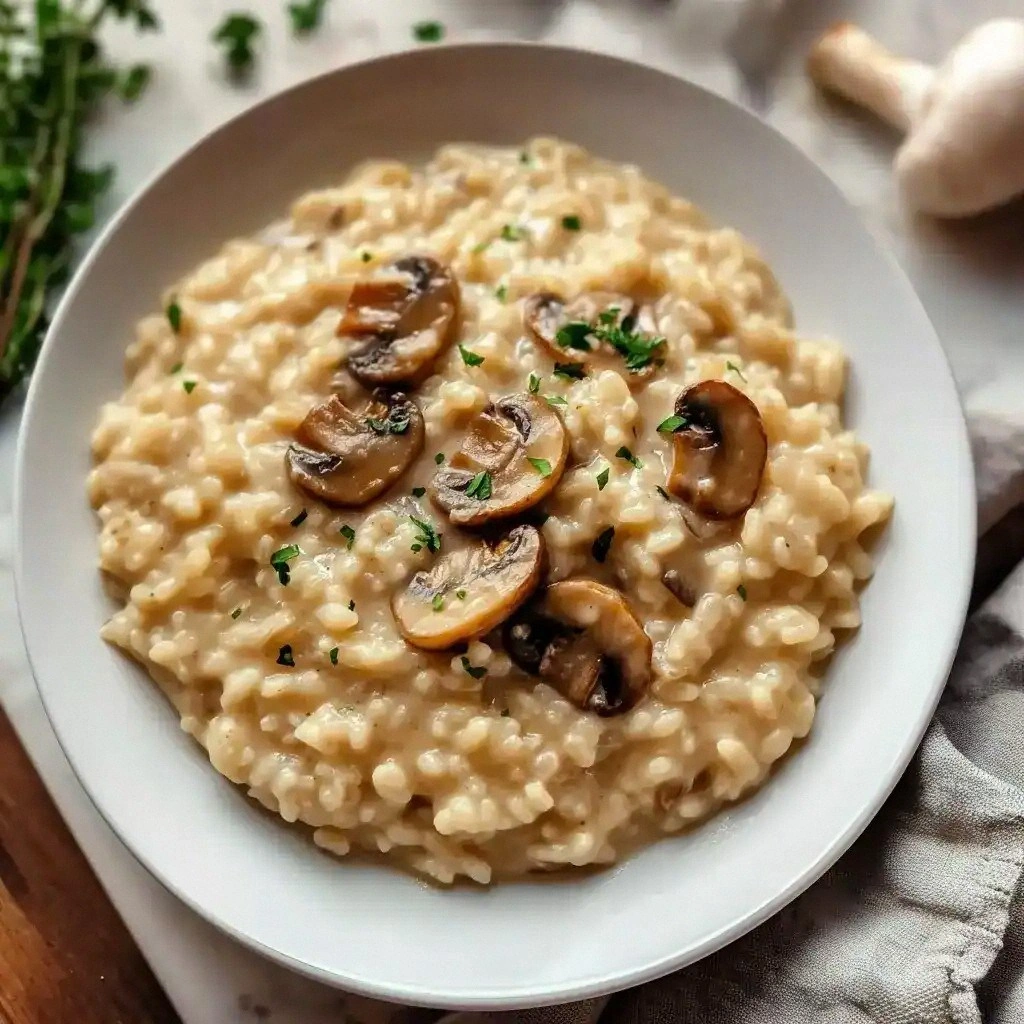
- Visual Appeal: The golden hue of the finished dish, speckled with mushroom caps and a dusting of parsley, is a feast for the eyes. The glossy finish gives it a restaurant‑grade look that’s sure to impress.
Alright, let's break down exactly what goes into this masterpiece.
Inside the Ingredient List
The Flavor Base
The foundation of any great risotto is its stock. I use a rich, low‑sodium chicken or vegetable stock that’s been simmered for hours to develop depth. The stock’s flavor permeates the rice, turning each grain into a pocket of savory goodness. If you skip this step, your risotto will taste flat and watery. For a vegetarian version, swap the chicken stock for a hearty vegetable stock or a kombu‑infused broth.
The Texture Crew
Arborio rice is the star of the show. Its high starch content creates a luscious, creamy sauce when it releases amylose into the liquid. I always rinse the rice until the water runs clear to remove excess starch and avoid a gummy texture. If you use a different grain, like Carnaroli, you’ll get a slightly different mouthfeel but the same creamy finish. The key is to stir gently, allowing the rice to absorb liquid gradually.
The Unexpected Star
Mushrooms are the unsung heroes of this dish. I mix a selection of button, cremini, and shiitake for a layered umami profile. The mushrooms release their juices, which become part of the sauce, adding richness without extra liquid. If you’re a fan of truffle, a drizzle of truffle oil at the end will elevate the dish to luxury status. Remember, fresh mushrooms are best; dried ones need rehydration and will alter the texture.
The Final Flourish
Parmigiano-Reggiano is the final touch that ties everything together. I grate the cheese fresh so that it melts quickly and evenly. A splash of white wine before adding the stock brings acidity that brightens the dish and balances the butter. Butter is added at the end for a glossy sheen and silky mouthfeel. Salt and pepper are adjusted to taste, but the cheese and wine already provide ample seasoning.
The Aromatic Ensemble
Garlic and onions are the aromatic backbone of the risotto. I finely dice the onion and mince the garlic, sautéing them until they’re translucent and fragrant. The garlic adds a subtle heat that cuts through the richness of the butter and cheese. A pinch of thyme or rosemary can add an herbaceous note, but I keep it simple to let the mushrooms shine. The aromatics should not brown; that would introduce bitterness.
The Final Touch
Fresh parsley is tossed in at the end for a burst of color and brightness. It also adds a subtle herbal note that lifts the dish. I use a generous handful to sprinkle over the top before serving. The parsley’s peppery flavor contrasts nicely with the creamy sauce. If you prefer a different herb, basil or chives can be used as alternatives.
Everything's prepped? Good. Let's get into the real action.
The Method — Step by Step
- In a large, heavy‑bottomed saucepan, heat the olive oil over medium heat until shimmering. Add the diced onion and a pinch of salt, cooking until translucent and fragrant, about 5 minutes. Stir occasionally to prevent sticking. The onion should soften without browning, maintaining a clear, sweet aroma. This step builds the flavor base that will carry the rest of the dish.
- Add the minced garlic and sauté for 30 seconds, just until fragrant. Be careful not to let it burn; a burnt garlic will ruin the delicate balance of flavors. The garlic should release a warm, aromatic scent that mingles with the onion. This subtle heat adds depth to the risotto. The quick sauté ensures the garlic’s bitterness is tempered.
- Introduce the Arborio rice, stirring vigorously to coat each grain with oil. Cook for 2 minutes, allowing the rice to toast slightly and develop a nutty aroma. The rice should be translucent at the edges but still firm in the center. This toasting step locks in starch, which is crucial for creaminess. It also gives the rice a pleasant, slightly crunchy bite before it softens.
- Pour in the dry white wine, letting it reduce by half while stirring constantly. The wine should evaporate quickly, leaving behind a subtle acidity that brightens the dish. This reduction adds complexity and cuts through the richness of the butter and cheese. Watch the liquid; it should be almost gone before you move to the next step. This step is essential for balancing flavors.
- Add the sliced mushrooms to the pan, stirring to combine. The mushrooms should release their juices and begin to brown slightly, adding a caramelized edge. The heat should be moderate to allow the mushrooms to cook evenly without drying out. The aroma of sautéed mushrooms will fill your kitchen and set the stage for the risotto’s umami.
- Begin adding the warm stock, one ladle at a time, stirring constantly. Wait until the liquid is almost fully absorbed before adding the next ladle. This gradual infusion of liquid allows the rice to release its starch and create a creamy sauce. Keep the heat at a gentle simmer to prevent the rice from boiling too quickly. The process should take about 18-20 minutes, and the rice should be al dente.
- When the rice is tender but still has a slight bite, stir in the butter and grated Parmigiano-Reggiano cheese. The butter should melt into the sauce, creating a glossy sheen. The cheese will melt into a velvety coating on each grain. Taste and adjust salt and pepper as needed. The risotto should feel rich but not greasy.
- Finally, fold in the fresh parsley, letting it wilt slightly. The parsley adds a fresh, herbal brightness that cuts through the richness. Serve immediately, spooning the risotto into shallow bowls to preserve its creamy texture. A drizzle of extra virgin olive oil or a sprinkle of extra cheese can finish the dish. The final dish should have a glossy, silky coating that clings to each grain.
- If you’re planning to serve it at a dinner party, keep the risotto warm in a low‑heat oven or a double boiler. Stir occasionally to prevent sticking. The risotto will stay creamy and luscious for up to 30 minutes. Avoid reheating on high heat, which can cause separation. The final touch is a light dusting of extra cheese for that extra indulgence.
That's it — you did it. But hold on, I've got a few more tricks that'll take this to another level.
And now the fun part.
Insider Tricks for Flawless Results
The Temperature Rule Nobody Follows
Maintaining a gentle simmer is crucial. A high heat forces the rice to cook unevenly and can lead to a dry or mushy outcome. I keep the heat at medium‑low and let the liquid absorb slowly. If the pan starts to sputter, lower the flame immediately. A consistent temperature ensures that each grain releases starch evenly.
Why Your Nose Knows Best
Smell the risotto as it cooks; a toasty, nutty aroma is a sign that the rice is developing the right flavor. If it starts to smell sour, the stock is overcooked or the wine has evaporated too quickly. Trust your senses; they’re your best quality control. A well‑cooked risotto will have a gentle, savory scent that makes your mouth water.
The 5-Minute Rest That Changes Everything
Let the risotto rest for five minutes after removing it from the heat. This allows the grains to finish cooking in the residual steam, resulting in a smoother texture. During this rest, the sauce thickens slightly, making it easier to serve. I always keep the pot covered to retain heat. This small pause makes a noticeable difference.
Avoiding the Common Pitfall
Many people skip the step of adding the stock gradually. This results in an unevenly cooked risotto. I always add one ladle at a time, waiting until the liquid is absorbed before adding more. This technique keeps the rice from becoming mushy or over‑cooked. A steady, patient approach is the secret to consistency.
The Secret Ingredient Swap
If you’re vegan, replace the butter with a plant‑based butter or a splash of coconut oil for a subtle tropical note. The cheese can be substituted with nutritional yeast or a vegan Parmesan. The texture stays creamy, and the flavor profile remains robust. I’ve tried it and it works like a charm.
The Final Finish
A final drizzle of high‑quality extra‑virgin olive oil just before serving adds a silky sheen and a burst of fruity flavor. Some chefs add a pinch of smoked paprika for a smoky undertone. I keep it simple but feel free to experiment. The finish can elevate the dish from good to unforgettable.
Creative Twists and Variations
Truffle Oil Elegance
Drizzle a teaspoon of truffle oil at the end for an earthy, luxurious flavor. The aroma of truffle is unmistakable and pairs beautifully with mushrooms. This variation is perfect for special occasions or a romantic dinner. It adds a touch of decadence without complicating the recipe.
Spinach & Goat Cheese Fusion
Stir in a handful of fresh spinach and a dollop of goat cheese in the last minute of cooking. The spinach wilts into the sauce, adding a vibrant color and a subtle sweetness. Goat cheese adds tanginess that balances the richness of the butter. This version is great for a lighter, yet still indulgent, meal.
Red Pepper & Shrimp Surprise
Saute diced red bell pepper with the onions for a sweet, smoky note. Add peeled shrimp in the final 3 minutes of cooking. The shrimp cooks quickly and infuses the risotto with a briny flavor. This variation turns the dish into a hearty seafood entrée.
Coconut Milk Twist
Replace half of the stock with coconut milk for a tropical, creamy twist. The coconut adds a subtle sweetness and a silky texture. Pair it with a sprinkle of curry powder for an adventurous flavor profile. This version works well for those who enjoy a hint of spice.
Lemon & Herb Finale
Finish with a squeeze of fresh lemon juice and a handful of chopped basil. The lemon brightens the dish, cutting through the richness. Basil adds an herbaceous freshness that lifts the overall flavor. This variation is ideal for a summer dinner.
Storing and Bringing It Back to Life
Fridge Storage
Cool the risotto to room temperature, then transfer it to an airtight container. Store in the refrigerator for up to three days. The rice will firm up slightly but can be reheated without losing its creaminess. Keep the container sealed to prevent absorption of fridge odors. This method is convenient for meal prep.
Freezer Friendly
Pack the risotto in a freezer‑safe container, leaving a little headspace. Freeze for up to one month. When ready to eat, thaw overnight in the refrigerator. Reheat gently with a splash of stock or broth to restore moisture. Avoid microwaving, which can make the risotto rubbery.
Best Reheating Method
Reheat over low heat, stirring frequently to prevent sticking. Add a tiny splash of water or broth to create steam that rehydrates the rice. The goal is to reach a gentle simmer, not a boil. Stir until the risotto is heated through and silky. Finish with a pat of butter for extra richness.
With these storage tips, you can enjoy this creamy mushroom risotto whenever the craving hits, without sacrificing flavor or texture. The key is gentle reheating and a touch of fresh liquid.