I still remember the day my oven turned into a crime scene. There I was, juggling a million holiday errands, when a desperate craving for something bright and cozy hit me like a freight train. I yanked open the fridge, spotted a bag of cranberries I'd bought on impulse, and thought, "How hard could a quick loaf be?" Famous last words. The first attempt emerged looking like a brick wearing a cranberry disguise, tasting like someone had weaponized baking soda. The second? A sad, sunken mess that oozed pink juice all over my counter. By the third, I was muttering sailor-level curses and swearing off quick breads forever—until my neighbor, a retired pastry chef, knocked on the door, lured by the smoke alarm. She took one bite of my tragic experiments, laughed until she wheezed, and whispered five tiny tweaks that changed everything.
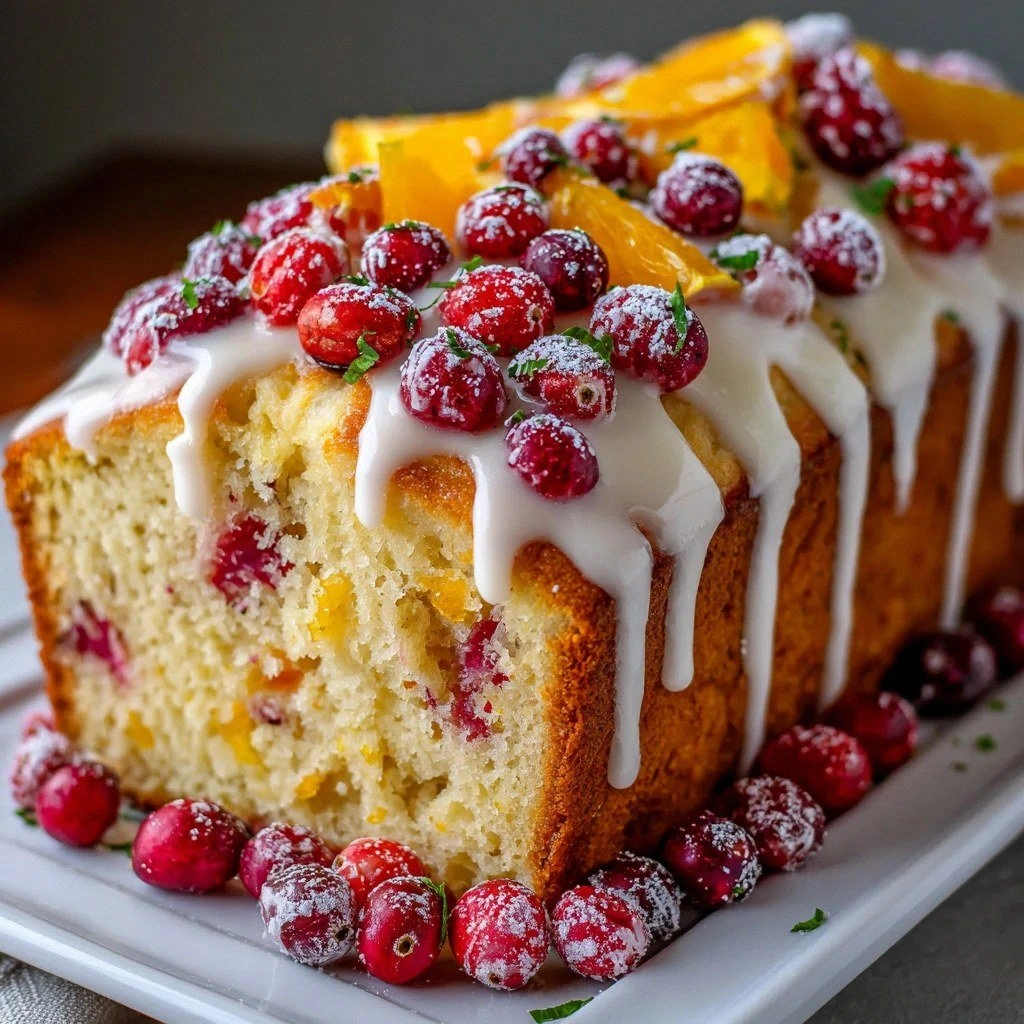
Fast-forward to the fourth bake: the moment that loaf hit the cooling rack, the kitchen exploded with the scent of zesty orange sunshine dancing against tart cranberry fireworks. The crust bronzed like a perfectly tanned traveler back from the tropics, while the interior stayed so tender it practically sighed when sliced. I watched my kids descend like vultures, crumbs flying, grins widening, and in that instant I knew I'd cracked the code. This wasn't just another cranberry orange loaf; this was the cranberry orange loaf that would ruin all others for you forever. Bold claim? Absolutely. Stick around and I'll prove it.
Picture yourself on a frosty morning, the windows fogged, your hands wrapped around a warm mug while a slice of this cake dissolves on your tongue. The orange whispers of summer, the cranberry shouts of winter, and together they throw a party your taste buds RSVP to with exclamation points. If you've ever endured a dry, one-note loaf that tasted like regret, prepare for redemption. Stay with me here—this next part is pure magic.
Let me walk you through every single step—by the end, you'll wonder how you ever made it any other way.
What Makes This Version Stand Out
This isn't the polite, tea-party loaf your grandma still raves about. This is the rebel cousin who shows up fashionably late, steals the spotlight, and leaves everyone begging for the recipe.
- Flavor Boom: We triple-down on orange—zest, juice, and a stealth orange-butter glaze that seeps into warm crumb—so every bite tastes like liquid sunrise. Most recipes barely whisper citrus; this one sings an aria.
- Cranberry Integrity: Instead of rubbery berries that sink to the bottom, we toss them in a light flour coat and fold them in at the last second so they suspend like little rubies throughout the slice.
- Moisture Lock: Greek yogurt plus browned butter equals a loaf that stays plush for days. No pathetic day-two staleness, no need to toast to resurrect it—though toasting does create outrageously crispy edges.
- One-Bowl Wonder: No mixer, no fussy stages. You literally whisk, fold, and pour. If you can operate a fork, you can nail this recipe on a Monday morning before coffee.
- Make-Ahead Hero: Flavors deepen overnight, so bake it Sunday, wrap it up, and you'll have show-stopping slices all week—or freeze half for emergency house-guest bribery.
- Crowd Psychology: People expect "healthy" quick breads to taste virtuous and sad. Serve this and watch their faces morph from polite interest to unabashed greed. Seconds are inevitable. Thirds are common.
Alright, let's break down exactly what goes into this masterpiece...
Inside the Ingredient List
The Flavor Base
All-purpose flour is your trusty scaffolding. Too little and your loaf pancakes; too much and you build bread-flavored drywall. I fluff, spoon, and level religiously—never scoop directly unless you fancy a doorstop. Swap in up to 30% white whole-wheat flour if you want to fake wholesomeness, but expect a slightly denser crumb.
Baking powder and baking soda are the dynamic duo that convince this dense batter to rise like it's got something to prove. They work at different speeds, so don't try to shortcut by using double of one. Expired leaveners are the silent killer of lofty loaves—if your container has sat open since last decade, do yourself a favor and buy a fresh packet.
Salt is the unsung conductor of the flavor orchestra. A scant half-teaspoon wakes up every other ingredient without screaming "I'm salty!" Skip it and the whole loaf tastes beige. I use fine sea salt because it dissolves instantly; if you're on kosher, add an extra pinch since the flakes are bulkier.
The Texture Crew
Unsalted butter lets you control the salt balance and—here's the kicker—we brown half of it for nutty depth. Browning evaporates water, so we compensate with an extra splash of yogurt to keep things supple. If you only have salted butter, omit the added salt and prepare for a slightly different browning timeline since milk solids like to dance faster in salted fat.
Granulated sugar isn't just sweet; it's a hygroscopic magnet for moisture, keeping your loaf tender for days. I whisk in a tablespoon of the orange zest with the sugar so the citrus oils perfume every crystal. You can swap in light brown sugar for deeper toffee notes, but the loaf will darken faster—tent with foil during the last fifteen minutes.
Eggs should be room temperature so the yolks emulsify smoothly with the butter. Cold eggs can shock the batter, causing speckles of solidified fat that bake into tiny greasy pockets. Forgot to plan ahead? Submerge whole eggs in lukewarm water for ten minutes while you prep the pan.
The Unexpected Star
Greek yogurt brings tangy luxury and protein for structure without weighing things down. Full-fat is ideal, but 2% works if you're counting calories—just promise me you won't go non-fat; the texture turns cottony. No yogurt lurking in the fridge? Sour cream is a seamless understudy, and even buttermilk will do in a pinch, though your crumb will be slightly looser.
The Final Flourish
Freshly squeezed orange juice is non-negotiable. The bottled stuff tastes like sad Sunny-D memories and lacks the volatile aromatics that make this loaf sing. One large orange usually yields the quarter-cup you need, plus plenty of zest. Pro tip: zest before you halve and juice, unless you enjoy chasing slippery citrus across the cutting board.
Speaking of zest, the orange's outer skin is where the essential oils live—tiny flavor grenades waiting to detonate in your batter. Use a microplane and stop at the white pith unless you fancy bitter undertones. If you ever switch to Meyer lemons or blood oranges, reduce the juice slightly since they're milder.
Fresh or frozen cranberries both work, but frozen hold their shape better because the cell walls toughen in the freezer. Either way, tumble them in a spoonful of flour so they don't sink like Titanic passengers. If you're a raisin hater pretending cranberries are different, try chopped tart cherries or even pomegranate arils for a rebellious twist.
Everything's prepped? Good. Let's get into the real action...
The Method — Step by Step
- Preheat your oven to 350°F (175°C) and position a rack in the lower third so the top doesn't over-brown. Line a 9×5-inch loaf pan with parchment, leaving wings for easy removal later. Slide the pan onto a baking sheet—this insulates the bottom and prevents the dreaded burnt edge. While the oven limbers up, you're free to brown the butter without rushing.
- In a light-colored saucepan, melt six tablespoons of butter over medium heat. Swirl gently as it foams; within minutes the milk solids will turn chestnut and smell like toasted hazelnuts. Once you see amber flecks, immediately pour the butter into a cool bowl to halt cooking. Let it cool five minutes so it won't scramble the eggs, but don't let it re-solidify—we need it liquid for the next step.
- In a large bowl, whisk together flour, baking powder, baking soda, and salt. I like to aerate the mixture by lifting the whisk high, letting it snow back down—this adds lightness without sifting. Make a well in the center like you're preparing a pasta volcano; this crater will corral the wet ingredients and prevent floury pockets when we mix.
- In a second bowl, combine the remaining two tablespoons of soft butter with the sugar and orange zest. Rub them together with your fingertips until the sugar looks like damp sand and the citrus oils bloom under your nose—this thirty-second spa treatment infuses every grain. Whisk in the eggs one at a time, beating until the mixture looks glossy like melted caramel. Drizzle in the cooled brown butter, whisking constantly to emulsify.
- Fold in the Greek yogurt and orange juice. The batter may look curdled—fear not! That's the acid reacting with the dairy, and it will smooth out once the flour joins the party. If you've ever struggled with this step, you're not alone—and I've got the fix: just keep whisking for ten more seconds and watch the mixture pull itself together like nothing happened.
- Scrape the wet mixture into the flour well. Using a silicone spatula, fold with a slow figure-eight motion, rotating the bowl a quarter-turn after each stroke. Stop when only a few dusty streaks remain—over-mixing develops gluten and you'll end up with bread that could bench-press a kettlebell. We want tender, not tough.
- Toss the cranberries with a teaspoon of flour until they're lightly veiled; this micro-coat gives them traction in the batter. Gently fold them in, aiming to distribute evenly without crushing. The dough will look like a festive dalmatian—pause to admire, then resist the urge to snack on raw berries because the tartness will make your cheeks pucker.
- Pour the batter into the prepared pan and smooth the top with an offset spatula. Give the pan a gentle tap on the counter to dislodge air bubbles—those little craters can create tunnels. Slide the sheet-pan setup into the oven and bake 50–60 minutes, rotating halfway for even color. The cake is ready when a skewer inserted at a 45° angle comes out with moist crumbs, not wet batter.
- Cool in the pan on a rack for fifteen minutes. During this brief sauna, the residual heat finishes baking the center so it doesn't sink. Run a thin knife around the edges, then use the parchment wings to lift the loaf out like a golden bar of treasure. Peel off the paper and let it cool completely—if you can wait that long—so the crumb sets and slices cleanly.
That's it—you did it. But hold on, I've got a few more tricks that'll take this to another level...
Insider Tricks for Flawless Results
The Temperature Rule Nobody Follows
Room-temperature ingredients aren't a snobby suggestion; they're the ticket to a batter that emulsifies into a smooth, lofty dream. Cold eggs can seize the butter, creating tiny fat pebbles that melt into greasy holes. Set everything on the counter thirty minutes before you start, or speed things up by placing eggs in warm water and microwaving the orange for ten seconds to release more juice.
Why Your Nose Knows Best
Ignore the timer tyrants—your senses trump digits. When the loaf is nearly done, your kitchen will fill with a perfume of caramelized orange so intoxicating you'll consider bottling it as cologne. If you smell that heavenly aroma, start peeking through the oven window; color should be a deep mahogany and the edges will just begin pulling from the pan's sides.
The 5-Minute Rest That Changes Everything
Once cooled, wrap the loaf in plastic while it's barely warm—this traps steam and creates a micro-climate that makes the crumb even moister the next day. A friend tried skipping this step once; let's just say it didn't end well. Day-old slices tasted like cardboard compared to the wrapped version which stayed springy and fragrant for four days straight.
Creative Twists and Variations
This recipe is a playground. Here are some of my favorite ways to switch things up:
White Chocolate Wonderland
Swap one tablespoon of flour for dry milk powder to amplify sweetness, then fold in a half-cup of chopped white chocolate chunks. As they bake, the cocoa butter melts into milky pockets that contrast beautifully with tart cranberries. Drizzle cooled loaf with melted white chocolate spiked with orange oil for a dessert that basically hugs your soul.
Maple Pecan Harvest
Replace half the sugar with dark maple syrup and reduce the orange juice by two tablespoons to balance liquids. Stir in a cup of toasted chopped pecans for buttery crunch. The maple caramelizes at the edges, creating those crispy corners that shatter like thin ice—pure autumn nostalgia.
Tropical Escape
Sub the cranberries for diced mango and swap orange zest for lime. Add a teaspoon of rum extract to the batter and sprinkle the top with unsweetened coconut flakes before baking. One bite and you're on a beach somewhere, sand between your toes, seagulls overhead, responsibilities forgotten.
Spiced Chai Comfort
Whisk a teaspoon each of cardamom, cinnamon, and a pinch of cloves into the flour. Use brown sugar instead of white and finish with a glaze of powdered sugar whisked with strong chai tea. The aroma will make your neighbors hover by the door like cartoon aroma wisps.
Grown-Up Bittersweet
Stir two tablespoons of cocoa powder into the dry mix and fold in dried sour cherries along with the cranberries. Once cooled, brush the top with a thin coat of melted dark chocolate. It's sophisticated enough for a dinner party yet comforting enough for midnight fridge raids.
Storing and Bringing It Back to Life
Fridge Storage
Wrap the completely cooled loaf tightly in plastic, then slip it into a zip-top bag with the air squeezed out. It keeps up to five days in the fridge, though honestly it rarely survives past day three in my house. Bring slices to room temp for best texture, or toast lightly to revive the crust.
Freezer Friendly
Slice the loaf, slip parchment between pieces, and freeze in a single layer on a sheet pan. Once solid, transfer to a freezer bag—this prevents a brick of fused slices that requires a chisel. Frozen slices thaw in about thirty minutes on the counter, or ten seconds in the microwave if you're embracing impatience. They'll keep for two months, but quality peaks at four weeks.
Best Reheating Method
Add a tiny splash of water to a skillet, set the heat to low, and lay a slice cut-side down. Cover with a lid for two minutes; the gentle steam resurrects moisture while the bottom crisps. The result tastes nearly fresh-baked, and the edges caramelize into a toffee-like lace that will make you question why you ever ate cake any other way.