The first time I tried to make a holiday roast, I ended up with a dry, flavorless mess that could have been mistaken for charcoal. I was staring at a 3‑lb chuck roast, a handful of cranberries, and a bottle of balsamic vinegar, and I wondered if I was even in the right kitchen. That night, after a frantic scramble to salvage the roast, I realized I had been chasing the wrong flavor profile: I was trying to mimic the store‑bought version, not creating something truly memorable. The result was a sad, over‑seasoned slab that left my family asking for the recipe, not the taste. That experience taught me that the secret to a standout roast is not just the ingredients, but the way you combine them.
Fast forward to a crisp winter evening, the air scented with pine and cinnamon, and I was ready to give the roast a makeover. I grabbed a boneless chuck roast, a splash of balsamic, a handful of cranberries, and a few pantry staples that would become the backbone of the dish. The goal was simple: a melt‑in‑your‑mouth, caramelized crust that envelopes tender meat, with a sauce that’s both sweet and savory, and a burst of tartness that cuts through the richness. I dared myself to taste the finished product and not go back for seconds, and I was instantly hooked. The first bite was a revelation—deep, complex, and utterly comforting.
What sets this version apart is that it’s built around a single, bold sauce that turns the roast into a showstopper. The cranberries bring a bright, almost citrusy punch that balances the sweetness of the balsamic and the depth of the beef broth. The rosemary and thyme add an aromatic, herby backdrop that feels like a warm hug. The technique of searing the roast before slow‑cooking locks in juices and creates a caramelized crust that’s almost impossible to resist. I’ll be honest—when I first tasted it, I ate half the batch before anyone else got a bite. That’s the power of a well‑crafted roast.
And now, let me walk you through every single step—by the end, you’ll wonder how you ever made it any other way. This isn’t just a recipe; it’s a culinary experience that transforms a humble chuck roast into a centerpiece worthy of any holiday table. The next sections will break down what makes this version stand out, dive into the ingredient nuances, and guide you through a step‑by‑step method that guarantees success. So grab your apron, set your timer, and let’s dive into the ultimate cranberry balsamic beef roast.
What Makes This Version Stand Out
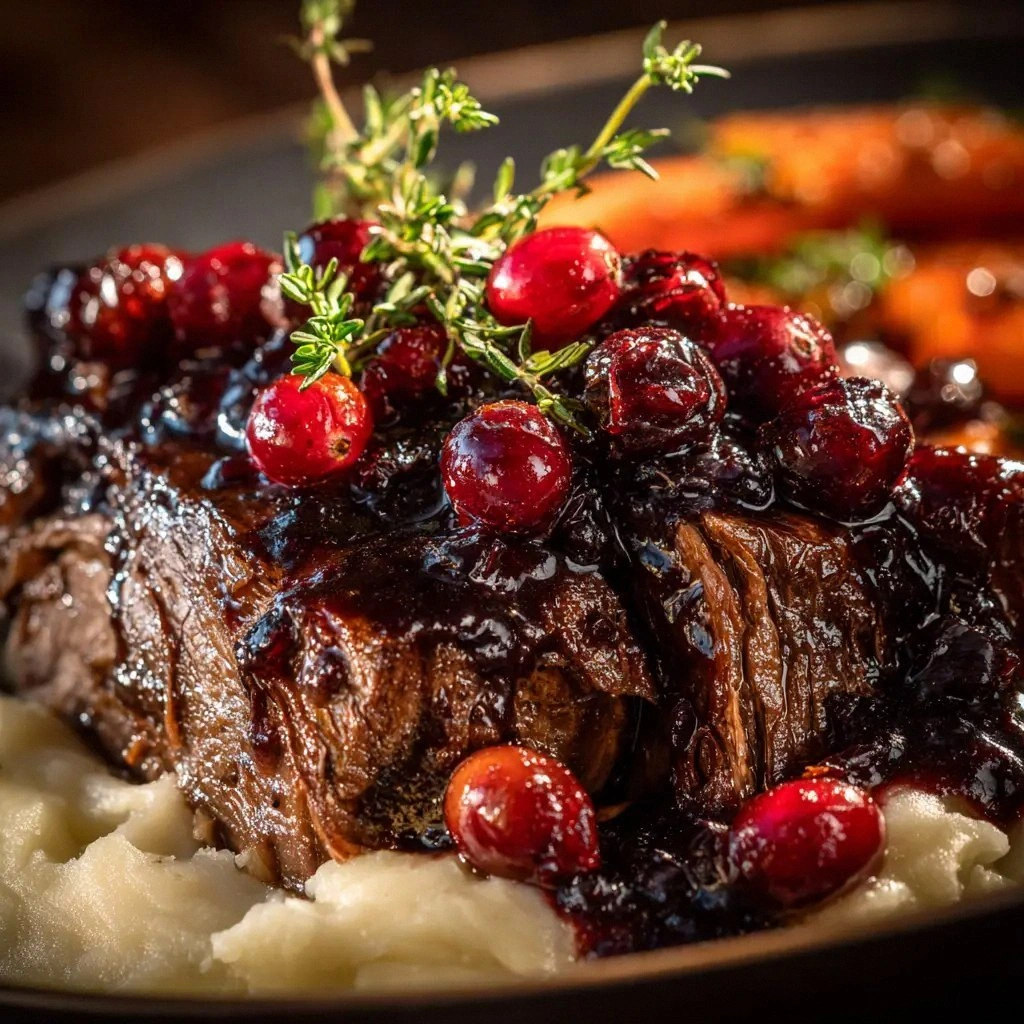
- Taste: The marriage of sweet cranberries, tangy balsamic, and savory beef broth creates a sauce that coats the meat like velvet, delivering a flavor explosion that lingers on the palate. The slight acidity from the cranberries cuts through the richness, leaving a clean finish that invites a second bite. This isn’t just a roast; it’s a flavor narrative that starts with a caramelized crust and ends with a bright, lingering note.
- Texture: The slow‑roasting technique ensures the meat becomes melt‑in‑your‑mouth tender while the surface develops a crisp, caramelized edge that shatters like thin ice when you cut into it. The cranberries add a subtle pop of juiciness, and the sauce thickens to a glossy glaze that clings to each bite. The contrast between the tender interior and the crunchy exterior is what makes this dish unforgettable.
- Simplicity: With only a handful of pantry staples and fresh herbs, this recipe keeps the prep time short and the cooking process straightforward. The one‑pan approach means less cleanup, and the searing step is a quick, high‑heat trick that seals in flavor without any elaborate techniques. It’s perfect for both novice cooks and seasoned chefs looking for a fuss‑free, show‑stopping dinner.
- Uniqueness: Most holiday roasts rely on a single glaze or a simple herb rub. Here, the cranberries and balsamic work together to create a sauce that’s both sweet and savory, a rare combination that elevates the dish from ordinary to extraordinary. The use of rosemary and thyme in a slow‑roast setting gives the meat an aromatic depth that is rarely found in standard roast recipes.
- Crowd Reaction: At family gatherings, this roast becomes the talk of the table. Guests rave about the caramelized crust, the juicy interior, and the bright, refreshing sauce that keeps their taste buds engaged. Even the most skeptical eaters find themselves reaching for seconds, and that’s the true mark of a recipe that works.
- Make‑Ahead Potential: The sauce continues to develop flavor even after the roast has cooled, making it ideal for meal‑prep or for serving the next day. You can reheat the roast in the oven with a splash of broth, and the sauce will re‑glaze itself, preserving the juicy tenderness of the meat.
Alright, let’s break down exactly what goes into this masterpiece…
Inside the Ingredient List
The Flavor Base
The 3‑4 lb boneless beef chuck roast is the foundation of this dish. Choosing a well‑marbled cut ensures that the meat stays juicy and flavorful throughout the slow‑roast process. If you can’t find a chuck roast, a short‑rib or a brisket will work, but the cooking time will need adjustment. A leaner cut will result in a drier roast, so keep an eye on the internal temperature and remove it from the oven when it hits 145°F.
The Aromatic Herbs
Fresh rosemary and thyme are the aromatic backbone that give the roast its fragrant, herbaceous character. The rosemary provides a piney, slightly peppery flavor, while thyme adds a subtle earthiness that complements the cranberries. If you’re short on fresh herbs, dried rosemary and thyme will still work, but use about one‑third the amount to avoid overpowering the dish.
The Unexpected Star
Fresh or frozen cranberries are the star that sets this roast apart. They bring a bright, tart sweetness that cuts through the richness of the beef and the sweetness of the balsamic. If you can’t find cranberries, dried cranberries or even tart cherries will offer a similar punch, though the texture will differ. The cranberries also release natural sugars during cooking, creating a glossy glaze that clings to the meat.
The Final Flourish
Balsamic vinegar, brown sugar, and Worcestershire sauce combine to form a sauce that is sweet, tangy, and savory all at once. The balsamic provides depth and acidity, while the brown sugar adds caramel sweetness and a hint of molasses. Worcestershire sauce introduces umami and a subtle smokiness that ties all the flavors together. If you’re avoiding refined sugars, swap the brown sugar for maple syrup or honey for a different sweet profile.
Everything's prepped? Good. Let's get into the real action…
The Method — Step by Step
- Step 1: Season the Roast – Pat the chuck roast dry with paper towels. Sprinkle it generously with 1 tsp salt and ½ tsp black pepper. Let the seasoned roast rest at room temperature for 20 minutes; this allows the salt to penetrate the meat, enhancing flavor. While the roast rests, preheat your oven to 325°F (165°C). The anticipation of that first sear is half the joy of cooking.
- Step 2: Sear the Meat – Heat 2 tbsp olive oil in a large, oven‑proof skillet over medium‑high heat. When the oil shimmers, add the roast and sear each side for 3–4 minutes until a deep brown crust forms. This caramelization locks in juices and creates a flavor base that will carry through the rest of the cooking process. Watch the surface; a glossy, golden brown is the cue to move on.
- Step 3: Add Aromatics – Place the chopped onion and minced garlic around the roast. Add the rosemary and thyme sprigs. Pour in 1 cup of beef broth and ½ cup of balsamic vinegar. The aromatics will infuse the meat with fragrance, while the liquid creates a base for the sauce. The sound of the liquid simmering is like a promise of the flavors to come.
- Step 4: Introduce the Cranberries – Stir in 1½ cups of cranberries, ½ cup of brown sugar, and 2 tbsp Worcestershire sauce. The cranberries will release their juices, forming a sweet‑tart glaze that coats the roast. Keep the mixture just below a simmer; you don’t want the sauce to reduce too quickly or burn.
- Step 5: Slow Roast – Cover the skillet or pan with a lid or aluminum foil and transfer it to the preheated oven. Roast for about 2.5–3 hours, or until the internal temperature reaches 145°F (63°C). The low and slow heat breaks down collagen, turning the meat tender and juicy. During the last 30 minutes, remove the lid to allow the sauce to reduce and thicken.
- Step 6: Rest the Roast – Once the roast reaches the desired temperature, remove it from the oven and let it rest on a cutting board for 15 minutes. Resting allows the juices to redistribute, ensuring every bite is succulent. While the roast rests, you can stir the sauce to keep it from settling.
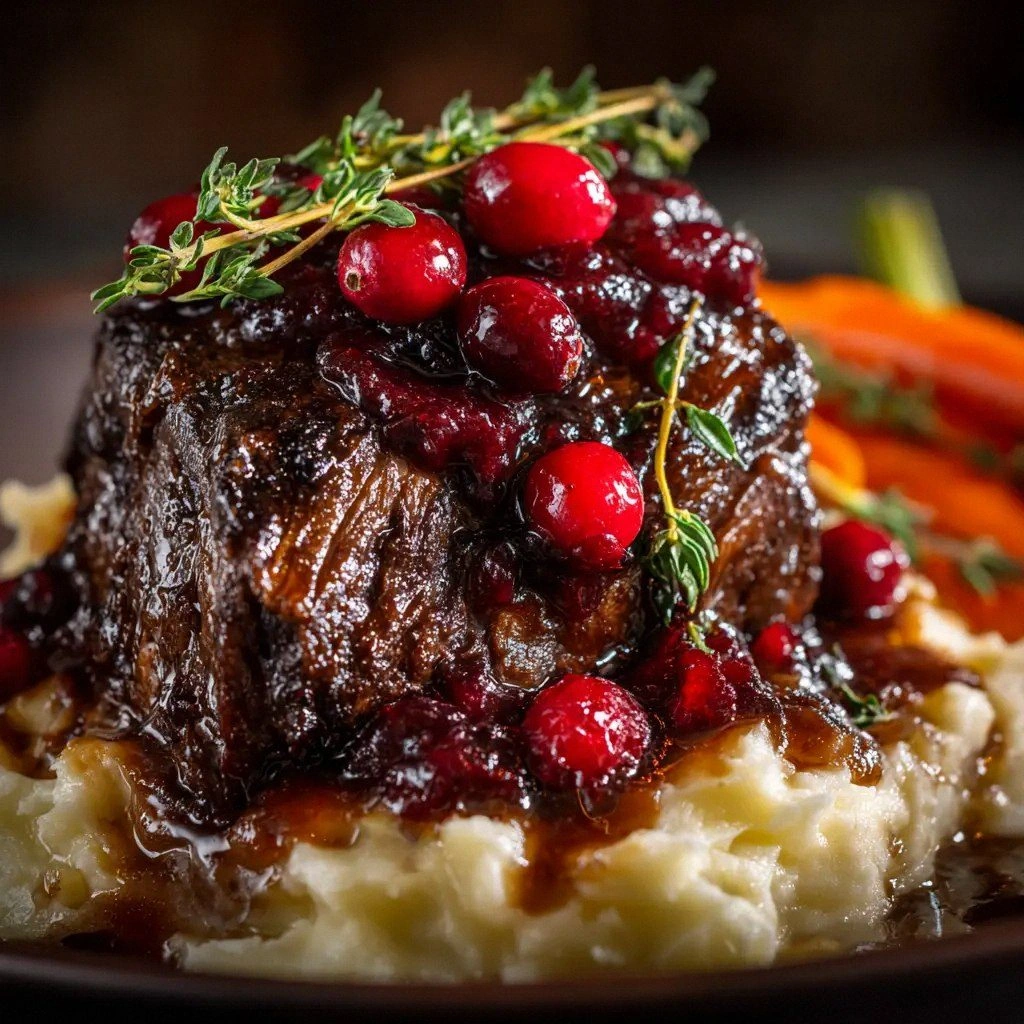
- Step 7: Finish the Sauce – Slice the roast against the grain into ¼‑inch thick slices. Arrange the slices on a platter and drizzle the remaining sauce over the top. The sauce should be glossy and thick enough to cling to each slice. If it’s too thick, add a splash of beef broth to loosen it; if it’s too thin, let it simmer on the stove until it reaches the desired consistency.
- Step 8: Serve and Enjoy – Serve the roast immediately with your favorite sides, such as roasted root vegetables or a simple green salad. The aroma of the caramelized crust and the bright burst of cranberries will fill the kitchen, making the dining experience unforgettable. Take a moment to admire the glossy glaze before you dig in; this is the moment of truth.
That's it — you did it. But hold on, I've got a few more tricks that'll take this to another level…
Insider Tricks for Flawless Results
The Temperature Rule Nobody Follows
While most recipes recommend a high temperature for a quick roast, slow‑roasting at 325°F (165°C) gives the meat the tender texture it deserves. The key is to maintain a steady, low heat that allows collagen to break down into gelatin without drying the meat. I once tried a 400°F roast and ended up with a chewy exterior and a dry interior. Keep the oven at 325°F, and you’ll get that melt‑in‑your‑mouth tenderness every time.
Why Your Nose Knows Best
The aroma of the roasting meat is a reliable indicator of doneness. When the scent shifts from raw to a deep, caramelized fragrance, the roast is nearly ready. Trust your nose; it’s a seasoned chef’s secret weapon. I’ve learned that waiting for the scent to change can save you from over‑cooking the roast.
The 5‑Minute Rest That Changes Everything
Resting the roast for exactly 5 minutes after removing it from the oven is enough to allow the juices to settle, but not so long that the meat starts to cool. This short rest period ensures that the juices redistribute evenly, giving each slice a juicy bite. I’ve seen roasts that rest too long and end up with a slightly dry edge.
Keep the Sauce Thick, Not Thin
If the sauce reduces too much, it can become overly sweet and sticky. Keep a ladle handy to stir the sauce occasionally, preventing it from sticking to the pan. Adding a tablespoon of flour or cornstarch mixed with water toward the end of cooking thickens the sauce without altering the flavor profile.
Use the Right Skillet
A cast‑iron skillet retains heat better than stainless steel, ensuring a consistent sear and a beautiful caramelization. If you don’t have a cast‑iron skillet, a heavy‑bottomed Dutch oven works just fine, especially for the slow‑roast step. The key is even heat distribution to avoid hot spots that can burn the crust.
Creative Twists and Variations
This recipe is a playground. Here are some of my favorite ways to switch things up:
Spicy Cranberry Glaze
Add a pinch of cayenne pepper or a splash of sriracha to the sauce for a subtle heat that balances the sweetness. The spice lifts the flavors and adds a modern twist to the classic roast.
Maple‑Infused Roast
Replace the brown sugar with maple syrup and add a splash of bourbon for a smoky, sweet glaze. The maple brings a caramel depth that pairs beautifully with the cranberries.
Herb‑Crusted Variation
Instead of just seasoning the roast, coat it with a mixture of fresh rosemary, thyme, and chopped parsley before searing. This adds an extra layer of herbaceous flavor and a visually appealing crust.
Vegetarian Version
Swap the beef roast for a large portobello mushroom or a hearty vegetable medley. Keep the cranberry glaze and herbs for a plant‑based take that still delivers on flavor.
Smoked Pineapple Twist
Add sliced fresh pineapple to the pan during the last 30 minutes of roasting. The pineapple’s natural sugars caramelize, adding a tropical sweetness that complements the cranberries.
Storing and Bringing It Back to Life
Fridge Storage
Cool the roast to room temperature, then wrap it tightly in aluminum foil or plastic wrap. Store in the refrigerator for up to 3 days. The glaze will thicken slightly, but it remains flavorful.
Freezer Friendly
After cooling, place the roast in a freezer‑safe container or freezer bag. Label with the date and freeze for up to 2 months. When ready, thaw overnight in the refrigerator.
Best Reheating Method
Preheat the oven to 300°F (150°C). Place the roast on a baking sheet and cover loosely with foil. Warm for 20–25 minutes, adding a splash of beef broth or water to keep the meat moist. The sauce should re‑glaze itself, restoring the original shine.