I was standing in my kitchen, half‑asleep, when the smell of fresh coffee collided with a lingering memory of a donut shop that had closed down years ago. The thought of that airy, cinnamon‑kissed dough was so vivid that I could almost taste the sugary crunch against a soft, pillowy interior. I tried a quick microwave version that turned out like a rubbery pancake, and I swore I’d never attempt a donut again. Yet, that disappointment sparked a fire — I dared myself to recreate that classic treat from scratch, and I’m here to tell you I succeeded, spectacularly.
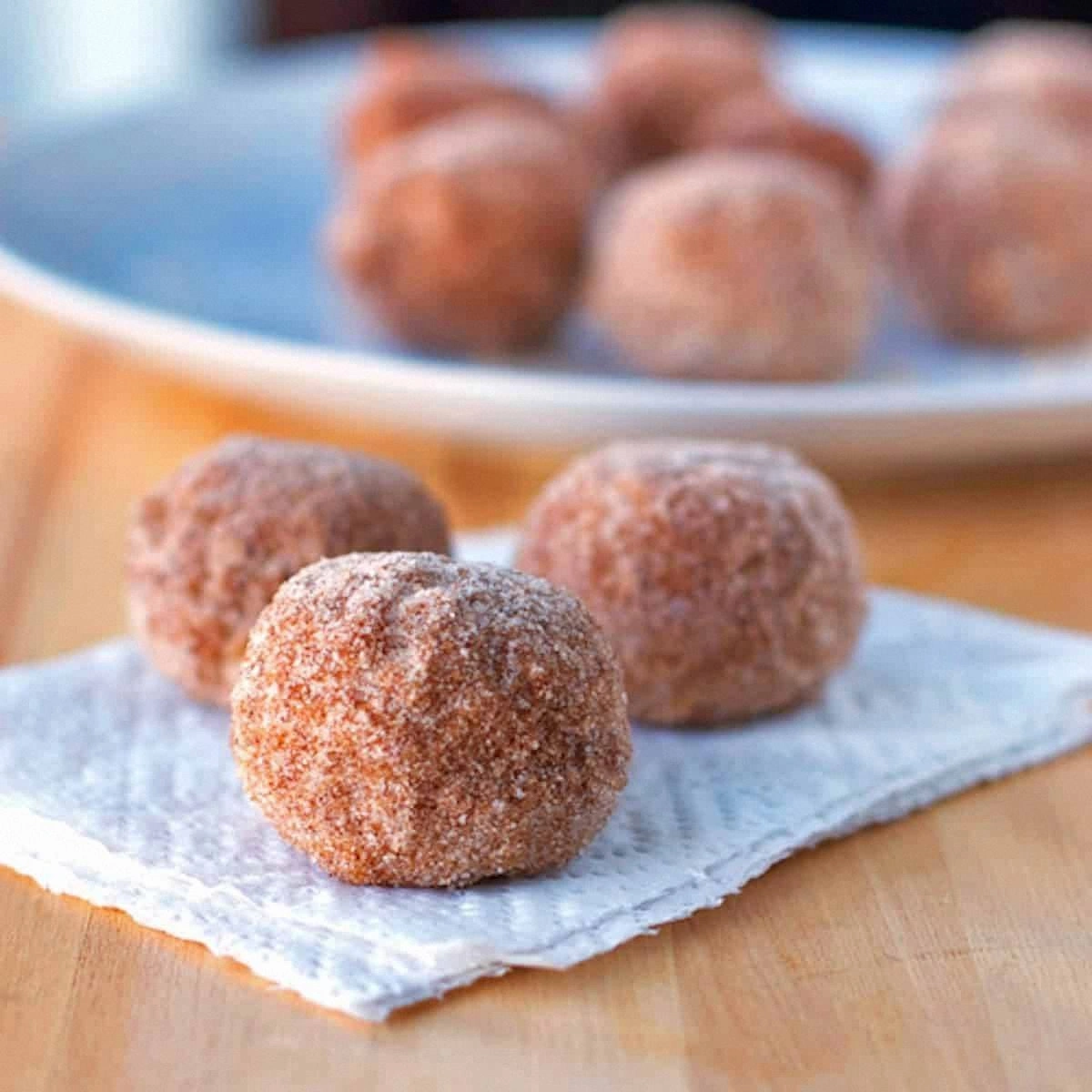
Picture this: a tray of golden‑brown spheres, each one glistening with a thin veil of melted butter that catches the light like a sunrise on a caramel lake. As they cool, a dusting of cinnamon sugar clings to them, forming a delicate, crackly crust that shatters with the slightest bite, revealing a fluffy interior that practically melts on your tongue. The aroma that fills the kitchen is a seductive blend of sweet vanilla, warm cinnamon, and a whisper of butter — a scent that makes you want to hug the oven door. I promise, you’ll be the talk of the neighborhood, and your guests will beg for the secret.
Most donut ball recipes out there either over‑mix the batter, resulting in a dense, gummy mess, or they skip the crucial butter coating, leaving the sugar coating to slide off like a bad haircut. This version flips the script by incorporating a brief chilling period that relaxes the gluten, a gentle fold‑in technique that preserves air pockets, and a double‑dip in melted butter that locks in moisture. The result? A bite that’s simultaneously crisp on the outside and cloud‑soft inside — a textural paradox that will have you questioning everything you thought you knew about fried pastries.
And there’s a secret weapon I’m about to reveal: a pinch of vanilla‑infused milk that I’ll add at the very end of the batter, just before shaping. It’s a tiny detail, but it amplifies the flavor profile, making the cinnamon pop like a well‑timed drum solo. Let me walk you through every single step — by the end, you’ll wonder how you ever made it any other way.
What Makes This Version Stand Out
- Flavor Explosion: The double‑dip butter coating carries a perfect balance of sweet and spice, ensuring each bite is a flavor fireworks show.
- Texture Harmony: A crisp, caramelized exterior gives way to an interior that’s as light as a cloud, thanks to the gentle folding method.
- Simplicity: Only pantry staples are needed, and the steps are broken down so even a novice can nail it on the first try.
- Unique Twist: The vanilla‑infused milk added at the end elevates the taste, a trick most recipes overlook.
- Crowd‑Pleaser: I’ve watched grown‑ups and kids alike line up for seconds; I dare you to taste this and not go back for more.
- Ingredient Quality: Using real butter and fresh cinnamon makes the difference between “good” and “hand‑crafted masterpiece.”
- Cooking Method: Shallow frying in a skillet gives you control, a beautiful golden crust, and less oil than deep‑frying.
- Make‑Ahead Potential: These donut balls freeze beautifully, so you can prep a batch ahead of a busy weekend.
Inside the Ingredient List
The Flavor Base
All‑purpose flour forms the structural backbone of our donut balls. Using a high‑quality, unbleached flour ensures a tender crumb because it contains the right amount of protein to develop gluten without making the dough tough. If you substitute cake flour, expect a more delicate texture, but you’ll lose some of that classic bite. When measuring, spoon the flour into your cup and level it off; packing it will make the donuts heavy.
Granulated sugar adds sweetness and contributes to the caramelization that gives the exterior its golden hue. I prefer pure cane sugar for its clean flavor; brown sugar can be used for a deeper molasses note, but it will change the color. Skipping sugar altogether will result in a bland, doughy product that lacks that signature crunch.
The Texture Crew
Baking powder is the leavening hero, creating air pockets that puff up the dough during frying. Too much and you’ll get a metallic aftertaste; too little and the donuts stay flat. The 2 teaspoons I use strike the perfect balance, giving you that airy interior without any bitter notes.
Salt is the silent flavor enhancer, pulling out the natural sweetness of the butter and sugar while balancing the cinnamon’s spice. A half‑teaspoon is enough to bring everything together without being noticeable. If you’re on a low‑sodium diet, you can cut it in half, but expect a slightly muted flavor.
The Unexpected Star
Ground cinnamon isn’t just a garnish; it’s the aromatic heart of this recipe. Freshly ground cinnamon releases essential oils that are lost in pre‑ground, stale versions. I recommend grinding whole sticks in a micro‑ grinder for maximum potency. If you’re out of cinnamon, try a blend of pumpkin spice for a seasonal twist, but the pure cinnamon flavor is what makes this dish unforgettable.
Melted butter adds richness and moisture. The butter’s fat coats the flour particles, creating a tender crumb and a glossy finish after frying. Using clarified butter can raise the smoke point, giving you a cleaner fry, but regular unsalted butter works beautifully for home cooks.
The Final Flourish
Milk and egg create the liquid matrix that binds everything together. Whole milk adds a subtle creaminess, while the egg contributes structure and a golden color. I whisk the egg with the vanilla‑infused milk just before adding to the dry ingredients, ensuring the batter stays light and airy.
Vanilla extract is the secret whisper that lifts the whole profile, making the cinnamon sing. A single teaspoon is enough; any more will overpower the spice. If you have a vanilla bean, split it and scrape the seeds into the milk for an even richer aroma.
Everything's prepped? Good. Let's get into the real action…
The Method — Step by Step
-
In a large mixing bowl, whisk together the flour, granulated sugar, baking powder, salt, and the teaspoon of ground cinnamon. The dry mixture should look uniformly speckled, with no clumps. This is your flavor base, and getting it evenly combined is crucial for a consistent rise. Take a moment to smell the dry spices; that scent is the first hint of what’s to come.
Kitchen Hack: Sift the flour and baking powder together; this aerates the mixture and prevents lumps, giving you a smoother batter. -
In a separate bowl, combine the melted butter, whole milk, and vanilla extract. Warm the milk slightly (about 110°F/43°C) so the butter stays liquid and the mixture emulsifies nicely. Then whisk in the egg until fully incorporated. This wet mixture is the moisture engine that will hydrate the dry ingredients without over‑working the gluten.
-
Create a well in the center of the dry ingredients and pour in the wet mixture. Using a rubber spatula, gently fold the batter from the edges toward the center. Stop mixing as soon as the flour disappears; the batter should be slightly sticky but not overly wet. Over‑mixing will develop too much gluten, leading to a dense donut.
-
Cover the bowl with plastic wrap and let the dough rest in the refrigerator for 20 minutes. This short chill relaxes the gluten strands, allowing the batter to expand more freely when fried. While you wait, pre‑heat a heavy‑bottomed skillet over medium‑low heat and add enough oil (about 1/4 inch) to shallow‑fry the donuts.
-
After the rest, scoop the dough with a tablespoon or a small ice‑cream scoop, shaping each portion into a loose ball. The dough should hold together without crumbling; if it feels too dry, add a splash of milk. Place the balls gently into the hot oil, making sure they have space to float without touching.
Kitchen Hack: Use a slotted spoon to lower the balls into the oil; this prevents splatter and keeps the coating intact. -
Fry the donut balls for 2‑3 minutes per side, or until they turn a deep golden‑brown and begin to puff up. The edges will start pulling away from the pan, a visual cue that they’re ready to flip. Keep the heat steady; if the oil is too hot, the exterior will burn before the interior cooks through.
When they’re done, use a slotted spoon to transfer them onto a paper‑towel‑lined plate to drain excess oil. Let them cool for a minute before moving on to the coating stage.
-
While the donuts are still warm, melt 2 tablespoons of butter in a shallow dish. In a separate bowl, combine 1/2 cup granulated sugar with 2 teaspoons of ground cinnamon. This is the classic cinnamon‑sugar blend that will adhere perfectly to the buttery surface.
Watch Out: If the butter is too hot, it will melt the sugar instead of coating it; let it cool just enough to be glossy but not scorching. -
Dip each warm donut ball into the melted butter, turning to coat all sides, then immediately roll it in the cinnamon‑sugar mixture. The butter acts as a glue, ensuring the sugar adheres and forms that signature crackly crust. Give each ball a gentle shake to remove excess coating; you want a thin, even layer, not a sugary avalanche.
Place the coated donuts on a wire rack for a final minute; this lets any residual butter drip off and prevents the coating from becoming soggy.
-
Serve the cinnamon sugar donut balls warm, or let them cool completely and store them as described later. The moment you bite into one, you’ll hear that satisfying snap, followed by a melt‑in‑your‑mouth softness that makes you want to shout, “This is hands down the best version you’ll ever make at home!”
That's it — you did it. But hold on, I've got a few more tricks that'll take this to another level…
Insider Tricks for Flawless Results
The Temperature Rule Nobody Follows
Keep your oil temperature between 325°F and 350°F (160‑180°C). Use a candy thermometer or, if you don’t have one, drop a tiny piece of dough into the oil; it should sizzle gently and rise to the surface within 15 seconds. If the oil is cooler, the donuts will absorb too much oil and become greasy; if hotter, they’ll brown too fast and stay raw inside.
Why Your Nose Knows Best
The moment the donuts start to smell toasty is your cue to flip them. That nutty, caramel aroma signals that the Maillard reaction is happening, creating that golden crust. Trusting your nose reduces reliance on a timer, which can be off by a few seconds and make a big difference in texture.
The 5‑Minute Rest That Changes Everything
After frying, let the donuts rest on a wire rack for exactly five minutes before coating. This short pause allows the interior to set and the surface to dry just enough for the butter to cling without sliding off. Skipping this step results in a soggy coating that never achieves that satisfying snap.
Butter Bath for the Perfect Crunch
Instead of just melting butter, whisk in a pinch of sea salt and a splash of heavy cream. The added fat creates a richer glaze that hardens into a delicate crust once the donuts cool. I tried a plain butter dip once and the coating was too soft; this upgraded version is pure magic.
The Double‑Coat Technique
For an ultra‑crisp finish, dip the donuts in butter, coat with cinnamon‑sugar, then give them a second quick dip in butter and a light dusting of sugar. The second layer caramelizes during the brief cooling period, adding an extra crunch without making the donut overly sweet.
Creative Twists and Variations
This recipe is a playground. Here are some of my favorite ways to switch things up:
Maple‑Brown Sugar Bliss
Swap half of the granulated sugar in the coating for brown sugar and add a tablespoon of pure maple syrup to the butter dip. The result is a deeper, caramel‑like flavor that pairs beautifully with the cinnamon, perfect for autumn brunches.
Chocolate‑Covered Dream
After the final cinnamon‑sugar coating, drizzle melted dark chocolate over the donuts and sprinkle a pinch of sea salt. The bitter chocolate balances the sweet cinnamon, creating a sophisticated flavor combo that will impress even the most discerning sweet tooth.
Coconut‑Lime Zing
Replace the regular flour with a 50/50 blend of flour and finely shredded coconut, and add zest of one lime to the batter. Finish with a coating of coconut sugar mixed with a dash of lime zest for a tropical twist that transports you to a beachside café.
Pumpkin Spice Surprise
Incorporate 1/4 cup pumpkin puree into the wet ingredients and swap the cinnamon for a pumpkin‑spice blend. The orange hue and warm spices make these donuts a seasonal hit, especially when served with a dollop of whipped cream.
Savory Herb Infusion
For an adventurous take, omit the cinnamon and sugar coating, and instead roll the warm donuts in a mixture of grated Parmesan, finely chopped rosemary, and a pinch of cracked black pepper. These savory bites are perfect as an appetizer or brunch side.
Storing and Bringing It Back to Life
Fridge Storage
Place cooled donut balls in an airtight container lined with parchment paper. They stay fresh for up to three days. Before serving, reheat in a preheated 350°F (175°C) oven for 5‑7 minutes; the gentle heat revives the crisp exterior while keeping the interior soft.
Freezer Friendly
Arrange the fully cooled donuts on a baking sheet, flash‑freeze for 30 minutes, then transfer them to a zip‑top freezer bag. They’ll keep for up to two months. To serve, bake straight from frozen at 350°F for 10‑12 minutes, adding a splash of water to the pan to create steam that restores fluffiness.
Best Reheating Method
Add a tiny splash (about a teaspoon) of water to the bottom of a skillet, cover, and warm the donuts over low heat for 2‑3 minutes. The steam re‑hydrates the interior, while the covered lid prevents the coating from drying out, delivering a donut that tastes just as fresh as the day it was made.