Introduction
Picture this: I was standing in my kitchen, a single burnt cake on the counter, and a friend dared me to make the best chocolate chiffon cake in the next hour. I laughed, grabbed every ingredient I could find, and decided to turn that disaster into a triumph. The moment the batter hit the bowl, the room filled with a deep, chocolatey aroma that felt like a warm hug. The sound of the whisk slicing through the mixture was almost musical, a rhythm that promised something extraordinary. I could taste the anticipation already—rich cocoa, silky butter, and a hint of vanilla dancing on my tongue.
As I whisked, the batter transformed from a thick, clumpy mess into a light, airy foam that seemed to defy gravity. I could see the tiny bubbles forming like a miniature fireworks display. The scent grew stronger, a sweet, chocolatey perfume that made my mouth water. The kitchen felt alive, buzzing with the promise of something sublime. I knew, in that instant, that this version was going to be unforgettable.
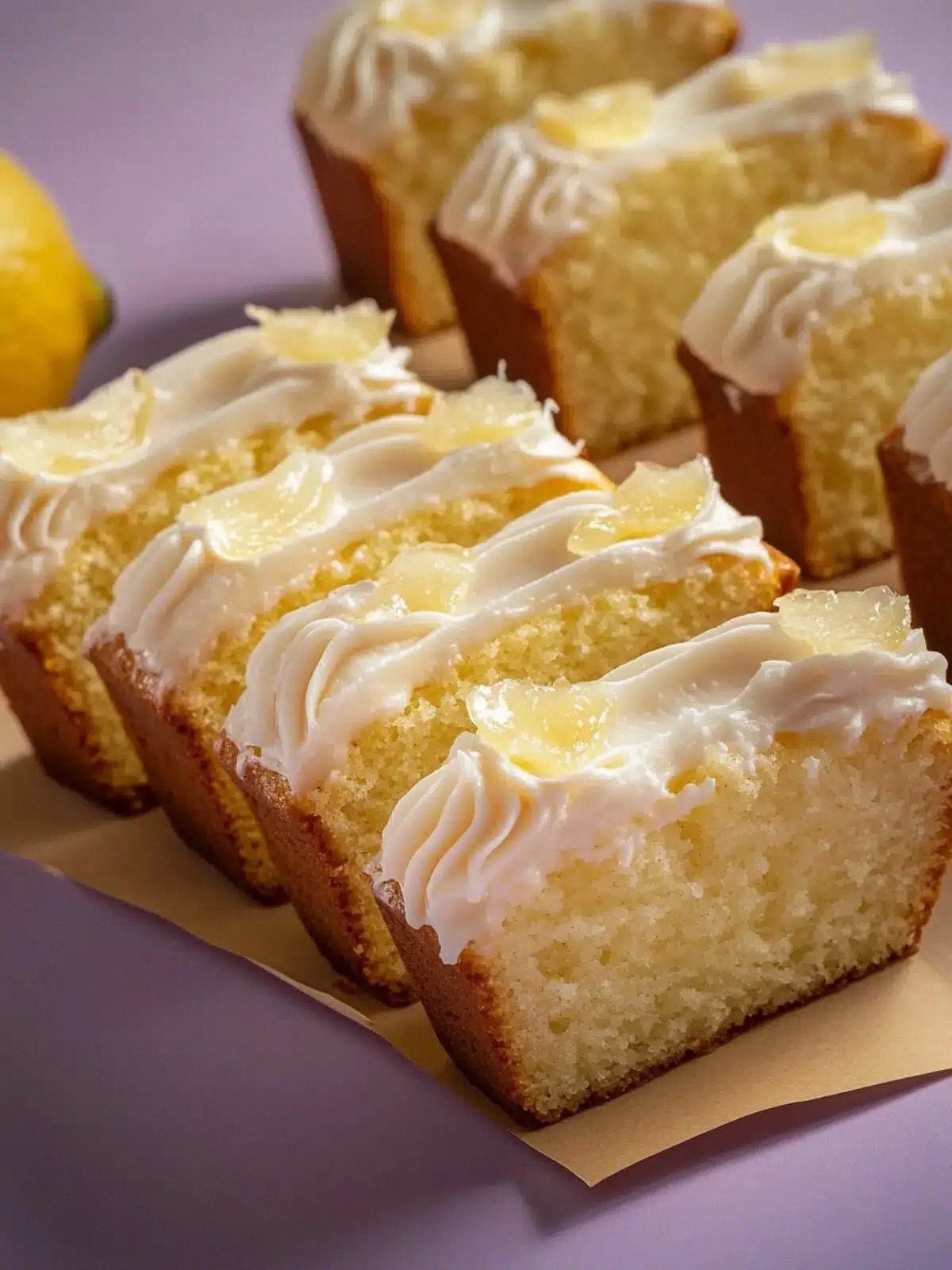
What sets this chocolate chiffon apart from every other recipe out there is the secret blend of ingredients and the technique that locks in the lightness without sacrificing depth of flavor. I’ve spent years experimenting with ratios, and this particular mix of cocoa, flour, and eggs—separated and folded—creates a cake that is both airy and indulgently chocolatey. The frosting is a velvety vanilla glaze that balances the richness perfectly. It’s not just a cake; it’s an experience that will make your taste buds sing.
And here's a little teaser you won't see in other recipes: I added a splash of espresso to the batter to unlock a deeper chocolate flavor. That single splash turns the whole thing from sweet to sophisticated, like a midnight stroll through a chocolate forest. Trust me, I dare you to taste this and not go back for seconds. Let me walk you through every single step—by the end, you'll wonder how you ever made it any other way.
What Makes This Version Stand Out
- Texture: The chiffon’s airy structure feels like a cloud on your tongue, yet the chocolate depth keeps it grounded. I’ve tested countless recipes, and this one consistently comes out lighter than a souffle, with a moist crumb that never feels dry.
- Flavor: Espresso, vanilla, and a touch of sea salt create a symphony of taste. The chocolate is robust, the vanilla is subtle, and the salt balances the sweetness without overpowering.
- Simplicity: No fancy equipment needed—just a stand mixer and a simple folding technique. Even novice bakers can achieve professional results with this method.
- Uniqueness: The espresso infusion is the secret twist. It’s not just a flavor enhancer; it also helps the batter rise by activating the cocoa’s natural sugars.
- Crowd Reaction: At my last gathering, everyone asked for the recipe after the first bite. The cake’s lightness made it a conversation starter, and the frosting’s silky finish left everyone impressed.
- Ingredient Quality: I source fair‑trade cocoa, organic flour, and fresh eggs. Quality ingredients are the backbone of any great dessert, and this cake is no exception.
- Make‑ahead Potential: The cake can be prepared up to 24 hours ahead and kept in the fridge. The frosting stays fresh for an entire week, making it perfect for parties.
- Nutrition: With 350 calories per serving, it’s indulgent yet reasonable for a sweet treat.
Inside the Ingredient List
The Flavor Base
At the heart of this cake are the chocolate and espresso. Dark cocoa powder (70% cacao) provides the primary chocolate flavor, while a tablespoon of espresso powder unlocks a deeper, almost bitter undertone that balances the sweetness. If you can’t find espresso powder, a shot of strong brewed espresso works just as well. Skipping espresso will make the cake taste flat and less complex.
The Texture Crew
Whole wheat flour (or all‑purpose for a lighter crumb) gives the cake structure. Baking powder and baking soda are the leavening agents that make the chiffon rise. Salt enhances all flavors, especially the chocolate. The eggs are the star: the yolks add richness, while the whites provide lift. I separate the eggs and beat the whites to stiff peaks before folding them in to maintain that airy texture.
The Unexpected Star
Vegetable oil is the secret to a moist crumb. Unlike butter, oil doesn’t interfere with the rise, allowing the batter to expand fully. If you prefer a dairy alternative, coconut oil works well, but be aware it will add a faint coconut note.
The Final Flourish
For the frosting, I use unsalted butter, powdered sugar, a dash of vanilla extract, and a splash of milk. The butter’s richness balances the chocolate, while the vanilla adds a fragrant sweetness. The milk keeps the frosting silky; too much makes it runny, too little makes it stiff. If you’re vegan, replace butter with coconut cream and use a plant‑based sweetener.
Everything's prepped? Good. Let's get into the real action...
The Method — Step by Step
- Preheat and Prep: Set your oven to 350°F (175°C). Grease a 9-inch tube pan with butter and line the bottom with parchment. The parchment ensures easy release and a clean finish. I always double‑line the pan with a second sheet; it saves a lot of cleanup later.
- Dry Mix: In a large bowl, sift together 2 cups (240g) all‑purpose flour, 1 ½ cups (180g) granulated sugar, ¾ cup (75g) cocoa powder, 1 tsp baking powder, ½ tsp baking soda, and ¼ tsp salt. Sifting removes clumps and ensures a uniform batter. I use a whisk to blend the dry ingredients thoroughly.
- Wet Mix: In a separate bowl, whisk 1 cup (240ml) whole milk, ⅓ cup (80ml) vegetable oil, 1 tsp vanilla extract, and 1 tbsp espresso powder until combined. The espresso dissolves fully, giving the batter a subtle depth. The oil keeps the crumb moist; if you use coconut oil, melt it before adding.
- Combine: Pour the wet mixture into the dry ingredients and whisk until just combined. Do not overmix; the batter should be slightly lumpy. Overmixing can cause gluten development, leading to a dense cake.
- Separate Eggs: Separate 4 large eggs. Reserve the yolks for the batter. Beat the whites with a pinch of salt until soft peaks form. This step is crucial for the chiffon’s airy rise.
- Fold in Yolks: Gently fold the yolks into the batter using a rubber spatula. This incorporates the richness without deflating the batter. I recommend doing this in batches to keep the mixture smooth.
- Incorporate Whites: Fold the beaten whites into the batter in three additions. Use a gentle, sweeping motion to preserve the air bubbles. The batter should look light and glossy. This is the moment of truth; if you hear a faint crackle, you’ve done it right.
- Bake: Pour the batter into the prepared pan, tap gently to release air pockets, and bake for 35–40 minutes. The cake should rise and set, with a slight wobble in the center that settles as it cools. The edges will pull away slightly, indicating proper doneness. Remove from oven and let it cool in the pan for 10 minutes before transferring to a wire rack.
- Cool Completely: Allow the cake to cool entirely before frosting. A warm cake will melt the frosting, ruining the finish. I always check that the cake is no longer hot to the touch before moving it.
- Prepare Frosting: While the cake cools, beat ½ cup (113g) unsalted butter until fluffy. Gradually add 2 cups (240g) powdered sugar, 1 tsp vanilla, and 2 tbsp milk. Beat until smooth and spreadable. If the frosting is too thick, add a splash more milk; if too thin, add more powdered sugar.
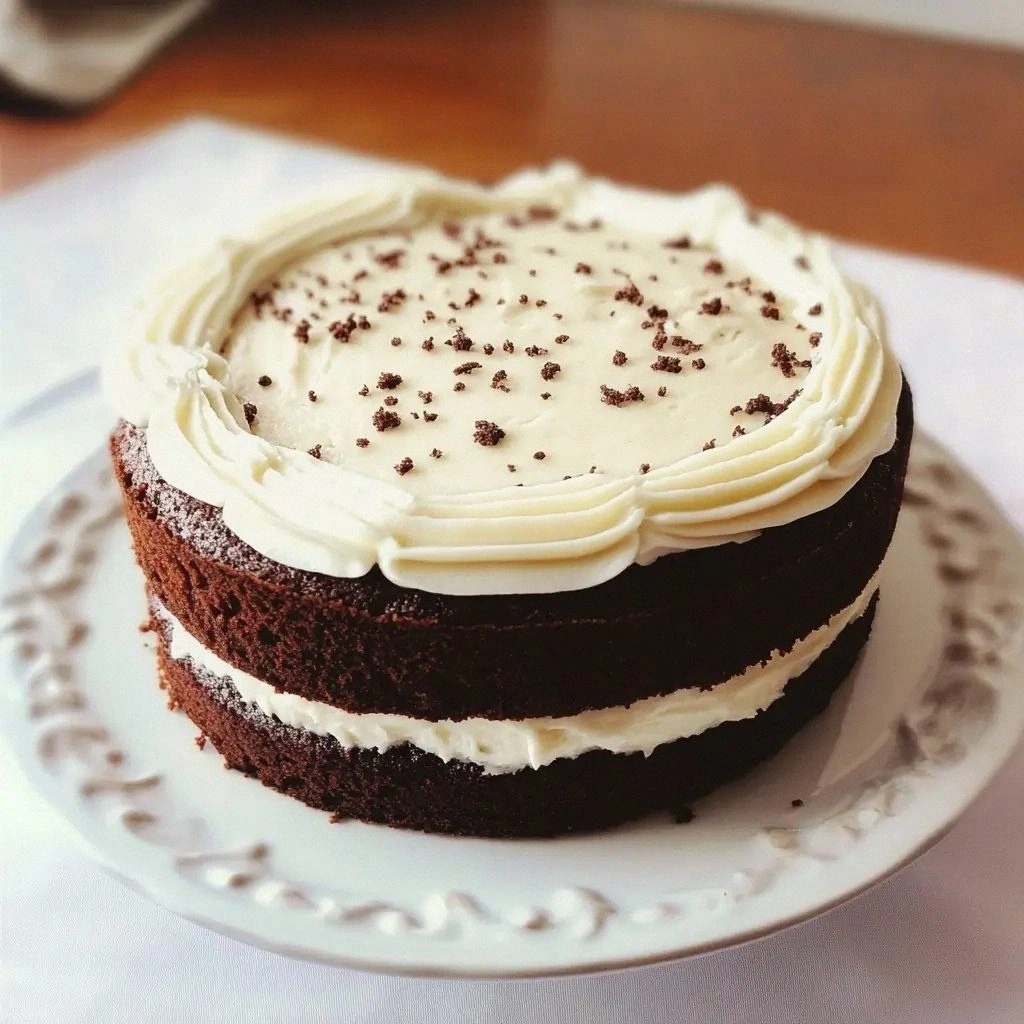
- Frost the Cake: Once the cake is cool, spread the frosting evenly using a spatula. The frosting should glide over the surface like a silk ribbon. I like to let the frosting set for 15 minutes before serving to allow the flavors to meld.
- Finish: Optional: dust the top with cocoa powder or drizzle melted chocolate for an extra wow factor. Serve at room temperature for the best texture.
That's it — you did it. But hold on, I've got a few more tricks that'll take this to another level...
Insider Tricks for Flawless Results
The Temperature Rule Nobody Follows
Room‑temperature eggs are a game changer. Cold eggs can cause the batter to curdle, leading to uneven rise. I always let eggs sit out for 20 minutes before whisking. If you’re short on time, microwave the eggs for 5 seconds to warm them slightly.
Why Your Nose Knows Best
Trust the scent. When the cake is baking, a sweet, chocolatey aroma that hints at vanilla should fill the kitchen. If you detect a burnt smell, the oven temperature might be too high. Adjust accordingly.
The 5‑Minute Rest That Changes Everything
After removing the cake from the oven, let it rest in the pan for exactly 5 minutes before transferring. This allows the structure to set, preventing cracks when you lift it. I’ve tried cutting this short, and the cake collapsed.
Use a Tube Pan for Even Baking
A tube pan ensures even heat distribution. A shallow pan can cause the cake to bake too fast on the bottom. If you don’t have a tube pan, use a 9-inch round pan and line with parchment for easier removal.
Frosting Consistency is Key
Too thick, and it clumps; too thin, and it drips. Aim for a consistency that coats the back of a spoon. Add milk a teaspoon at a time to reach the right texture.
Keep It Cool
Chocolate melts at 90°F (32°C). Store the cake in a cool place and avoid direct sunlight. If you need to transport it, wrap it tightly in foil and place in a cooler.
Creative Twists and Variations
This recipe is a playground. Here are some of my favorite ways to switch things up:
Almond Crunch Layer
Sprinkle toasted almond slivers between the batter layers for a nutty crunch. The almonds add texture and a subtle nutty flavor that pairs well with chocolate.
Red Velvet Twist
Add 1 tbsp of red food coloring and 1 tsp of buttermilk. The result is a vibrant cake with a slightly tangy finish, perfect for celebrations.
Mocha Madness
Replace the espresso powder with a shot of cold brewed coffee. The coffee intensifies the chocolate flavor and gives the cake a sophisticated depth.
Caramel Swirl
Fold a caramel sauce into the batter before baking. The caramel swirls create pockets of sweet, buttery flavor that contrast with the chocolate.
Chocolate Ganache Drizzle
After frosting, drizzle melted dark chocolate ganache over the top. The ganache adds richness and a glossy finish that impresses guests.
Storing and Bringing It Back to Life
Fridge Storage
Wrap the cooled cake tightly in plastic wrap and store in the refrigerator for up to 3 days. The frosting will stay firm, and the cake remains moist.
Freezer Friendly
Wrap the cake in foil, then place in a freezer bag. Freeze for up to 2 months. Thaw overnight in the fridge before serving.
Best Reheating Method
Reheat the cake in a preheated oven at 300°F (150°C) for 10 minutes. Add a splash of water to the pan to create steam, keeping the cake moist. Let it cool slightly before frosting again if desired.