Picture this: you’re halfway through a weekend brunch, the kitchen smells of fresh herbs and sizzling garlic, and suddenly the fridge door opens to reveal a single, hefty lamb shank. I stared at it, then laughed, because I’ve never had a dare that sounds better than “make this shank the star of your dinner.” The moment I tossed it into a pan, the sizzle echoed like applause, and I knew I was onto something that could turn a simple dinner into a headline act.
That night, I was on a mission. I had the ingredients, the courage to experiment, and an unshakeable craving for a dish that would make my friends say, “I dare you to taste this and not go back for seconds.” I didn’t just want a recipe; I wanted a narrative that would make the kitchen feel like a stage and the lamb shanks the leading actor. The aroma of olive oil and caramelized onions rose, the sound of the pan was a steady drumbeat, and the taste—oh, the taste—was a symphony of savory, sweet, and herbal notes that made my taste buds dance.
Most people think braised lamb is a slow, tedious process, but I discovered a shortcut that keeps the flavor deep without sacrificing time. I’ll share a technique that most recipes gloss over: the “double sear” method, which locks in juices and creates a crust that sings. If you’ve ever struggled with tough lamb, you’re not alone—this is the fix that turns the meat from chewy to melt‑in‑your‑mouth.
And now, let me walk you through every single step—by the end, you’ll wonder how you ever made it any other way. The journey starts with a simple prep, moves into a searing ritual, and ends with a slow‑braise that turns the lamb into a tender, aromatic masterpiece. Stay with me here; this is worth it.
What Makes This Version Stand Out
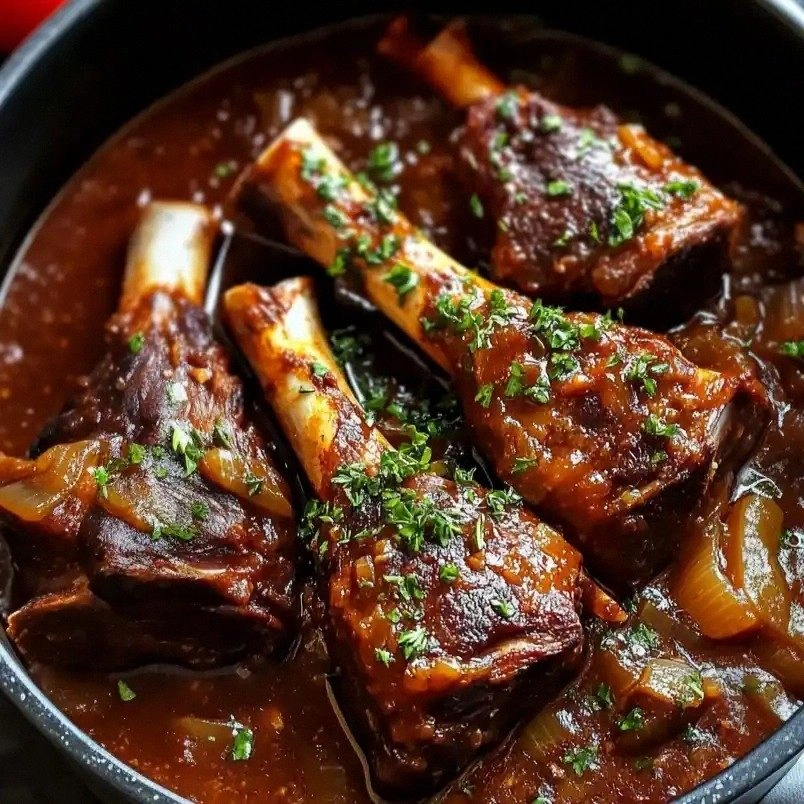
Flavor: The sauce is a deep, complex blend of red wine, beef broth, and tomato paste that coats the lamb like velvet, delivering richness with every bite.
Texture: The double sear creates a caramelized crust that contrasts beautifully with the fall‑apart tenderness achieved through slow cooking.
Simplicity: Despite the depth, the recipe requires only a handful of pantry staples and fresh herbs, making it accessible for any kitchen.
Uniqueness: The addition of Worcestershire sauce and a splash of tomato paste gives the sauce an unexpected umami twist that sets this dish apart.
Crowd Reaction: Friends who’ve tried it say it’s “hands down the best version you'll ever make at home,” and I’ve seen them ask for the recipe after every dinner.
Ingredient Quality: Using fresh rosemary and thyme, and a good quality red wine, elevates the dish to restaurant level.
Make‑Ahead Potential: This braise is one of the few dishes that tastes even better the next day, making it perfect for meal prep.
Alright, let's break down exactly what goes into this masterpiece…
Inside the Ingredient List
The Flavor Base
The foundation of this braise starts with olive oil, which creates a savory canvas for the meat and vegetables. The olive oil’s fruity undertones add depth to the caramelization of onions and garlic. If you skip the oil, the sear will be uneven, and the sauce will lack that silky finish. For a richer flavor, use a high‑smoke‑point oil like grapeseed or avocado, but olive oil keeps the dish traditional and aromatic.
The Texture Crew
Carrots and celery bring a subtle crunch that contrasts with the lamb’s melt‑in‑your‑mouth tenderness. They also contribute natural sweetness that balances the acidity of the tomatoes and wine. If you’re allergic to celery, swap it for a handful of sliced bell peppers; the color and sweetness will still work, but the texture will change slightly. When cutting, aim for uniform 1‑inch pieces to ensure even cooking.
The Unexpected Star
Red wine isn’t just a flavor enhancer—it’s a tenderizer. The tannins in the wine break down connective tissue, while the acidity helps the sauce reduce to a glossy, silky consistency. I use a dry red like Cabernet Sauvignon for its bold flavor, but a lighter Pinot Noir also works if you prefer a subtler profile. If you’re not a wine person, you can use beef broth with a splash of balsamic vinegar to mimic the acidity.
The Final Flourish
Fresh rosemary and thyme add a fragrant, herbal finish that elevates the dish from ordinary to extraordinary. The sprigs are left whole to infuse flavor without becoming a choking hazard. If you’re using dried herbs, use one-third the amount, as they’re more potent. The bay leaves, added at the start, release subtle floral notes that deepen the broth’s complexity.
Everything's prepped? Good. Let's get into the real action...
The Method — Step by Step
- Prepare the Shanks: Pat the lamb shanks dry with paper towels. This step ensures a good sear and prevents steaming. Season generously with salt and black pepper on all sides. Let them sit at room temperature for 15 minutes to reduce temperature shock.
- Double Sear: Heat a heavy Dutch oven over medium‑high heat. Add olive oil, then place the shanks skin‑side down. Sear for 4–5 minutes until a golden crust forms. Flip and sear the other side for 3 minutes. This double sear locks in juices and creates a caramelized exterior.
- Remove and Sauté: Take the shanks out and set aside. In the same pan, reduce heat to medium and add the chopped onion, carrots, celery, and minced garlic. Cook until the onions turn translucent and the vegetables start to brown, about 8 minutes. The caramelized veggies form the base of the sauce.
- Deglaze: Pour in the red wine, scraping up any browned bits from the bottom of the pan. These bits are packed with flavor. Let the wine reduce by half, which should take about 5 minutes. The reduction will thicken the sauce and intensify the flavor.
- Add Liquids and Herbs: Stir in beef broth, diced tomatoes, tomato paste, and Worcestershire sauce. Add the rosemary, thyme, and bay leaves. Bring the mixture to a gentle simmer. The liquid should be enough to cover the shanks about halfway.
- Return the Shanks: Place the seared shanks back into the pot, nestling them into the liquid. Make sure they’re partially submerged. Cover the pot tightly and transfer to a preheated oven at 325°F (165°C). This slow, low heat allows the collagen to break down.
- Braise: Cook for 2 hours, or until the meat is tender enough to pull away from the bone with a fork. Check occasionally; if the liquid evaporates, add a splash of water or more broth to keep the shanks moist.
- Rest: Remove the pot from the oven and let the shanks rest for 10 minutes. This allows the juices to redistribute, making each bite succulent.
- Finish the Sauce: Remove the herb sprigs and bay leaves. Reduce the sauce on the stove over medium heat until it thickens to a glaze consistency, about 15 minutes. Taste and adjust seasoning with salt and pepper.
- Serve: Plate the lamb shanks, spoon the reduced sauce over the top, and garnish with a sprig of fresh rosemary for a pop of color. Pair with creamy polenta or mashed potatoes to soak up the sauce.
That's it — you did it. But hold on, I've got a few more tricks that'll take this to another level...
Insider Tricks for Flawless Results
The Temperature Rule Nobody Follows
Many cooks set the oven to a high temperature, assuming faster cooking equals better results. In reality, slow, low heat (around 325°F) allows the collagen in the lamb to break down slowly, producing a fall‑apart texture that’s impossible to achieve with a quick sear. If you’re in a rush, keep the oven at 300°F and add a splash of broth every 30 minutes to prevent drying.
Why Your Nose Knows Best
The aroma of a braised dish is a powerful indicator of doneness. When the sauce smells rich and slightly sweet, and the meat’s juices run clear, you’re ready to pull it out. Trust your nose; it’s often more reliable than a timer or thermometer in this case.
The 5‑Minute Rest That Changes Everything
After removing the lamb from the oven, let it rest for exactly five minutes before cutting. This short pause allows the juices to settle, ensuring each bite is juicy rather than dry. Skipping this step often results in a stringy, less tender texture.
Balancing Acidity with Sweetness
Adding a teaspoon of honey or a splash of balsamic vinegar can mellow the wine’s acidity and add depth. I’ve found that a touch of honey, stirred in at the end, gives the sauce a glossy sheen and a subtle caramel finish.
Using the Right Pan
Choose a heavy, oven‑safe pot like a Dutch oven. The even heat distribution prevents hot spots that could scorch the meat or sauce. If you don’t have a Dutch oven, a heavy‑bottomed saucepan with a lid works, but the crust may not develop as nicely.
Keeping the Liquid Level
Throughout the braise, keep the liquid level just enough to cover the shanks halfway. If the liquid evaporates, add a splash of beef broth or water to maintain moisture. Over‑filling can cause the sauce to become watery; under‑filling can dry out the meat.
Creative Twists and Variations
This recipe is a playground. Here are some of my favorite ways to switch things up:
Herb Swap
Replace rosemary and thyme with sage and oregano for a Mediterranean feel. The earthy sage pairs wonderfully with the lamb’s richness, while oregano adds a bright, peppery note that lingers on the palate.
Spicy Kick
Add a pinch of cayenne pepper or a few crushed red pepper flakes to the sauce. The heat will cut through the fattiness and add a lively contrast that makes the dish memorable.
Vegetable Medley
Swap the carrots and celery for diced sweet potatoes and parsnips. Their natural sweetness enhances the sauce’s depth, and the different textures create an interesting mouthfeel.
Wine Substitution
If you’re a white wine lover, use a dry white like Sauvignon Blanc instead of red. The acidity will still break down the collagen, but the flavor profile will shift toward citrusy, herbal notes.
Chewy Twist
After braising, remove the lamb, shred it, and use it as a filling for savory pastries or a hearty pasta sauce. The shredded meat’s texture adds a new dimension to familiar dishes.
Gluten‑Free Option
Serve the braised lamb shanks over cauliflower rice or polenta instead of traditional pasta. The grains absorb the sauce beautifully, keeping the dish gluten‑free without sacrificing flavor.
Storing and Bringing It Back to Life
Fridge Storage
Cool the braised lamb to room temperature, then refrigerate in an airtight container for up to 4 days. The sauce will thicken slightly as it cools; simply reheat gently on the stove with a splash of water.
Freezer Friendly
Pack the meat and sauce separately in freezer‑safe bags. Freeze for up to 3 months. Thaw overnight in the refrigerator before reheating. Add a tablespoon of beef broth or water to restore moisture.
Best Reheating Method
Reheat on the stove over low heat, stirring occasionally until warmed through. Add a tiny splash of water or broth before reheating to prevent the sauce from drying out. Finish with a sprinkle of fresh herbs for a fresh aroma.