
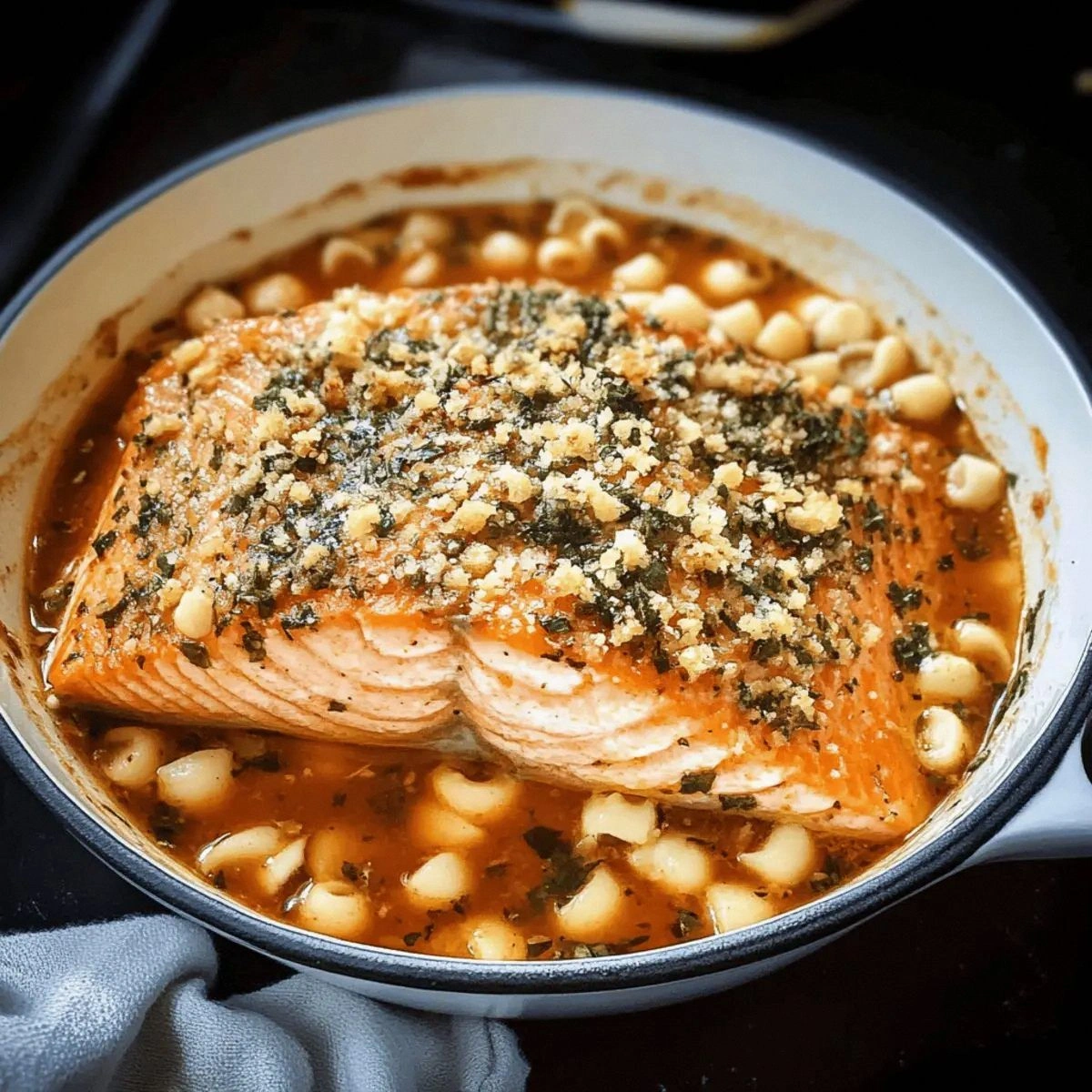
Picture this: I’m standing in my kitchen, a bag of salmon in my hand, and a friend’s “I dare you to taste this and not go back for seconds” challenge hanging in the air like a dare. The fish smells like the ocean on a windy day, the herbs promise a green burst, and the citrus zest is practically shouting, “I’m here to brighten everything!” I remember the last time I tried a salmon recipe that felt like a bland, over‑cooked casserole—my taste buds were begging for rescue. That disaster set me on a mission to create a version that would make every other recipe feel like a distant memory. The result? A crust that’s crisp enough to crack like thin ice, a flaky interior that’s practically a buttery dream, and a lemony brightness that lingers long after the last bite. If you’ve ever struggled to get salmon that’s both juicy and flavorful, you’re not alone, and I’ve got the fix. This is hands down the best version you’ll ever make at home, and I’ll walk you through every single step—by the end, you’ll wonder how you ever made it any other way.
What Makes This Version Stand Out
Flavor: The herb blend is a symphony of fresh parsley and dill, amplified by garlic’s punch and a splash of lemon zest that keeps the dish bright and lively.
Texture: The crust forms a golden, almost flaky shell that protects the tender fish inside, creating a satisfying contrast with each bite.
Freshness: Using fresh herbs and lemon wedges ensures the dish feels alive, like a garden in a bowl.
Speed: Prep takes only 15 minutes, while cooking is a quick 12‑14 minutes—perfect for weeknight dinners.
Versatility: It pairs beautifully with a crisp salad, roasted vegetables, or even a simple quinoa pilaf.
Make‑ahead: The herb crust can be pre‑made and stored in the fridge for up to 24 hours, saving you time later.
Nutrition: Packed with omega‑3 fatty acids, lean protein, and minimal carbs, it’s a clean, balanced meal.
Alright, let's break down exactly what goes into this masterpiece…
Inside the Ingredient List
The Flavor Base
Fresh parsley and dill are the heart of this recipe. Parsley adds a clean, slightly peppery note, while dill contributes a subtle sweetness that pairs wonderfully with fish. Together they form a vibrant green paste that coats the salmon and creates a fragrant, herbaceous crust. Skipping them would leave the dish feeling flat and uninspired; the herbs are the secret sauce that elevates the flavor profile.
The Texture Crew
Olive oil is the binder that turns the herbs into a smooth paste, giving the crust a crisp, golden finish when baked. A pinch of salt enhances each herb’s natural taste and helps the oil emulsify. The lemon wedges placed on top during baking not only add a subtle citrus brightness but also keep the fillets moist, preventing them from drying out. If you’re watching sodium, you can reduce the salt to a pinch or use a low‑sodium seasoning blend.
The Unexpected Star
Garlic, while a classic, is often underappreciated in salmon recipes. The minced cloves infuse the crust with a warm, aromatic depth that balances the sharpness of the lemon zest. If you’re not a fan of raw garlic, roast a clove until soft before mincing for a milder flavor. Garlic also offers antioxidant benefits, making this dish both delicious and health‑fulfilling.
The Final Flourish
Lemon zest is the finishing touch that brightens every bite. It provides a bright, citrusy zing that cuts through the richness of the fish and oil, leaving a lingering freshness on the palate. If you can’t find fresh lemons, a small splash of lemon juice will suffice, but the zest’s aromatic oils are irreplaceable. A generous squeeze of lemon wedges before serving adds a final burst of acidity, balancing the dish.
Everything's prepped? Good. Let's get into the real action…
The Method — Step by Step
- Preheat and Prep: Heat your oven to 425°F (220°C). Pat the salmon fillets dry with paper towels—dryness is the enemy of crispness. Season both sides lightly with salt and black pepper, then set aside. This step is the foundation; if you skip it, the crust will not hold.
- Create the Herb Paste: In a small bowl, combine the finely chopped parsley, dill, minced garlic, and lemon zest. Add the olive oil and a pinch of salt. Stir until a thick, cohesive paste forms. The oil should coat the herbs, binding them into a paste that will adhere to the fish.
- Coat the Fillets: Spread the herb paste generously over each fillet, pressing it into the surface so it clings. The crust should cover the fillet evenly, creating a uniform golden layer once baked.
- Arrange on Baking Sheet: Line a rimmed baking sheet with parchment paper or a silicone mat. Place the fillets skin-side down, leaving space between them. Squeeze the lemon wedges over the fillets, then place the wedges on top—this will keep the fish moist and add extra citrus aroma.
- Bake: Slide the sheet into the preheated oven. Bake for 12–14 minutes, or until the salmon flakes easily with a fork and the edges turn a golden brown. The crust should crackle slightly, giving you that satisfying snap.
- Rest: Remove the fillets from the oven and let them rest for 3 minutes. Resting allows the juices to redistribute, keeping the fish moist.
- Plate: Transfer the fillets to plates, garnish with a few extra parsley or dill leaves if desired, and squeeze a final splash of fresh lemon juice over the top. Serve immediately with your choice of side.
That's it — you did it. But hold on, I've got a few more tricks that'll take this to another level...
Insider Tricks for Flawless Results
The Temperature Rule Nobody Follows
Many people bake salmon at 400°F, but 425°F gives a better crust. The higher heat caramelizes the herbs quickly, sealing in moisture and creating that satisfying snap. If your oven runs hot, reduce the temperature by 25°F to avoid burning.
Why Your Nose Knows Best
Before you pull the fillets out, give them a sniff. A subtle citrus aroma and the faint scent of toasted herbs signal that the crust is just right. If the smell is flat, let them bake a minute longer.
The 5‑Minute Rest That Changes Everything
Resting the salmon for 5 minutes after baking allows the internal juices to redistribute. This small window keeps the fish moist and tender, preventing the center from drying out when you slice into it.
Use Fresh, Not Frozen
Fresh salmon offers a cleaner flavor and better texture. If you must use frozen fillets, thaw them completely and pat them dry before seasoning. Frozen fish can release excess moisture, leading to a soggy crust.
Add a Splash of Wine
If you enjoy a touch of sophistication, drizzle a tablespoon of dry white wine over the fillets before baking. The wine evaporates, leaving a subtle depth that complements the herbs.
Creative Twists and Variations
This recipe is a playground. Here are some of my favorite ways to switch things up:
Asian Fusion
Swap the parsley and dill for fresh cilantro and add a tablespoon of toasted sesame oil to the paste. Sprinkle toasted sesame seeds on top before baking for a nutty crunch.
Mediterranean Medley
Replace lemon zest with orange zest, add a pinch of smoked paprika, and finish with a drizzle of extra‑virgin olive oil. Pair with a cucumber‑tahini salad for a balanced plate.
Herb‑Glazed
Mix the herb paste with a tablespoon of honey or maple syrup before coating the fillets. The glaze caramelizes in the oven, creating a sweet‑savory finish.
Spicy Kick
Add a teaspoon of crushed red pepper flakes to the herb paste and a squeeze of lime juice before baking. The heat will contrast beautifully with the mild fish.
Crispy Skin
Pat the skin side dry, then rub a thin layer of olive oil and a pinch of salt onto it before baking. The skin will crisp up like a golden cookie, adding a delightful crunch.
Storing and Bringing It Back to Life
Fridge Storage
Cool the cooked fillets to room temperature, then cover tightly with plastic wrap or place in an airtight container. Store in the refrigerator for up to 2 days. The herb crust may soften slightly but the flavor remains intact.
Freezer Friendly
Wrap each fillet individually in parchment paper, then place them in a freezer bag. Freeze for up to 3 months. Thaw overnight in the fridge before reheating.
Best Reheating Method
Reheat in a 350°F (175°C) oven for 5–7 minutes, or until warmed through. Add a tiny splash of water or a drizzle of olive oil before covering with foil to keep the fish moist. The crust will soften, but the interior remains juicy.