I was standing in the middle of a chaotic kitchen, the timer ticking, the air thick with the scent of melted cheese and a faint hint of hops. My friends had dared me to create a dip that could make their taste buds dance, and I was determined to deliver a version that would leave them begging for more. I grabbed a bottle of amber‑gold beer, a block of sharp cheddar, and a handful of spices, and I promised myself I would not settle for anything less than extraordinary.
Picture this: a bubbling pot on the stove, the sound of milk and beer mingling, the golden swirl of melted cheese coating the surface like velvet. The aroma rises, a savory, yeasty perfume that makes the entire house smell like a cozy pub. Your fingertips feel the warmth of the pan, the heat radiating through the metal, while the anticipation builds with every swirl.
What makes this recipe stand out is not just the combination of flavors, but the way each element is orchestrated to create a texture that’s creamy, slightly chunky, and utterly irresistible. I dare you to taste this and not go back for seconds, because once you experience that perfect balance of sharp cheddar, smooth cream cheese, and the subtle bite of cayenne, you’ll be hooked. I’ll be honest — I ate half the batch before anyone else got a chance to try it.
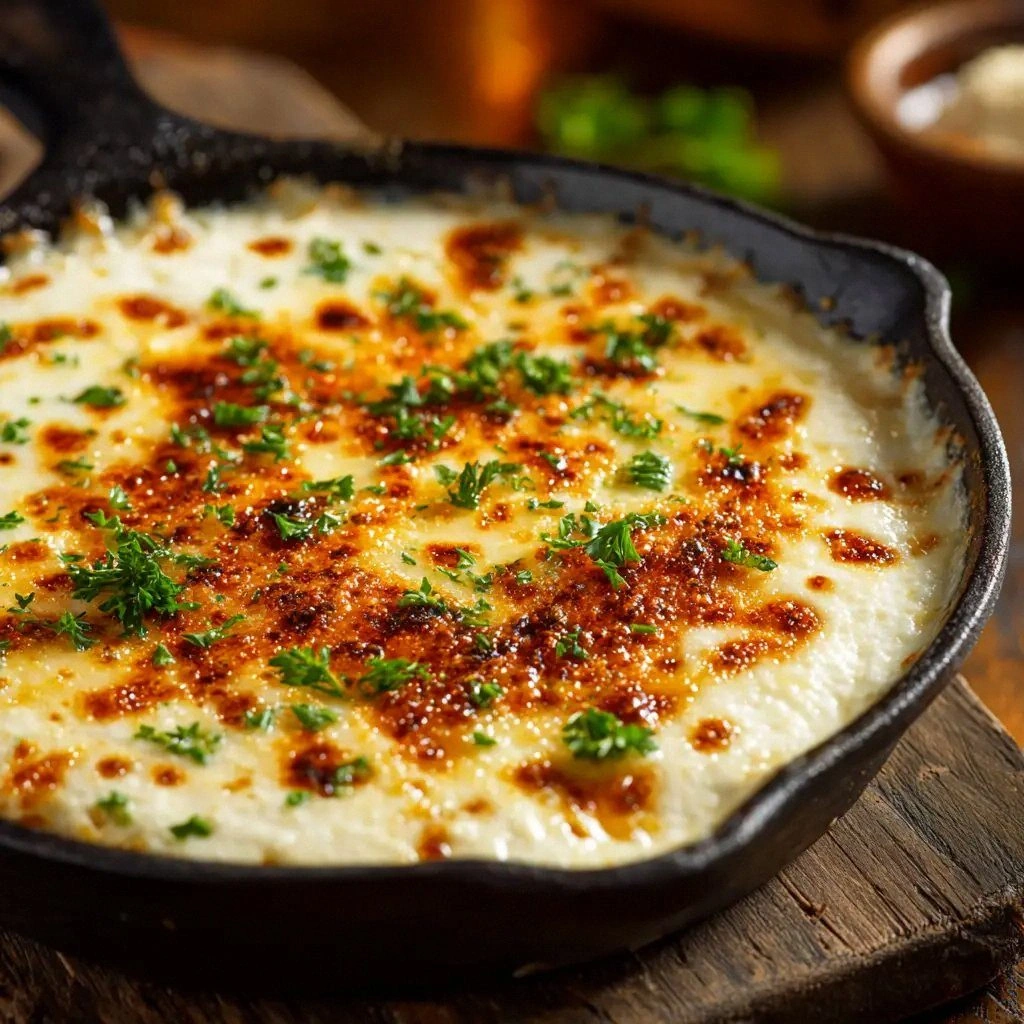
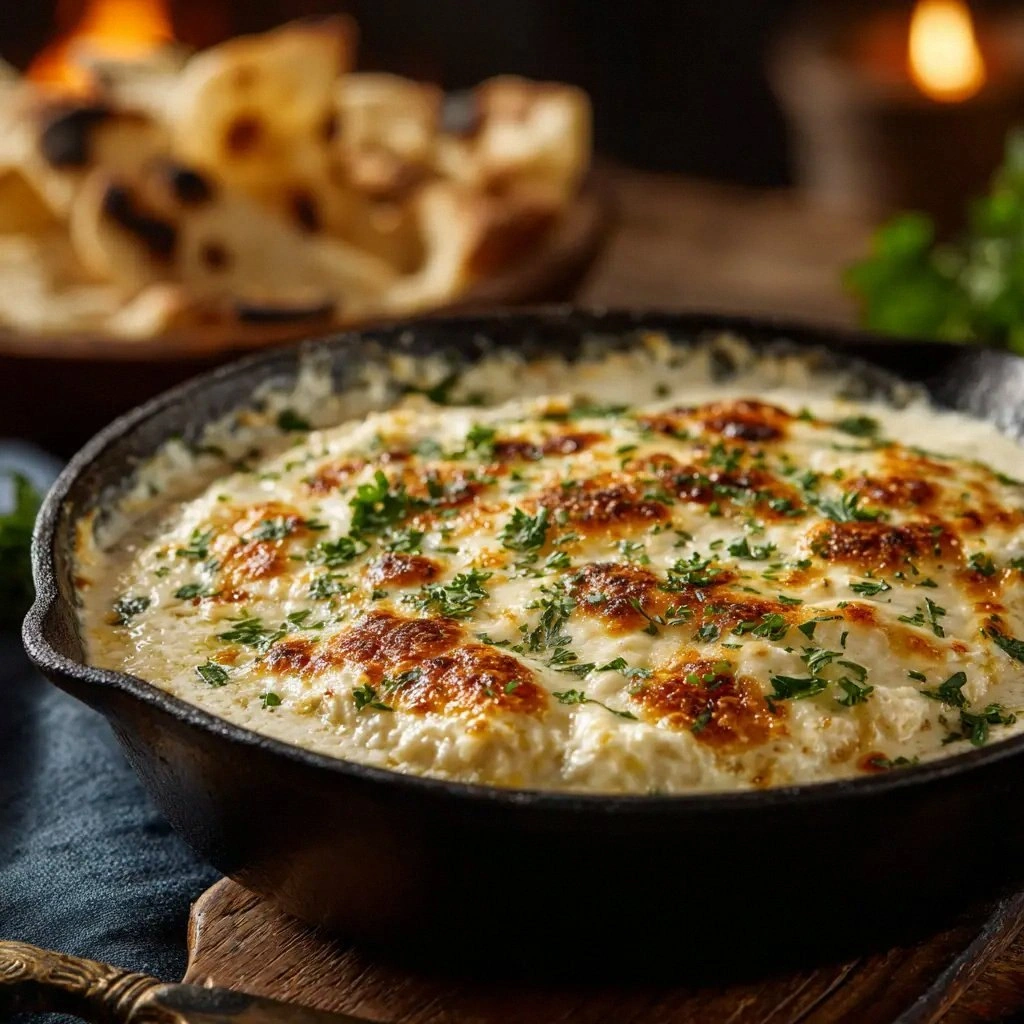
Most recipes get this completely wrong by over‑cooking the cheese or using the wrong type of beer. Here’s what actually works: a medium‑strength ale that adds depth without overpowering the cheese, a splash of Dijon mustard for a bright kick, and a pinch of smoked paprika for that smoky undertone. Picture yourself pulling this out of the oven, the whole kitchen smelling incredible, and the dip shimmering with a golden crust. Let me walk you through every single step — by the end, you’ll wonder how you ever made it any other way.
What Makes This Version Stand Out
- Taste: The blend of sharp cheddar and cream cheese creates a rich, tangy foundation, while the beer adds a subtle malty sweetness that lingers on the palate. This synergy produces a flavor profile that feels both comforting and adventurous.
- Texture: A perfectly balanced roux locks in moisture, giving the dip a silky mouthfeel with just the right amount of thickness to coat pretzels or crackers. The cheese melts into silky ribbons rather than forming clumps.
- Simplicity: With only thirteen ingredients and a single pot, you can whip up this dip in less than thirty minutes, making it ideal for spontaneous gatherings or last‑minute party prep.
- Uniqueness: The combination of Dijon mustard and Worcestershire sauce introduces a savory depth that most beer cheese recipes miss, elevating it from ordinary to unforgettable.
- Crowd Reaction: Friends who try this dip often say it tastes like a gourmet cheese fondue with a beer twist, and they keep asking for the recipe afterward.
- Ingredient Quality: Using a high‑quality sharp cheddar and a full‑body beer ensures that every bite delivers maximum flavor; cheap substitutes simply don’t cut it.
- Cooking Method: The gentle simmering technique allows the flavors to meld without scorching, while the final baking step creates a crisp, golden top that’s pure perfection.
- Make‑ahead Potential: This dip can be prepared a few hours in advance, refrigerated, and reheated with a splash of milk or beer to restore its creamy texture.
Alright, let's break down exactly what goes into this masterpiece...
Inside the Ingredient List
The Flavor Base
Unsalted butter is the first hero, creating a rich foundation that carries the flavors of the beer and cheeses. It also prevents the mixture from sticking to the pan, allowing for a clean, even melt. Skipping the butter will result in a thinner, less luxurious texture that feels like a watered‑down cheese fondue. When choosing butter, opt for European‑style with a higher butterfat content for a buttery, velvety mouthfeel.
The Texture Crew
All‑purpose flour, the unsung hero of sauces, thickens the dip without overpowering the cheese. It forms a roux that locks in the moisture from the milk and beer, creating a velvety base. If you’re avoiding gluten, substitute with a 1:1 gluten‑free flour blend and adjust the amount slightly to maintain the right consistency. Flour also helps the cheese blend smoothly, preventing any gritty texture that can ruin the experience.
The Unexpected Star
Beer, the unsung star, adds a subtle malty sweetness that pairs beautifully with sharp cheddar. A medium‑strength amber ale works best, providing depth without overwhelming the cheese. If you prefer a different flavor profile, try a lager for a cleaner taste or a stout for a richer, roasty undertone. The alcohol evaporates during cooking, leaving only the nuanced flavor behind.
The Final Flourish
A dash of Dijon mustard, Worcestershire sauce, and smoked paprika injects savory complexity, while garlic powder and cayenne pepper add a subtle kick. These seasonings elevate the dip from simple to gourmet, creating layers of flavor that evolve with every bite. If you’re sensitive to heat, reduce the cayenne to a pinch or omit it entirely. The final sprinkle of black pepper adds a finishing touch that brightens the overall profile.
Everything's prepped? Good. Let's get into the real action...
The Method — Step by Step
- Melt the butter in a medium‑sized saucepan over medium heat, letting it foam gently. Watch the bubbles rise; that’s the sign that the butter is ready to work its magic. Once melted, sprinkle in the flour and whisk continuously for about two minutes to form a smooth roux. This step is crucial because it creates the base that will hold the cheese together. Don’t let the mixture brown; you want a pale, golden color.
- Slowly pour in the milk, whisking constantly to avoid lumps. The mixture should thicken and become silky. Let it simmer for a minute until the roux is fully incorporated. This is the moment of truth; the sauce should feel thick enough to coat the back of a spoon. The aroma will start to turn nutty, hinting at the depth of flavor to come.
- Add the beer, a splash at a time, stirring until fully absorbed. The beer’s alcohol will evaporate, leaving behind a subtle maltiness that enriches the dip. Keep the heat low to prevent the mixture from boiling too aggressively, which could cause the cheese to separate. As the beer reduces, the sauce will become glossy and thick.
- Lower the heat and fold in the cream cheese, letting it melt into the mixture. Stir until the cream cheese is completely blended, creating a base that’s both rich and smooth. The cream cheese adds a subtle tang that balances the sharp cheddar’s intensity. If the mixture looks too thick, add a teaspoon of milk to loosen it slightly.
- Introduce the sharp cheddar, a handful at a time, stirring constantly until fully melted. The cheese should melt into ribbons, not clumps, forming a luxurious, velvety texture. This step is where the dip starts to feel like a cheese fondue with a beer twist. Keep the heat low to avoid scorching the cheese.
- Stir in the Dijon mustard, Worcestershire sauce, garlic powder, smoked paprika, and cayenne pepper. These seasonings will weave together, creating layers of flavor that evolve with each bite. Taste as you go, adjusting the seasoning to your preference. The dip should smell aromatic, with a hint of smoky spice.
- Season with salt and freshly ground black pepper to taste. Salt enhances the cheese’s natural umami, while pepper adds a subtle heat that lingers on the tongue. Don’t over‑salt; you can always add more later if needed. This final seasoning step is where the dip becomes a cohesive, balanced masterpiece.
- Transfer the mixture to a pre‑heated oven at 350°F (175°C) for 10 minutes, or until a golden crust forms on top. The baking step creates a crisp, caramelized surface that adds a delightful texture contrast. Watch the edges pull away slightly, forming a beautiful golden border. Once baked, let the dip cool for a minute before serving.
That's it — you did it. But hold on, I've got a few more tricks that'll take this to another level...
Insider Tricks for Flawless Results
The Temperature Rule Nobody Follows
Cooking the dip at a steady, low temperature ensures the cheese melts evenly and the sauce stays silky. If the heat is too high, the cheese can curdle, creating a gritty texture that ruins the experience. I’ve learned that a gentle simmer is the key to a smooth, cohesive dip. Keep the burner at medium‑low, and use a heat‑resistant spatula to stir continuously.
Why Your Nose Knows Best
The aroma of the dip is a perfect indicator of how close you are to perfection. If you smell a sharp, yeasty scent, the beer has infused correctly. A faint, buttery smell indicates the roux is ready. Trust your nose; it’s the most reliable sense for judging doneness in cheese dishes.
The 5‑Minute Rest That Changes Everything
After baking, let the dip rest for five minutes before serving. This brief pause allows the cheese to set, creating a thicker, more satisfying consistency. During this rest, the flavors mingle further, making each bite richer. I’ve found that a rested dip is always more indulgent.
Use a Double Boiler for Extra Creaminess
If you’re prone to scorching, consider using a double boiler to melt the cheese. The gentle, indirect heat keeps the mixture from burning, ensuring a silky finish. This technique is especially helpful when working with high‑fat cheeses that can separate under direct heat. A double boiler gives you greater control over the melt.
Don’t Skimp on the Cheese
The ratio of cheddar to cream cheese is critical for balance. Using too much cheddar can overpower the dip, while too much cream cheese can make it overly runny. Aim for a 2:1 ratio of cheddar to cream cheese to achieve the ideal creamy, sharp profile. A friend once tried a 1:1 ratio and the dip turned out too thick and unpalatable.
Creative Twists and Variations
This recipe is a playground. Here are some of my favorite ways to switch things up:
Spicy Jalapeño Kick
Add diced jalapeños during step five for a fresh, fiery punch. The green heat pairs beautifully with the beer’s maltiness. This variation is perfect for a summer BBQ where guests crave a spicy dip.
Herb‑Infused Delight
Stir in a tablespoon of chopped fresh rosemary or thyme after the cheese has melted. The herbal notes add a sophisticated layer of flavor that elevates the dip to a gourmet level. Serve it alongside crusty bread for a refined appetizer.
Smoky Chipotle Twist
Replace the smoked paprika with chipotle powder for a deeper, smoky heat. The chipotle’s earthy undertone complements the beer, creating a dip that’s both bold and balanced. This version works well for a cozy, fall gathering.
Truffle‑Infused Luxury
Drizzle a few drops of truffle oil over the baked surface before serving. The truffle’s earthy aroma and delicate flavor add a touch of decadence. This upscale version is ideal for a special occasion or a fancy dinner party.
Vegan Version
Use vegan cheddar and a plant‑based butter substitute, and replace the milk with a non‑dairy alternative. The end result is a creamy, cheesy dip that’s entirely dairy‑free. This variation is great for guests with dietary restrictions.
Beer Swap for IPA
Swap the amber ale for a hoppy IPA to introduce a citrusy bitterness that contrasts the creamy cheese. The IPA’s bright hop profile adds a refreshing edge, making it a standout at a beer tasting event. Keep the beer moderate to avoid overpowering the cheese.
Storing and Bringing It Back to Life
Fridge Storage
Cool the dip completely before transferring it to an airtight container. Store it in the refrigerator for up to 3 days. The dip will thicken slightly in the fridge, so add a splash of milk or beer when reheating to restore its silky texture.
Freezer Friendly
For longer storage, place the dip in a freezer‑safe container and freeze for up to 2 weeks. Thaw overnight in the refrigerator before reheating. The texture may change slightly, but it will still be delicious with a quick warm‑up.
Best Reheating Method
Reheat the dip on the stovetop over low heat, stirring constantly. Add a splash of milk or beer to loosen the mixture. Once it’s hot and creamy again, serve immediately. Avoid microwaving, as it can cause uneven heating and texture issues.