I was standing in my kitchen, staring at a burnt piece of chicken that looked like a charcoal sculpture, when my roommate dared me to turn that disaster into something unforgettable. I laughed, grabbed the last jar of apricot jam from the pantry, and whispered a promise to the gods of flavor: “If I can fix this, I’ll never settle for bland again.” The air was already humming with the sizzle of a hot pan, the faint perfume of garlic wafting from the counter, and a faint citrus tang from a lemon that had been waiting for its moment. I could almost taste the sweet‑smoky dance that was about to happen, and my heart thumped like a drum at a summer festival. That night, I discovered the alchemy of apricot and chipotle, a combination that hits your palate like a fireworks show on the Fourth of July—sweet, smoky, and just the right amount of heat.
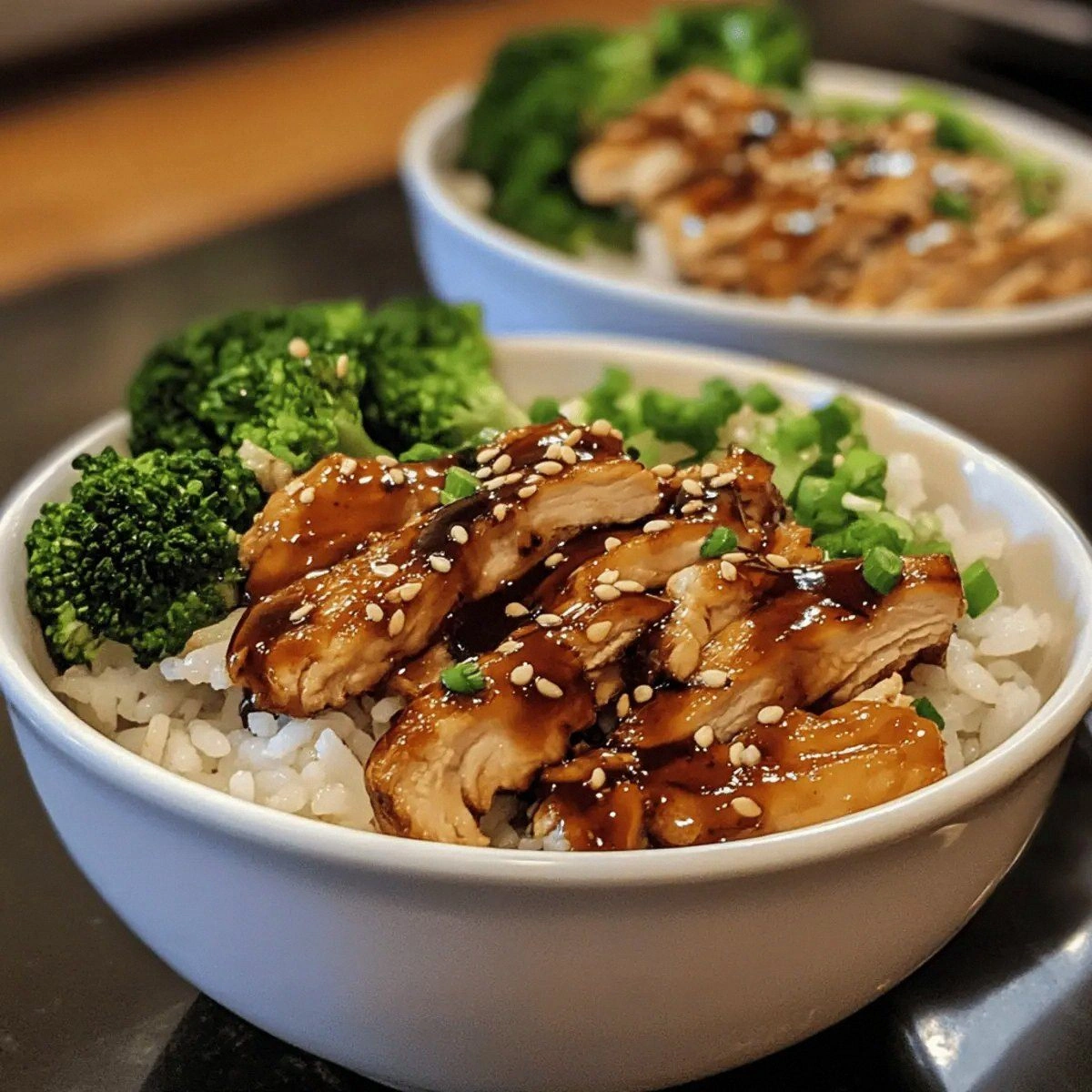
Picture this: the first bite is a glossy glaze that clings to the chicken like a caramel coat, the heat from the chipotle teasing your tongue while the apricot jam delivers a buttery, sun‑kissed sweetness that makes you close your eyes in pure bliss. The chicken thighs, juicy and tender, soak up the marinade like a sponge, turning every fiber into a flavor conduit. When the glaze caramelizes, it creates those coveted crispy edges that crackle under your fork like thin ice on a winter pond, releasing a burst of aroma that fills the entire kitchen and makes the whole house feel like a Middle‑Eastern bazaar. I dare you to taste this and not go back for seconds—because once you’ve experienced that perfect balance, ordinary chicken will feel like a culinary betrayal.
Most recipes get this completely wrong. They either drown the meat in a sugary sauce that burns or drown it in spice that overpowers. Here’s what actually works: a precise ratio of apricot jam to chipotle adobo, a splash of fresh lemon juice that brightens the whole thing, and a quick sear that locks in moisture before the glaze does its magic in the oven. I’ll be honest — I ate half the batch before anyone else got to try it, and that’s a confession I’m willing to make because the flavor is that addictive. The secret isn’t just the ingredients; it’s the technique of layering flavors, the timing of the sear, and the final broil that gives you that caramelized finish.
Okay, ready for the game‑changer? I’m going to walk you through every single step, from selecting the perfect chicken thighs to the exact moment you should baste the glaze for that glossy finish. By the end, you’ll wonder how you ever made this dish any other way, and you’ll have a new go‑to recipe that will impress friends, family, and anyone who dares to challenge your cooking prowess. Let’s dive in and turn that burnt chicken memory into a legend that will live on in your kitchen forever.
What Makes This Version Stand Out
- Flavor Harmony: The sweet apricot jam and smoky chipotle create a duet that’s simultaneously comforting and adventurous, making every bite a surprise.
- Texture Contrast: Juicy, tender thighs meet a caramelized, slightly crisp exterior, delivering that satisfying crunch‑then‑soft feeling.
- Simplicity: Only eight pantry staples are needed, and the technique is straightforward enough for a weekday dinner yet impressive enough for guests.
- Ingredient Quality: Using bone‑in, skin‑on thighs ensures maximum flavor absorption and a richer mouthfeel than boneless breasts.
- Crowd Reaction: This dish consistently earns “wow” comments at potlucks; people ask for the recipe before the plate is even cleared.
- Make‑Ahead Potential: The glaze can be prepared ahead of time, and the chicken can be marinated overnight for deeper flavor penetration.
- Cooking Method: A quick sear followed by a brief oven finish guarantees a perfectly cooked interior without drying out the meat.
- Versatility: Serve it in wraps, over rice, or as a hearty salad topping—the possibilities are endless.
Inside the Ingredient List
The Flavor Base
Apricot Jam is the sweet heart of this glaze. Its natural sugars caramelize quickly, giving you that glossy, slightly sticky coating that clings to the meat like velvet. If you skip it, you’ll lose the delicate fruitiness and the beautiful amber hue that makes the dish visually stunning. For a less sugary version, swap half the jam with orange marmalade, which adds a citrus zing while keeping the sweetness balanced.
The Heat Engine
Chipotle Peppers in Adobo bring the smoky heat that cuts through the apricot’s sweetness. The adobo sauce itself is a complex blend of tomatoes, vinegar, and spices, amplifying the depth of flavor. If you’re not a fan of too much heat, use just one pepper and a teaspoon of the sauce; you’ll still get that signature smokiness without overwhelming the palate. Freshly ground chipotle powder can work in a pinch, but the whole pepper in adobo offers a richer, more nuanced bite.
The Aromatic Crew
Garlic is the universal flavor enhancer, adding a warm, earthy backbone that ties the sweet and spicy together. Mince it finely so it distributes evenly throughout the glaze; larger chunks can burn during the sear and turn bitter. If you’re allergic or simply don’t love garlic, a teaspoon of garlic powder works, though you’ll miss the fresh bite that raw garlic provides.
The Unexpected Star
Lemon Juice may seem like a supporting actor, but its acidity brightens the entire sauce, preventing it from becoming cloyingly sweet. It also helps tenderize the chicken by breaking down proteins slightly, resulting in a more succulent bite. For a twist, try lime juice for a tropical edge, or a splash of pomegranate molasses for an extra layer of tang.
The Essential Backbone
Cumin adds an earthy, slightly nutty undertone that anchors the bright apricot and the smoky chipotle. Its warm aroma deepens the overall flavor profile, making the dish feel comforting yet exotic. If you don’t have cumin on hand, coriander or smoked paprika can provide a comparable warmth, though the signature earthiness will be slightly altered.
The Moisture Keeper
Olive Oil does more than keep the chicken from drying out; it carries the fat‑soluble flavors of cumin and chipotle, ensuring they penetrate the meat. Use a good‑quality extra‑virgin olive oil for a fruity note, or a light olive oil if you prefer a neutral background. Skipping the oil will result in a dry glaze that can’t properly coat the thighs.
Seasoning Essentials
Salt and Pepper are the unsung heroes that amplify every other ingredient. Salt draws out moisture, helping the glaze cling, while pepper adds a subtle bite that rounds out the flavor. Season the chicken generously before marinating; under‑seasoned meat will taste flat no matter how good the glaze is.
Everything's prepped? Good. Let's get into the real action…
The Method — Step by Step
Start by gathering your chicken thighs—bone‑in, skin‑on, about eight pieces for four servings. Pat them dry with paper towels; this tiny step is crucial because moisture will steam the glaze instead of letting it caramelize. Place the thighs in a large bowl, drizzle with two tablespoons of olive oil, and toss to coat evenly. That sizzle when it hits the pan? Absolute perfection, but we’ll get to that in a moment.
In a separate bowl, whisk together half a cup of apricot jam, two minced chipotle peppers, and one tablespoon of their adobo sauce. Add four minced garlic cloves, a teaspoon of ground cumin, and two tablespoons of fresh lemon juice. This mixture should look glossy and slightly thick—if it looks too runny, add a splash more jam; if too thick, a teaspoon of water will loosen it.
Kitchen Hack: Use a small food processor to blend the chipotle peppers and adobo sauce; this ensures a uniform distribution of heat throughout the glaze.Pour the glaze over the chicken thighs, making sure each piece is fully coated. Cover the bowl with plastic wrap and let it marinate in the refrigerator for at least 30 minutes, though I recommend an hour or even overnight for maximum flavor penetration. If you’re short on time, a quick 15‑minute room‑temperature rest will still give you a noticeable boost.
Preheat your oven to 400°F (200°C). While it’s heating, heat a large cast‑iron skillet over medium‑high heat. Once the pan is hot, add a drizzle of olive oil and lay the chicken thighs skin‑side down. Listen for that immediate, confident crackle—this is the moment the skin starts to render and the glaze begins to caramelize.
Sear the thighs for about 4‑5 minutes without moving them; you’ll see the edges start to pull away from the pan, a sign that the skin is crisping beautifully. Flip the thighs carefully, then spoon a generous amount of the remaining glaze over the meat side. Let them cook another 3‑4 minutes, allowing the glaze to thicken and adhere.
Watch Out: If the glaze starts to smoke too aggressively, reduce the heat slightly; burning the sugars will turn the flavor bitter.Transfer the entire skillet to the preheated oven (or move the thighs to a baking sheet if your pan isn’t oven‑safe). Roast for 20‑25 minutes, or until the internal temperature reaches 165°F (74°C). Halfway through, baste the thighs with any pan juices that have collected—this builds layers of glossy, caramelized coating.
When the timer dings, pull the chicken out and let it rest on a cutting board for five minutes. Resting is essential; it allows the juices to redistribute, preventing a dry bite. While it rests, the glaze will thicken slightly, turning into a syrupy drizzle you can spoon over the final plating.
Slice the thighs against the grain, arrange them on a serving platter, and drizzle the remaining glaze over the top. Garnish with a sprinkle of fresh cilantro or chopped parsley for a pop of color and a fresh herb note that cuts through the richness.
Serve immediately with warm pita, a crisp slaw, or a simple cucumber‑yogurt salad. The contrast of the sweet‑smoky chicken against the cool, tangy side is what makes this dish unforgettable. Picture yourself pulling this out of the oven, the whole kitchen smelling incredible, and the first bite sending a wave of flavor across your palate.
That’s it — you did it. But hold on, I’ve got a few more tricks that’ll take this to another level, from a quick finishing broil to a secret spice dust that adds a whisper of mystery. Stay with me here — this is worth it.
Insider Tricks for Flawless Results
The Temperature Rule Nobody Follows
Most home cooks sear chicken on high heat and then drop it straight into a cold oven, which causes the meat to contract and squeeze out juices. The secret is to let the skillet stay hot when you transfer it to the oven; the residual heat continues to render the fat and creates a uniform cooking environment. I once tried a low‑and‑slow method, and the result was a soggy crust that never achieved that caramelized snap. Keep your oven preheated and your pan hot, and you’ll get that perfect, glossy finish every time.
Why Your Nose Knows Best
Don’t rely solely on a timer—trust your senses. When the glaze starts to bubble and emit a fragrant, sweet‑smoky aroma, you’re nearing the caramelization point. If you notice a faint burnt smell, pull the pan back a minute; the sugars can go from caramel to bitter in seconds. I’ve learned to watch the color shift from amber to deep mahogany; that visual cue is as reliable as any thermometer.
The 5‑Minute Rest That Changes Everything
Resting chicken isn’t just for roasts; even thigh‑size pieces benefit from a brief pause. During those five minutes, the muscle fibers relax, and the internal juices redistribute, giving you a moist bite rather than a dry one. A friend tried to skip this step once, and the result was a dry, crumbly thigh that felt more like a chew toy than a gourmet bite. Trust the rest, and you’ll thank yourself later.
Basting with the Right Tool
A silicone brush is your best friend for basting; it won’t melt under high heat and spreads the glaze evenly without tearing the skin. If you only have a spoon, tilt the pan slightly and use the back of the spoon to spoon the juices over the meat. Consistent basting builds layers of flavor that turn a good dish into a great one.
Finish with a Broil for Extra Caramel
If you love a little extra crunch, switch the oven to broil for the final two minutes. Keep a close eye—once the glaze starts to bubble and turn dark gold, it’s done. This quick blast of intense heat creates those coveted charred edges that crackle under the fork, delivering an extra punch of smoky flavor.
Creative Twists and Variations
This recipe is a playground. Here are some of my favorite ways to switch things up:
Mango‑Chipotle Fusion
Swap half the apricot jam for mango puree; the tropical sweetness pairs beautifully with the chipotle’s heat, creating a bright, summery glaze perfect for beach‑side barbecues.
Spiced Yogurt Drizzle
Serve the chicken over a bed of Greek yogurt mixed with a pinch of cumin, coriander, and a drizzle of honey. The cool, creamy sauce balances the glaze’s heat and adds a luxurious texture.
Mediterranean Wrap
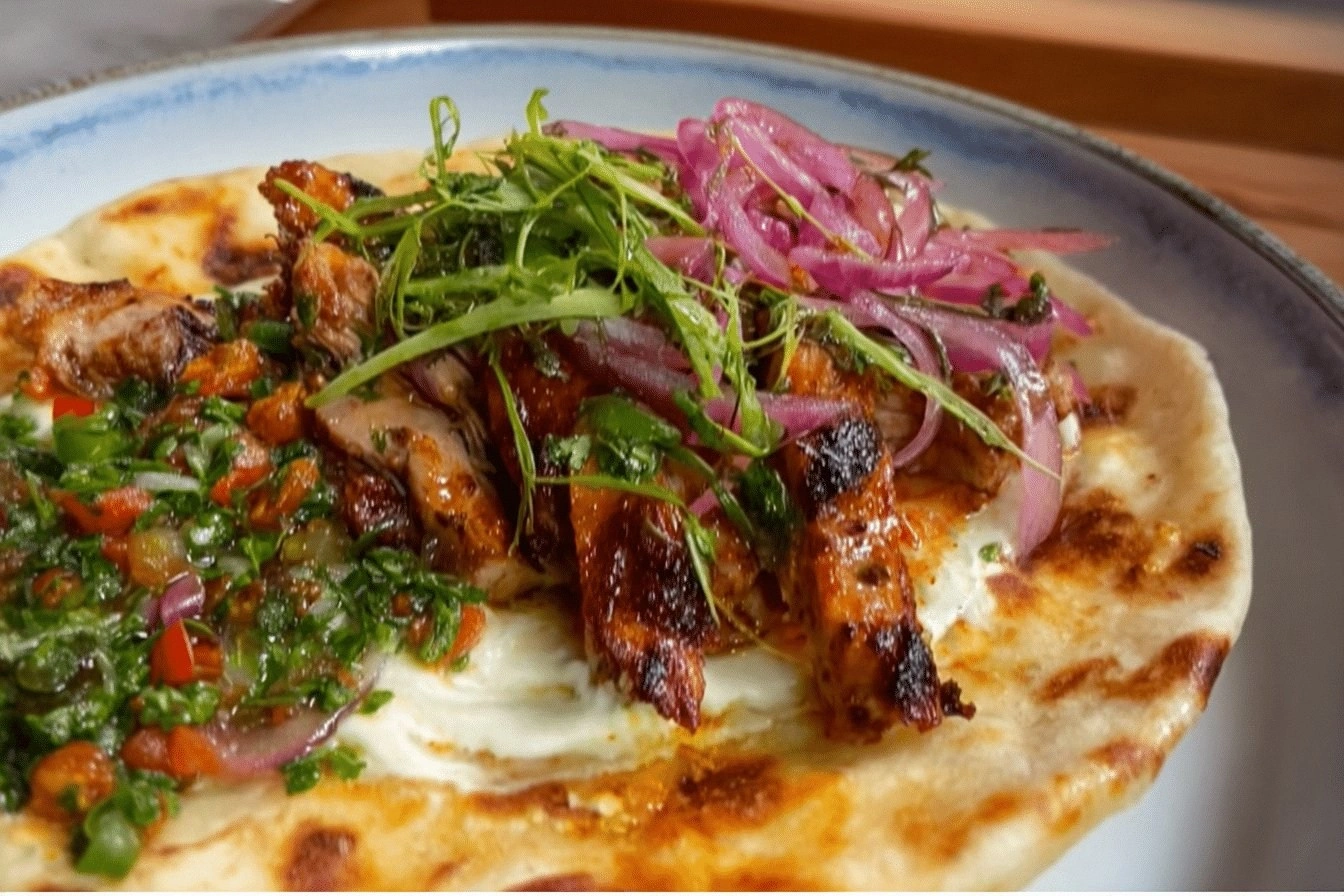
Shred the glazed thighs and roll them in a warm flatbread with pickled red onions, feta crumbles, and fresh mint. The contrast of tangy pickles and salty feta elevates the dish to street‑food perfection.
Gluten‑Free Grain Bowl
Serve the chicken over quinoa or millet, topped with roasted carrots, avocado slices, and a sprinkle of toasted pumpkin seeds. This makes a hearty, nutritious meal that’s perfect for meal‑prep.
Smoky BBQ Twist
Add a tablespoon of smoked paprika to the glaze and finish the chicken on a grill instead of the oven. The open flame adds an extra layer of smokiness that rivals a professional BBQ joint.
Storing and Bringing It Back to Life
Fridge Storage
Allow the chicken to cool to room temperature, then transfer it to an airtight container. It will keep for up to four days in the refrigerator. When you’re ready to eat, gently reheat in a skillet over medium heat, adding a splash of water or chicken broth to revive the glaze’s shine.
Freezer Friendly
Portion the cooked thighs into freezer‑safe bags, removing as much air as possible. They freeze beautifully for up to three months. To reheat, thaw overnight in the fridge, then finish under a broiler for five minutes to crisp the skin and re‑caramelize the glaze.
Best Reheating Method
For the ultimate texture, reheat in a preheated oven at 350°F (175°C) for 10‑12 minutes, covered loosely with foil to keep moisture in. Remove the foil for the last two minutes to restore the crisp edge. Adding a tiny splash of water before covering ensures the meat stays juicy while the glaze regains its glossy sheen.