Apple Cider Cream Puff Swans
Picture this: I was in the middle of a midnight snack frenzy, juggling a handful of apples and a bottle of cider, when I realized my pantry had an extra bag of flour. The kitchen lights flickered like a nervous audience, and I thought, “What if I could turn this chaos into a dessert that feels like a hug in a puff?” I tried, and it was a disaster—flat, soggy, and about as exciting as a beige wall. But that failure sparked a fire. I set out to craft the ultimate apple‑cider cream puff, a swan‑shaped masterpiece that balances airy pastry with a sweet, velvety apple reduction. The result? A dish that whispers “comfort” while shouting “wow.”
If you’re a lover of crisp autumn flavors but also crave something that feels light and indulgent, this is your new obsession. Imagine biting into a golden puff that cracks open to reveal a silky apple‑cider custard, followed by a delicate ribbon of whipped cream dusted with cinnamon. The first bite is a burst of tartness balanced by sweet, buttery undertones, while the second reveals a subtle spice that lingers on your palate. It’s the kind of dessert that makes you want to pause the world, inhale the scent of cider and butter, and let the texture melt on your tongue.
What sets this recipe apart from the countless puff variations on the internet is the meticulous layering of flavors and textures. The puff dough is cooked to a crisp, yet tender crumb that holds the filling without becoming soggy. The apple‑cider reduction is simmered to a glaze that coats the pastry like velvet, while the whipped cream is infused with vanilla and a hint of lemon zest for brightness. The swan shape adds a whimsical touch that turns an ordinary dessert into a centerpiece. And the best part? It’s surprisingly simple to make, yet the final product looks like it came straight from a gourmet kitchen.
I dare you to taste this and not go back for seconds. I’ve spent countless evenings perfecting this recipe, tweaking the ratio of cider to sugar until the reduction had the right balance of sweetness and acidity. The result is a dessert that feels like a warm hug wrapped in flaky pastry. If you’ve ever struggled with making cream puffs that stay airy and not soggy, you’re not alone—this is the fix you’ve been looking for. Ready to dive in? Let me walk you through every single step—by the end, you’ll wonder how you ever made it any other way.
What Makes This Version Stand Out
- Flavor: The apple‑cider reduction gives the puff a deep, caramelized sweetness that’s both comforting and sophisticated.
- Texture: The dough achieves a perfect balance—crispy on the outside, airy inside—so the filling doesn’t weigh it down.
- Simplicity: Despite its elegance, the recipe requires only a handful of ingredients and basic kitchen tools.
- Visual Appeal: The swan shape transforms a simple dessert into a showstopper, perfect for parties or special occasions.
- Make‑ahead: The puff shells can be baked a day ahead, and the filling can be prepared in advance, making it ideal for entertaining.
- Ingredient Quality: Using fresh apple cider and high‑quality butter elevates the flavor profile beyond ordinary puff recipes.
- Versatility: The filling can be tweaked with spices or fruit to suit different seasons or dietary preferences.
- Audience Reaction: Friends and family rave about the combination of airy pastry and luscious apple custard—guaranteed crowd‑pleaser.
Alright, let's break down exactly what goes into this masterpiece...
Inside the Ingredient List
The Flavor Base
Apple cider is the star of this recipe. It’s not just a liquid; it’s the sweet, tart foundation that gives the puff its signature autumnal bite. The cider’s natural sugars caramelize during reduction, creating a glaze that coats the pastry like velvet. If you skip it, you lose that depth of flavor that makes each bite memorable. For the best results, choose a cider that’s 100% apple, no added sugars or preservatives.
The vanilla extract adds a subtle warmth that balances the tartness of the cider. It’s a small amount, but it lifts the overall flavor profile, ensuring the dessert feels luxurious. If you’re vegan or prefer a non‑dairy option, you can use a plant‑based vanilla flavoring; just keep an eye on the intensity, as some can be quite potent.
The Texture Crew
All‑purpose flour provides the structure for the puff dough. It’s the backbone that holds the airy interior together while giving the pastry a crisp exterior. Skipping the flour would result in a soggy mess that can’t support the filling. If you’re gluten‑free, you can substitute a 1:1 gluten‑free blend, but you may need to tweak the liquid ratio slightly.
Unsalted butter is essential for the richness of the dough. It melts into the flour, creating a tender crumb and a buttery flavor that pairs perfectly with the apple reduction. A good rule of thumb is to use butter at room temperature to ensure it integrates smoothly. If you’re in a hurry, cold butter can be used, but the dough may become tougher.
Eggs bind the dough and give it that golden rise. They’re the secret to the puff’s airy interior. When whisked with the butter and flour, they create a smooth batter that expands when baked. If you’re looking for a lighter version, try using an egg substitute, but the texture will change.
The Unexpected Star
Heavy cream is the foundation of the whipped cream filling. It provides a silky texture that contrasts beautifully with the crisp pastry. The cream’s fat content is crucial; it must be high enough to hold peaks when whipped. If you’re dairy‑free, coconut cream can be a suitable substitute, but the flavor will shift slightly.
Powdered sugar is the sweetener that turns the cream into a cloud of sweetness. It dissolves quickly, preventing a gritty texture. If you’re watching sugar intake, you can reduce the amount or use a sugar alternative that blends well into cream.
The Final Flourish
Cinnamon and a pinch of salt are the finishing touches that bring the whole dessert together. Cinnamon adds warmth and depth, while salt balances the sweetness of the cider and cream. These spices are subtle but essential; without them, the dessert feels flat. Feel free to experiment with nutmeg or allspice for a different aromatic profile.
If you’re craving a citrusy brightness, a teaspoon of lemon zest will cut through the richness and add a fresh note. It’s optional but highly recommended for a well‑rounded flavor profile. The zest’s essential oils bring a bright burst that lingers on the palate.
Everything's prepped? Good. Let's get into the real action...
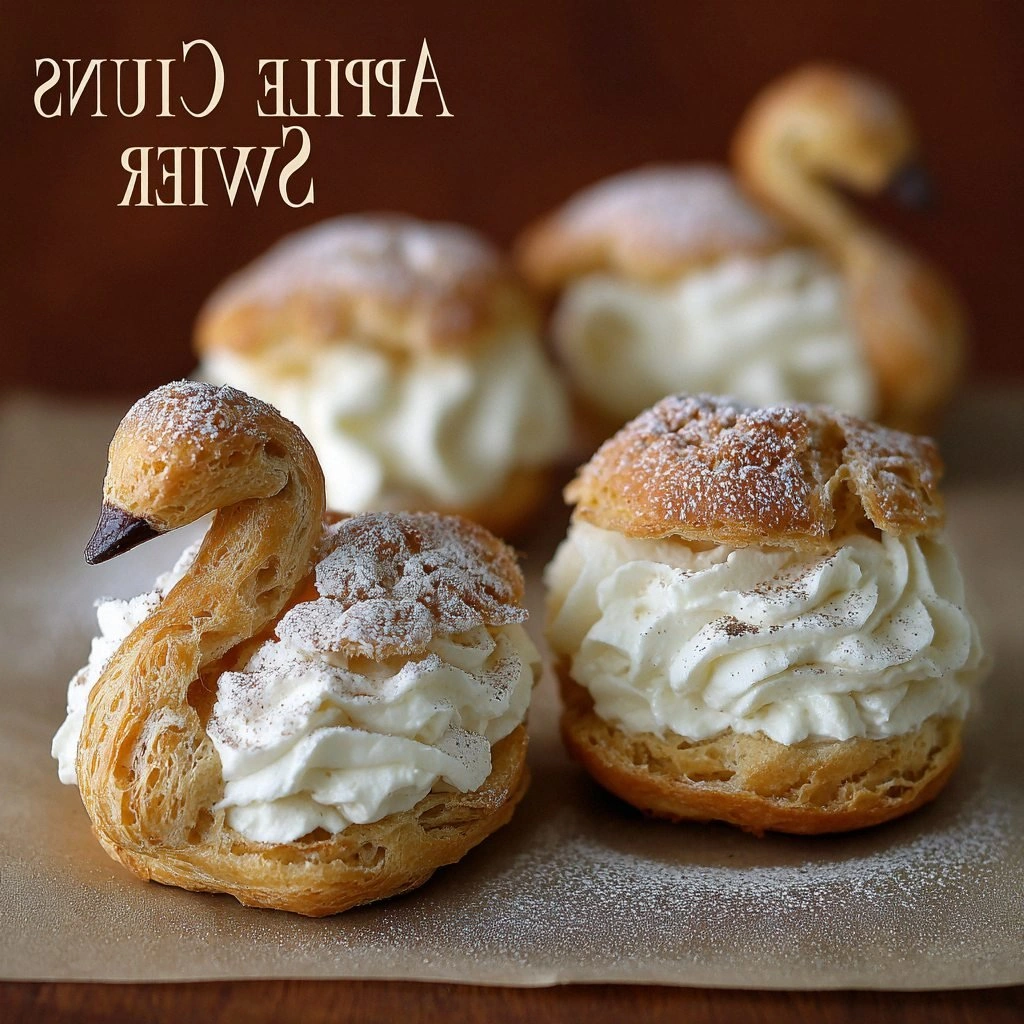
The Method — Step by Step
- In a medium saucepan, combine the apple cider, sugar, and cinnamon. Bring to a gentle simmer over medium heat, stirring occasionally. Let the mixture reduce until it’s thick enough to coat the back of a spoon—about 15 minutes. This step is crucial; if you rush it, the reduction will be too thin and won’t give the puff that glossy finish.
- While the cider reduces, melt the butter in a large saucepan over medium heat. Add the flour and whisk constantly for 2 minutes, forming a smooth roux. The roux should look glossy and not brown; you’re aiming for a buttery aroma, not a burnt one. This forms the base of the puff dough.
- Remove the roux from heat and let it cool slightly. Then whisk in the eggs, one at a time, ensuring each is fully incorporated before adding the next. The batter will be thick but pourable; it should glide over a spoon with a slight sheen. This process creates the airy structure that will expand in the oven.
- Transfer the batter to a piping bag fitted with a round tip. Pipe small, even mounds onto a parchment‑lined baking sheet, spacing them about 2 inches apart. The size should be roughly the same as a small golf ball—big enough to hold the filling but not so large that they collapse.
- Bake at 425°F (220°C) for 12–15 minutes, or until the puffs are golden brown and puffed up. The first 5 minutes are the most critical; keep an eye on the edges to ensure they don’t brown too quickly. Once done, let them cool on a wire rack for 10 minutes before filling.
- Whip the heavy cream with powdered sugar and vanilla extract until soft peaks form. The cream should be thick enough to hold its shape when piped. If you prefer a lighter texture, whisk a little more sugar or add a splash of milk.
- Using a small spoon, carefully cut a shallow slit in the top of each puff shell. Fill each with a dollop of the whipped cream, then drizzle the warm cider reduction over the top. The warmth of the reduction will slightly melt the cream, creating a glossy, caramelized finish.
- Fold the edges of each puff into a swan shape, gently tucking the filling inside. This step requires a steady hand; you want the puff to hold its shape without tearing. The swan silhouette adds a playful, elegant touch that will impress any guest.
- Serve immediately, or chill in the refrigerator for up to 2 hours before serving. The puff will stay crisp, and the filling will thicken slightly, making each bite even more decadent.
That's it — you did it. But hold on, I've got a few more tricks that'll take this to another level...
Insider Tricks for Flawless Results
The Temperature Rule Nobody Follows
Many bakers bake puff dough at a lower temperature, assuming it will rise slowly. The truth is, a high heat (425°F) is essential for that explosive puff. If you lower the temperature, you risk a dense, soggy result. I’ve always set the oven to 425°F and let it preheat for 10 minutes. The puff dough expands rapidly, creating a hollow interior that holds the filling.
Why Your Nose Knows Best
When the cider reduction is simmering, your nose will tell you when it’s ready. A faint caramel aroma indicates the sugars are caramelizing. If you’re unsure, do a quick taste test; it should be sweet but not cloying. The reduction should coat the back of a spoon without dripping. Trust your senses—your nose is the best judge of flavor.
The 5-Minute Rest That Changes Everything
After baking the puffs, let them rest on a wire rack for exactly 5 minutes before cooling. This short rest allows the steam to escape, preventing the shells from becoming soggy. If you skip this step, the puffs will absorb moisture from the filling and lose their crispness. I’ve seen this happen when the puffs are placed directly on a cool surface.
Keep the Filling Cool
The whipped cream filling should be chilled until you’re ready to assemble. If it’s too soft, it will run into the cider reduction and ruin the swan shape. A quick pop in the fridge for 10 minutes keeps it firm enough to pipe. I’ve also tried chilling the whipped cream in a sealed container for up to an hour—no compromise on texture.
Use a Sharp Knife for the Slits
When cutting the shallow slit in the puff, a sharp knife is your best friend. A dull blade can tear the pastry, causing the filling to spill. A small, serrated knife works well, giving you clean cuts without tearing the delicate dough. This small detail ensures a neat, professional look.
Creative Twists and Variations
This recipe is a playground. Here are some of my favorite ways to switch things up:
Spiced Apple Swans
Add a pinch of nutmeg or allspice to the cider reduction for a warm, aromatic twist. The spices mingle with the apple, creating a deeper flavor profile that’s perfect for holiday gatherings.
Berry Burst Swans
Swap the apple cider for a mixed berry compote—strawberries, blueberries, and raspberries simmered with a splash of lemon juice. The result is a tart, colorful puff that feels like a summer treat.
Chocolate‑Infused Swans
Fold a tablespoon of cocoa powder into the whipped cream filling for a chocolate‑apple hybrid. The chocolate adds richness, while the apple cider keeps the dessert balanced and bright.
Vegan Swans
Use coconut cream for the filling, a plant‑based butter substitute for the dough, and a vegan vanilla extract. The texture changes slightly, but the flavor remains indulgent.
Low‑Sugar Swans
Replace the sugar in the cider reduction with a natural sweetener like monk fruit or stevia. Keep the ratio the same to maintain the reduction’s thickness. The result is a lighter dessert that still delivers on flavor.
Mini Swans for Parties
Scale down the batter and pipe smaller swans onto a mini parchment sheet. These bite‑size delights are perfect for a dessert bar or a sweet snack during a movie night.
Storing and Bringing It Back to Life
Fridge Storage
Store uncooked puff shells in an airtight container for up to 24 hours. Keep them in the refrigerator to maintain crispness. If you’re making the filling in advance, store it separately in a sealed container and assemble just before serving.
Freezer Friendly
Unbaked puff shells can be frozen for up to 2 months. Place them on a parchment sheet, freeze until solid, then transfer to a freezer bag. When ready to bake, let them thaw at room temperature for 15 minutes before baking at the same temperature.
Best Reheating Method
To reheat the finished swans, preheat the oven to 350°F (175°C). Place the swans on a baking sheet and heat for 5–7 minutes, until the filling is warm and the pastry is crisp again. Add a tiny splash of water to the puff shells before reheating; this steams the dough back to perfection, restoring that airy texture.